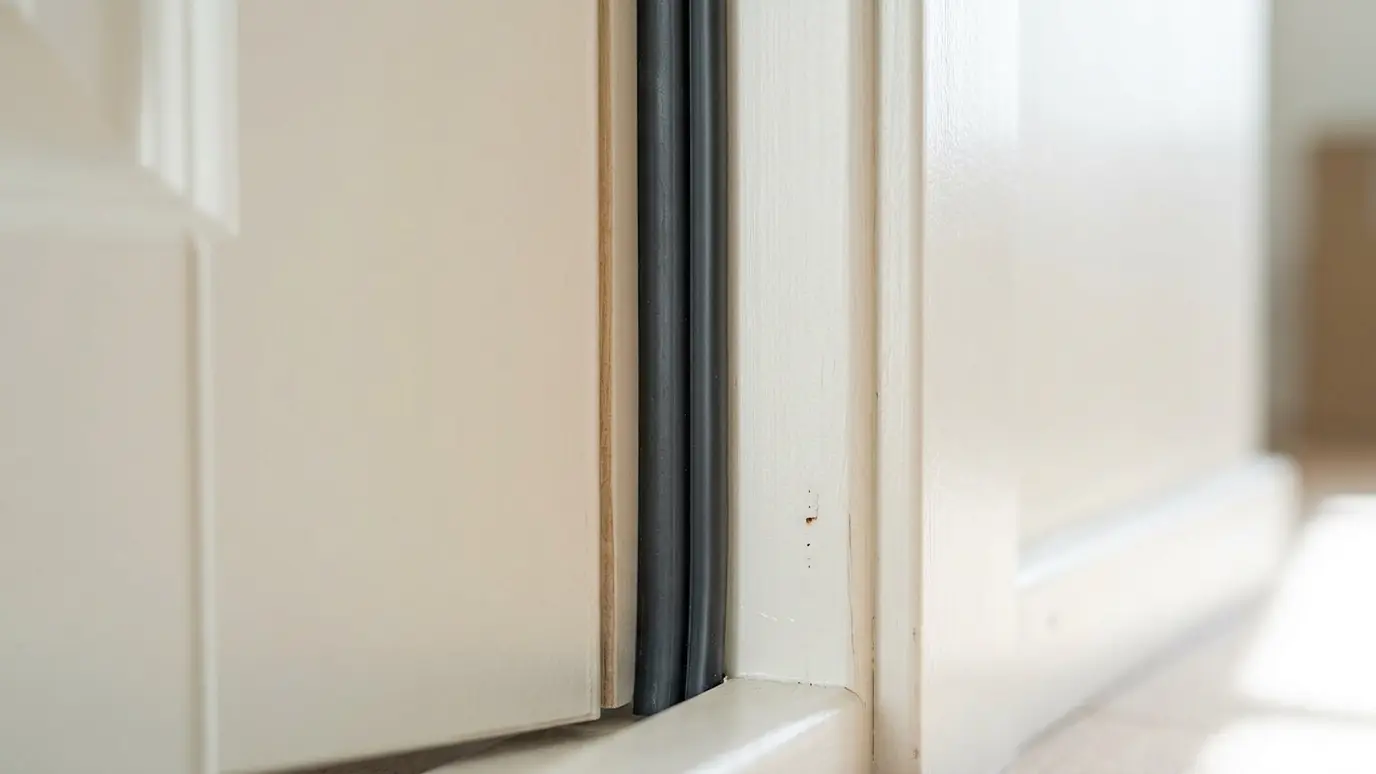
Drafts around windows, doors and trim stopped with the right sealants and weatherstripping, so rooms feel calmer and quieter.
Windows and doors take a lot of blame for drafts, but the sash is often not the problem. The gap between the frame and the rough opening, the trim, the threshold and the weatherstripping are where air gets in.
We seal around the frame with low-expansion foam or backer rod and caulk, replace worn weatherstripping, adjust or replace sweeps and seal trim joints and exterior penetrations. It is quick, inexpensive work with an immediate effect on drafts and noise. A simple smoke pencil or a thin strip of tissue on a windy day shows where air is entering, and we use the same checks before and after the work so you can see the difference for yourself. Most homes also gain a quieter feel, because the gaps that pass air are the gaps that pass street noise.
Look at the gap behind the casing, not just the glass. A flashlight and a hand on a windy day often find the leak.
The right foam fills gaps without bowing the frame. Caulk handles movement joints and trim lines on the inside and outside.
Compressed or torn seals at doors and operable windows lose their grip. New weatherstripping and an adjustable threshold close those gaps.
Rotted frames, failed glass seals and warped sashes may be beyond repair. We explain when sealing is enough and when to consider replacement.
Drag the handle to compare.
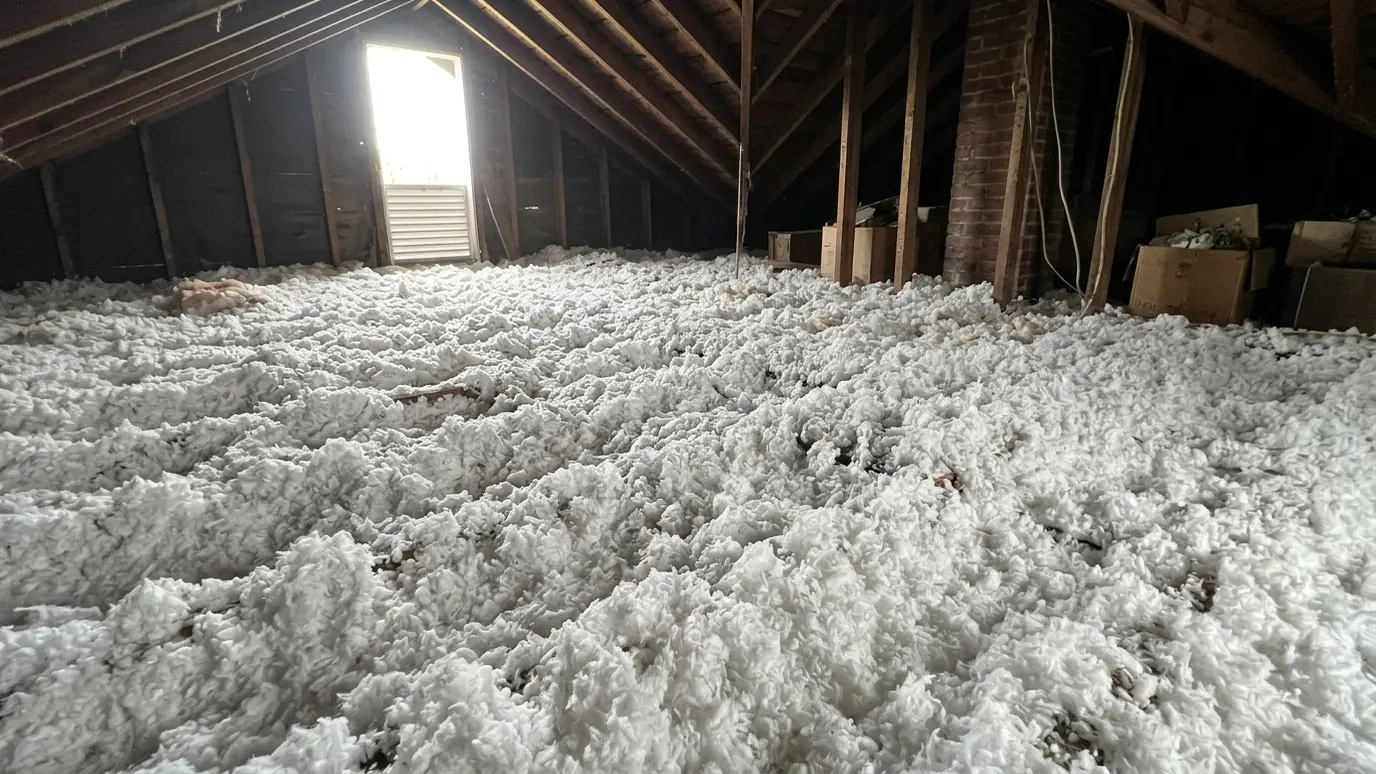
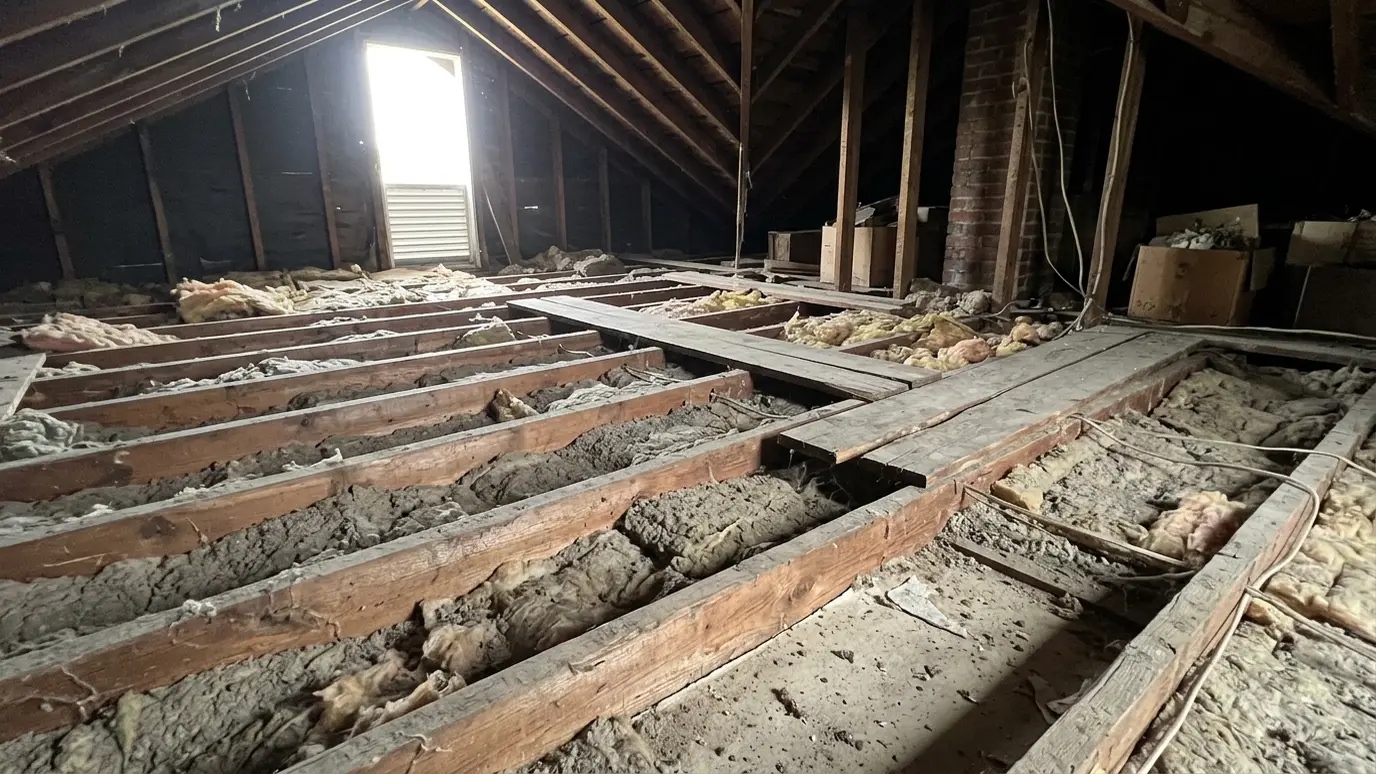 BeforeAfter
New weatherstripping and thresholds.
Low-expansion foam behind casing.
Interior and exterior lines closed.
Locks and seals adjusted.
Less outside noise.
Often done in a day.
Every topic has its own page with what to expect and how we approach it.
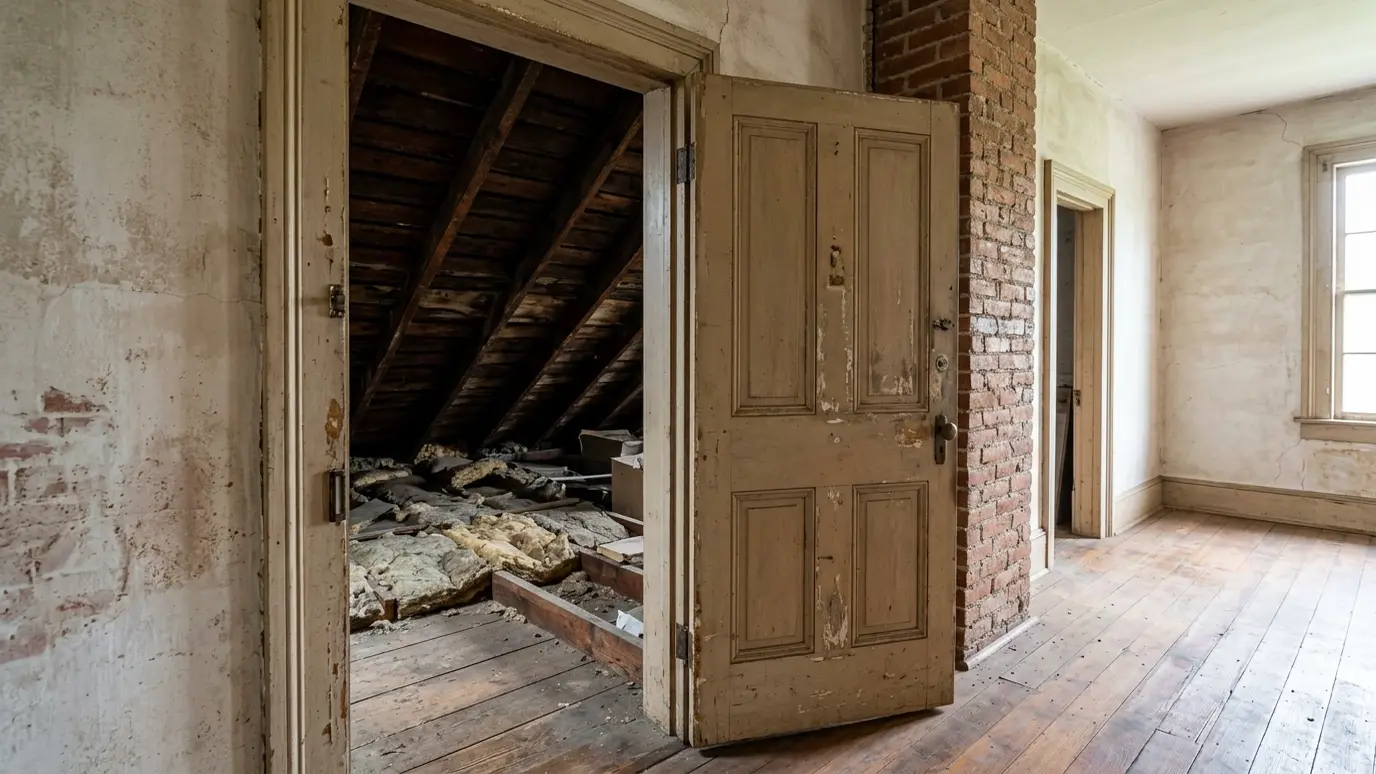 Project situationOlder HomesOlder houses have charm and hidden challenges, from empty walls to unsealed attics. Here is how to improve…Learn more
 Project situationHot and Cold RoomsOne room is always too warm and another is always too cold. Here is why it happens and…Learn more
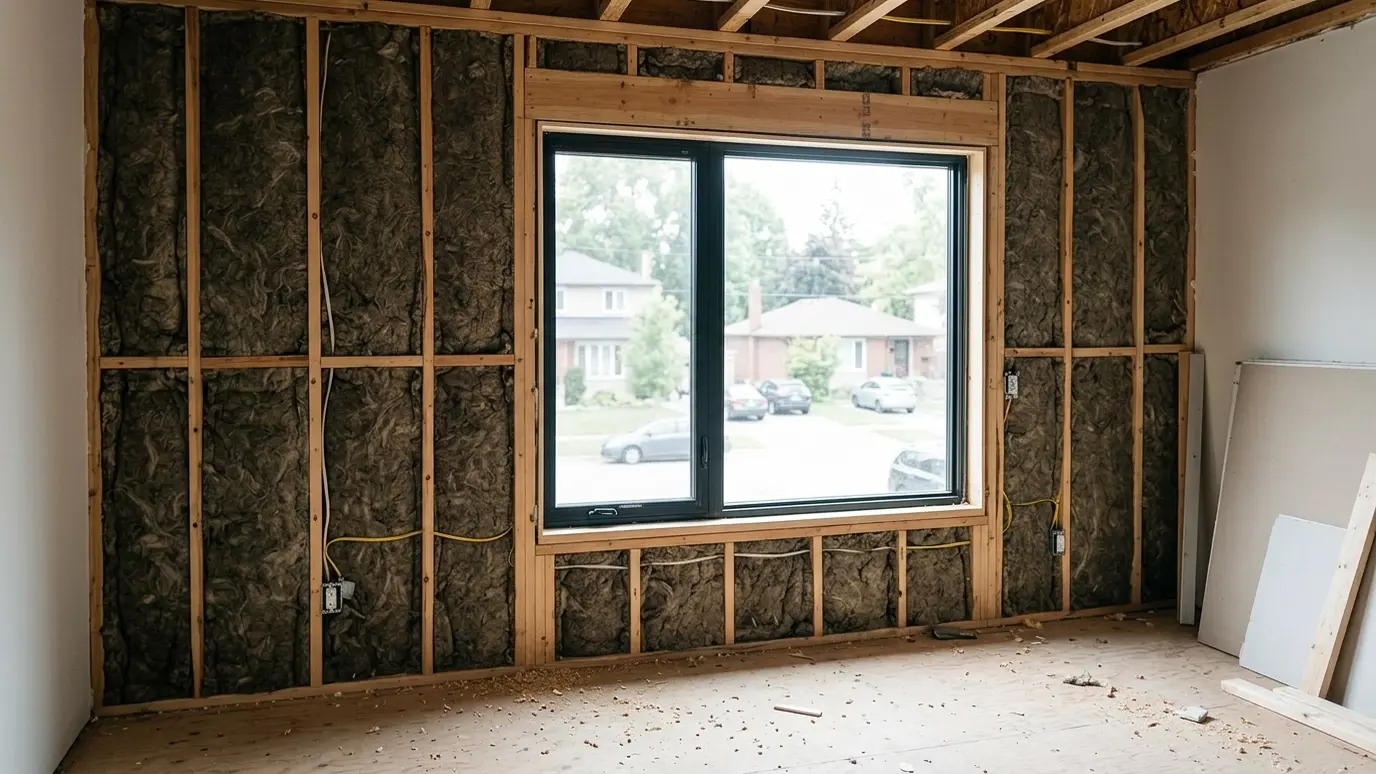 Project situationNoisy HomesTraffic, neighbors, music and busy households all travel through walls and floors. Here is what quiets them.Learn more
Answer a few questions about your rooms, bills and spaces and see which fixes to look at first.
You tell us what is going on, which rooms bother you and what you hope to change, and we set a time that fits your day.
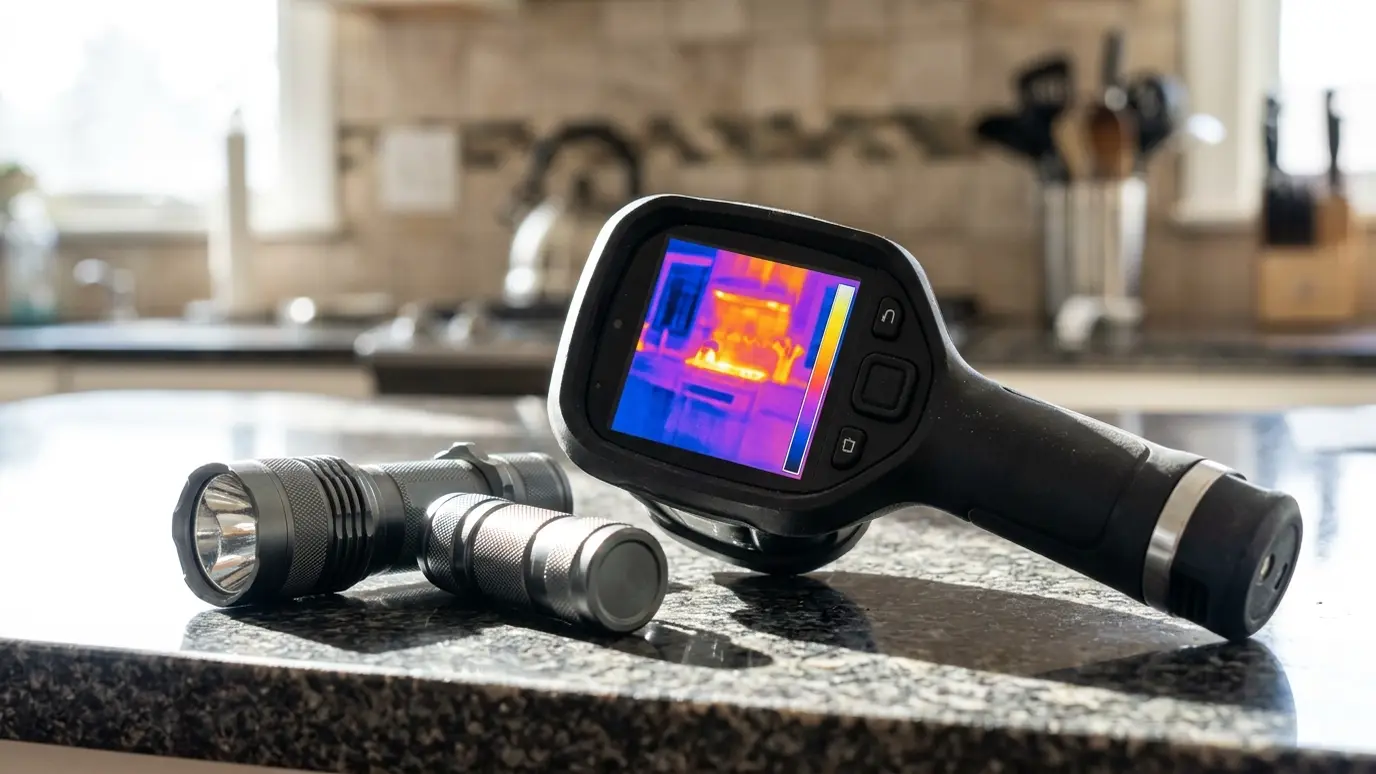
We walk the attic, walls, crawl space and equipment, measure depths and use thermal imaging when it helps.
We protect the house, seal air leaks, place baffles and fix small problems so the insulation can do its job.
Loose-fill, batts, foam or board goes in to the planned depth, with clean edges and clear markers.
We measure the result, take photos and test air leakage when the scope includes it.
We walk the finished work with you, answer questions and leave the site clean.
Often no. Sealing the frame and replacing weatherstripping solves many drafts for a fraction of the cost.
Only low-expansion foam made for windows and doors. High-expansion foam can bow the frame.
Yes. We use removable seals and weatherstripping that keep the original look.
A typical home takes a few hours to a day.
Yes, because sound follows the same gaps as air.
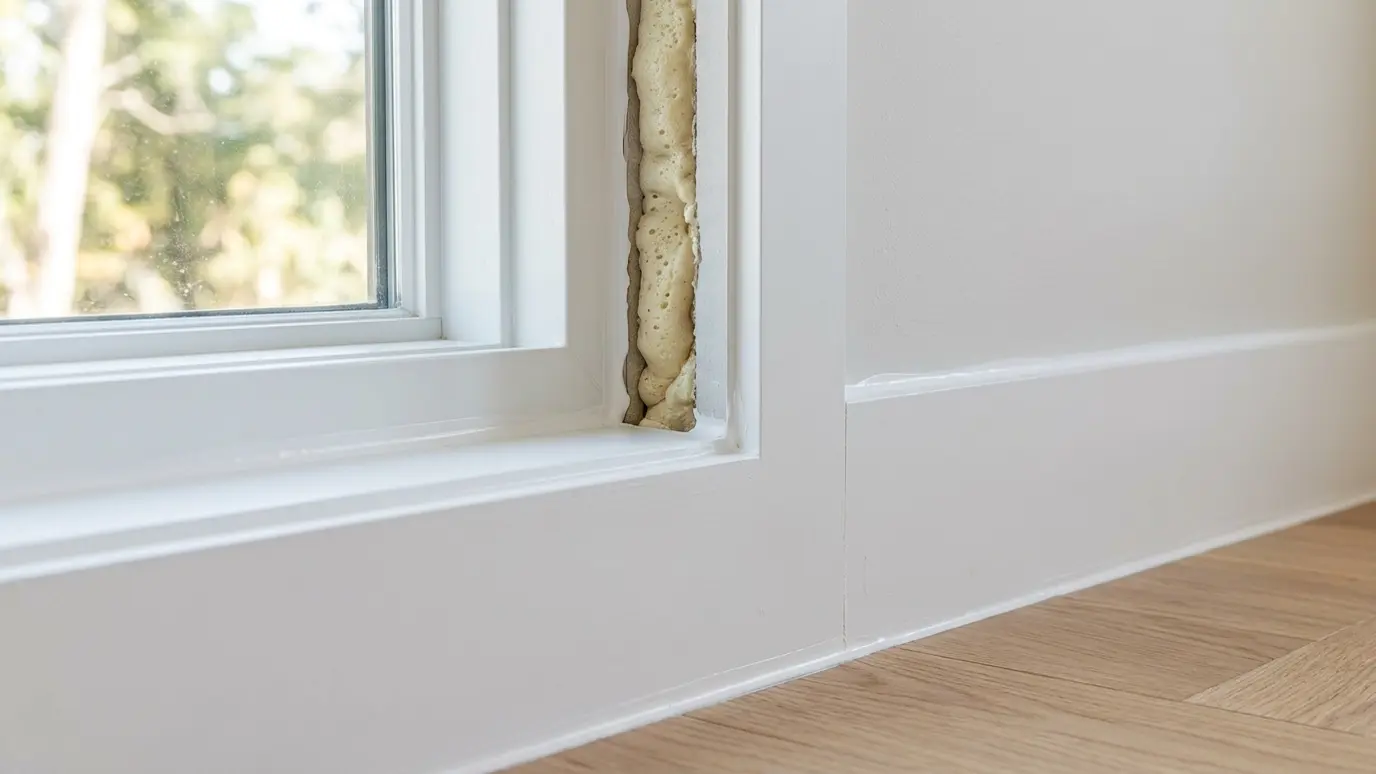 Whole-Home Air SealingEvery major leak in your home found and closed, from attic and basement to the small gaps around…Explore
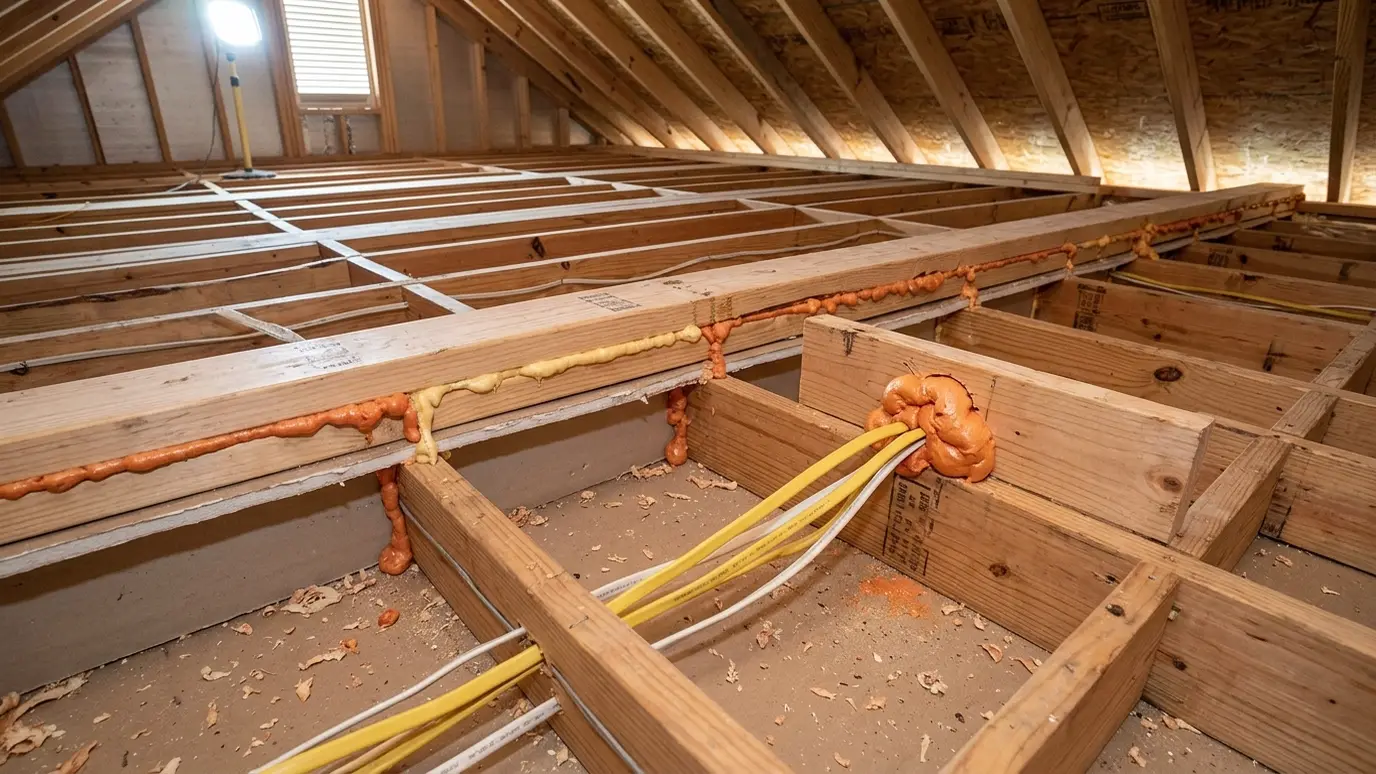 Attic Air SealingThe hidden leaks between your living space and the attic, found and sealed so conditioned air stays inside.Explore
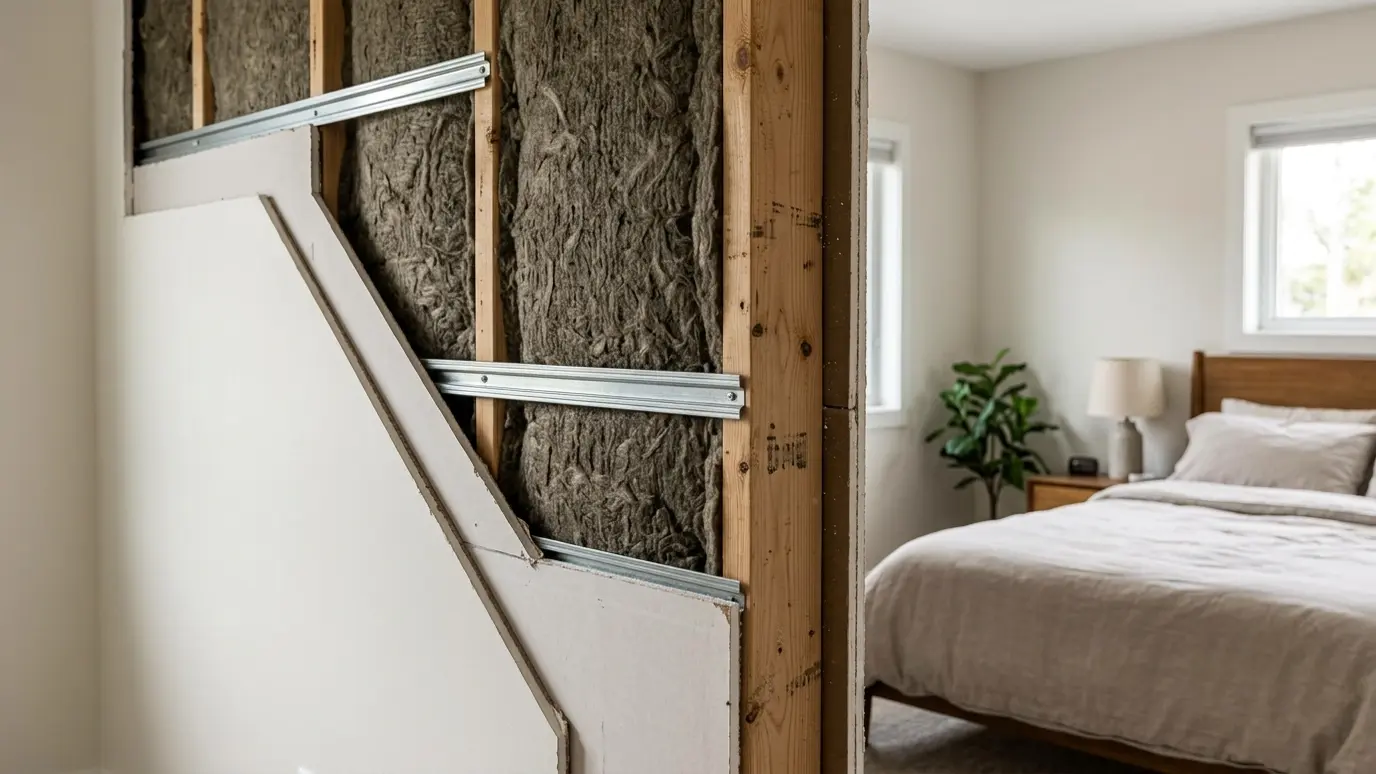 Soundproofing and Sound InsulationQuieter bedrooms, media rooms, offices and shared walls, built with dense insulation, decoupling and sealed gaps.Explore
 Home Energy AuditsA whole-house assessment that finds where your home loses comfort and energy and ranks the fixes in the…Explore
Tell us about the project and we will call you back to talk it through.
Or call (615) 357-7797 to talk now.