Quieter bedrooms, media rooms, offices and shared walls, built with dense insulation, decoupling and sealed gaps.
Sound travels through air gaps, through solid framing and through thin surfaces that vibrate. Nashville is a city of musicians, home studios and busy streets, so quiet is a real luxury. Good sound control combines mass, absorption, decoupling and air sealing, because any one of them alone leaves a path open.
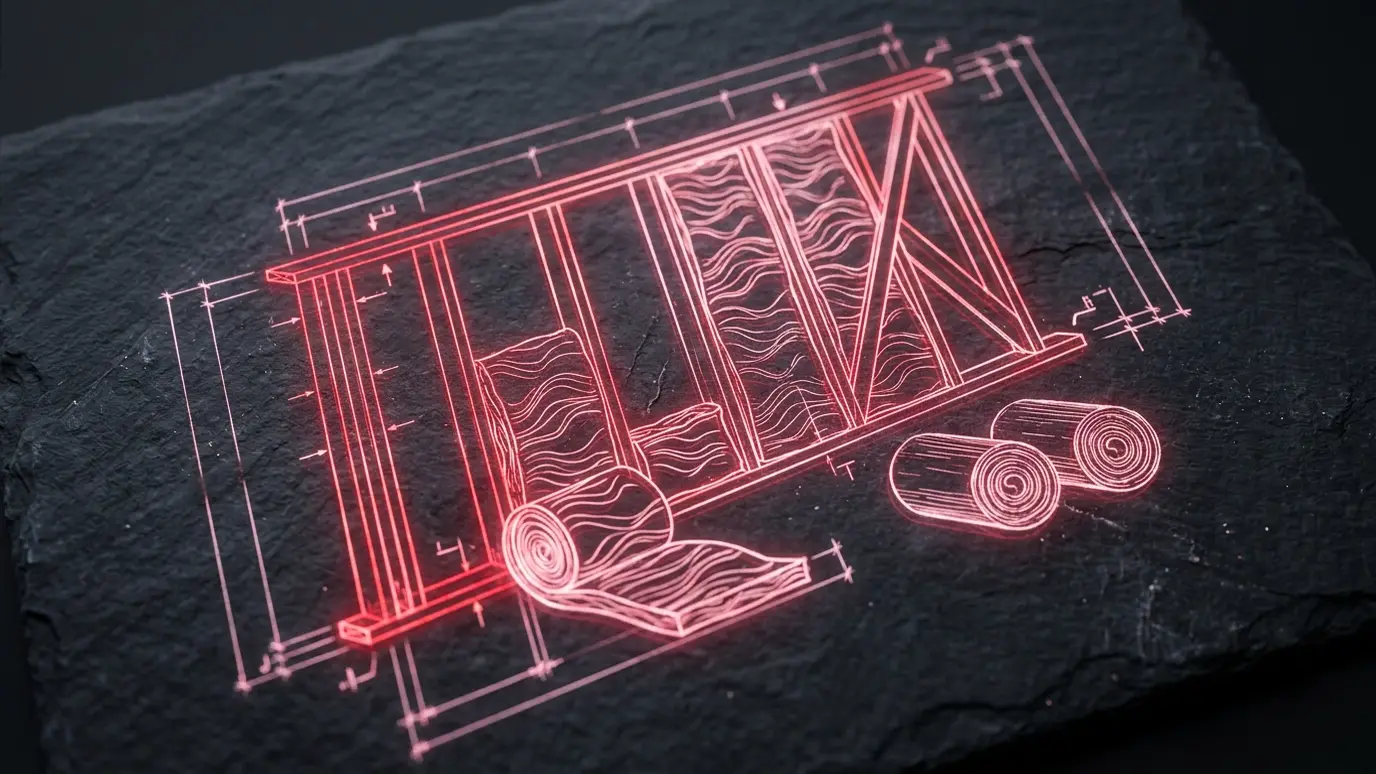
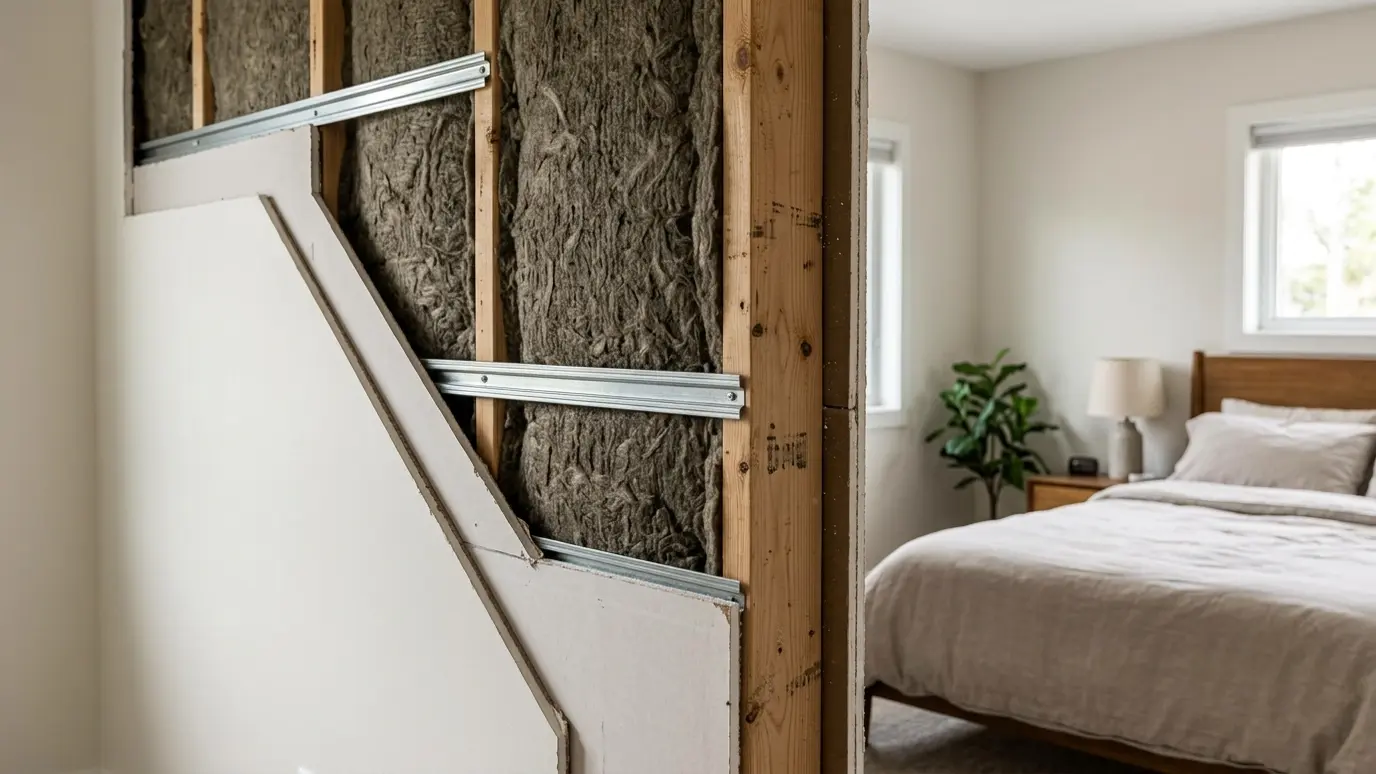
We fill walls and ceilings with dense, sound-absorbing insulation, seal every gap at plates and penetrations, and recommend resilient channels or double-layer drywall when a room needs more than insulation alone. The right mix depends on whether the problem is voices, music, television or footsteps.
Mass blocks it, absorption quiets the cavity, decoupling breaks the vibration path and sealing removes the leaks. A serious project uses more than one.
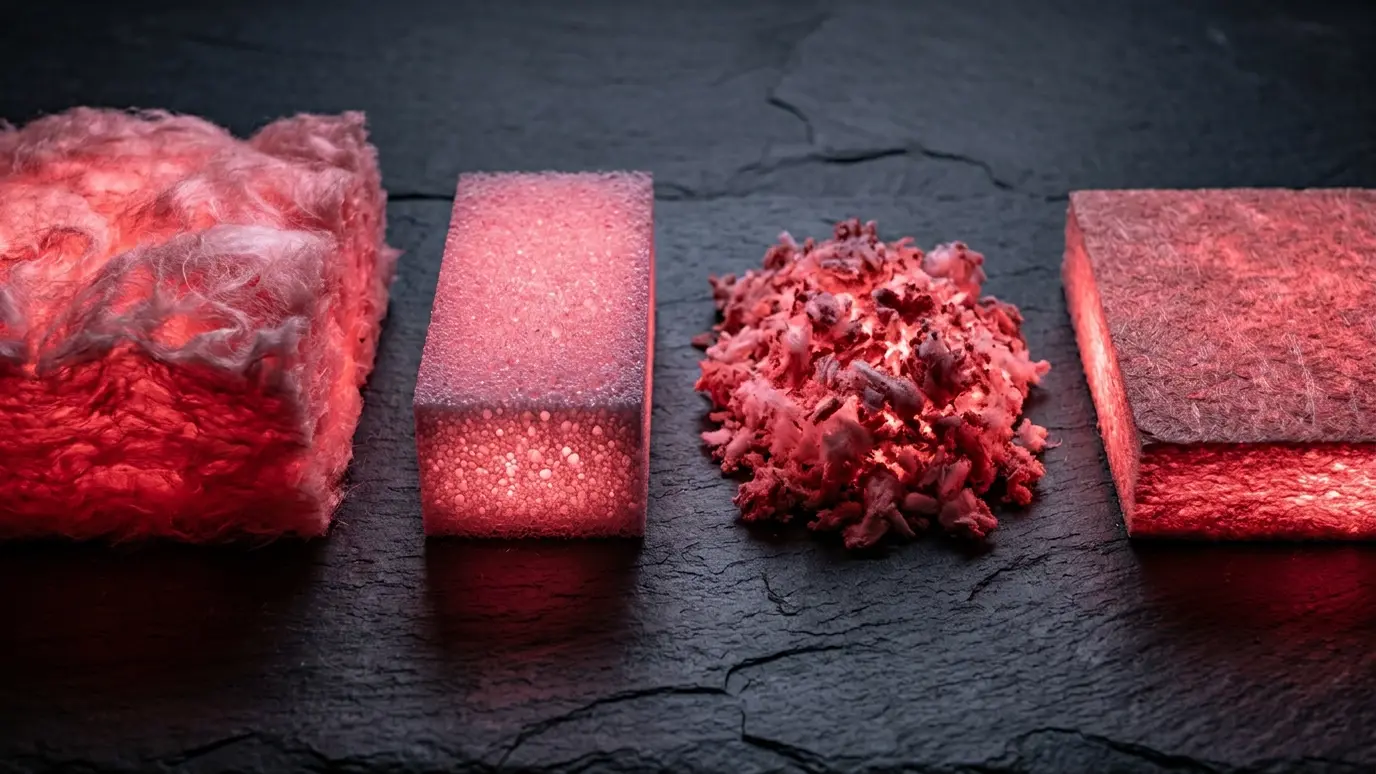
Mineral wool, dense fiberglass and open-cell foam all absorb sound well. We choose by wall depth, fire needs and the kind of noise to control.
A small gap passes a surprising amount of sound. Caulk at the edges, gaskets at outlets and sealed penetrations are the lowest-cost and most overlooked steps.
Footsteps and impact noise travel through the structure. Insulation helps, and a floating floor or resilient ceiling treatment adds more where it is needed.
Drag the handle to compare.
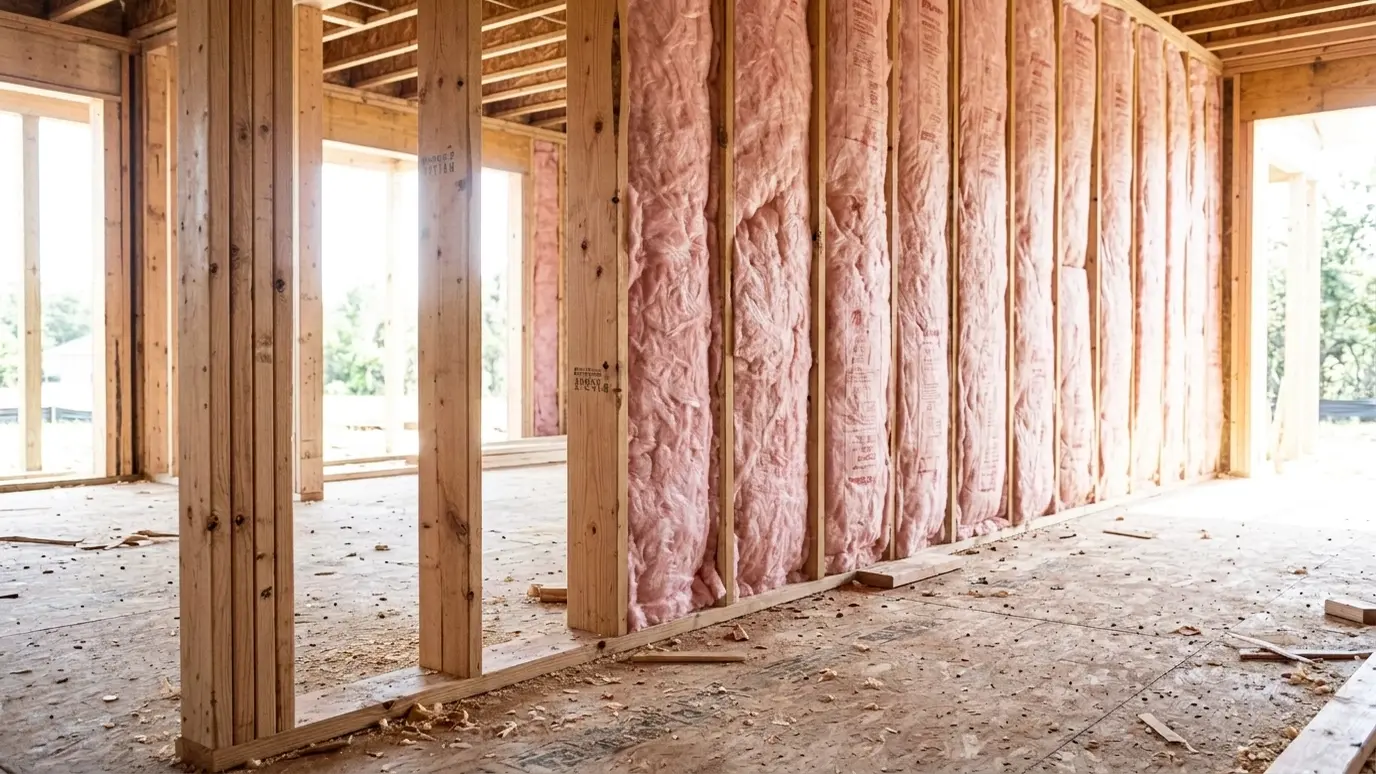
 BeforeAfter
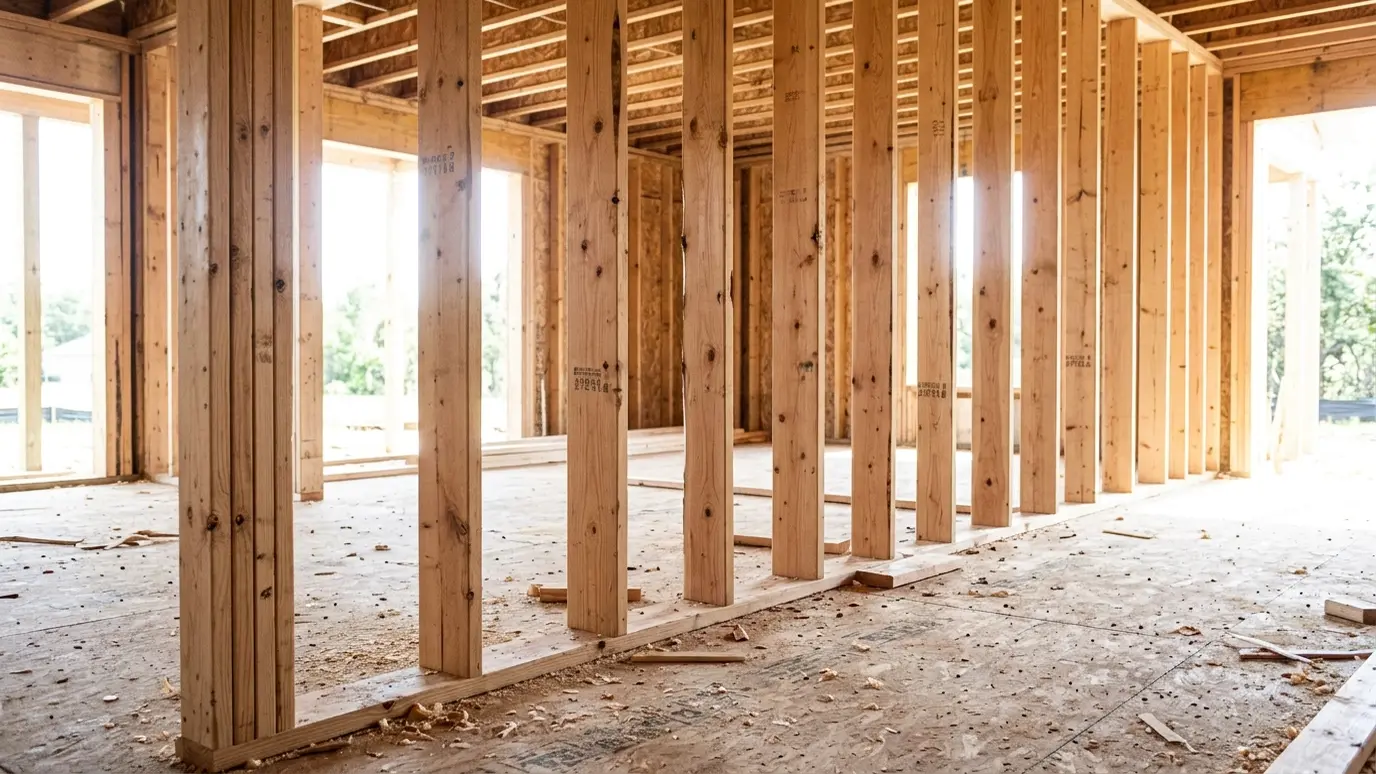
Dense insulation in wall and ceiling cavities.
Plates, outlets and penetrations closed.
Resilient channels and double drywall.
Seals and solid-core upgrades.
Planned for sound and comfort.
Less noise from neighbors and rooms.
Every topic has its own page with what to expect and how we approach it.
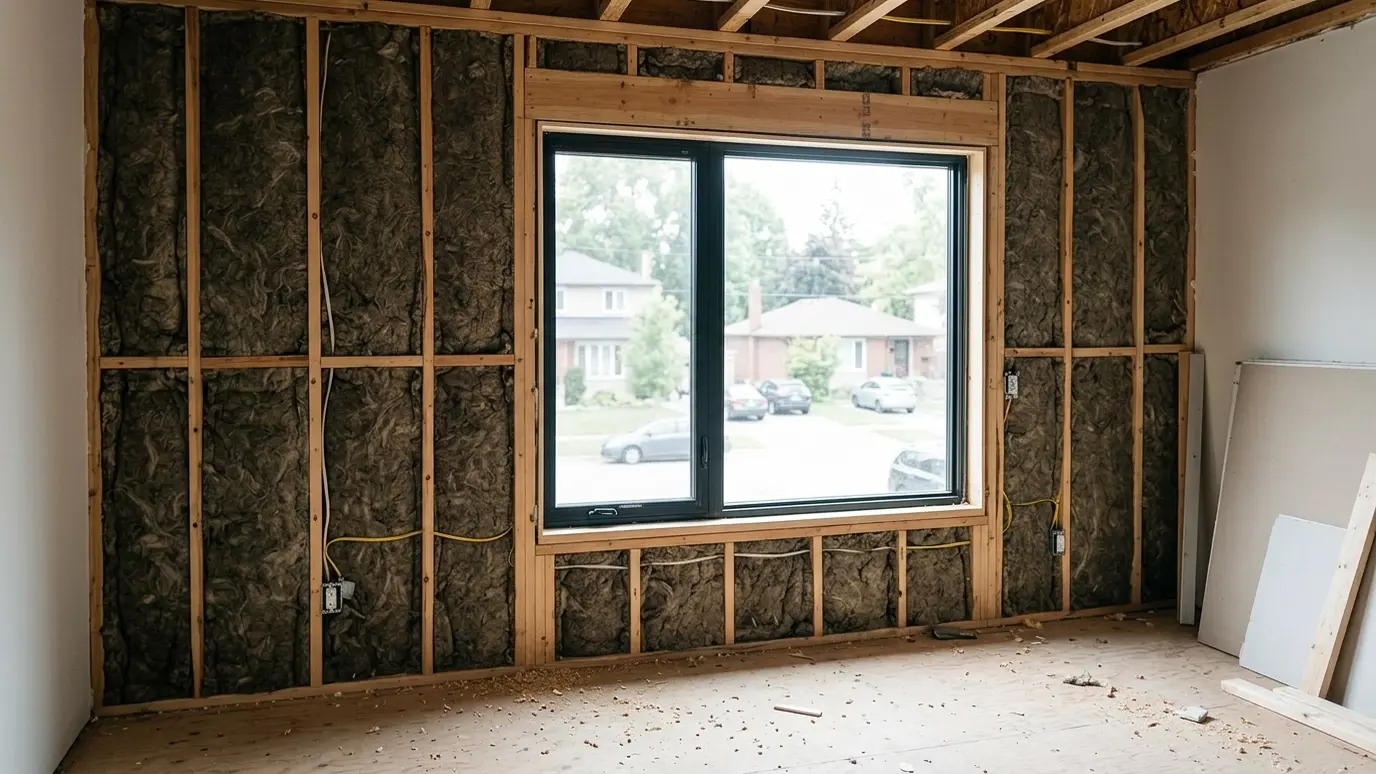 Project situationNoisy HomesTraffic, neighbors, music and busy households all travel through walls and floors. Here is what quiets them.Learn more
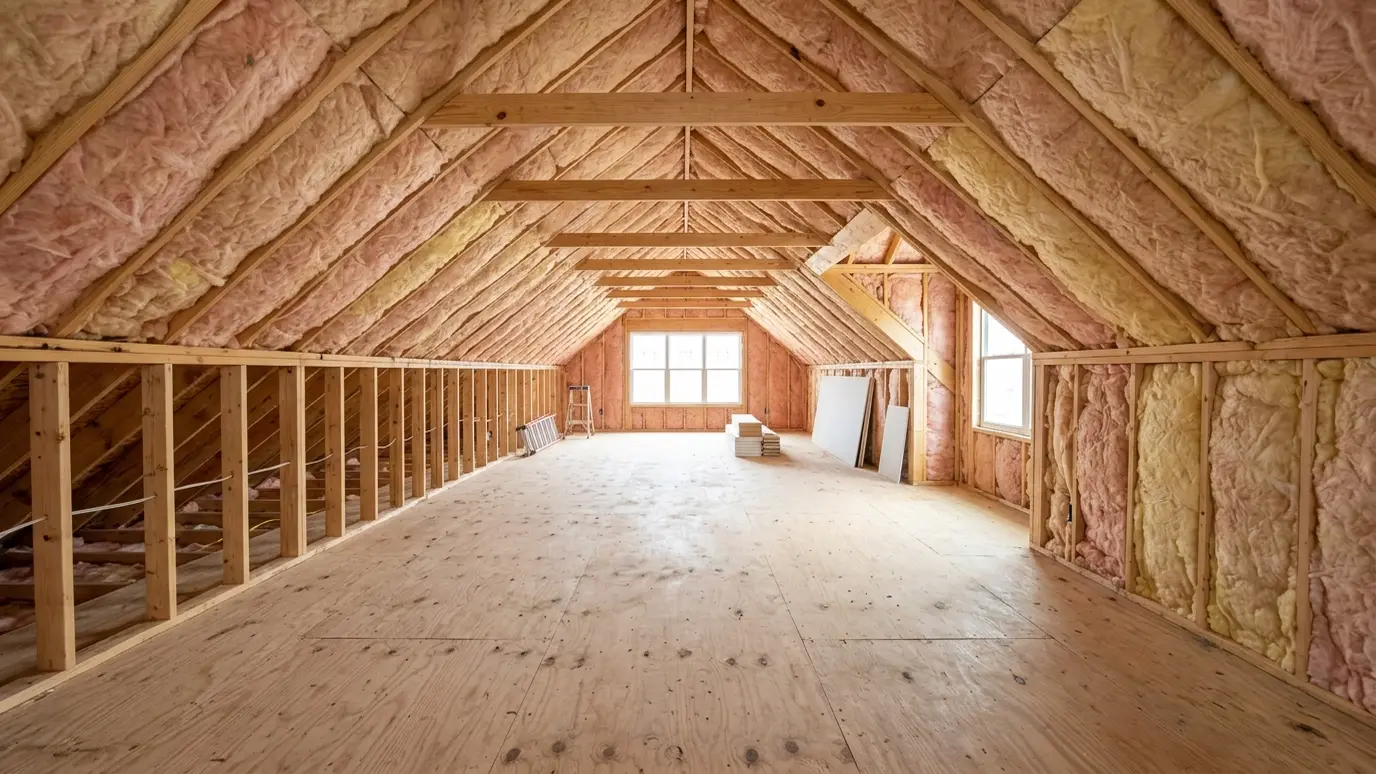 Project situationAdditions and Bonus RoomsNew rooms need to feel like the rest of the house. Here is what makes additions comfortable and…Learn more
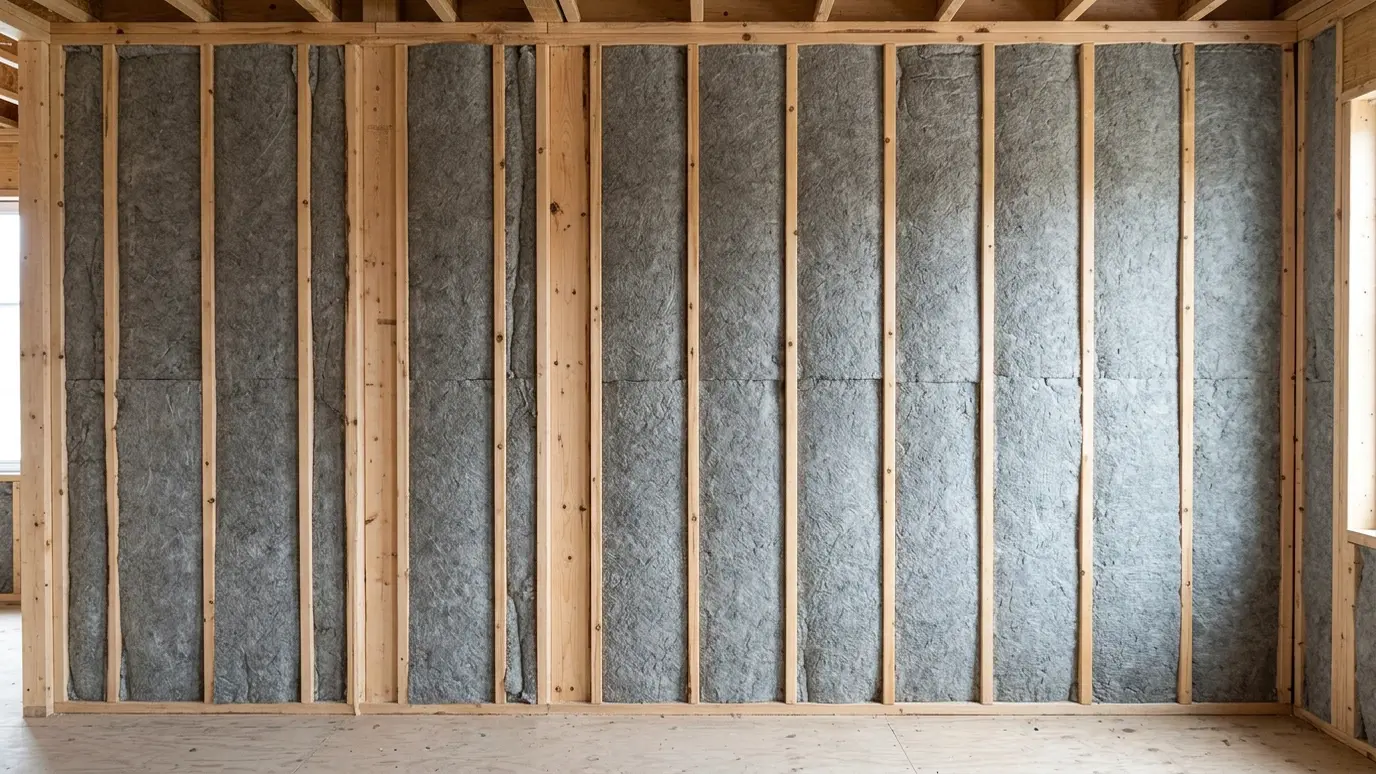 Material guideMineral WoolDense stone and slag fibers that resist fire, water and sound. Here is why it is a favorite…Learn more
Answer a few questions about your rooms, bills and spaces and see which fixes to look at first.
You tell us what is going on, which rooms bother you and what you hope to change, and we set a time that fits your day.
We walk the attic, walls, crawl space and equipment, measure depths and use thermal imaging when it helps.
We protect the house, seal air leaks, place baffles and fix small problems so the insulation can do its job.
Loose-fill, batts, foam or board goes in to the planned depth, with clean edges and clear markers.
We measure the result, take photos and test air leakage when the scope includes it.
We walk the finished work with you, answer questions and leave the site clean.
It helps a great deal but rarely does it all. Mass, sealing and decoupling complete the job.
Mineral wool and dense batts are strong choices, and open-cell foam performs well too. We match it to your walls.
We can improve a room for comfort and neighbor relations. Full recording studio isolation needs an acoustic design.
No. It lowers noise substantially, but low-frequency sound is the hardest to stop.
Yes. Dense-pack fill works through small holes, and open walls get full batts or foam.
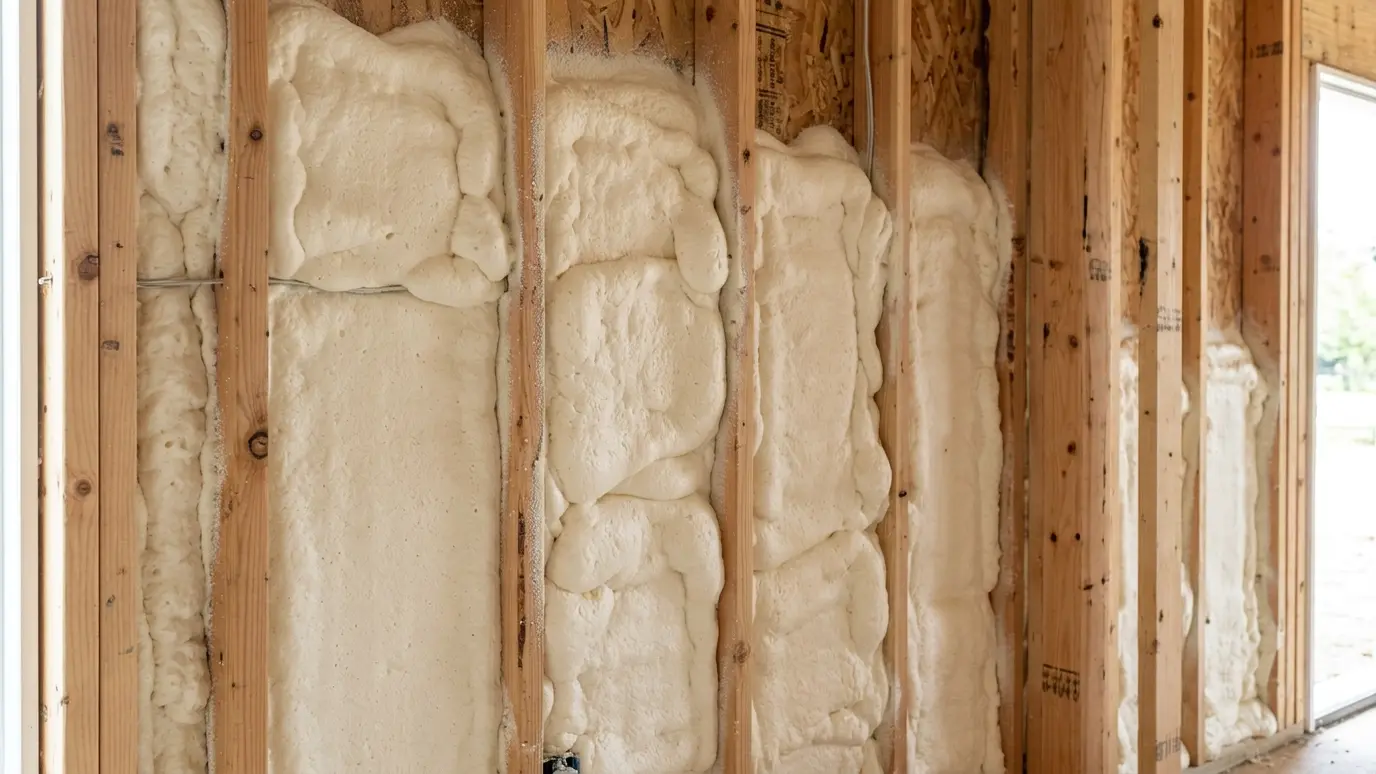 Open-Cell Spray FoamA soft, expanding foam that fills every nook, seals air leaks and dampens sound in walls, ceilings and…Explore
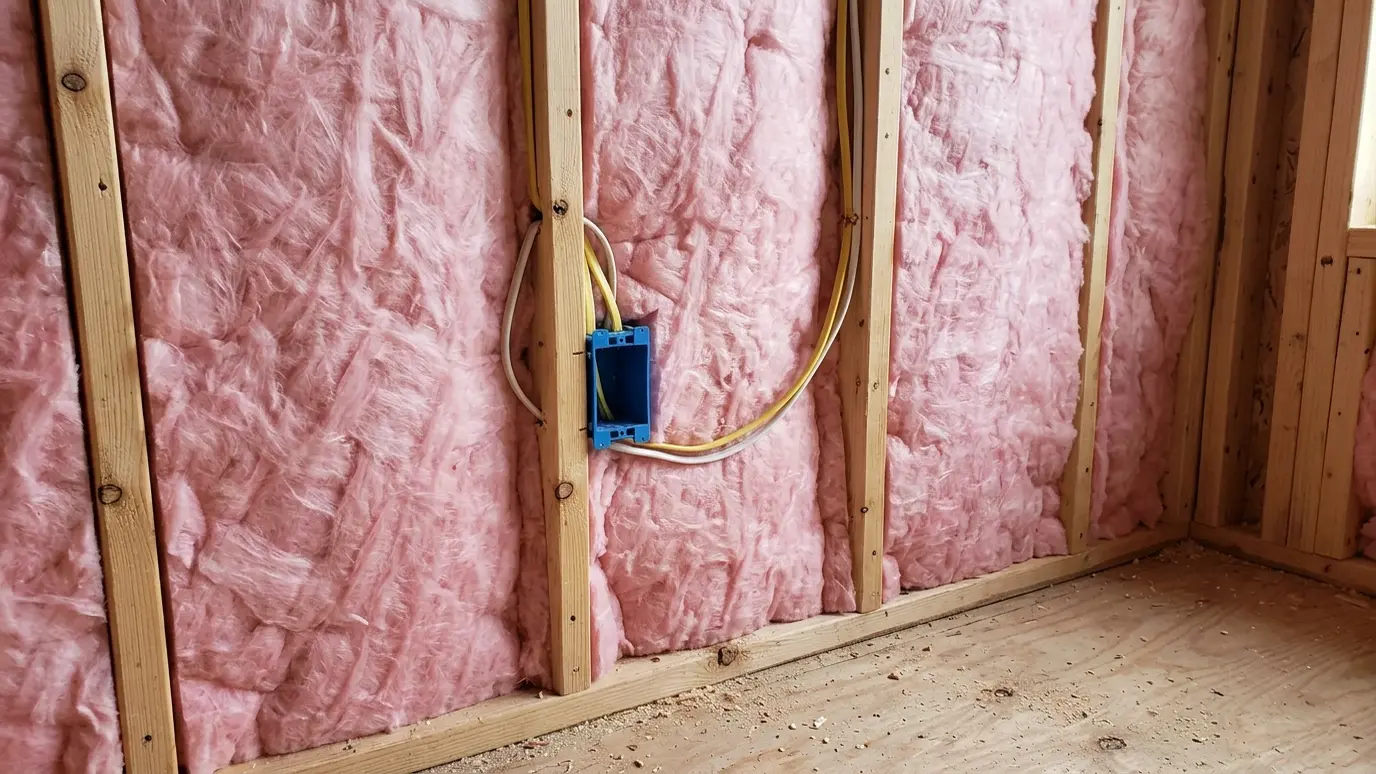 Fiberglass Batt InsulationPrecisely fitted batts in walls, floors and ceilings, cut around wiring and boxes so the cavity is filled…Explore
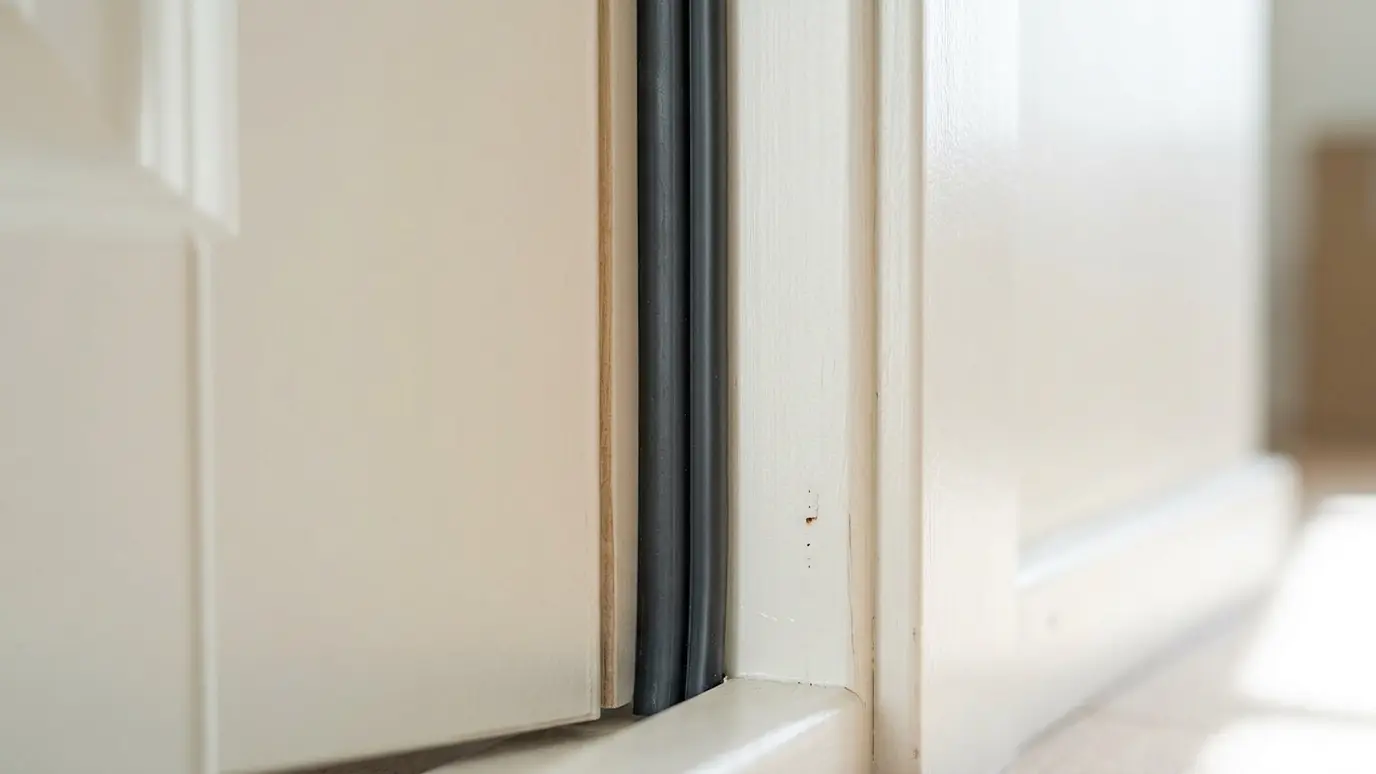 Window and Door Air SealingDrafts around windows, doors and trim stopped with the right sealants and weatherstripping, so rooms feel calmer and…Explore
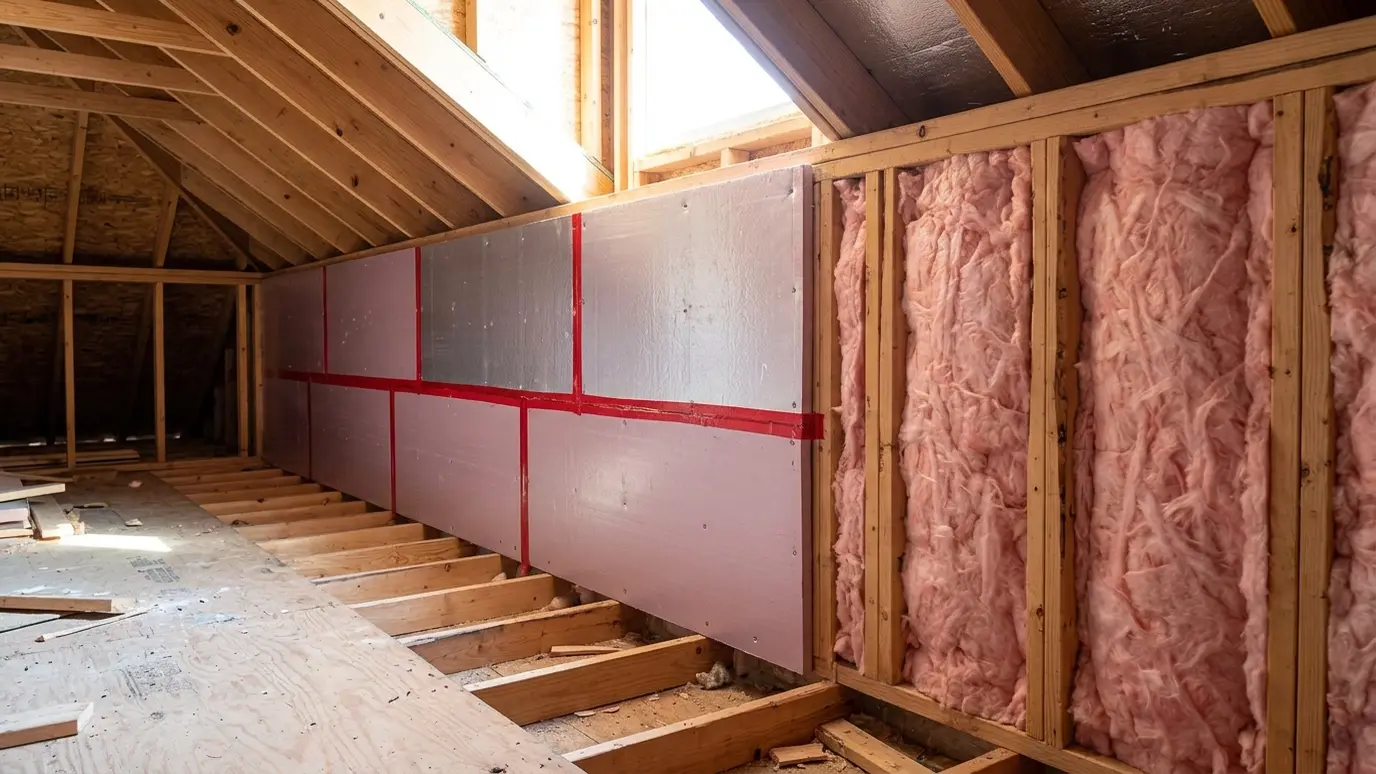 Bonus Room and Knee WallsThe rooms over the garage and under the roof that never feel right, fixed at the knee walls…Explore
Tell us about the project and we will call you back to talk it through.
Or call (615) 357-7797 to talk now.