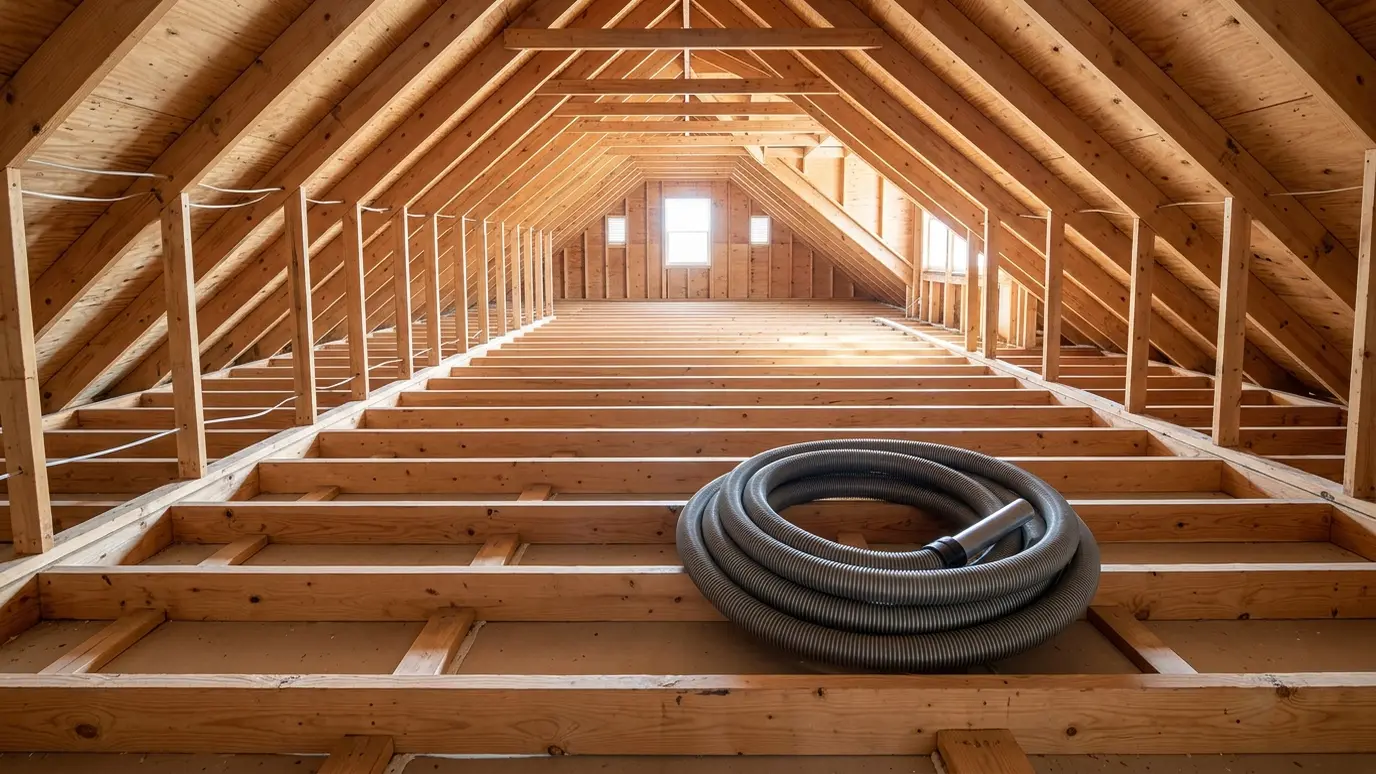
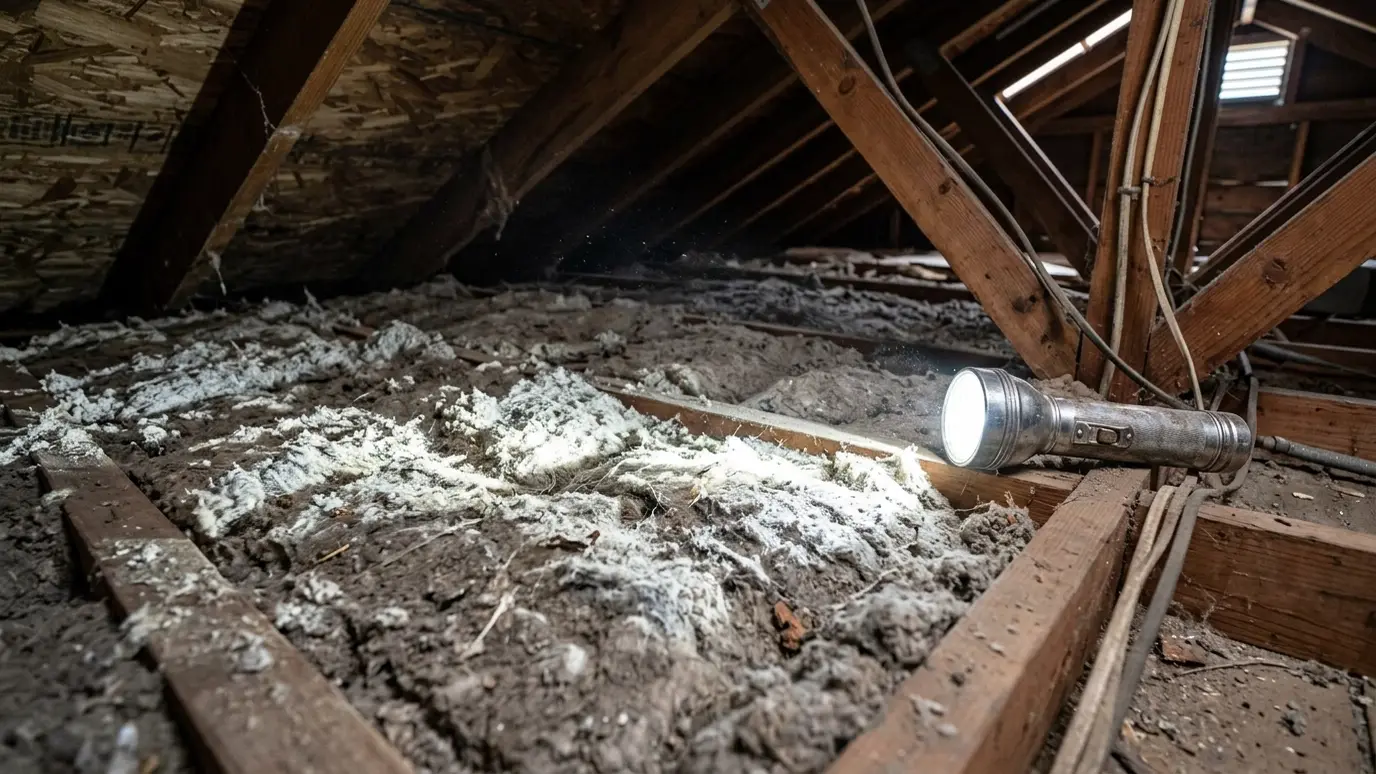
Common old materials
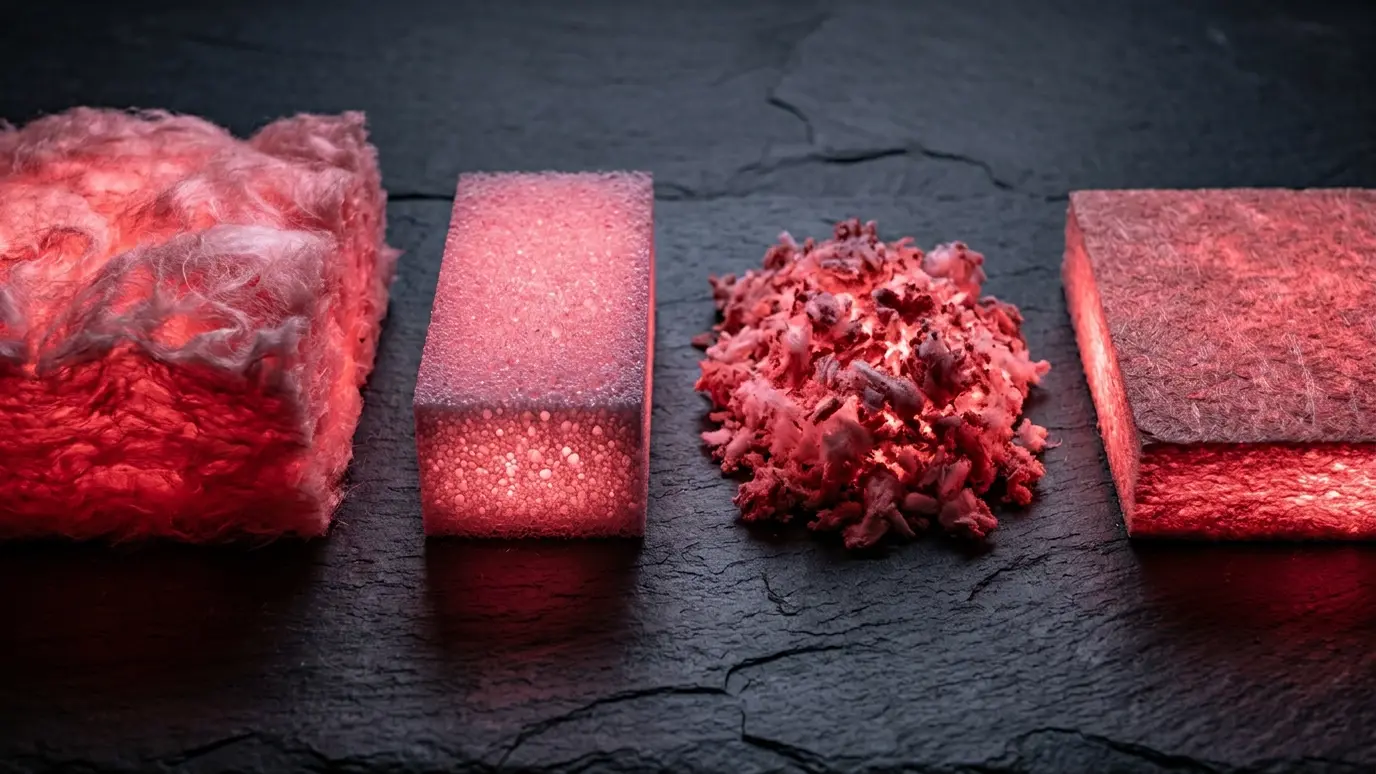
Older homes may contain loose rock wool, paper-based fill, fiberglass batts and vermiculite granules. Each has its own history and handling needs.
Photographs help identify them.
Vermiculite
Gray-gold granules that look like tiny accordions may be vermiculite. Some vermiculite contained asbestos, so leave it undisturbed and get advice.
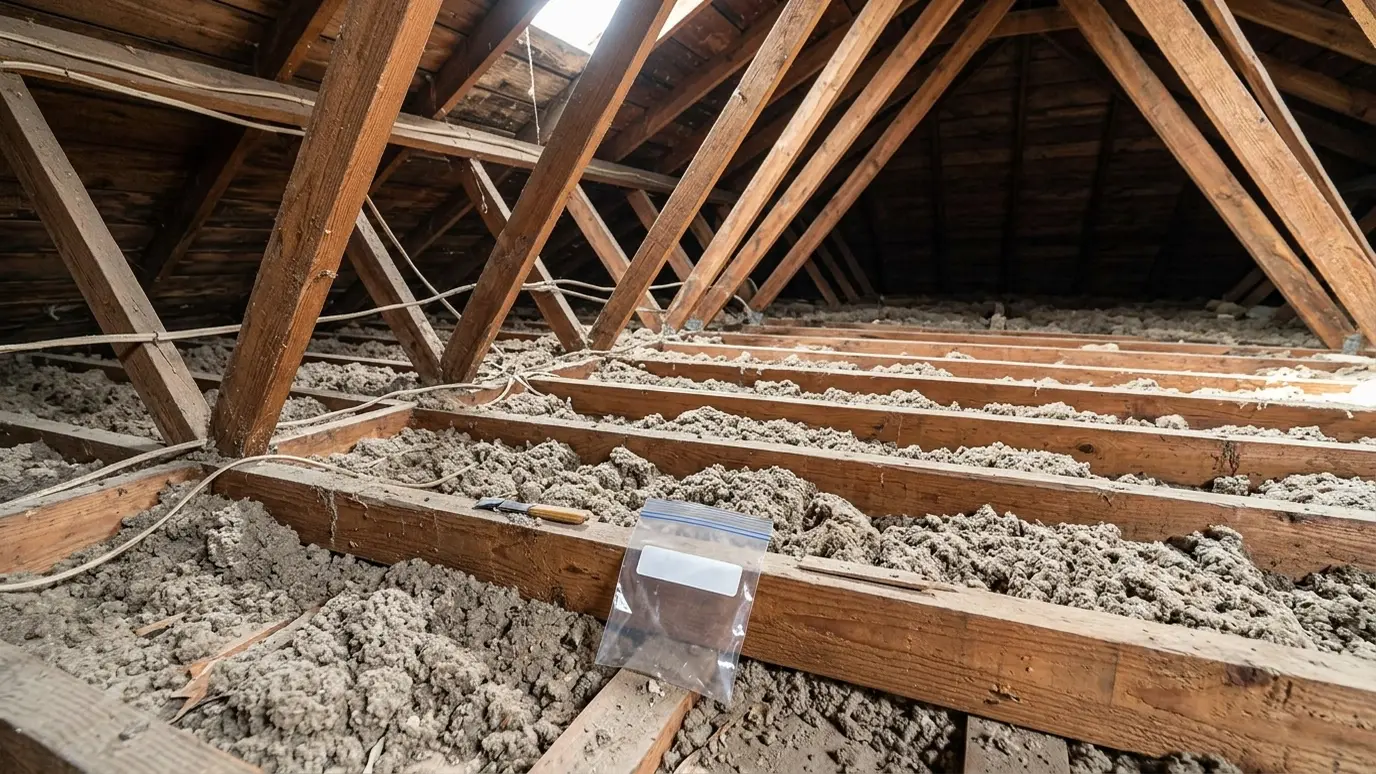
Testing by an accredited lab is the way to know.
Do not disturb suspected asbestos
Avoid sweeping, vacuuming or stirring it. Keep the attic closed and limit access.
A qualified abatement professional handles removal.
Wiring and old fixtures
Knob and tube wiring needs special clearance. Older recessed lights may not be rated for insulation contact.
An electrician should review them.
When removal is wise
Wet, moldy or pest-contaminated insulation should be removed. Dry, clean material can often stay.
We inspect and tell you honestly.
Moving forward safely
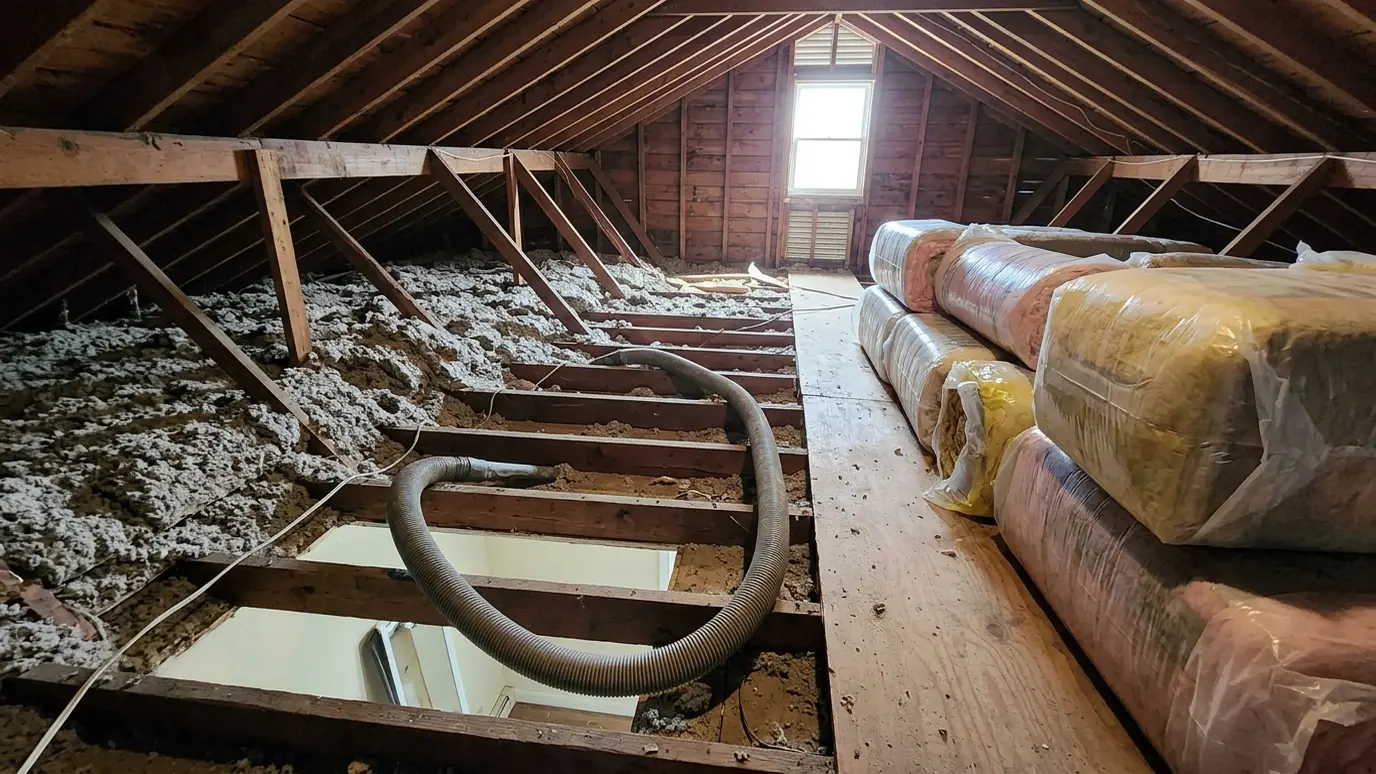
Once hazards are handled, air sealing and new insulation make a major difference. We coordinate the sequence with other trades.
Safety comes before efficiency.
Treat unknown old insulation with caution, get advice and test before disturbing it.