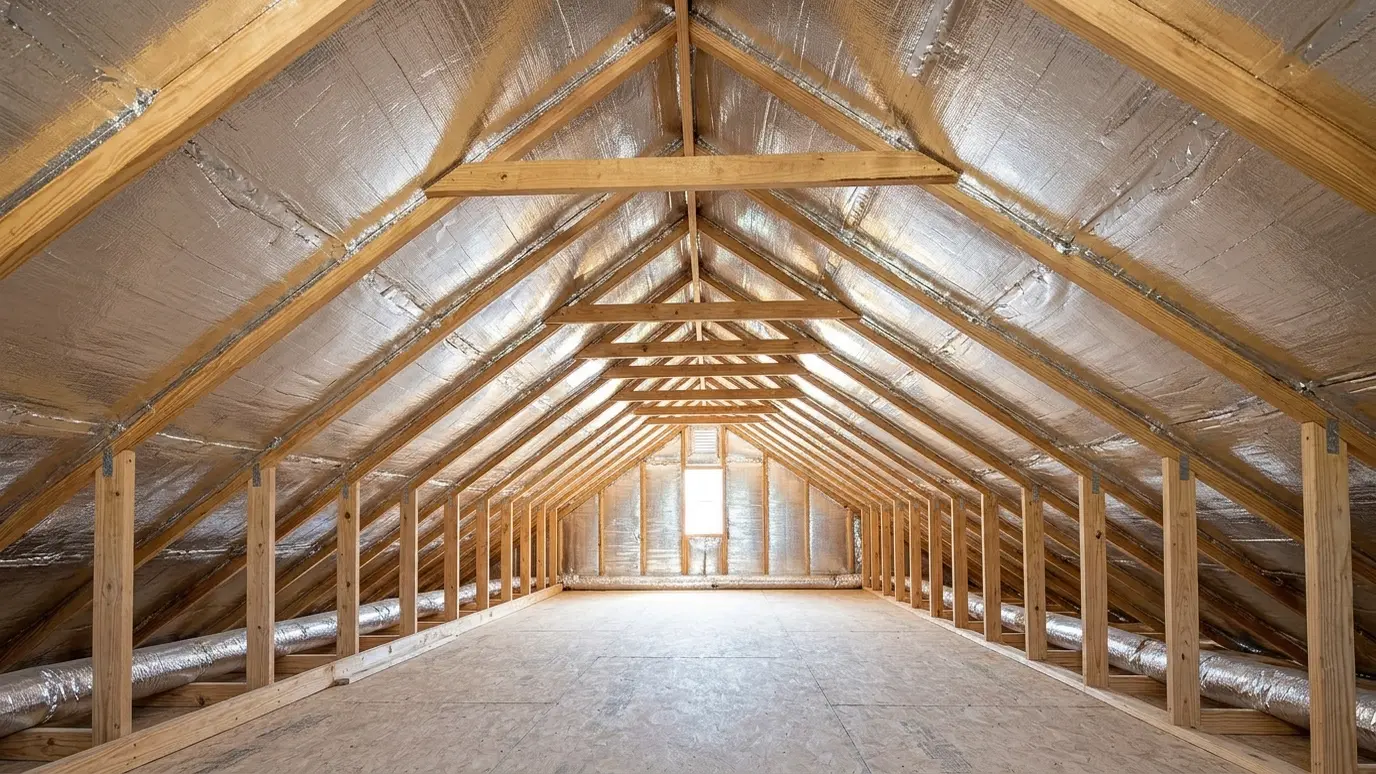
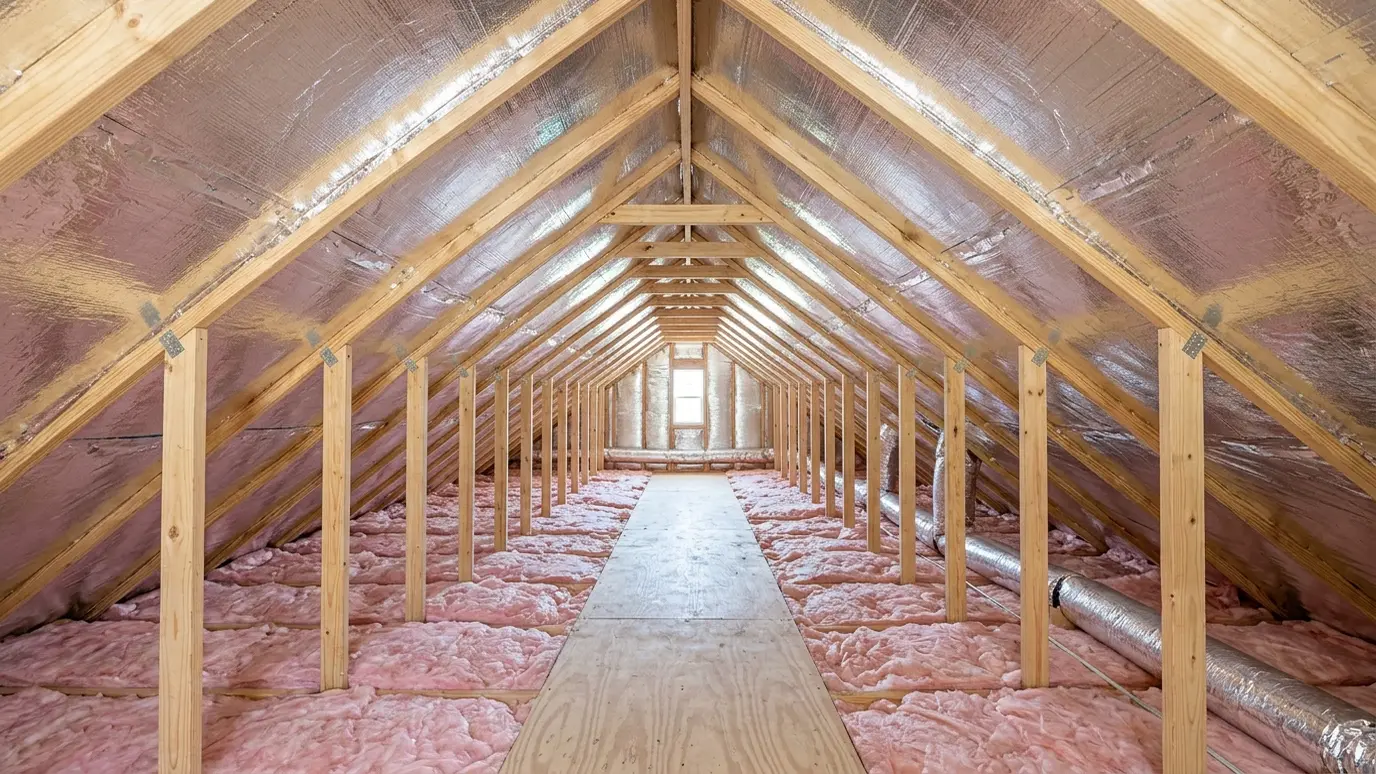
A reflective foil layer under the roof deck that turns back summer radiant heat before it reaches your attic floor.
In summer the sun heats the roof, and the roof sends much of that heat down as infrared radiation. A radiant barrier is a thin, shiny layer that reflects that radiation back instead of letting the attic insulation soak it up. It is a helpful tool in a long, hot season.
We install reflective foil on the underside of the rafters or the roof deck, with an air gap kept in front of the shiny face. It works best alongside good insulation and air sealing, and we explain honestly where it helps and where the money is better spent first.
Insulation slows conduction, while a radiant barrier reflects radiant heat. They tackle different paths, so they complement each other, particularly with ductwork in a hot attic.
Homes with air handlers or ducts in the attic and long, hot summers gain the most. In a house with thin insulation, adding insulation first usually pays back faster.
The shiny face needs an air gap, and the barrier must be placed so it cannot collect dust on the upward face. We staple foil to the rafters or install a roof-deck product during new construction.
A radiant barrier does not replace attic ventilation. We keep the vents open and clear so heat and moisture can still leave.
Drag the handle to compare.
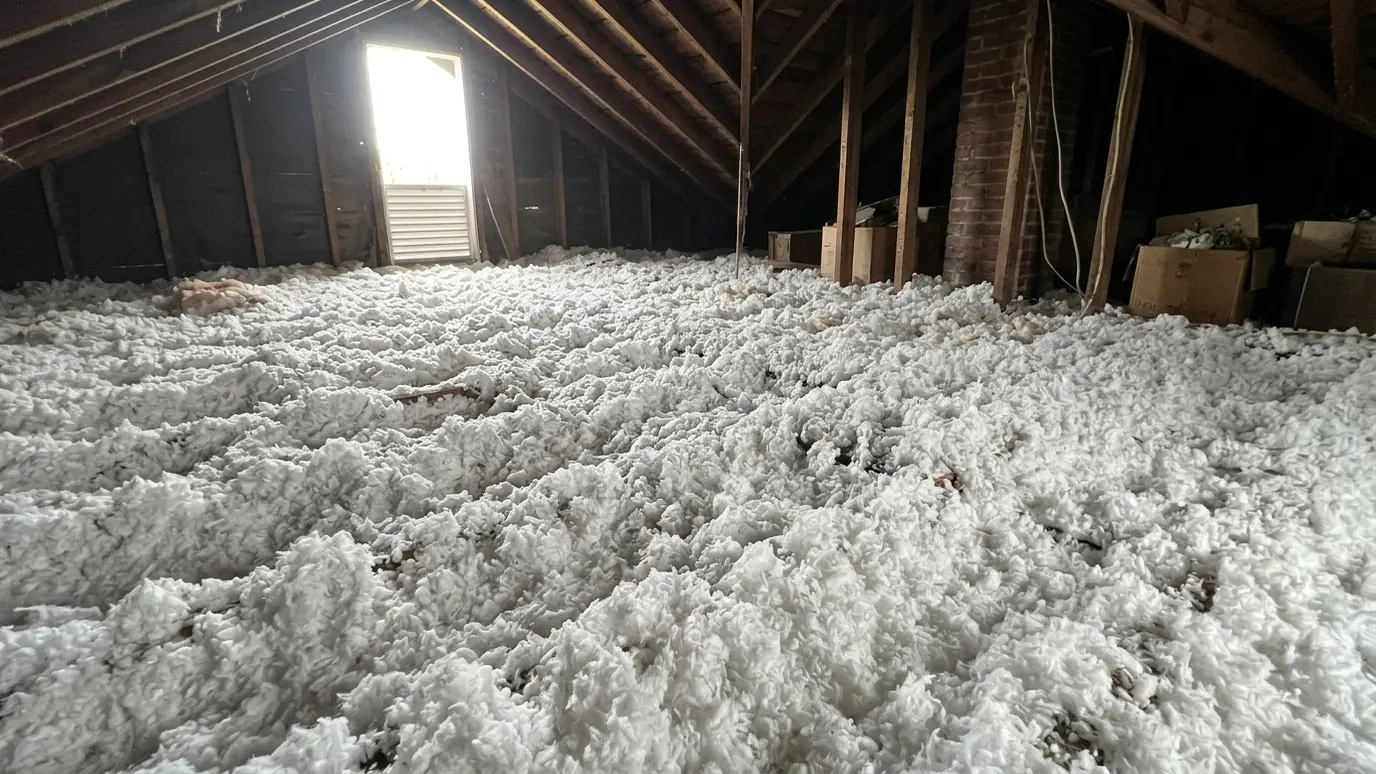
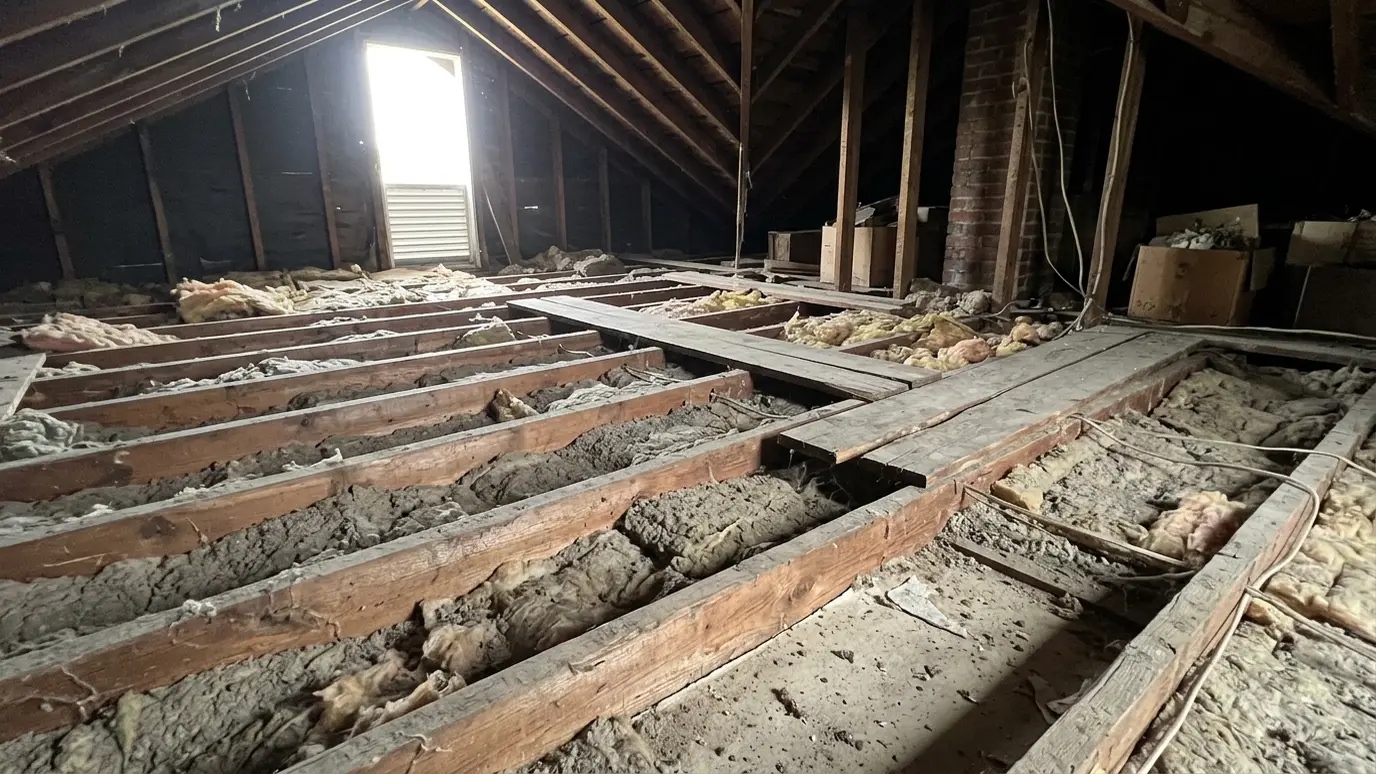 BeforeAfter
Turns back heat from the roof deck.
Adds to, not replaces, your R-value.
The shiny face stays open to air.
Cooler attic air around the air handler.
Airflow stays unobstructed.
We tell you when insulation comes first.
Every topic has its own page with what to expect and how we approach it.
 Project situationHot and Cold RoomsOne room is always too warm and another is always too cold. Here is why it happens and…Learn more
 Project situationHigh Energy BillsWhen bills climb and the house still does not feel right, the building is often the reason. Here…Learn more
 Material guideRadiant BarrierA reflective foil layer for hot attics. Here is how it works, where it helps and what it…Learn more
Enter the attic size, the material and the depth you have now to see how much to add to reach your target.
You tell us what is going on, which rooms bother you and what you hope to change, and we set a time that fits your day.
We walk the attic, walls, crawl space and equipment, measure depths and use thermal imaging when it helps.
We protect the house, seal air leaks, place baffles and fix small problems so the insulation can do its job.
Loose-fill, batts, foam or board goes in to the planned depth, with clean edges and clear markers.
We measure the result, take photos and test air leakage when the scope includes it.
We walk the finished work with you, answer questions and leave the site clean.
In our hot summers it can help, especially with ducts in the attic. Insulation and air sealing usually deliver more, so we start there.
No. It reflects radiant heat but adds very little resistance to conduction. Think of it as a complement.
Dust on an upward-facing shiny surface reduces its effect, which is why we install it facing downward under the rafters or deck.
Yes, by stapling foil to the rafters. It is slow work in a tight attic, but it is practical in most homes.
It has a small effect in winter. Its main purpose is to control summer heat gain.
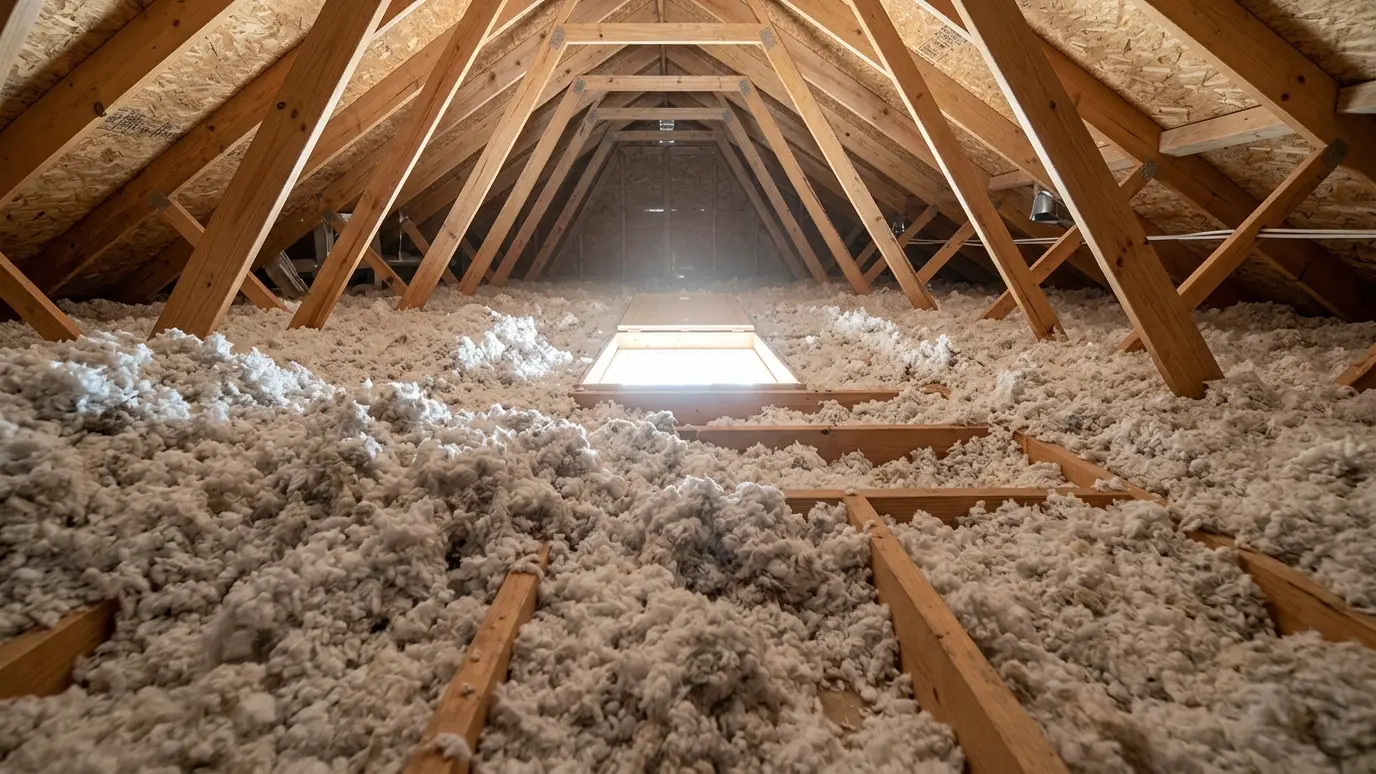 Blown-In Attic InsulationA deep, even blanket of loose-fill insulation over your ceiling, installed to a measured depth so every room…Explore
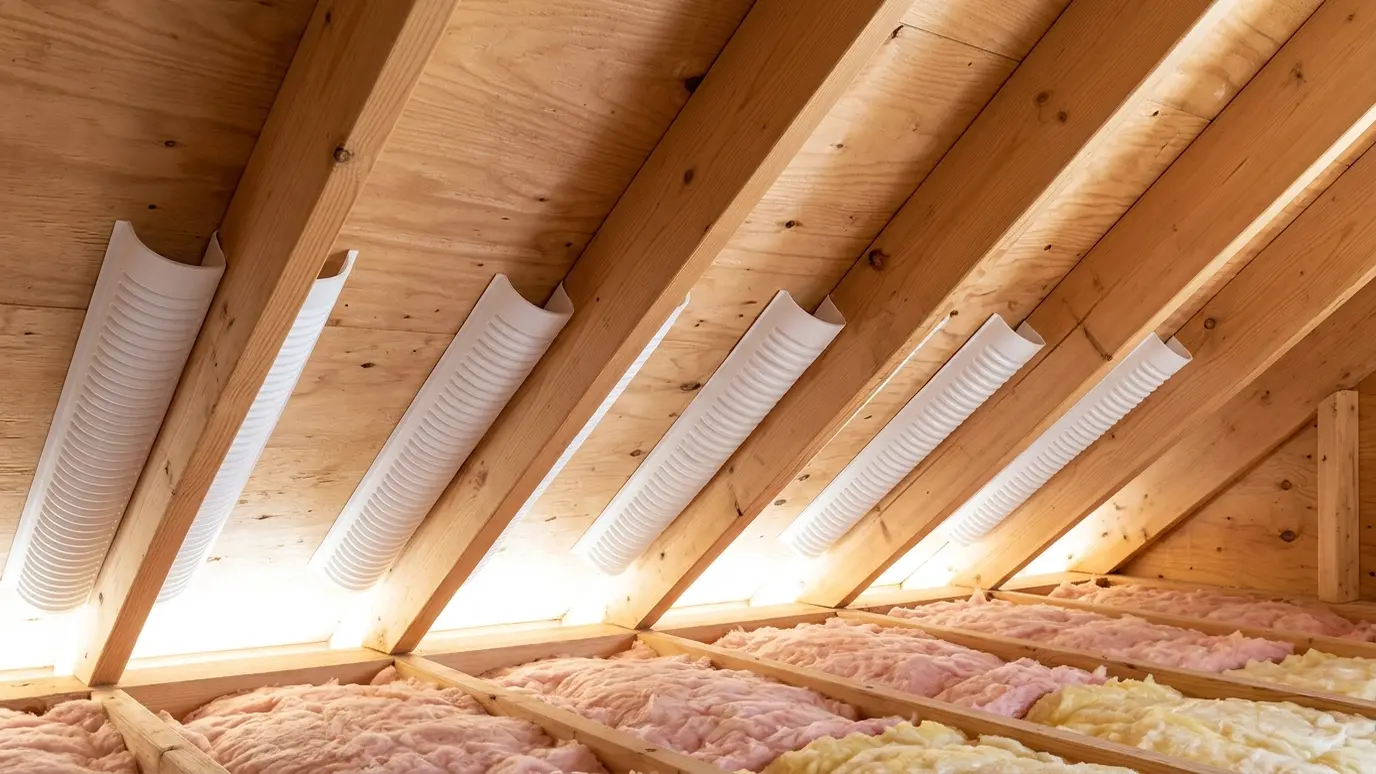 Attic Ventilation and BafflesBalanced airflow from the eaves to the ridge, so the roof deck stays dry and cooler and your…Explore
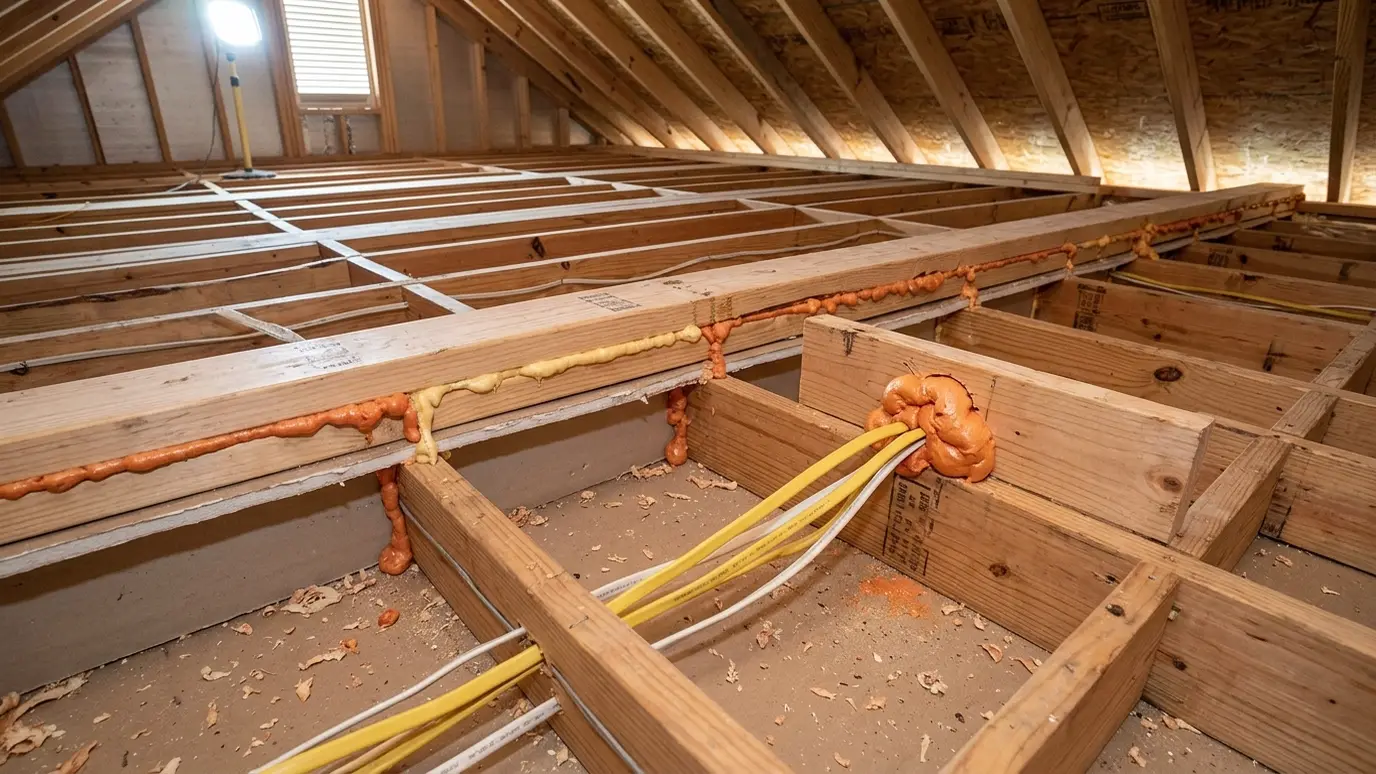 Attic Air SealingThe hidden leaks between your living space and the attic, found and sealed so conditioned air stays inside.Explore
 HVAC and Insulation PlanningInsulation and air sealing planned around your heating and cooling system, so equipment works less and lasts longer.Explore
Tell us about the project and we will call you back to talk it through.
Or call (615) 357-7797 to talk now.