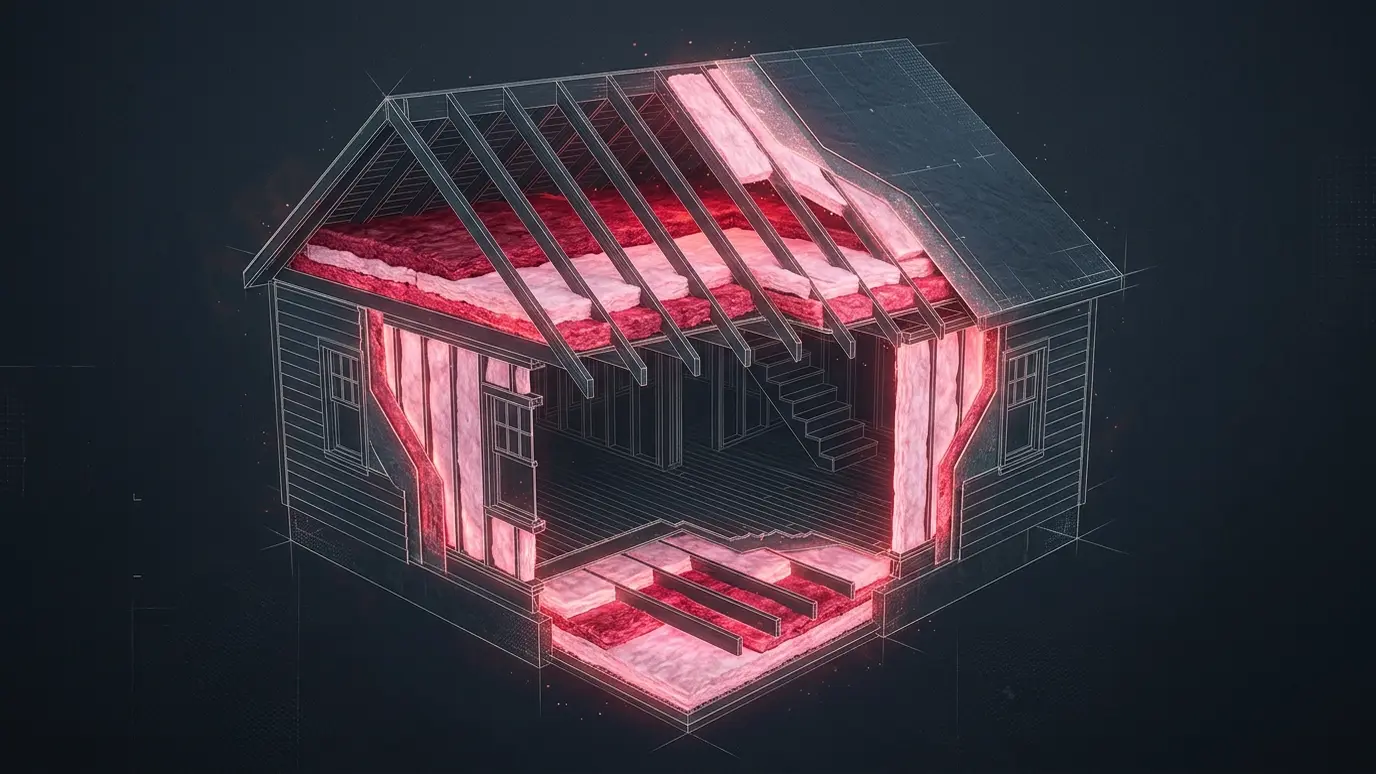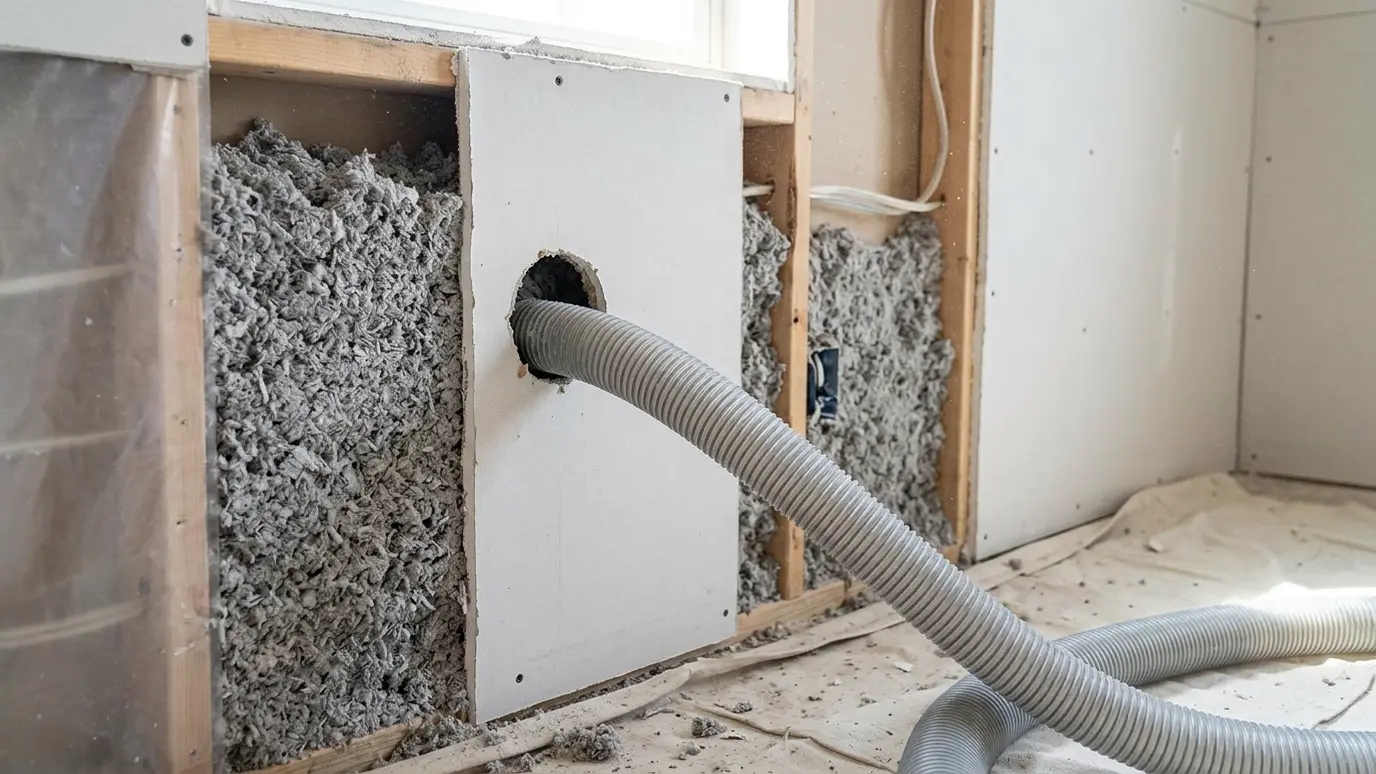
Insulation blown into closed walls through small holes, filling an existing cavity so older homes finally keep their heat.
Many older homes have empty walls or only a thin, settled layer inside them. Opening every wall would be a major project, and most owners do not want it. Dense-pack cellulose gives a way to insulate those walls from the outside or the inside with very little disruption.
We drill small holes at each cavity, pass a flexible tube to the top and fill the space with cellulose at a high density, so it resists settling and slows air movement. The holes are plugged and finished so the siding or interior wall looks as it did before.
At a proper density, cellulose fills the cavity fully and presses into small gaps. It does not sag and it slows air passing through the wall, which helps comfort as well as R-value.
Before we drill, we use thermal imaging and a borescope to find fire blocks, wiring and obstacles. We drill each cavity from the right place so nothing is left empty.
We can drill from under removed siding or from inside, depending on the finish. Outside drilling usually leaves the interior untouched, and we match the plugs to your siding.
Older walls can be damp, and a house with rot or leaks needs repair first. We check for moisture and recommend fixes before we fill anything.
Drag the handle to compare.
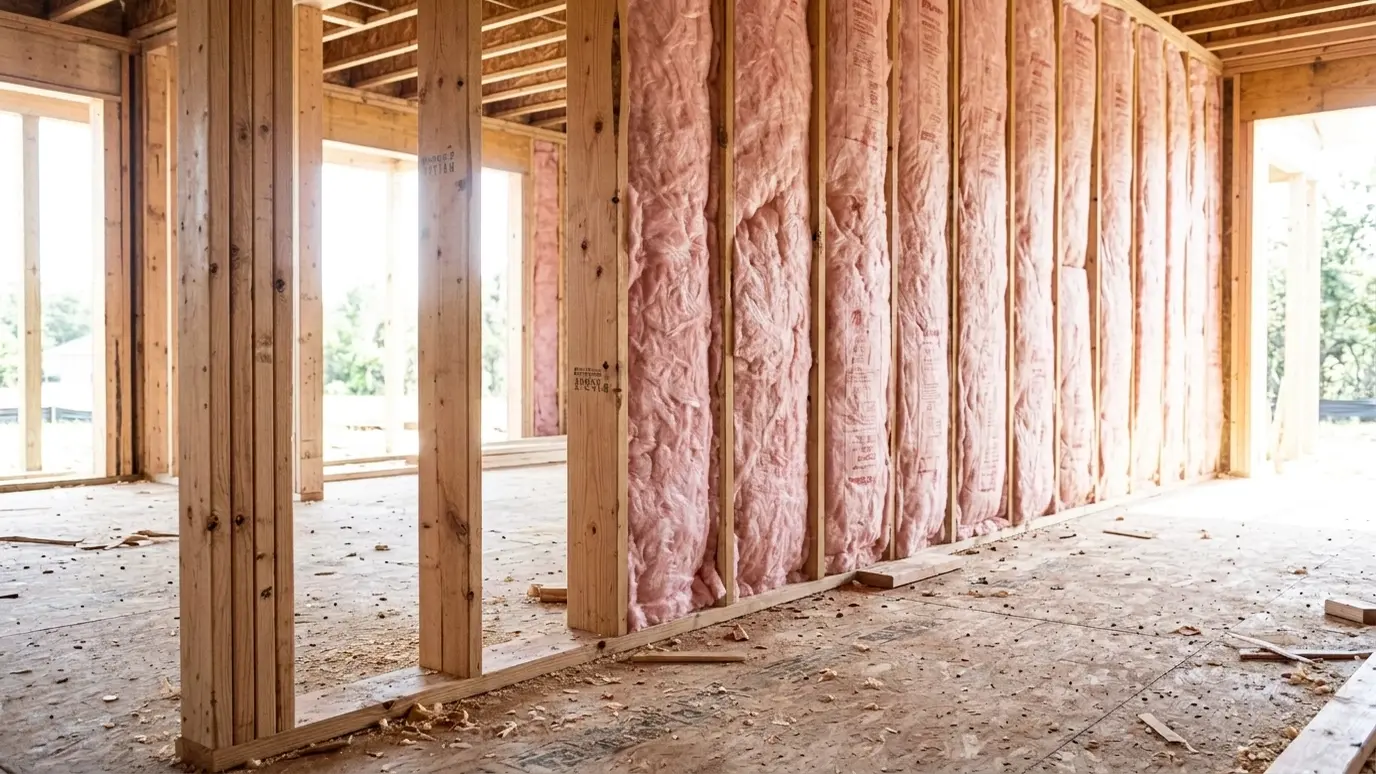
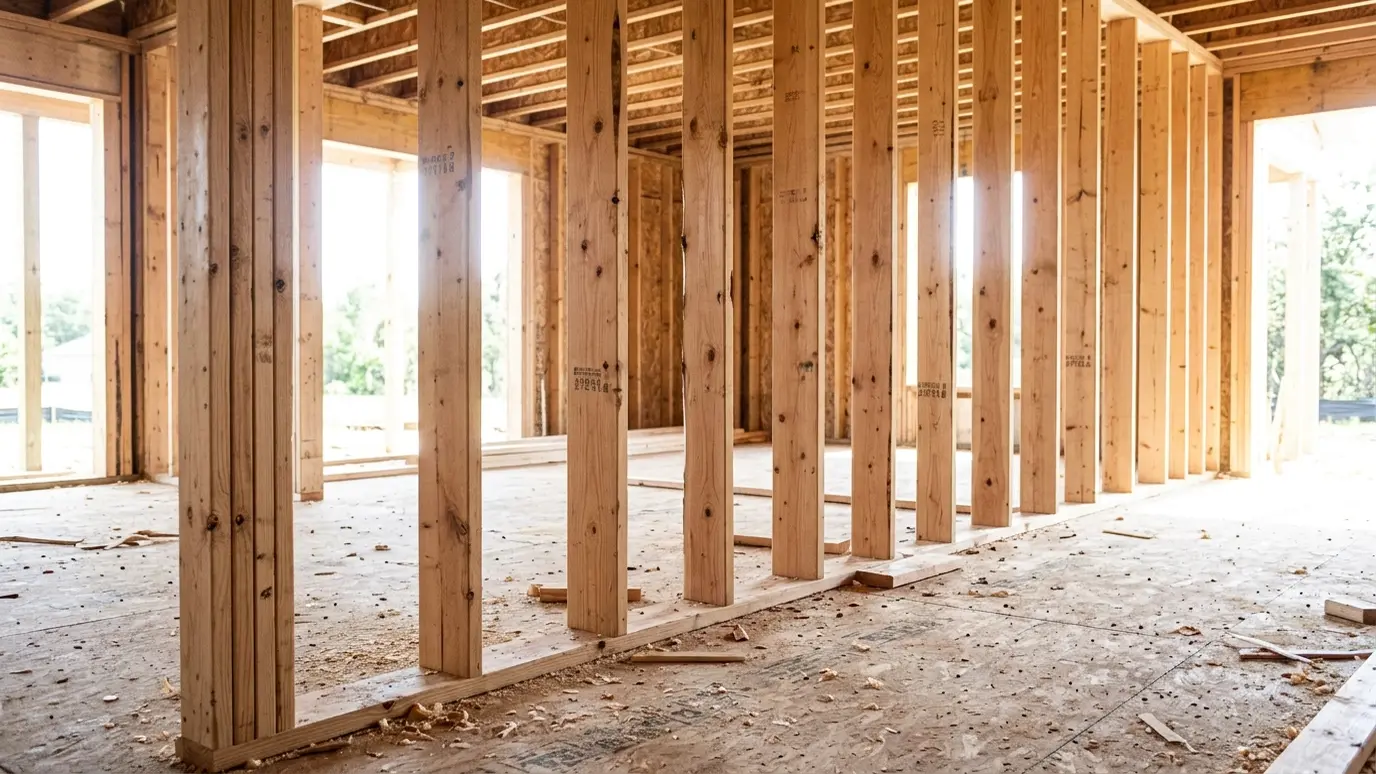 BeforeAfter
Existing cavities insulated without demolition.
Obstacles found before drilling.
Resists settling and air flow.
Whichever finish is easiest to restore.
Rot and leaks flagged first.
Holes sealed to match.
Every topic has its own page with what to expect and how we approach it.
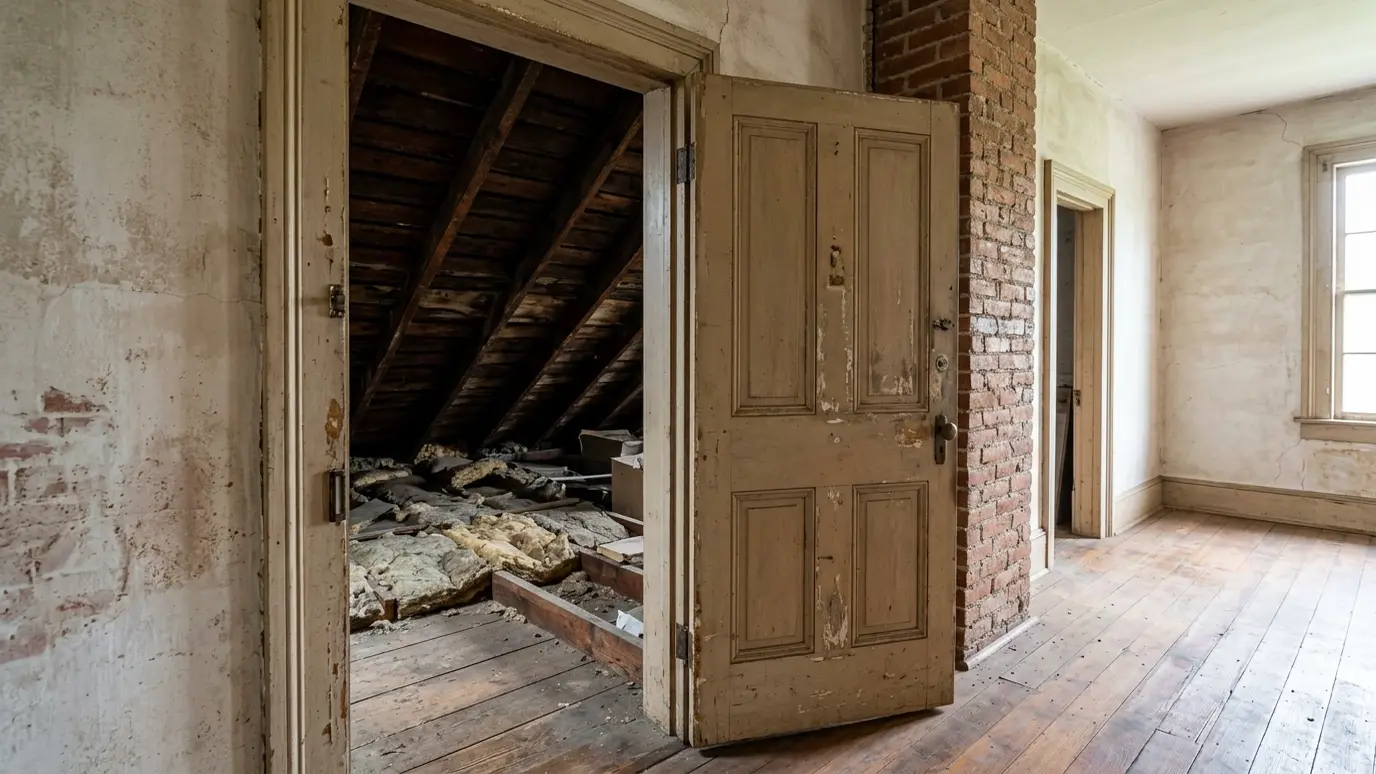 Project situationOlder HomesOlder houses have charm and hidden challenges, from empty walls to unsealed attics. Here is how to improve…Learn more
 Project situationHot and Cold RoomsOne room is always too warm and another is always too cold. Here is why it happens and…Learn more
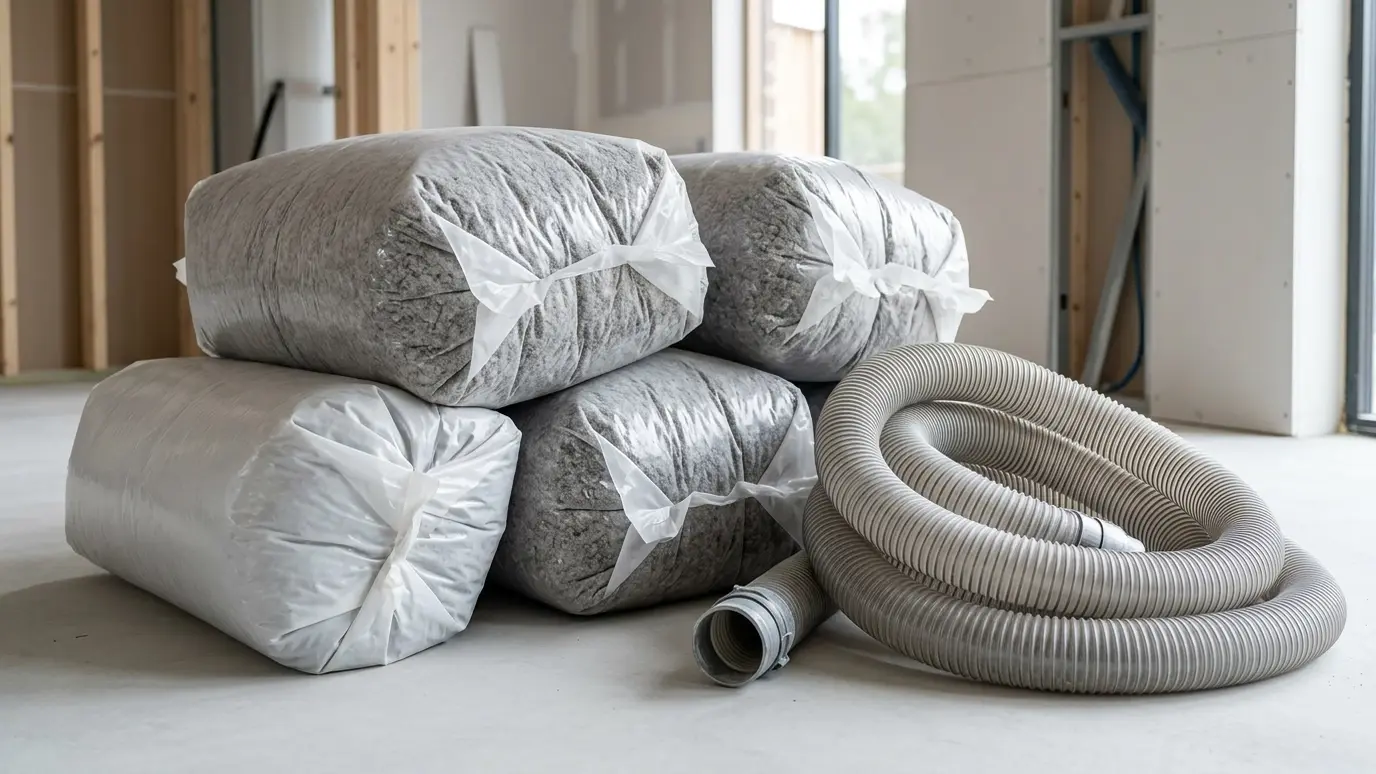 Material guideCelluloseRecycled paper fiber, treated for fire and pests, installed loose or dense-packed. Here is where it shines.Learn more
Enter the wall or floor area and the stud spacing to see how many batts or rolls to plan for, with an allowance for waste.
You tell us what is going on, which rooms bother you and what you hope to change, and we set a time that fits your day.
We walk the attic, walls, crawl space and equipment, measure depths and use thermal imaging when it helps.
We protect the house, seal air leaks, place baffles and fix small problems so the insulation can do its job.
Loose-fill, batts, foam or board goes in to the planned depth, with clean edges and clear markers.
We measure the result, take photos and test air leakage when the scope includes it.
We walk the finished work with you, answer questions and leave the site clean.
No. We drill small holes, fill the cavity and patch the holes. The surrounding plaster stays intact.
At dense-pack density it holds its shape. We install it to a specified density to avoid settling.
Cellulose is treated with borate-based products to slow flame spread and discourage pests. We use products from established makers and share their data.
Solid brick has no cavity to fill. We review the wall type and recommend the right approach, which may be interior insulation or air sealing only.
A typical home takes one to three days, depending on size, siding and access.
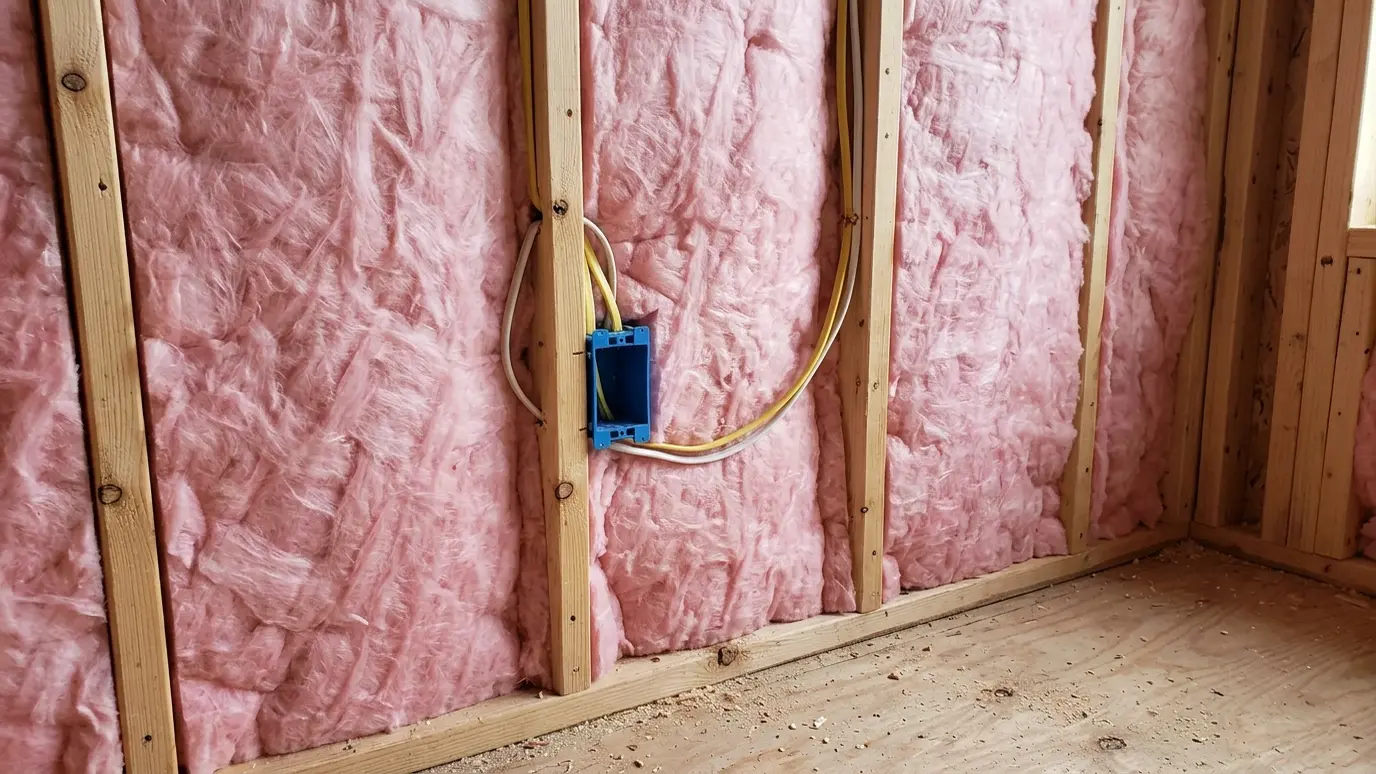 Fiberglass Batt InsulationPrecisely fitted batts in walls, floors and ceilings, cut around wiring and boxes so the cavity is filled…Explore
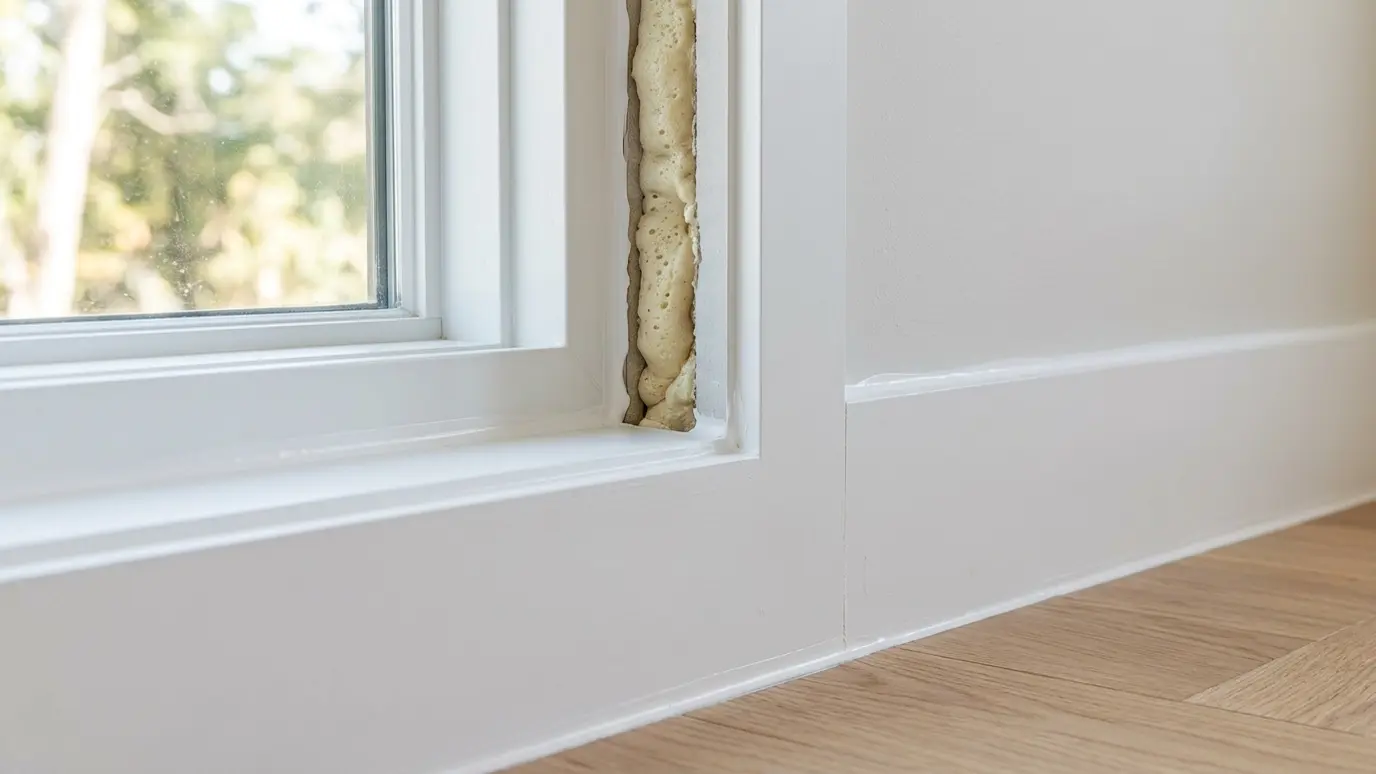 Whole-Home Air SealingEvery major leak in your home found and closed, from attic and basement to the small gaps around…Explore
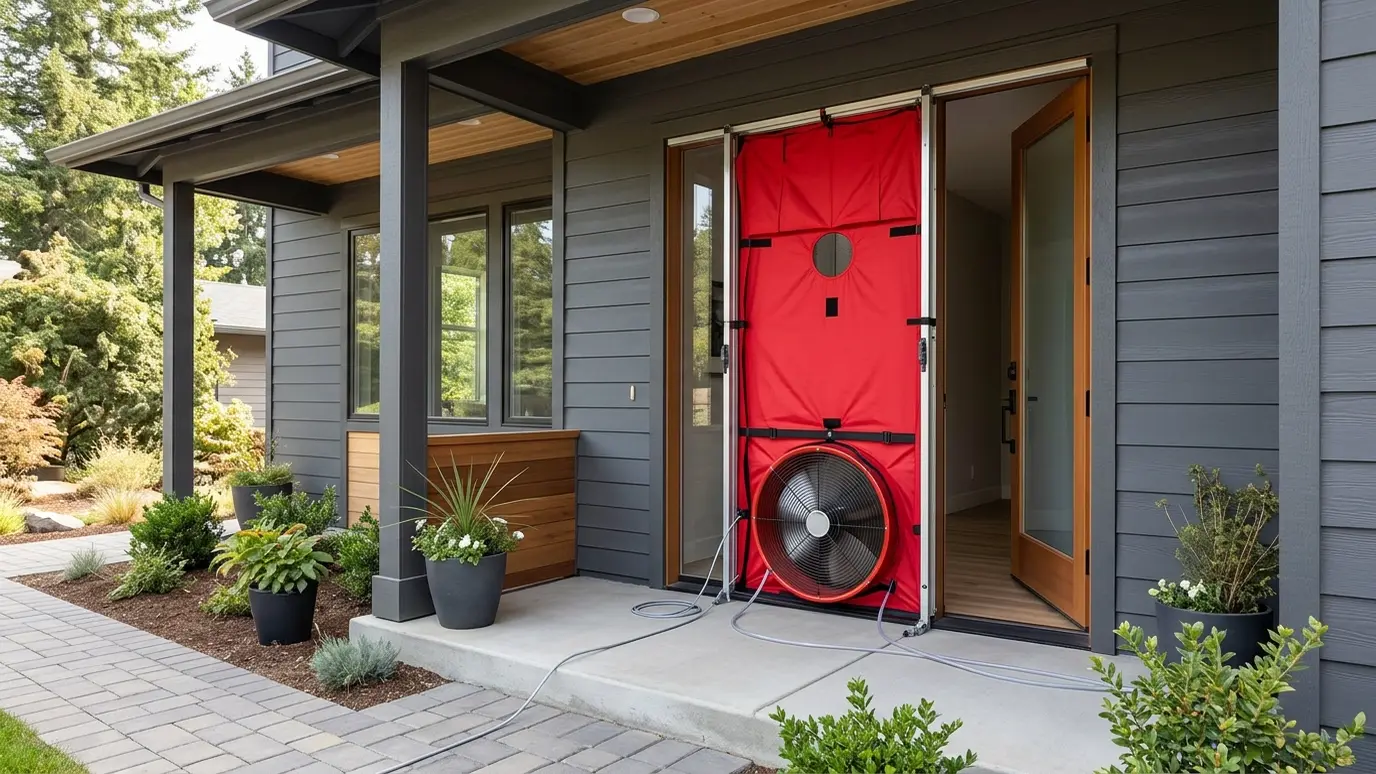 Blower Door and Thermal ImagingA fan test and a thermal camera that show exactly where air and heat escape, so repairs go…Explore
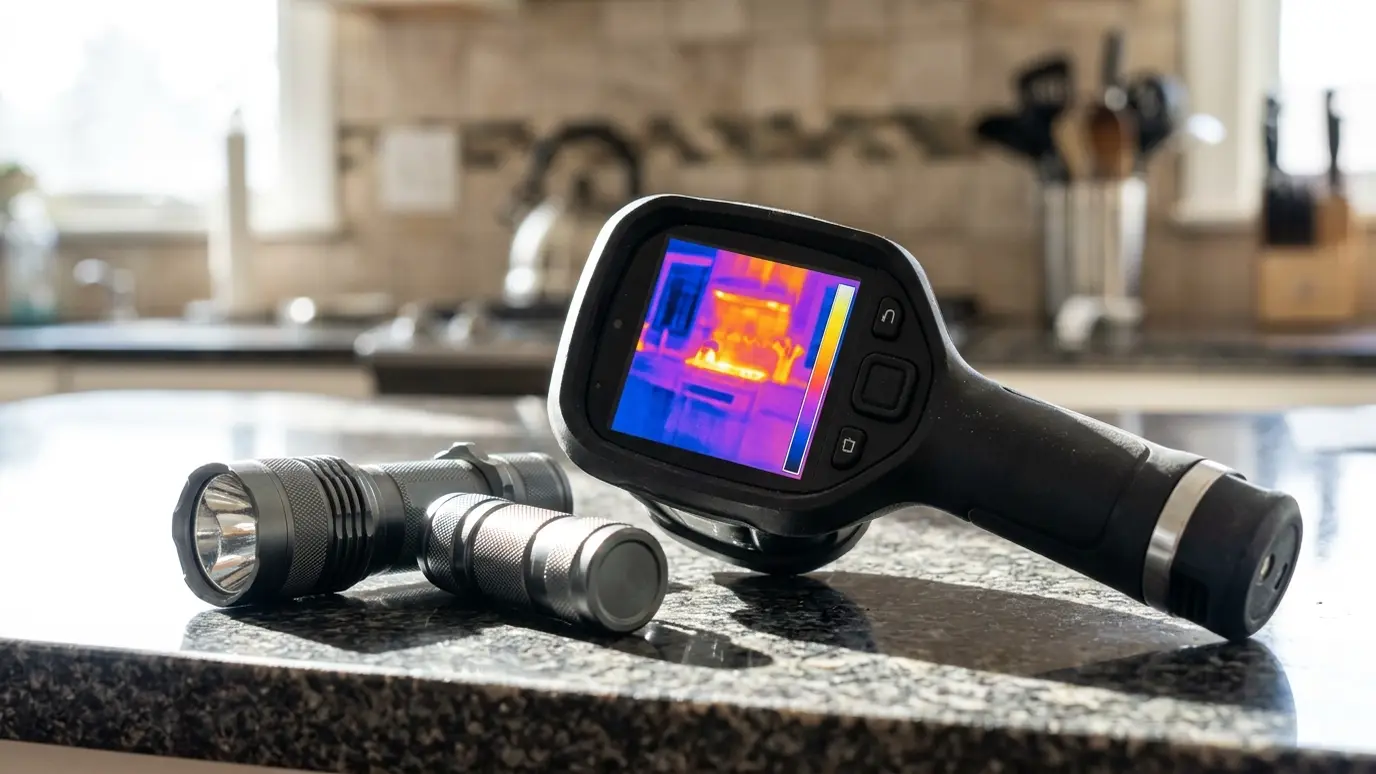 Home Energy AuditsA whole-house assessment that finds where your home loses comfort and energy and ranks the fixes in the…Explore
Tell us about the project and we will call you back to talk it through.
Or call (615) 357-7797 to talk now.