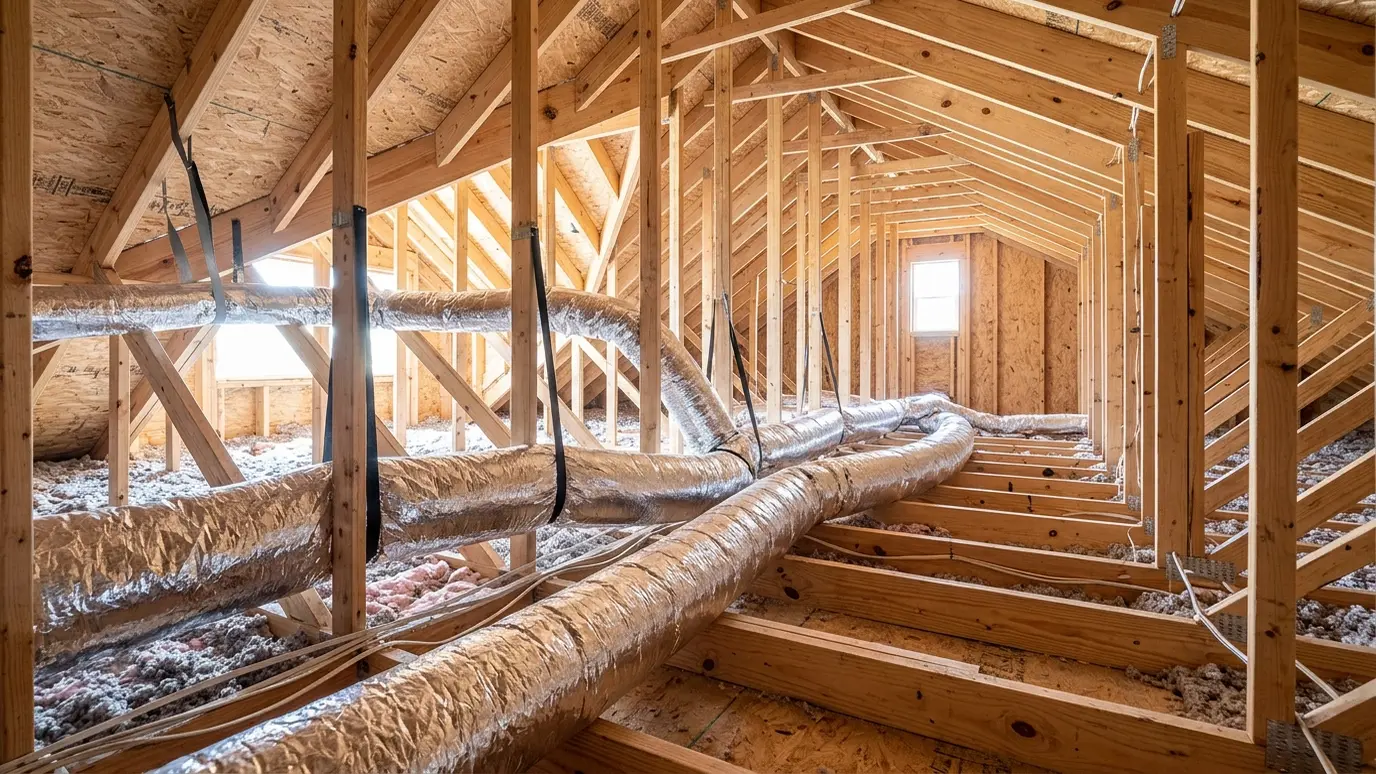
How ducts lose air
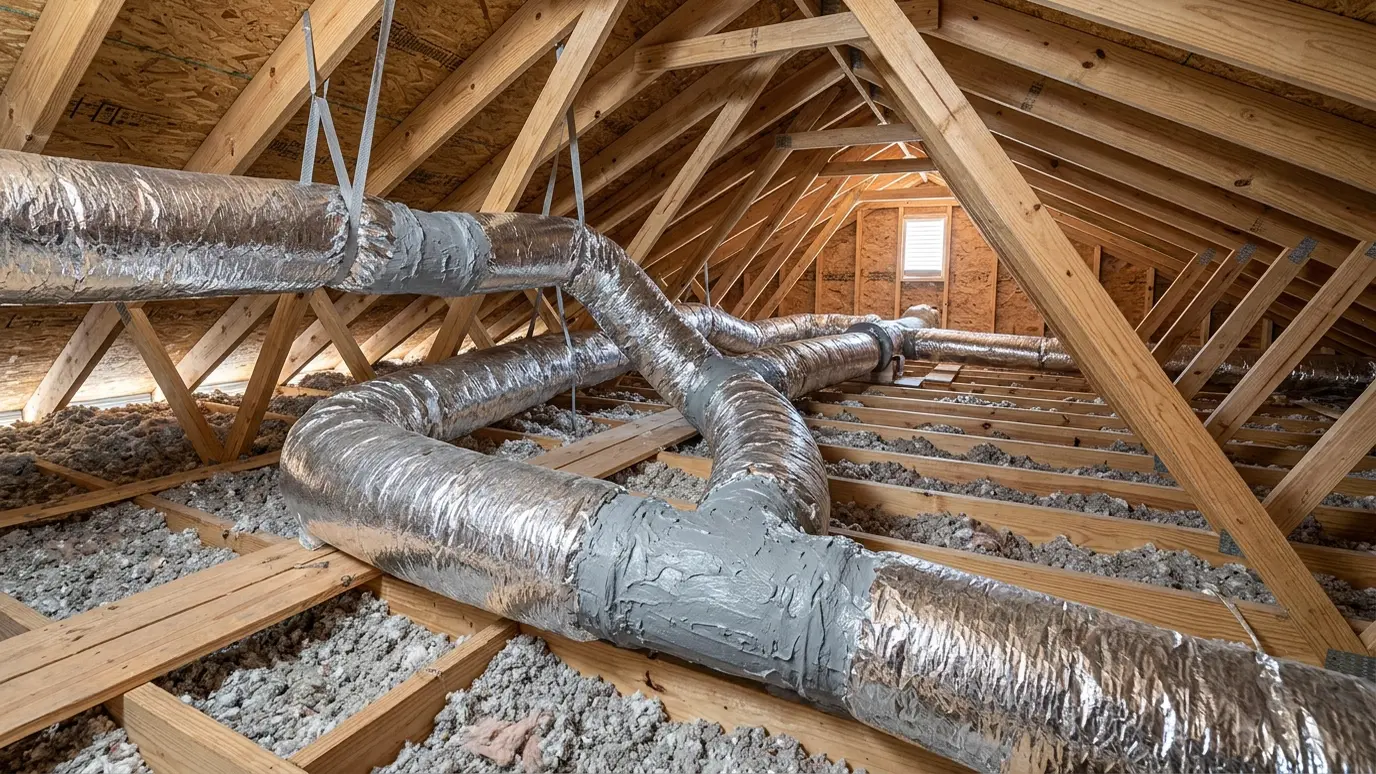
Seams, boots and connections leak, and the leaks are often in unconditioned spaces. Conditioned air escapes into the attic or crawl space.
Rooms at the end of the run suffer first.
Signs of trouble
Weak airflow, dusty rooms, high bills and a house that never catches up are clues. Visible gaps and torn tape confirm it.
A duct test measures leakage.
Seal with mastic
Mastic coats the seams and stays flexible. Metal tape is acceptable for some connections. Cloth tape dries out and fails.
Seal boots at the register too.
Insulate the ducts
Ducts in a hot attic or damp crawl space need insulation. Wrap seals joints, and wrap reduces heat gain and condensation.
R-value requirements vary by location.
Repair and replace
Crushed or disconnected runs reduce airflow. Badly damaged ducts are better replaced.
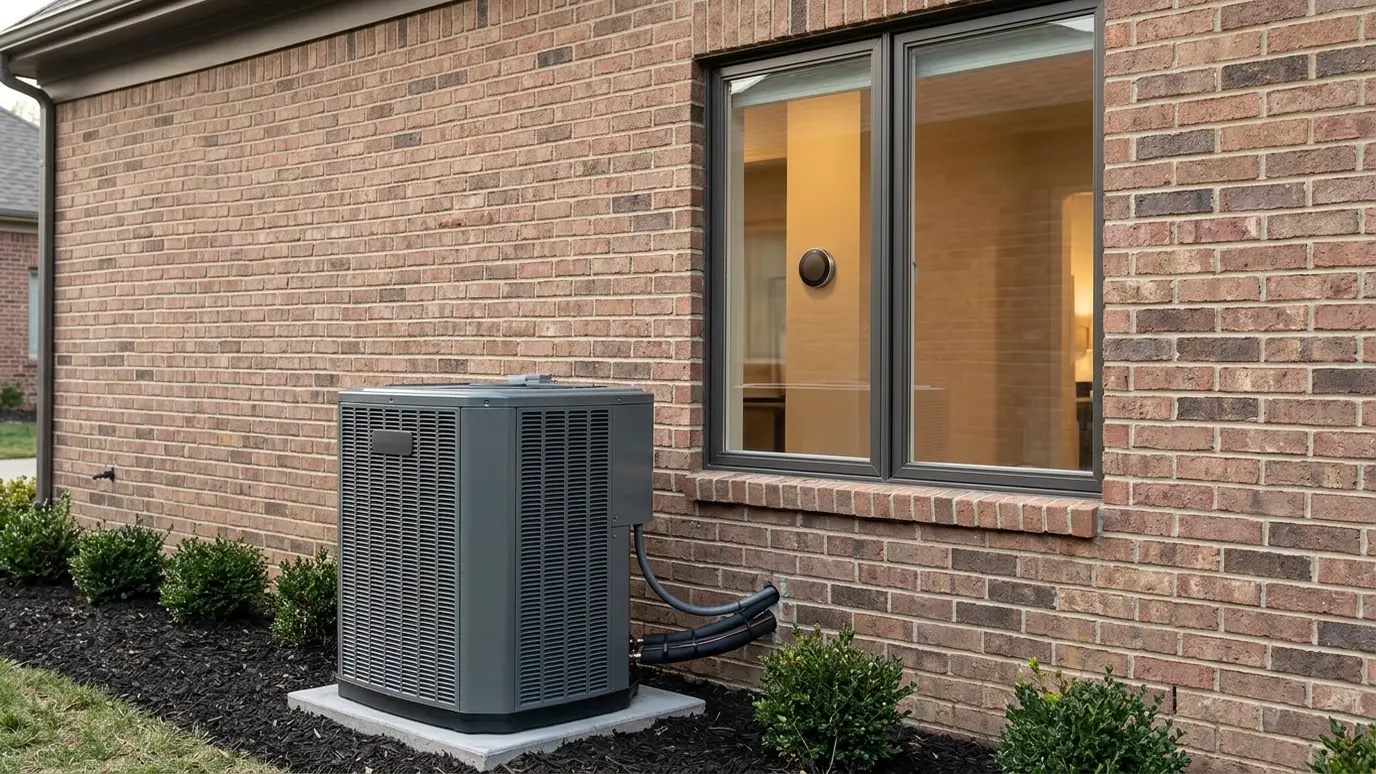
An HVAC pro can help with design and balancing.
Think about the whole system
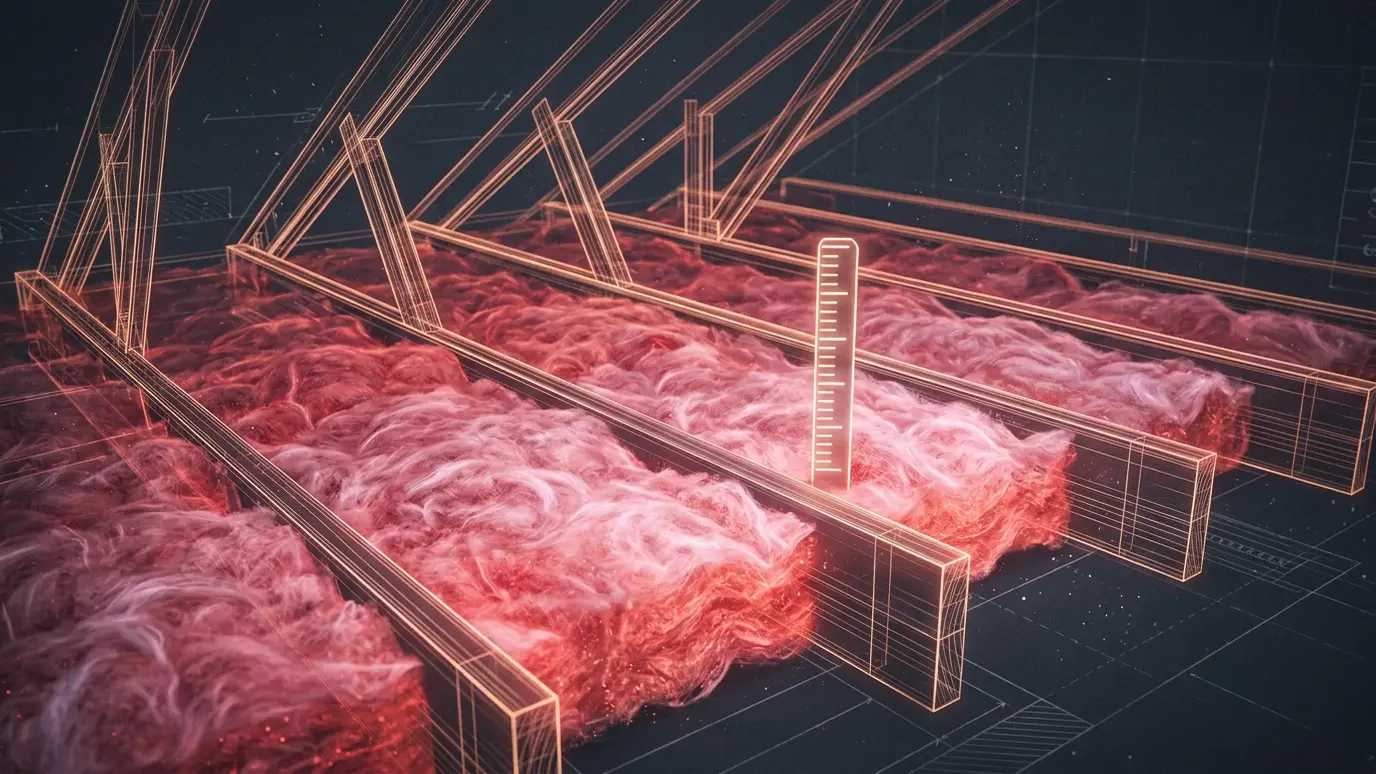
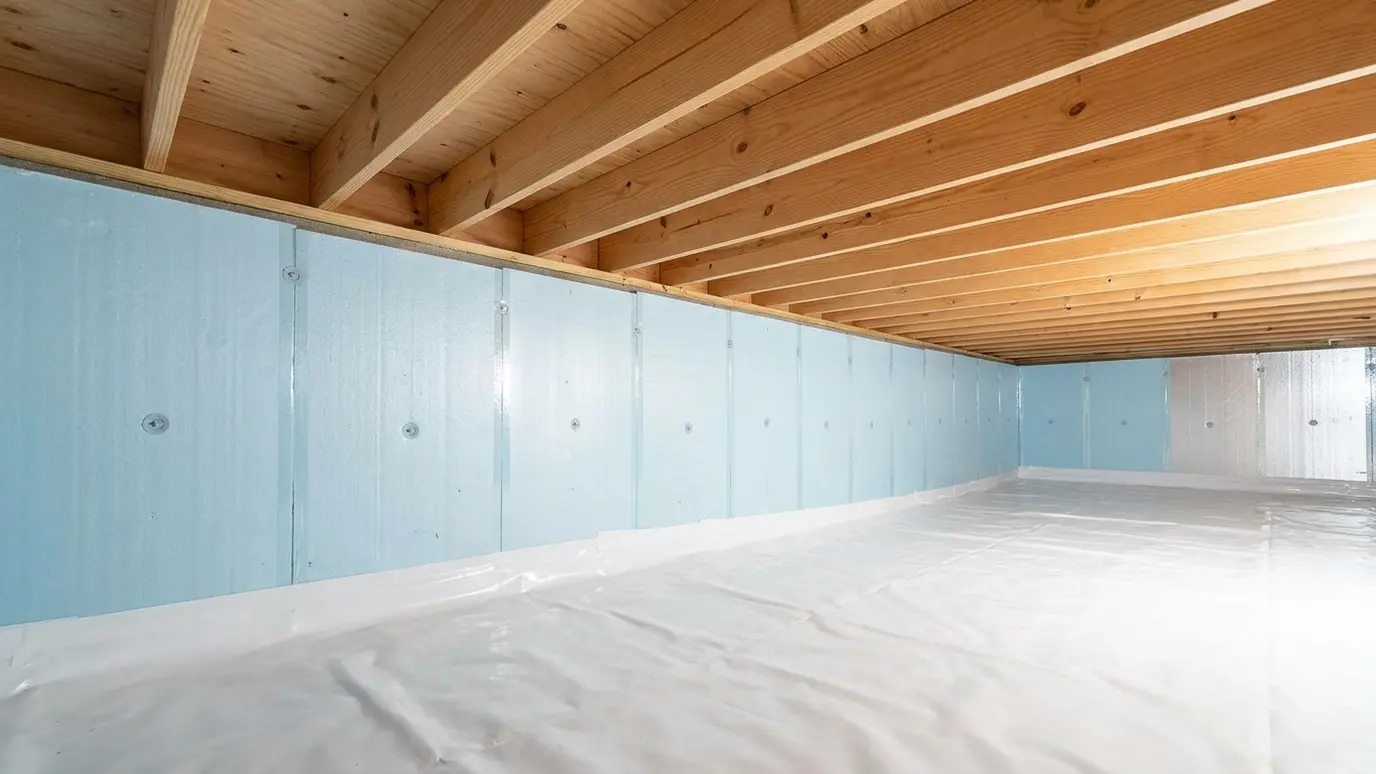
Duct work works with insulation and equipment. A sealed attic and a conditioned duct space can solve several issues at once.
We coordinate with your HVAC provider.
Seal the seams with mastic, wrap the ducts and involve your HVAC pro for repairs.