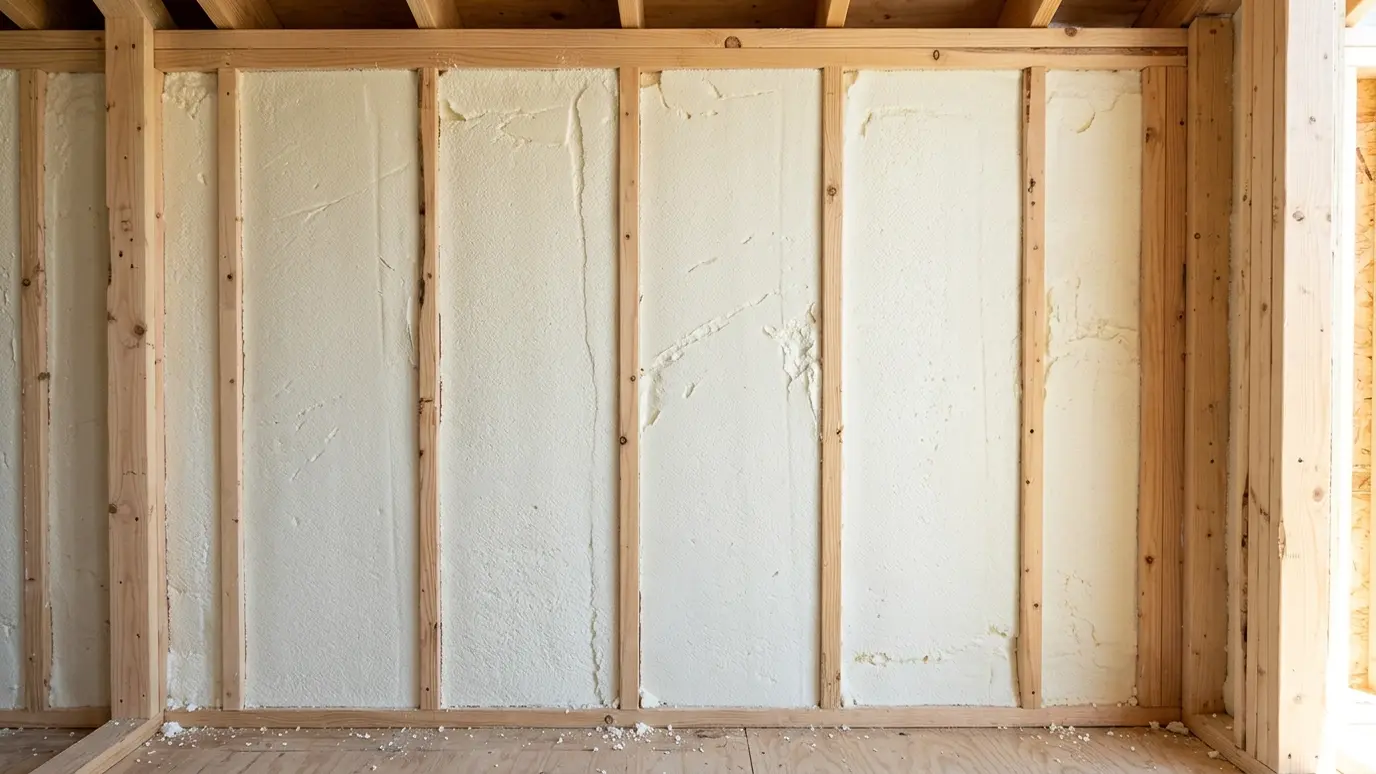
A dense, rigid foam with high R-value per inch that also resists moisture, ideal for tight spaces, rim joists and crawl walls.
Closed-cell spray foam expands into a firm, dense layer with a very high R-value per inch. It bonds to the surface, seals air leaks and acts as a vapor retarder, so it earns its place in spaces that are cramped, damp or structurally demanding.
We use it where its strengths matter: rim joists, crawl space walls, roof decks, foundation walls and metal buildings. A trained crew sprays in controlled passes, trims the surface and checks thickness, so you get the depth you need and no more.
Tight cavities, rim joists and crawl space walls benefit from its high R-value per inch and its resistance to moisture. It is a strong choice below grade and on a roof deck.
Closed-cell foam adds some rigidity to the wall or roof it bonds to. That is useful in metal buildings, pole barns and thin framing.
Because it is a vapor retarder and resists liquid water, it suits basements, crawl spaces and flood-prone areas when the structure around it is sound.
Spray foam is a chemical process. We protect the work area, ventilate, ask occupants to stay out during application and follow the manufacturer cure time before re-entry.
Drag the handle to compare.
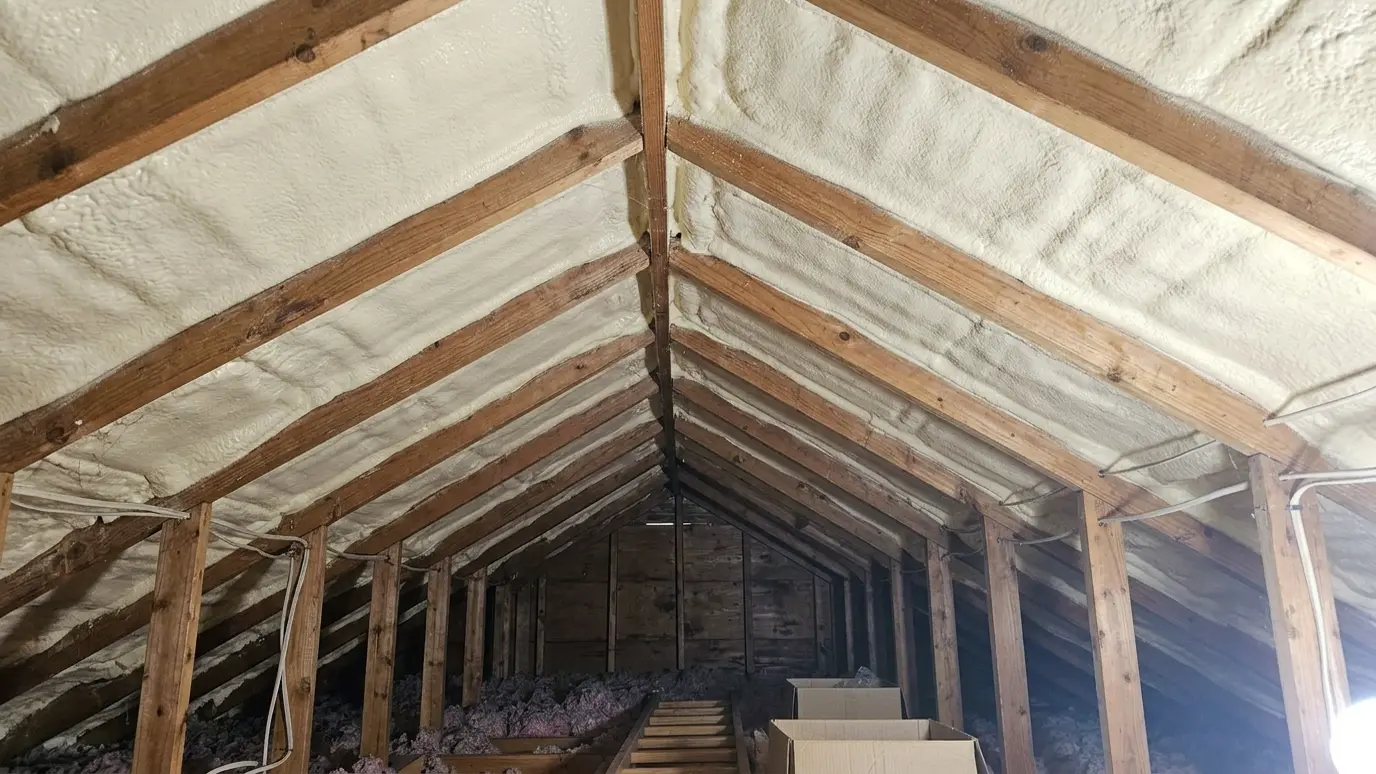
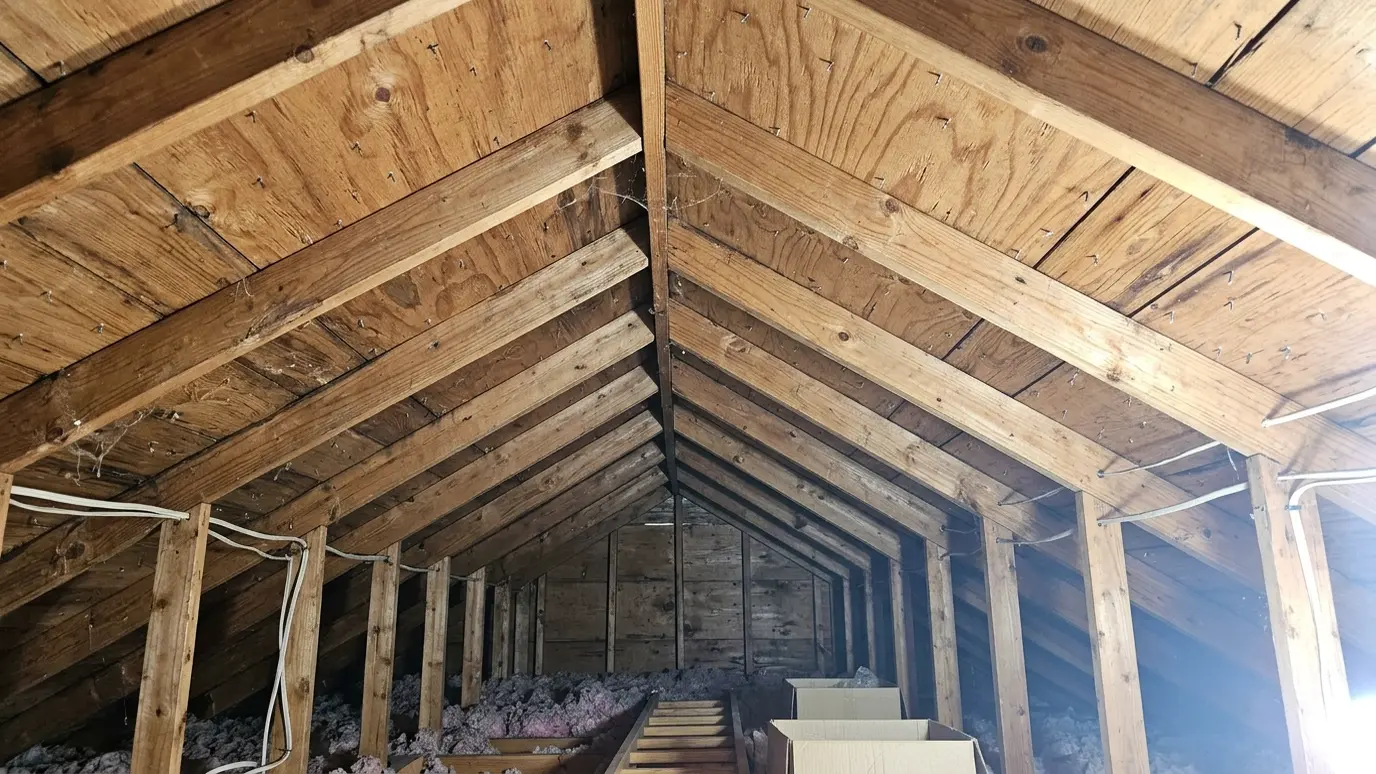 BeforeAfter
Suited to crawl spaces and foundation walls.
More performance in less depth.
Bonds into gaps and seams.
Useful in metal and thin framing.
Measured with a depth gauge.
Protected, ventilated and cured.
Every topic has its own page with what to expect and how we approach it.
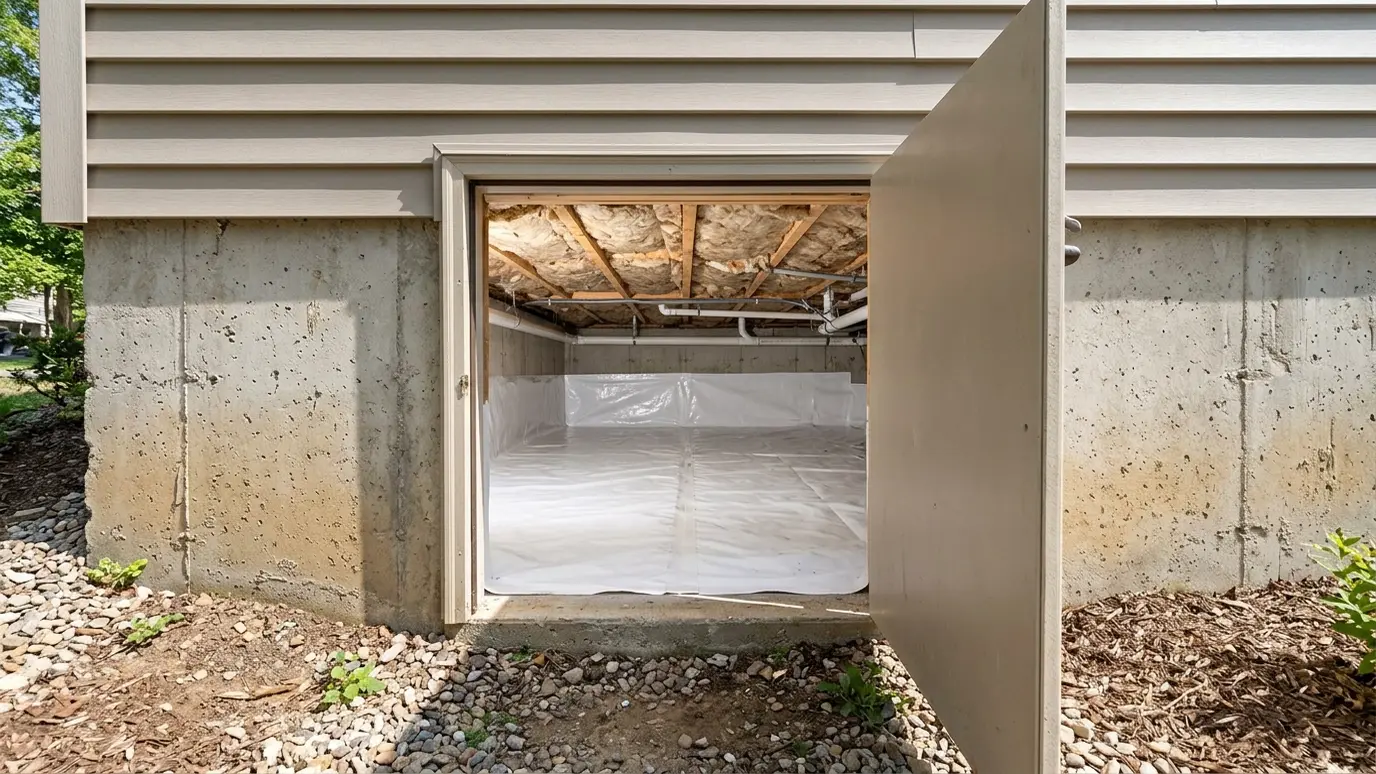 Project situationCrawl Space HomesIn our humid climate, the crawl space shapes the comfort of your floors and the air in your…Learn more
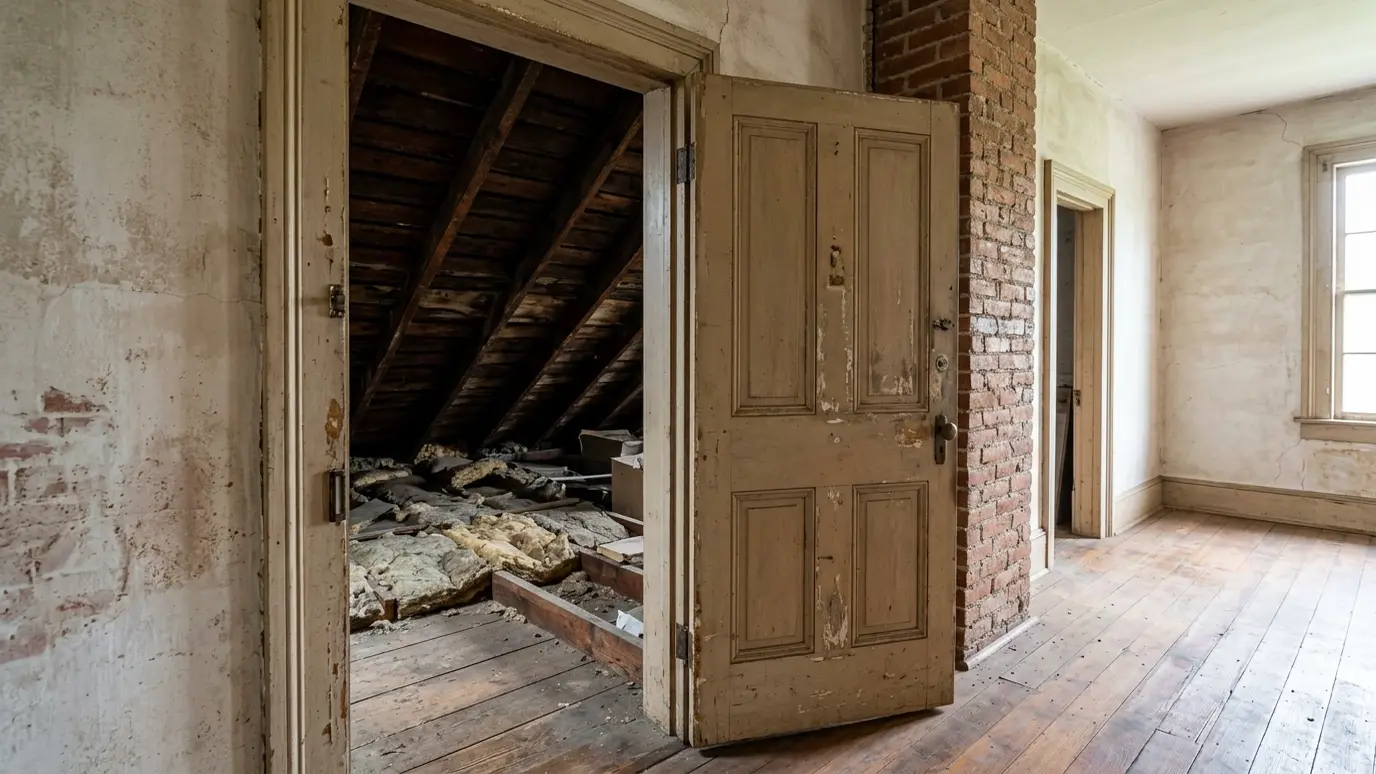 Project situationOlder HomesOlder houses have charm and hidden challenges, from empty walls to unsealed attics. Here is how to improve…Learn more
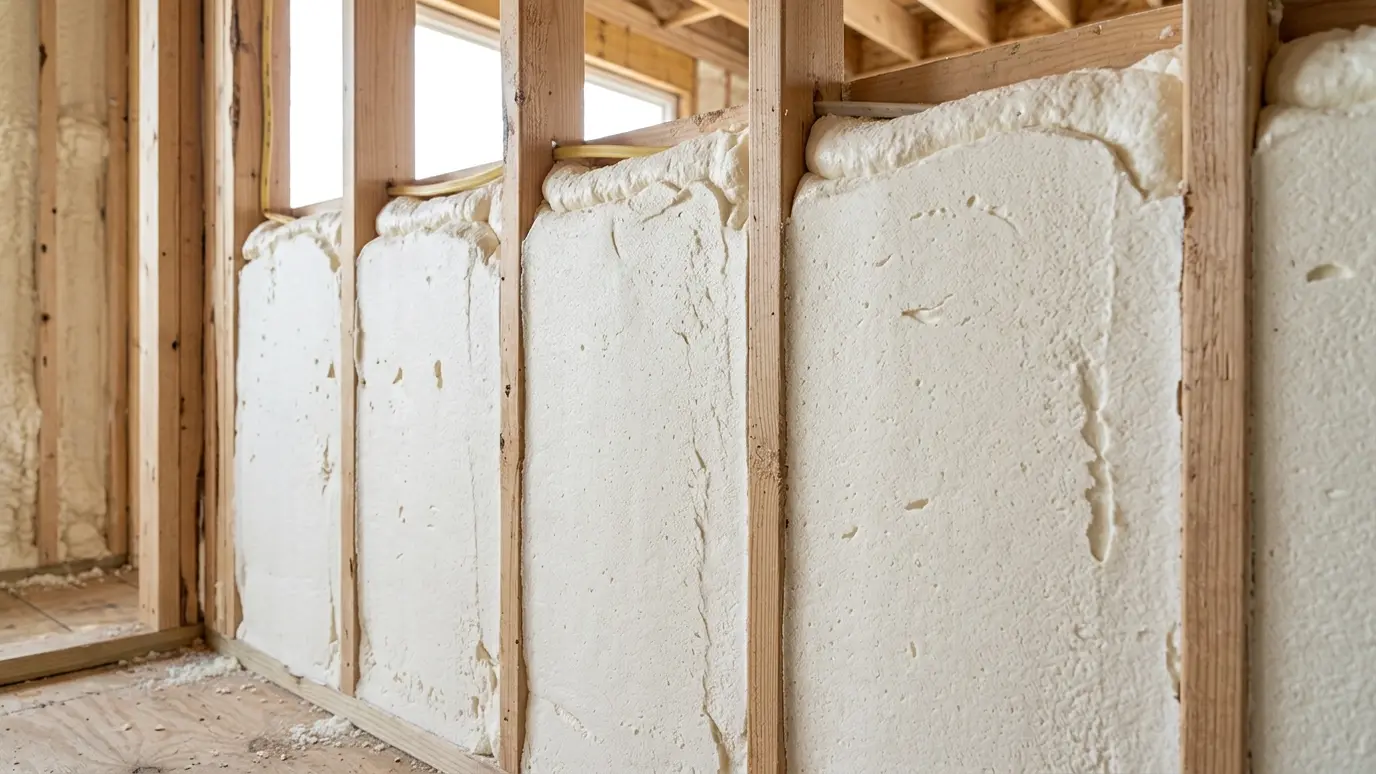 Material guideSpray FoamOpen-cell and closed-cell foam insulate and seal in one step. Here is how to choose and what to…Learn more
Enter the area and the thickness to see board feet of foam and the approximate R-value for open-cell and closed-cell.
You tell us what is going on, which rooms bother you and what you hope to change, and we set a time that fits your day.
We walk the attic, walls, crawl space and equipment, measure depths and use thermal imaging when it helps.
We protect the house, seal air leaks, place baffles and fix small problems so the insulation can do its job.
Loose-fill, batts, foam or board goes in to the planned depth, with clean edges and clear markers.
We measure the result, take photos and test air leakage when the scope includes it.
We walk the finished work with you, answer questions and leave the site clean.
For rim joists, crawl walls and roof decks it often is, because it does several jobs at once. For open attic floors, loose-fill usually costs less.
In occupied or accessible spaces, a thermal or ignition barrier is typically required. We review the requirement for each project.
The wall should be sound and the source of water fixed first. Foam does not cure a leak.
Applied by trained crews and given its full cure time, it is stable. We follow the manufacturer safety guidance and keep occupants out during application.
A short, mild odor is common right after installation. A correct mix and ventilation help it clear quickly.
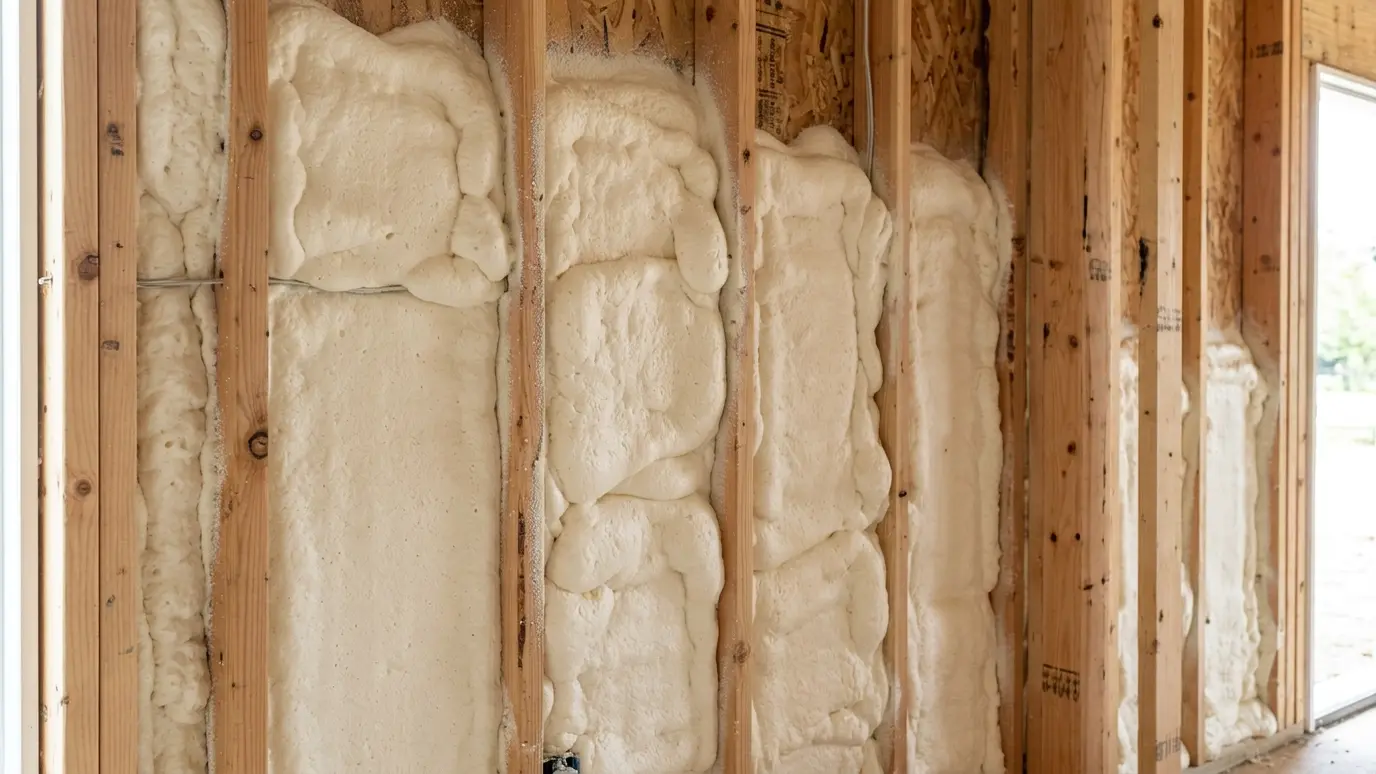 Open-Cell Spray FoamA soft, expanding foam that fills every nook, seals air leaks and dampens sound in walls, ceilings and…Explore
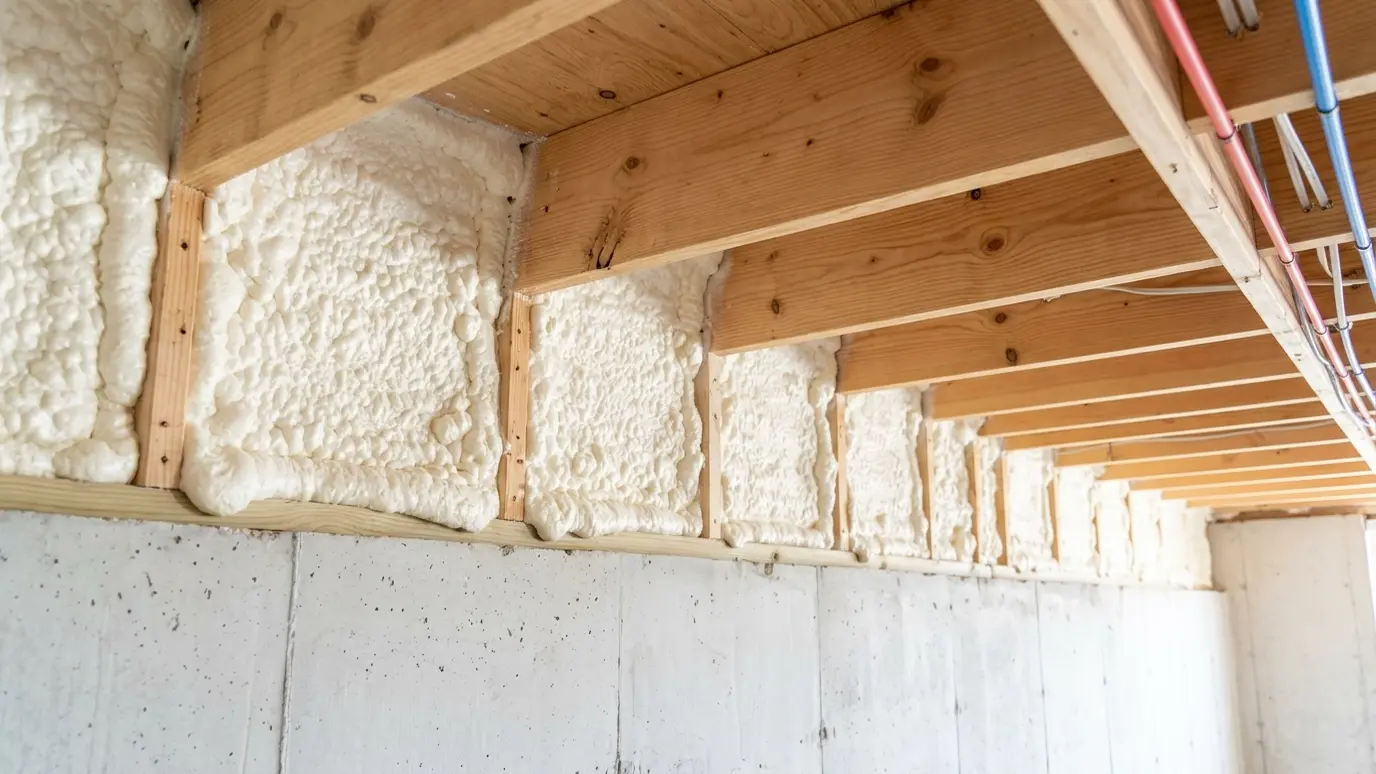 Rim Joist InsulationThe leaky band around the top of your foundation, sealed and insulated so drafts and cold floors stop…Explore
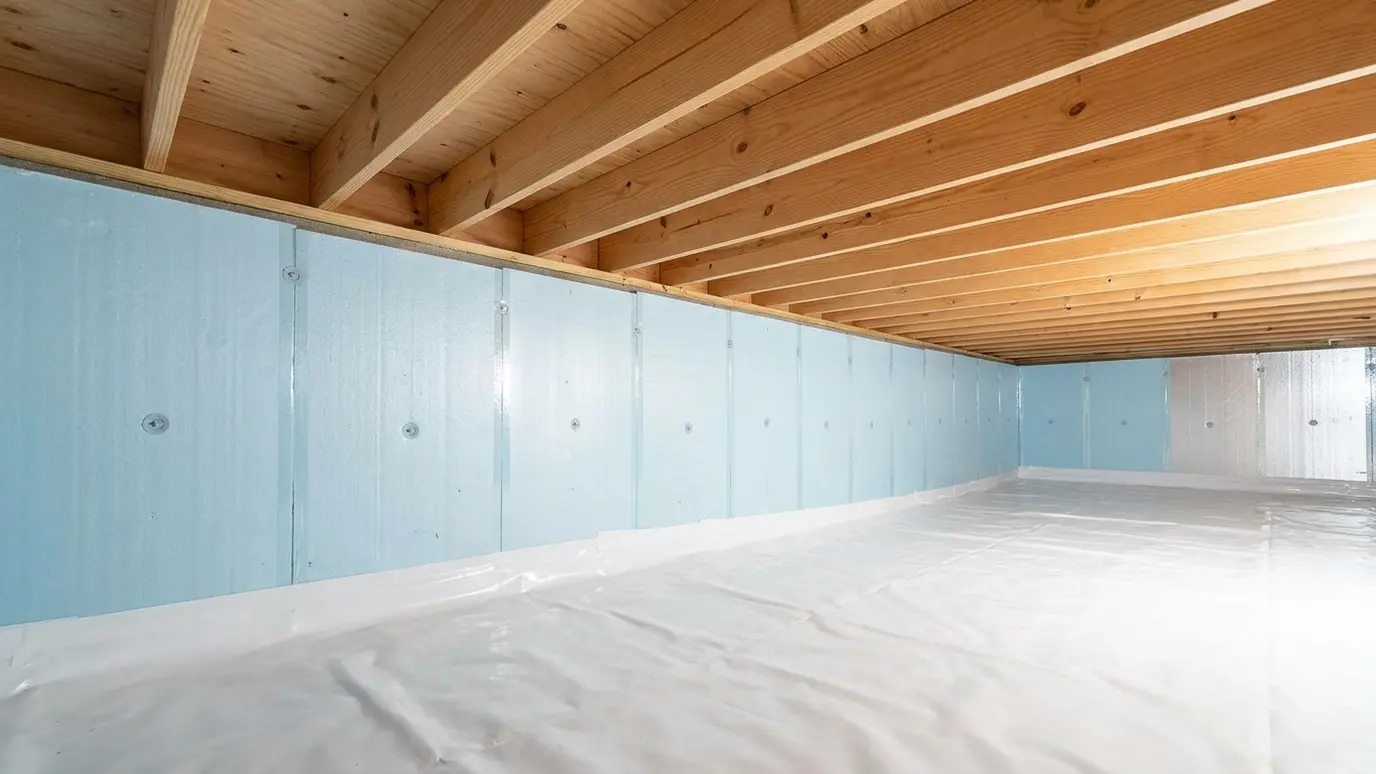 Crawl Space InsulationInsulation on the walls or under the floor, chosen for your crawl space so the house above stays…Explore
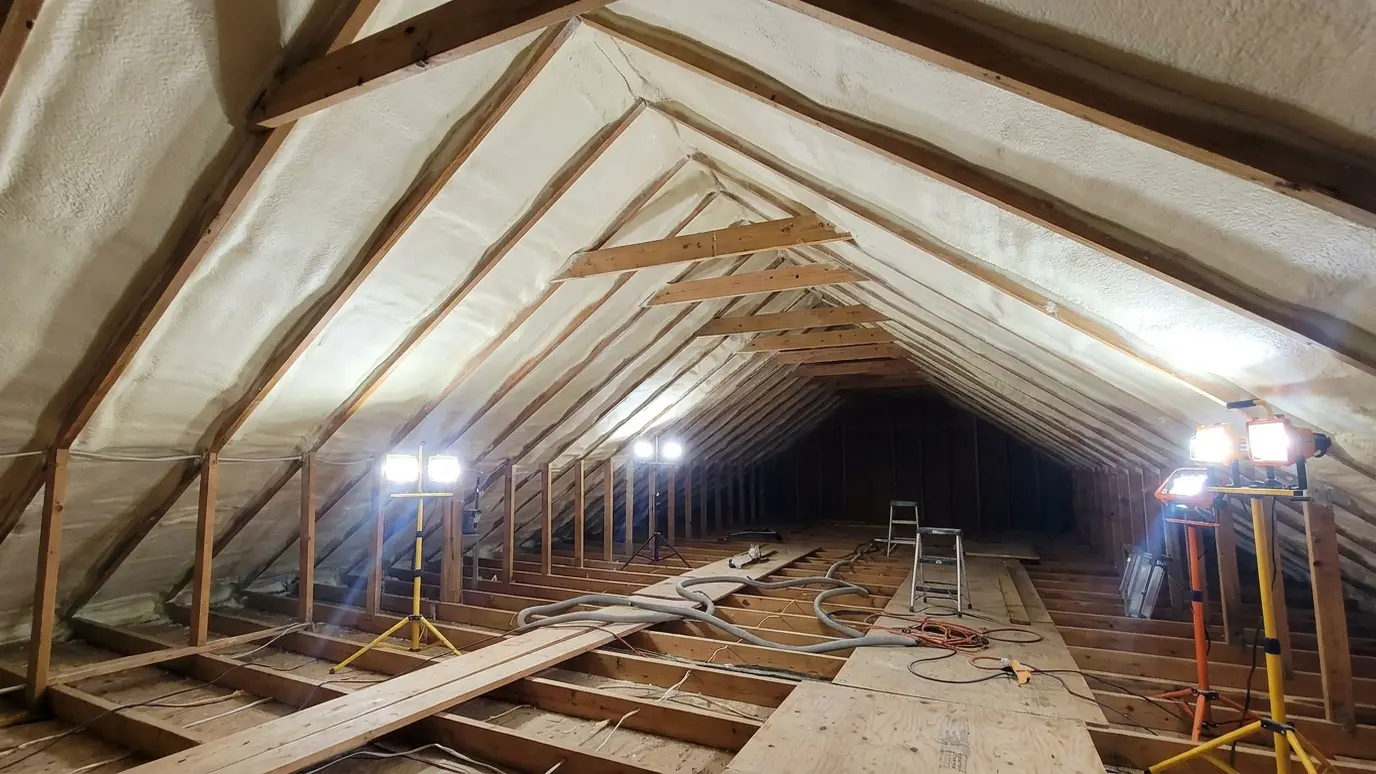 Unvented Attic Spray FoamSpray foam on the underside of the roof deck, turning the attic into a conditioned space that protects…Explore
Tell us about the project and we will call you back to talk it through.
Or call (615) 357-7797 to talk now.