Three ways moisture moves
Liquid water enters through leaks and flooding. Vapor drifts through materials. Moist air travels through gaps and carries a lot of water.
Air leaks usually move far more moisture than vapor diffusion does.
Humid summers and cool surfaces
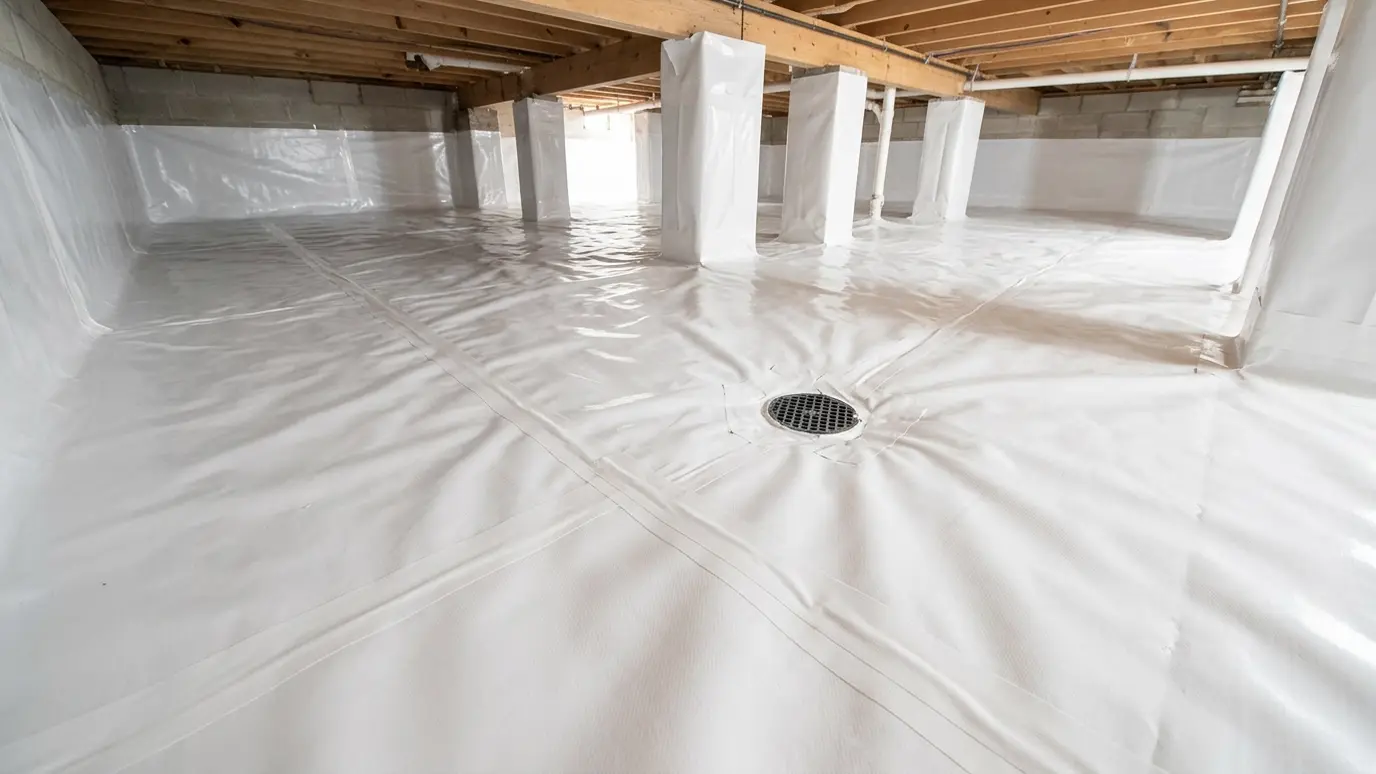
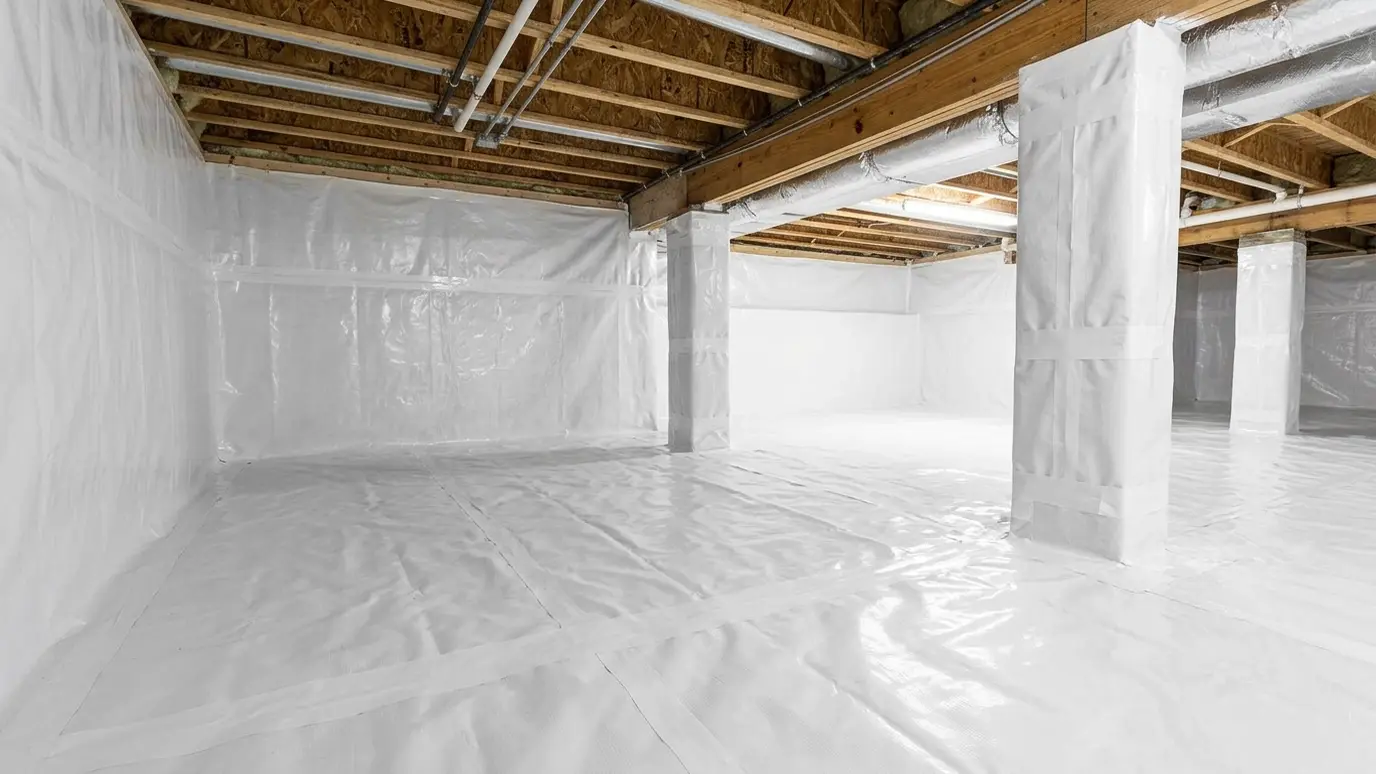
In our climate, warm humid air condenses on cool surfaces such as ducts, crawl space walls and basement concrete. Condensation leaves wood and insulation damp.
Sealing and conditioning those spaces prevents it.
What wet insulation does
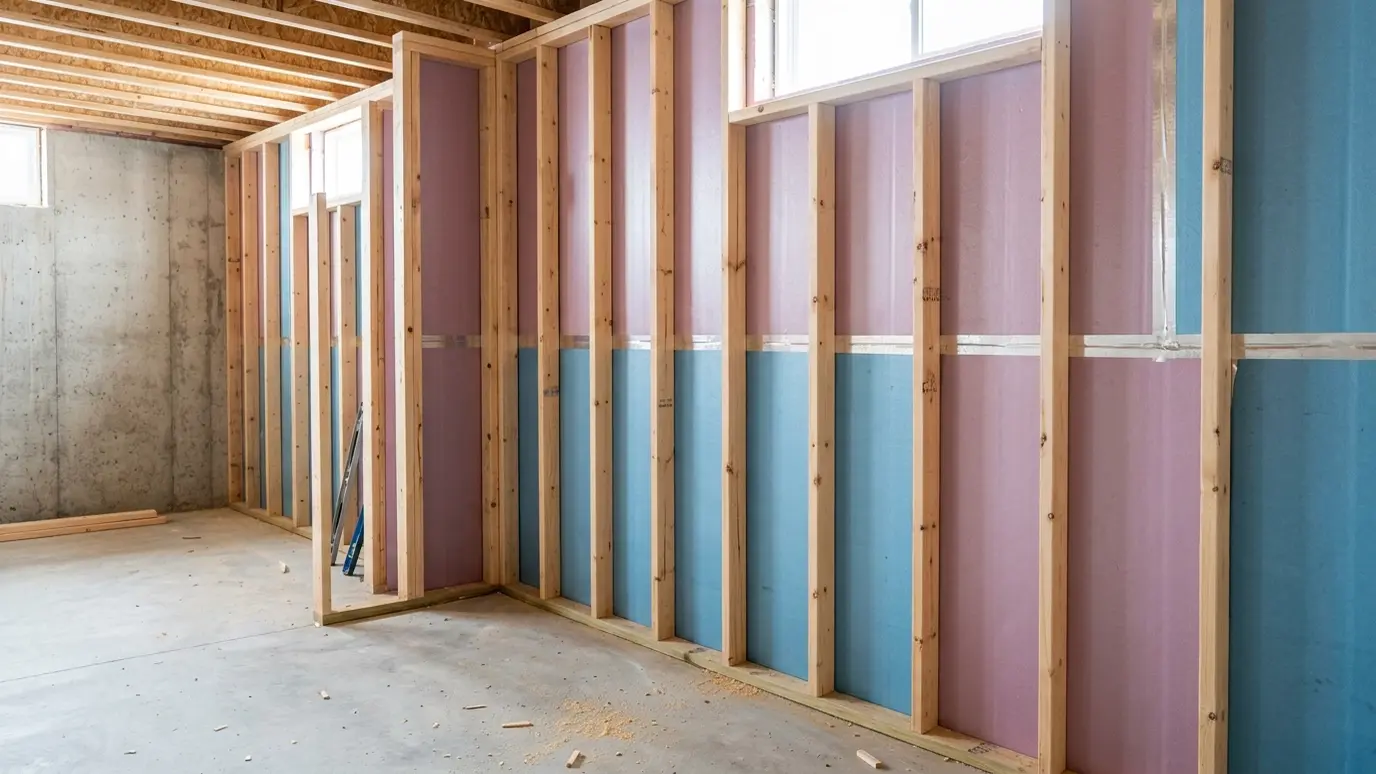
Fiberglass and cellulose lose performance when wet. Wet cellulose can sag and hold moisture against wood. Foam handles moisture better but cannot fix a leak.
Dry, protected insulation lasts for decades.
Find the source
Roof leaks, plumbing leaks, bath fans venting into the attic and poor drainage around the house are common sources. Fix the source before adding material.
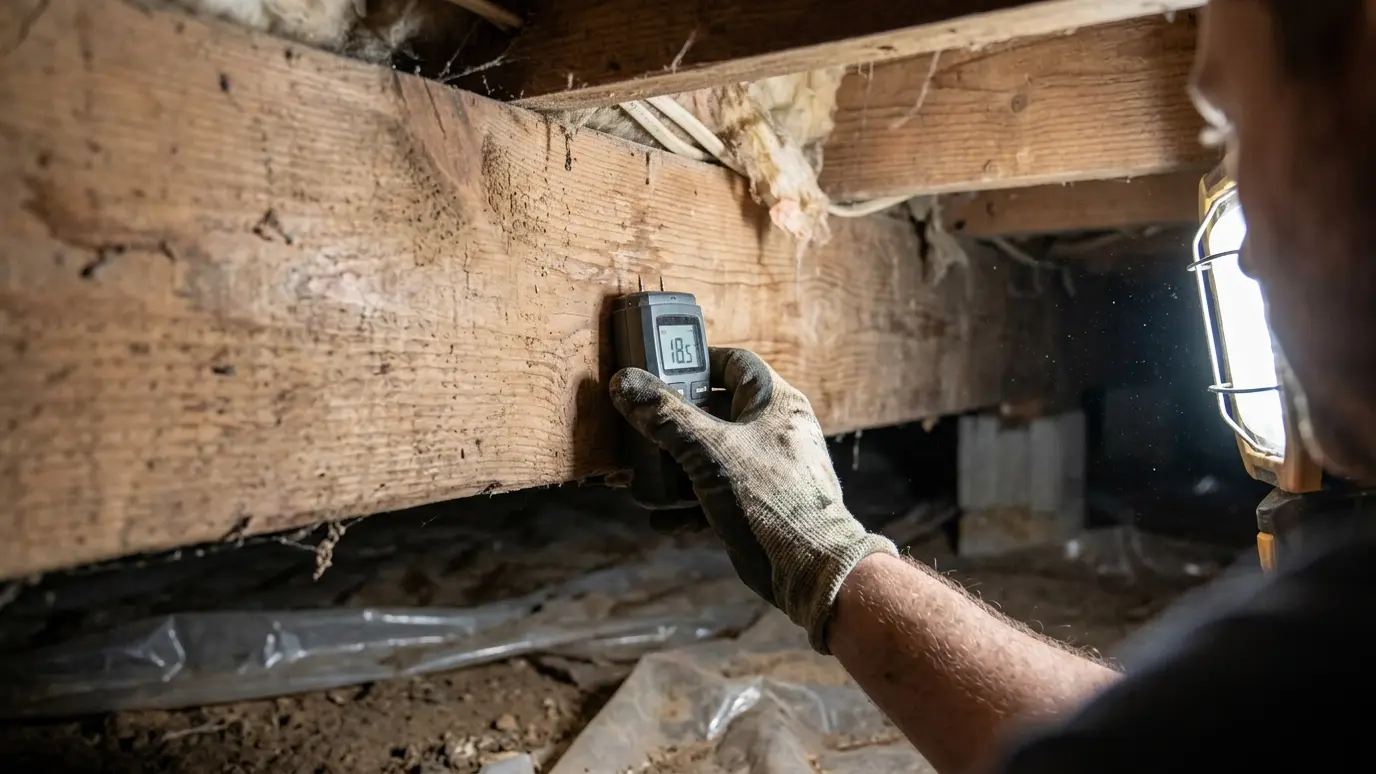
A moisture meter and a careful look reveal many of them.
Ventilation and dehumidification
Bath fans, kitchen hoods and balanced attic vents move moisture out. Dehumidifiers manage humidity in crawl spaces and basements.
The right tool depends on the space.
When to call a specialist
Mold, rot and structural damage need remediation or carpentry before insulation. We refer you to qualified professionals for those.
We insulate once the space is dry.
Find and fix the water source first, then air seal and insulate so the space stays dry.