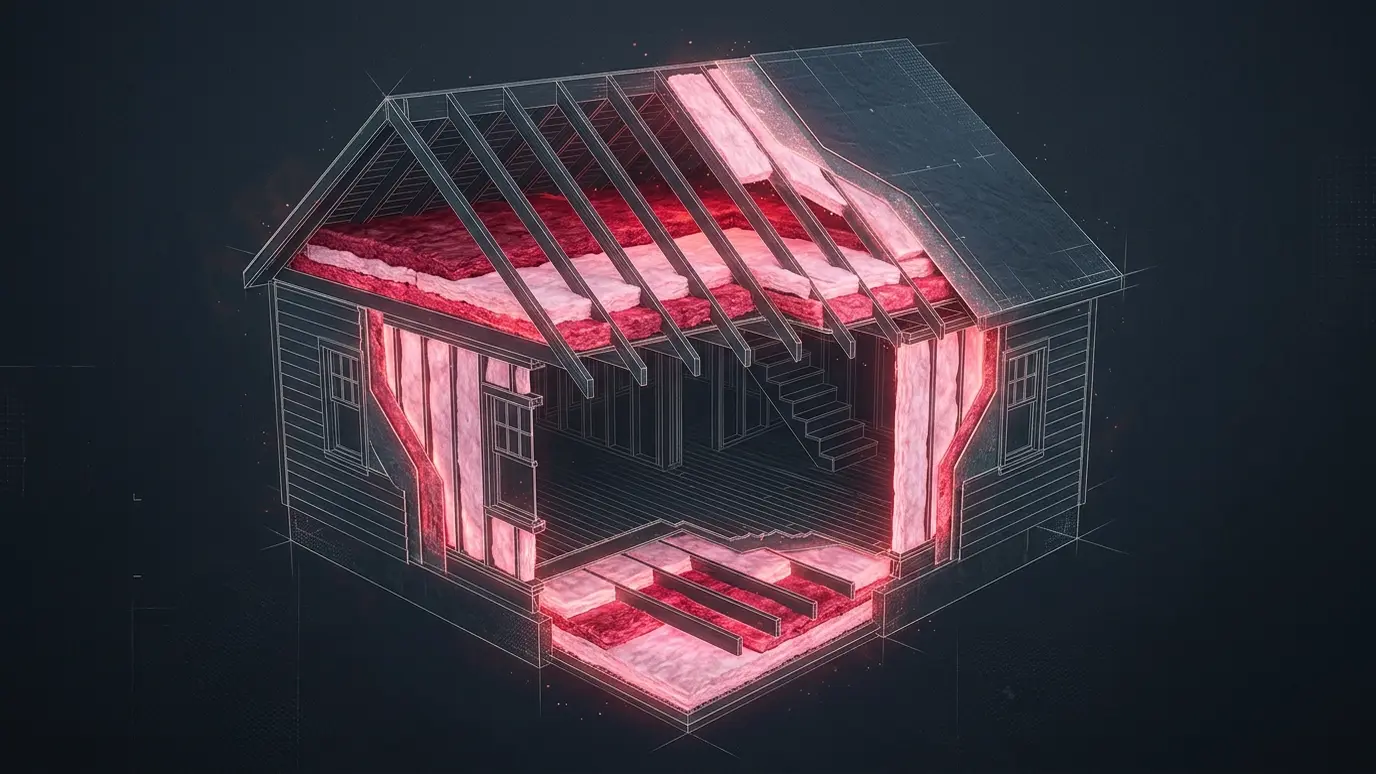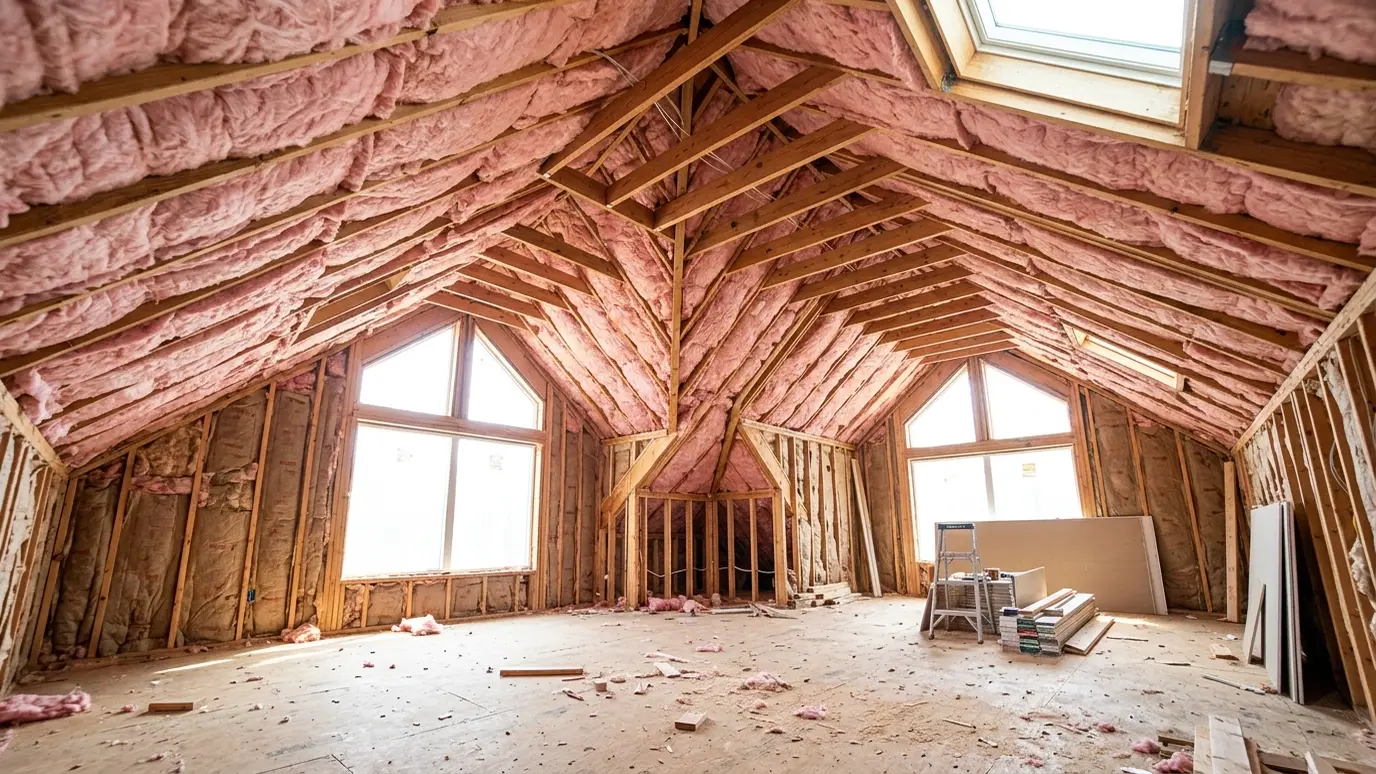
Sloped ceilings insulated with the right depth, airflow and air barrier, so tall rooms stay comfortable and the roof stays healthy.
A vaulted ceiling is beautiful, but it has little room for insulation. The rafters are only so deep, the roof is directly above and there is no attic to buffer the heat. The result is often a room that overheats in summer and feels drafty in winter.
We evaluate the rafter depth, the roof venting and the age of the ceiling, then recommend dense-pack cellulose through small holes, spray foam in the cavity or rigid foam on the roof deck during re-roofing. Each choice handles moisture and air flow differently, and we explain which suits your house.
Rafter depth limits R-value. Higher R-value per inch, as with closed-cell spray foam, is useful when depth is short.
A vented cathedral ceiling needs an airway above the insulation. An unvented one uses foam that seals the roof deck. We choose by the roof and the climate.
We can often dense-pack through small holes in the ceiling or drill from the attic edge, then patch the surface. A thermal scan shows how much is needed.
Adding rigid foam above the deck during a reroof is a clean way to increase R-value without touching the ceiling below.
Drag the handle to compare.
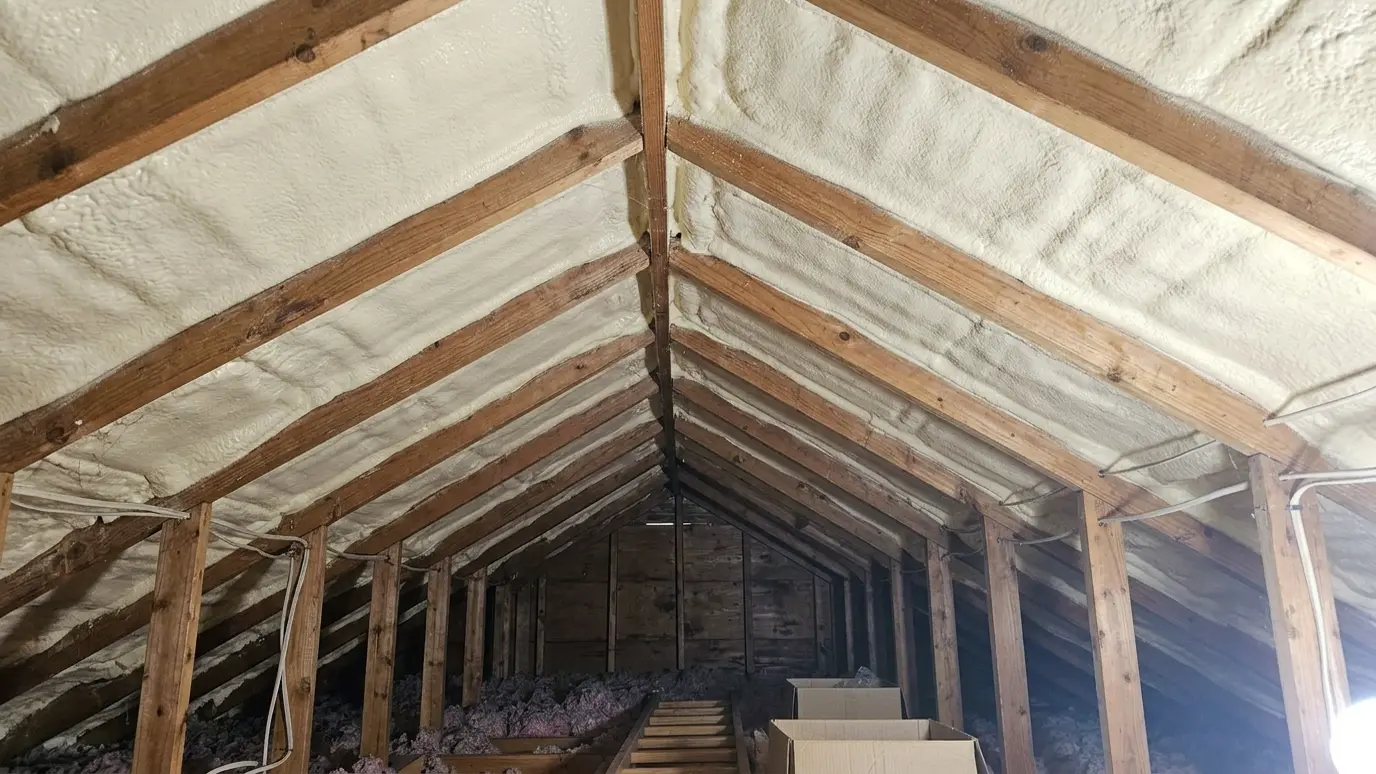
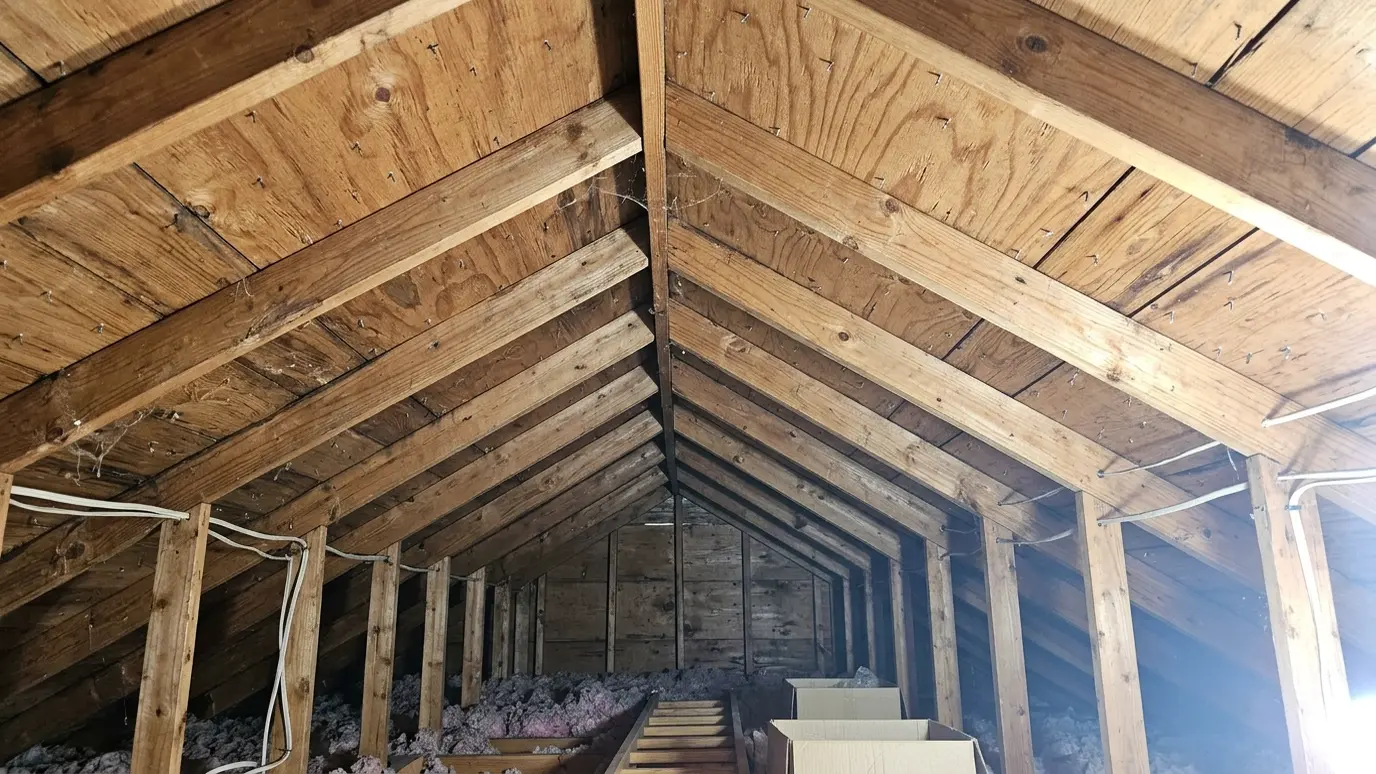 BeforeAfter
Dense-pack, foam or deck insulation.
Baffles and vents installed correctly.
Shows what is missing.
Stops leaks at can lights and joints.
Small holes repaired cleanly.
Comfort under the high ceiling.
Every topic has its own page with what to expect and how we approach it.
 Project situationHot and Cold RoomsOne room is always too warm and another is always too cold. Here is why it happens and…Learn more
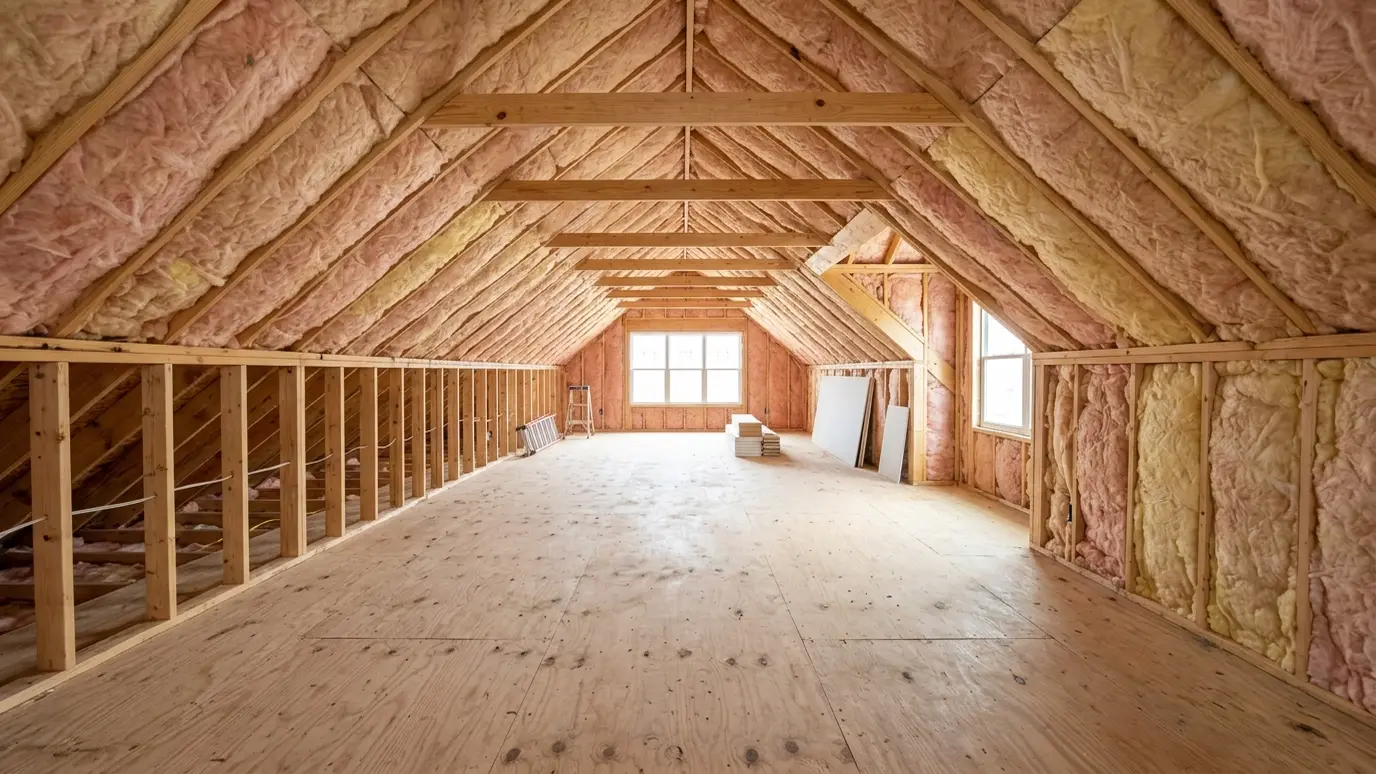 Project situationAdditions and Bonus RoomsNew rooms need to feel like the rest of the house. Here is what makes additions comfortable and…Learn more
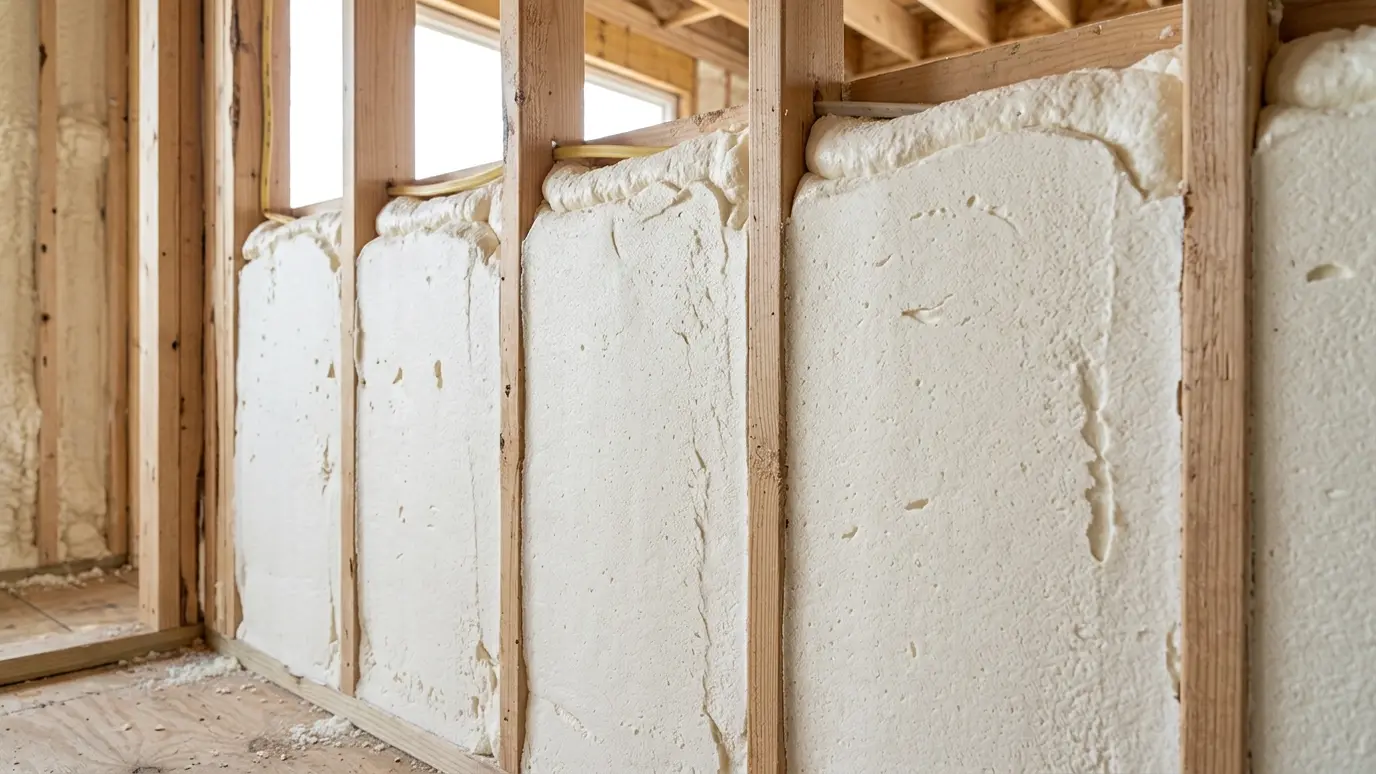 Material guideSpray FoamOpen-cell and closed-cell foam insulate and seal in one step. Here is how to choose and what to…Learn more
Enter the area and the thickness to see board feet of foam and the approximate R-value for open-cell and closed-cell.
You tell us what is going on, which rooms bother you and what you hope to change, and we set a time that fits your day.
We walk the attic, walls, crawl space and equipment, measure depths and use thermal imaging when it helps.
We protect the house, seal air leaks, place baffles and fix small problems so the insulation can do its job.
Loose-fill, batts, foam or board goes in to the planned depth, with clean edges and clear markers.
We measure the result, take photos and test air leakage when the scope includes it.
We walk the finished work with you, answer questions and leave the site clean.
In many cases yes, through small access holes. We evaluate the ceiling first.
It depends on the roof design. We follow the method that suits it.
We use high R-value per inch products or add insulation above the roof deck during re-roofing.
Not when we work through small holes and patch them. Re-roof insulation is hidden above.
It is a common choice, especially for unvented designs.
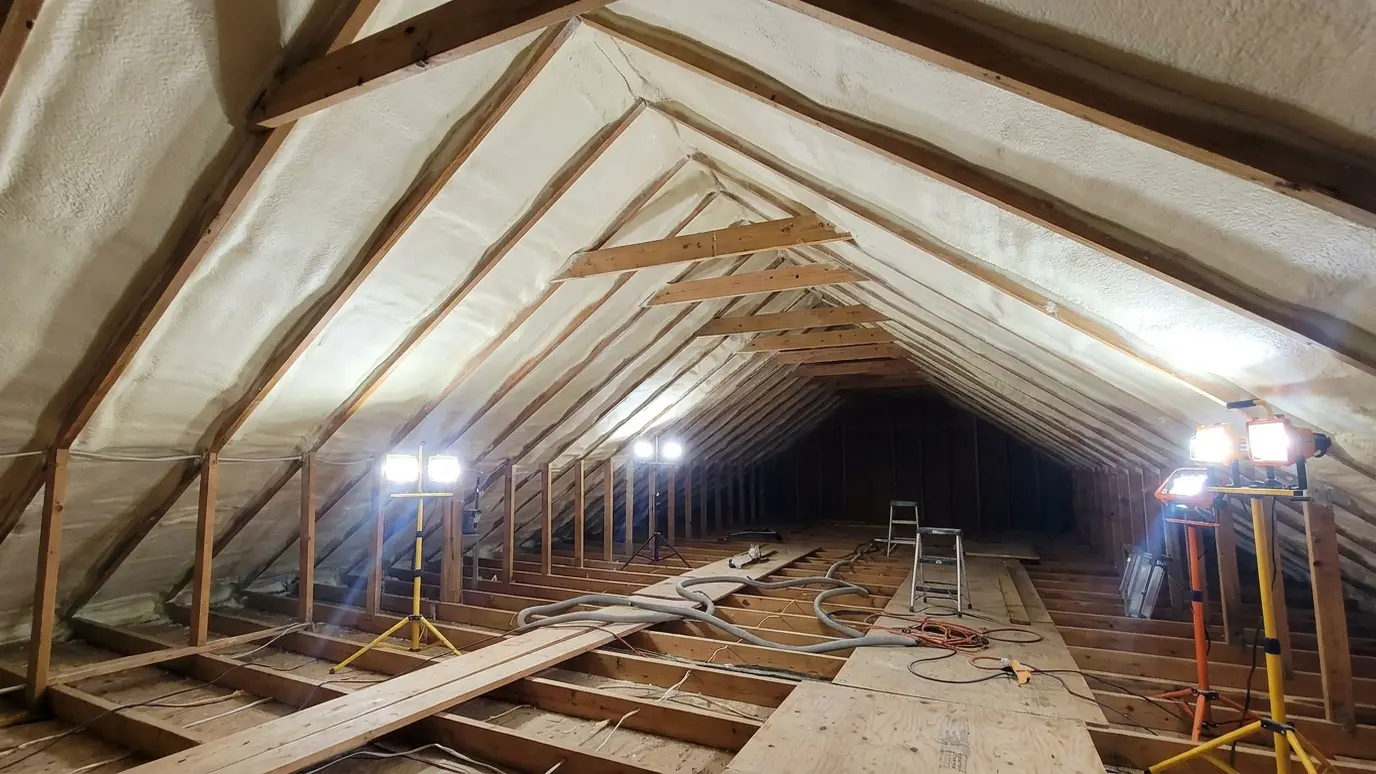 Unvented Attic Spray FoamSpray foam on the underside of the roof deck, turning the attic into a conditioned space that protects…Explore
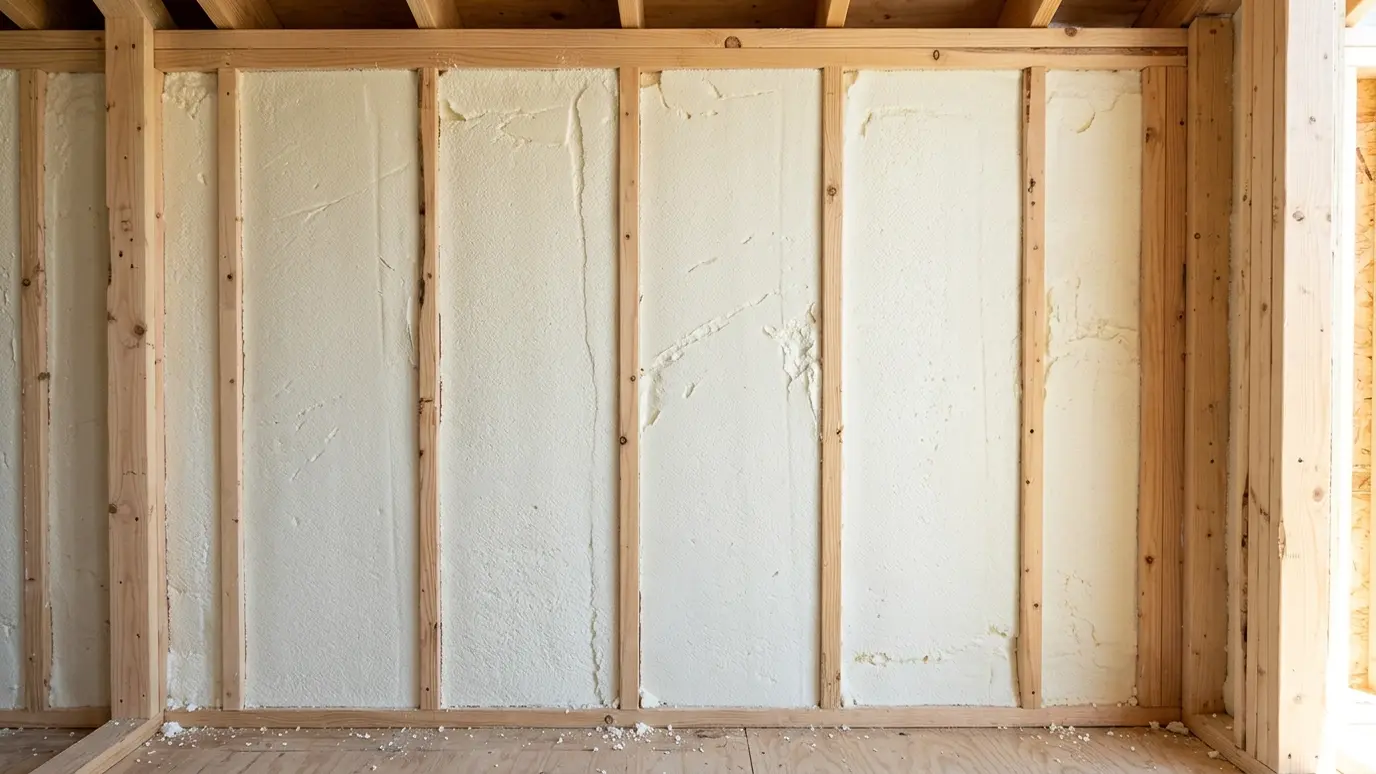 Closed-Cell Spray FoamA dense, rigid foam with high R-value per inch that also resists moisture, ideal for tight spaces, rim…Explore
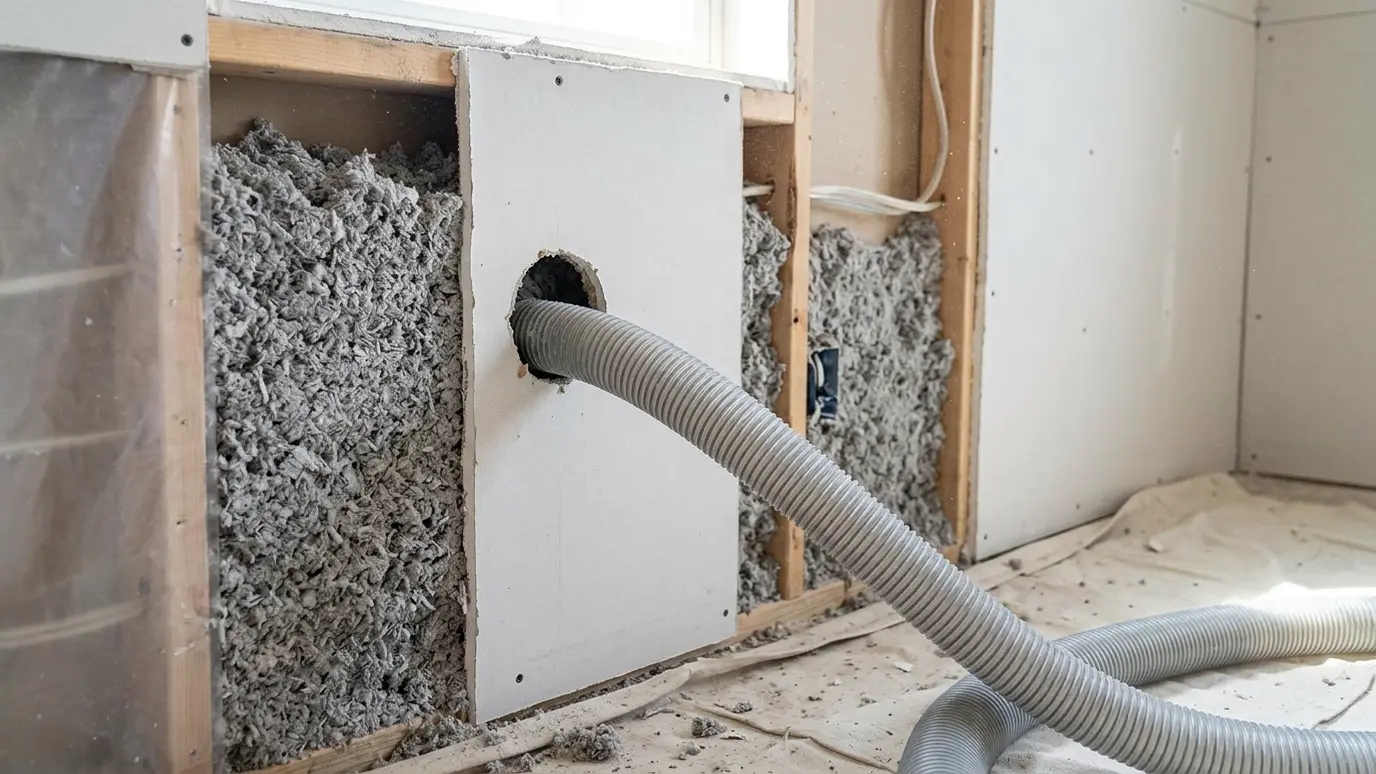 Dense-Pack Cellulose WallsInsulation blown into closed walls through small holes, filling an existing cavity so older homes finally keep their…Explore
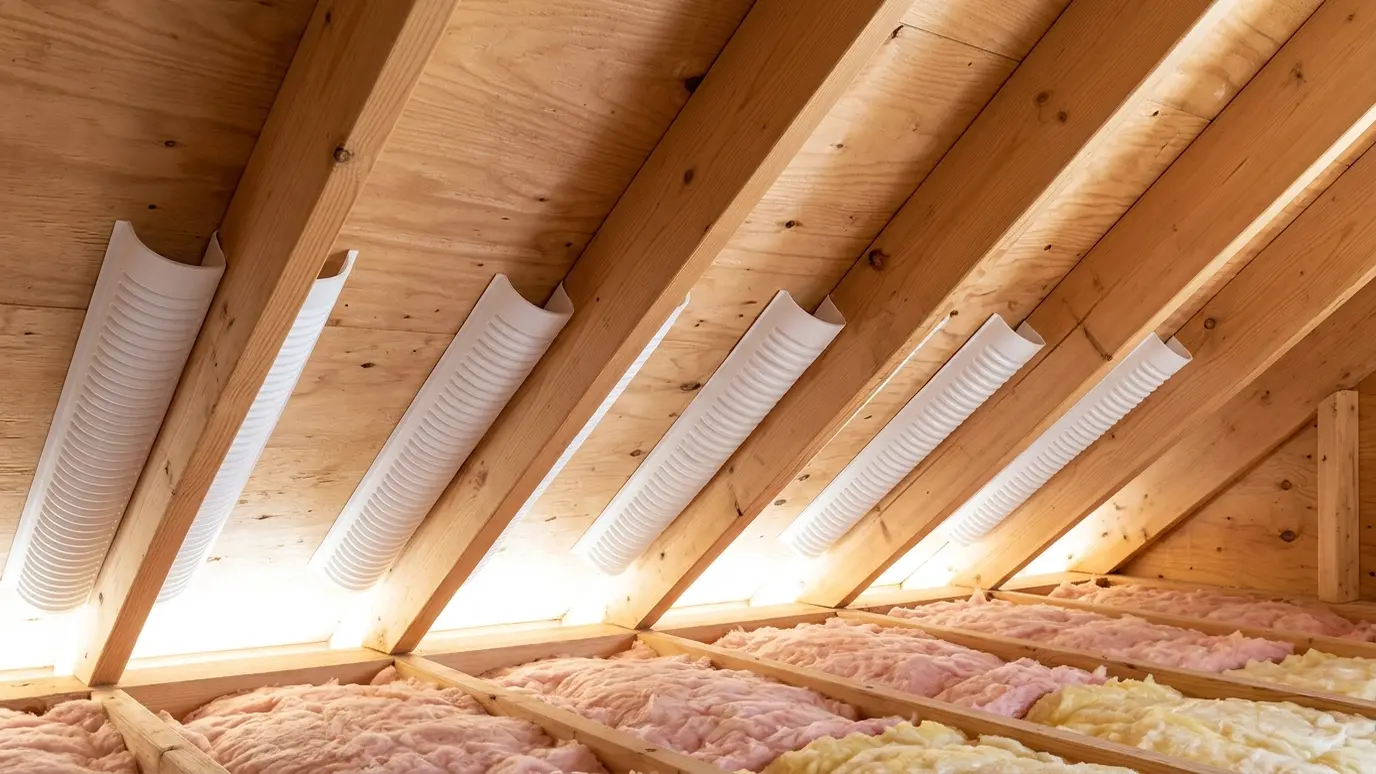 Attic Ventilation and BafflesBalanced airflow from the eaves to the ridge, so the roof deck stays dry and cooler and your…Explore
Tell us about the project and we will call you back to talk it through.
Or call (615) 357-7797 to talk now.