
Area and depth
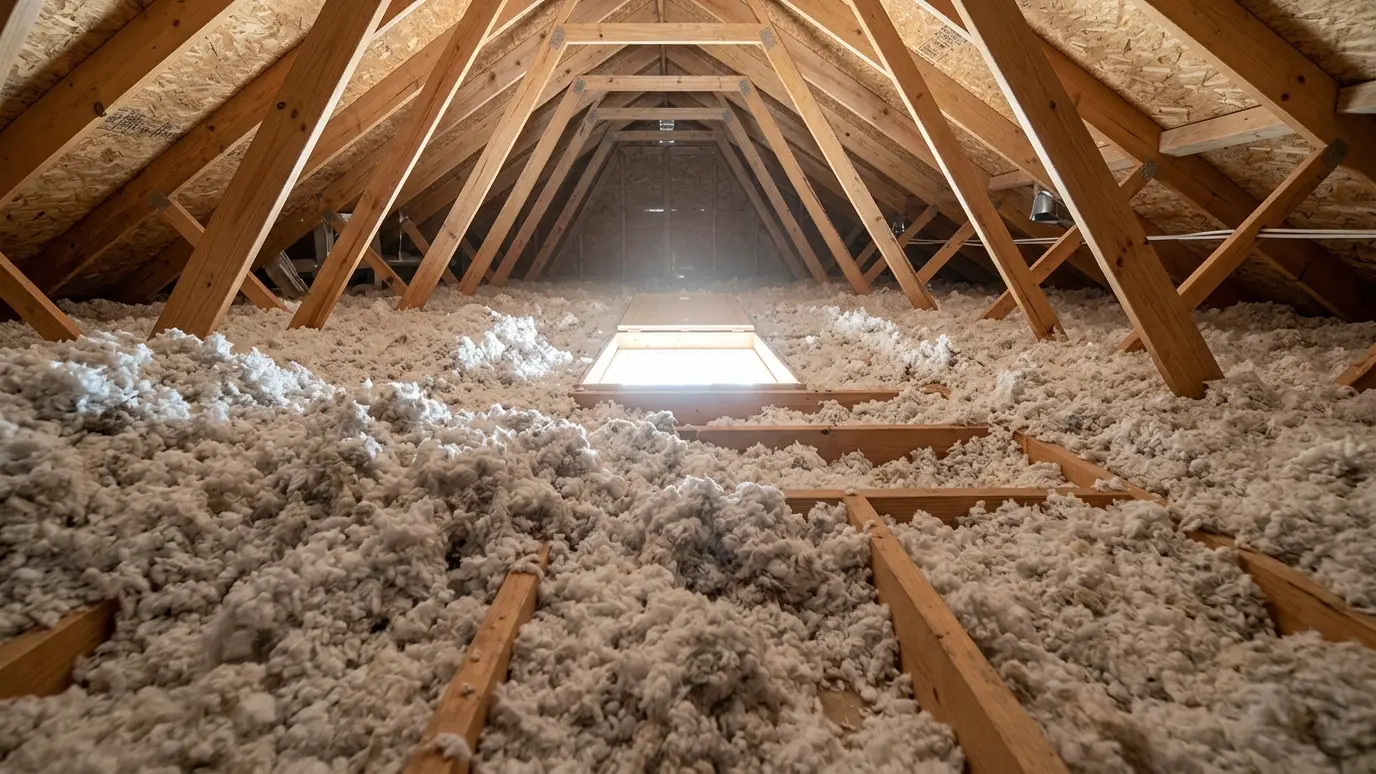
The larger the area and the deeper the insulation, the more material and labor a project needs. An attic top-up is a very different job from a whole-house retrofit.
Ask each contractor to state the area, the target R-value and the depth in writing so you can compare like with like.
Material choice
Loose-fill fiberglass and cellulose are economical for attics. Dense-pack, mineral wool and spray foam cost more per square foot and bring other benefits.
The right material is the one that fits the space, not the lowest-priced or the most expensive.
Access and conditions
A roomy attic with a wide hatch is faster to insulate than a low, cluttered one. Crawl spaces with standing water, tight clearances or old debris take more time.
A good proposal notes the conditions it assumes.
Preparation and extras
Air sealing, baffles, removal of old insulation, pest cleanup and moisture fixes add to the scope. They also add to the result.
Skipping prep to lower the price often lowers performance as well.
Programs and incentives
Utility programs and tax credits may help, but their rules change. Confirm current details with the program before you plan around them.
We can supply the paperwork they ask for.
How to compare quotes
Compare scope, not totals: materials, R-values, air sealing, cleanup, schedule and exclusions. Ask how changes are handled once the crew finds what is behind the walls.
A clear, itemized proposal is a good sign of an organized contractor.
Compare written scopes, spend first on air sealing and the attic, and plan a small contingency for what hides behind old insulation.