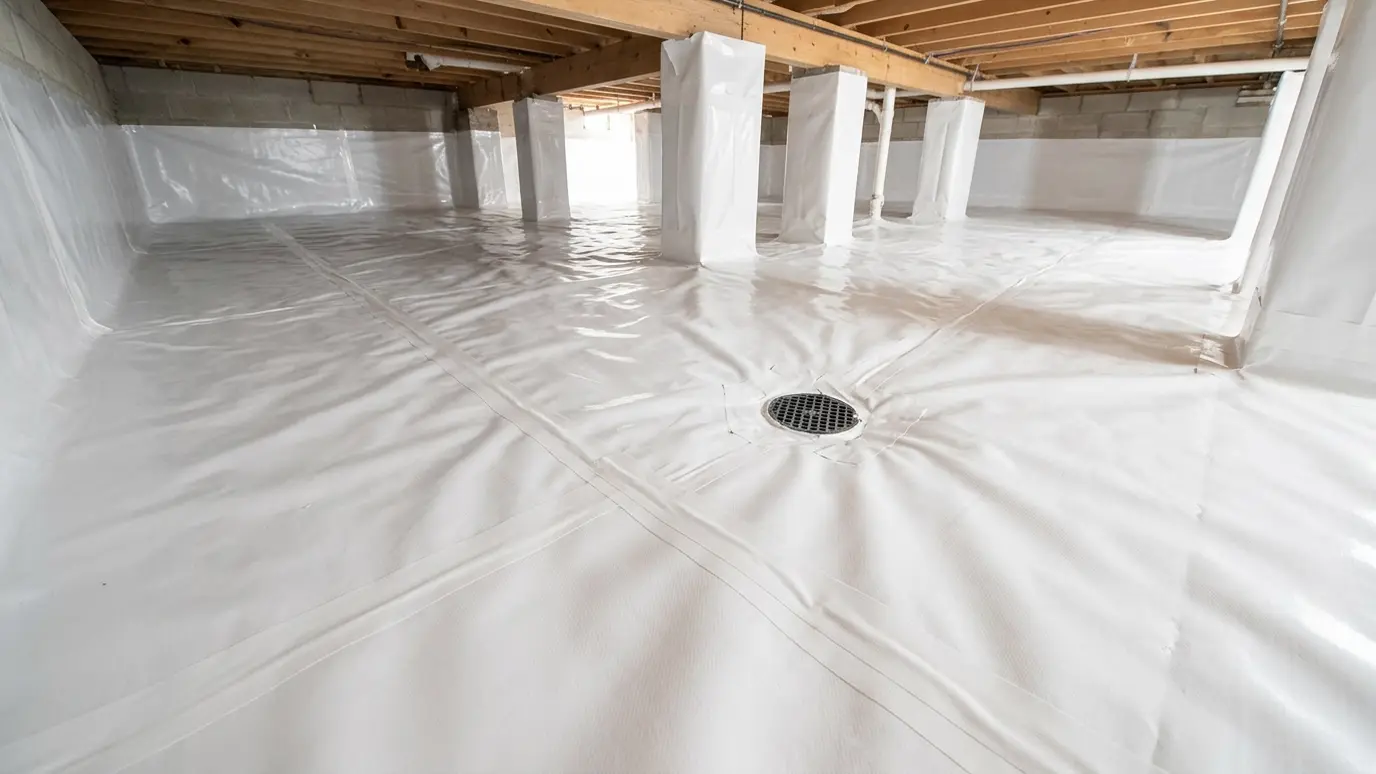
Ground covers, wall liners and drainage that keep moisture from rising into the house, installed with taped seams and sealed edges.
Moisture rises from the ground into the air above it every day, even when the soil looks dry. In a crawl space, that vapor reaches wood framing and insulation, and in a basement, it creates damp air and a musty smell.
A vapor barrier is a thick plastic sheet that stops that flow. The material and the installation both matter: heavier, reinforced liners last longer, and seams, edges and penetrations must be sealed so the barrier works as a system and not as loose sheets.
Thin plastic tears and shifts. Reinforced liners resist punctures and foot traffic, and they last many years. We choose a thickness suited to how the space is used.
A barrier with open seams is only a partial cover. We overlap and tape seams, seal to the walls and piers and cut neat openings around posts and pipes.
A vapor barrier does not stop liquid water. If the space gets wet, we recommend a drain, a sump pump or exterior grading work to remove the source.
On walls, a liner extends the barrier up the foundation. It works with insulation and sealing to turn the space into a controlled environment.
Drag the handle to compare.
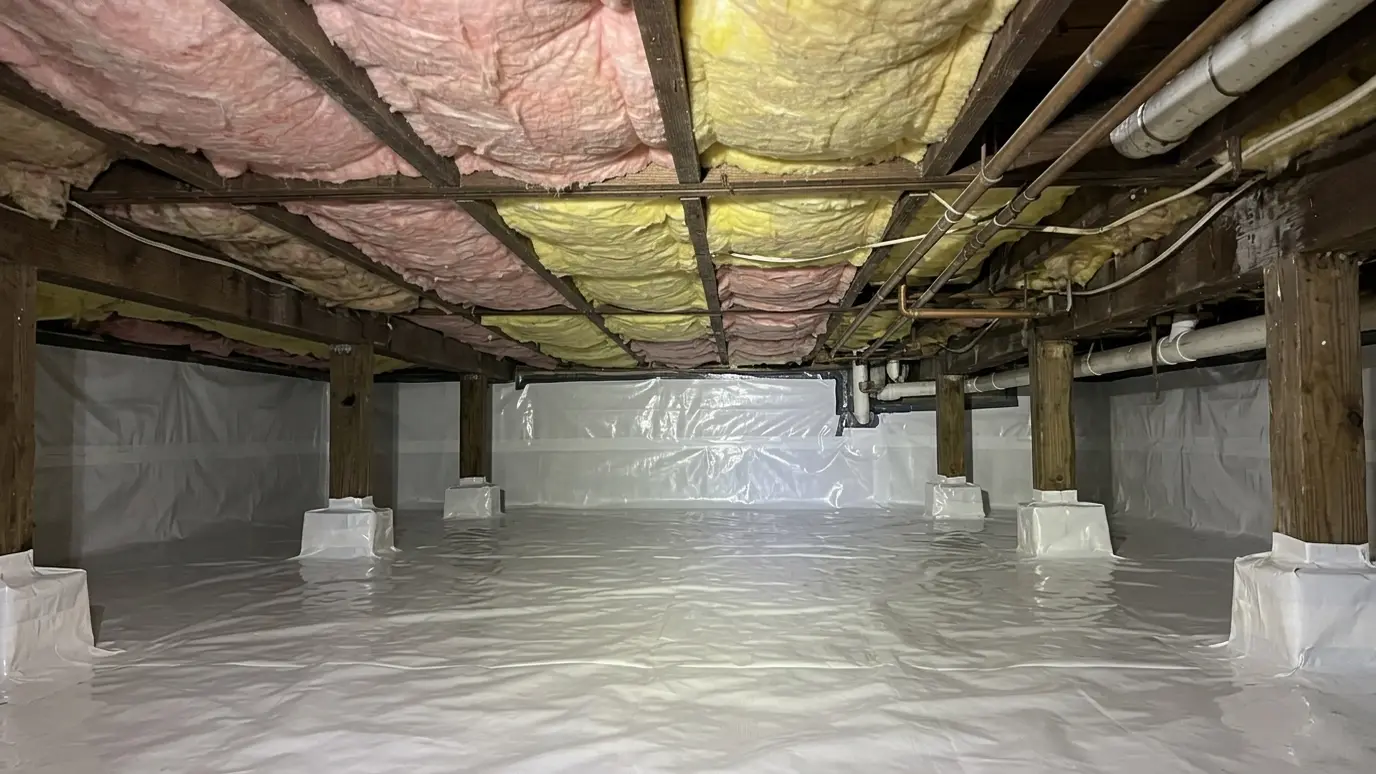
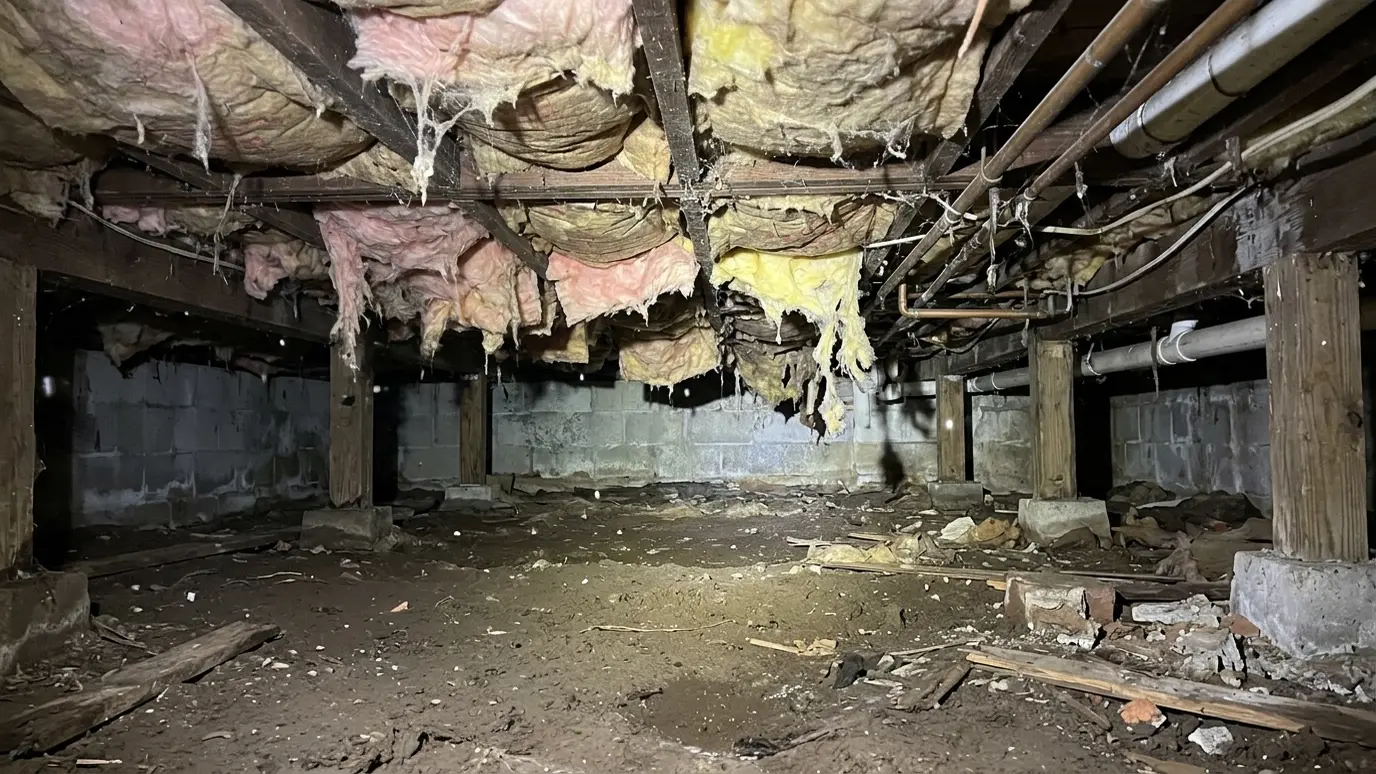 BeforeAfter
Strong, durable ground and wall covers.
Overlapped and sealed for continuity.
Walls, piers and penetrations closed.
Sump and drain solutions.
Before and after measurements.
Pads where traffic goes.
Every topic has its own page with what to expect and how we approach it.
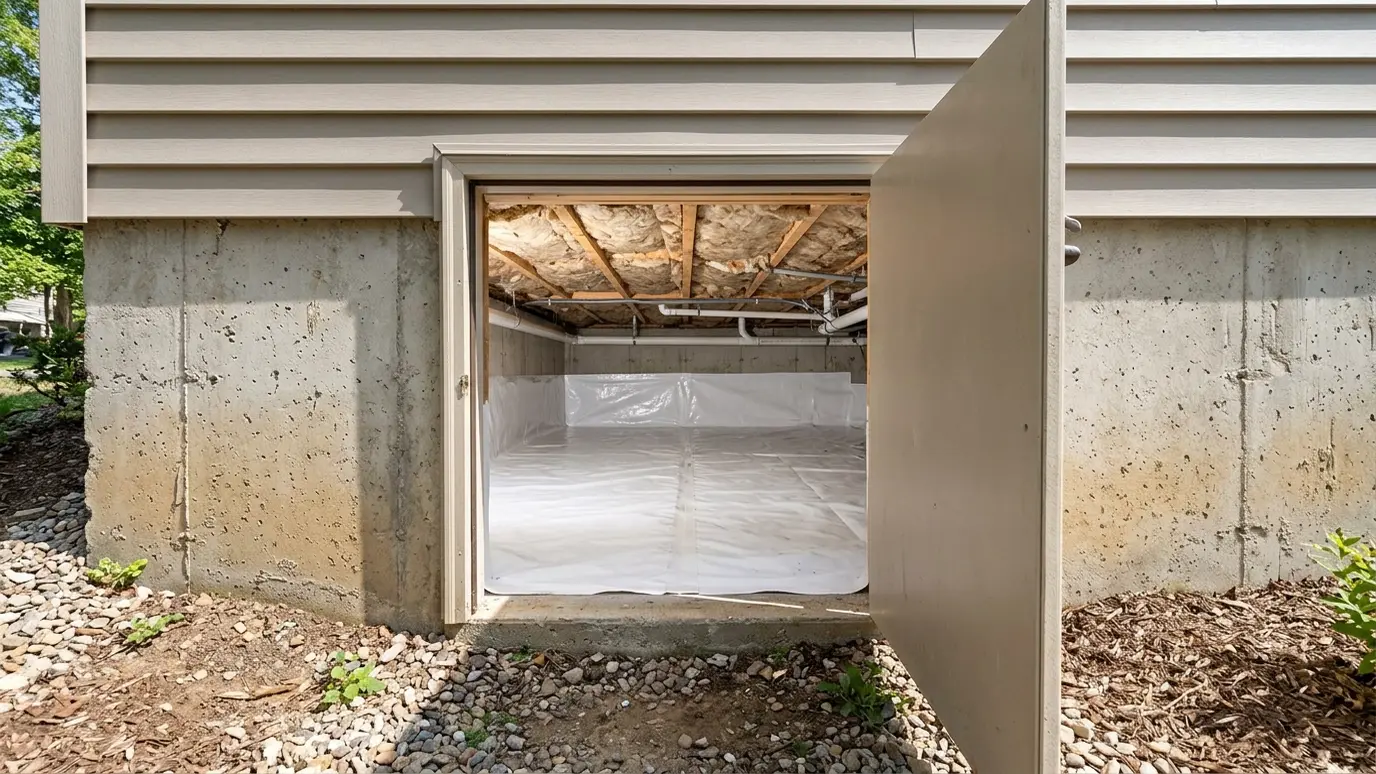 Project situationCrawl Space HomesIn our humid climate, the crawl space shapes the comfort of your floors and the air in your…Learn more
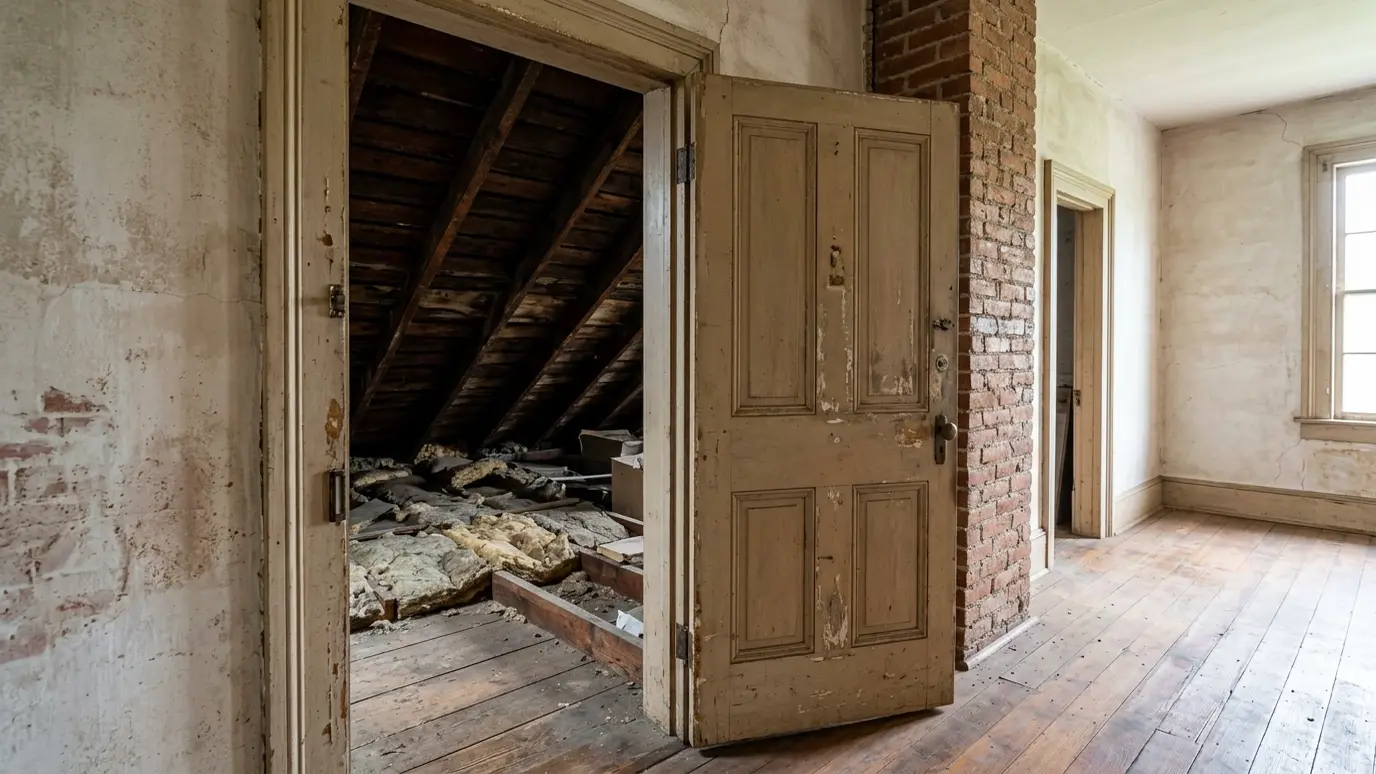 Project situationOlder HomesOlder houses have charm and hidden challenges, from empty walls to unsealed attics. Here is how to improve…Learn more
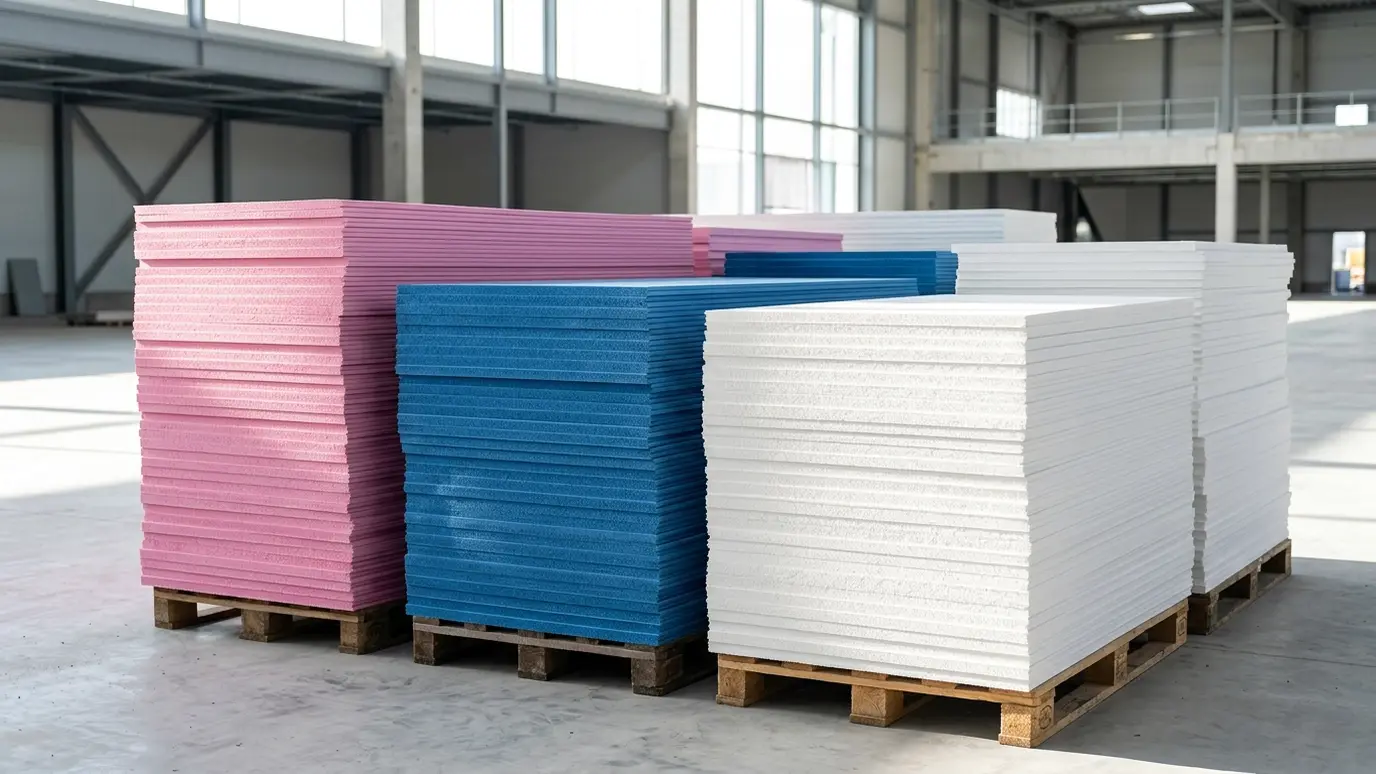 Material guideRigid Foam BoardEPS, XPS and polyiso boards offer continuous insulation for basements, slabs, walls and roofs. Here is how they…Learn more
Enter the area and the thickness to see board feet of foam and the approximate R-value for open-cell and closed-cell.
You tell us what is going on, which rooms bother you and what you hope to change, and we set a time that fits your day.
We walk the attic, walls, crawl space and equipment, measure depths and use thermal imaging when it helps.
We protect the house, seal air leaks, place baffles and fix small problems so the insulation can do its job.
Loose-fill, batts, foam or board goes in to the planned depth, with clean edges and clear markers.
We measure the result, take photos and test air leakage when the scope includes it.
We walk the finished work with you, answer questions and leave the site clean.
Thin sheets often tear and leave open seams. A reinforced, sealed liner performs far better.
No. Water from outside needs drainage. We assess the source and recommend a proper fix.
If water comes from the sides or above, a barrier can hide it. That is why we find the source before we cover the ground.
A good liner lasts many years when walked on carefully. We advise how to protect it.
A slab has its own vapor protection from construction. We check for leaks and recommend fixes only if needed.
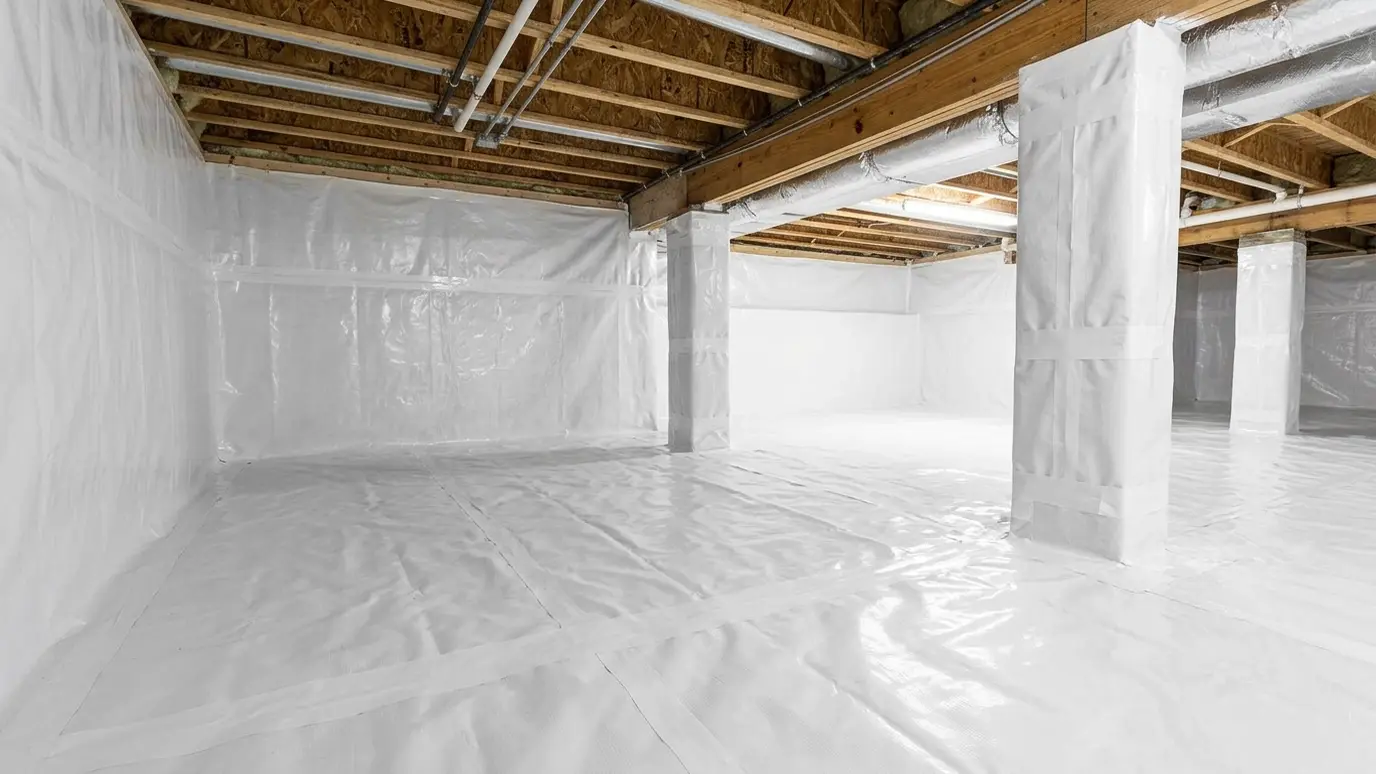 Crawl Space EncapsulationA sealed, dry, conditioned crawl space with a heavy vapor barrier, so humidity, mold and cold floors stop…Explore
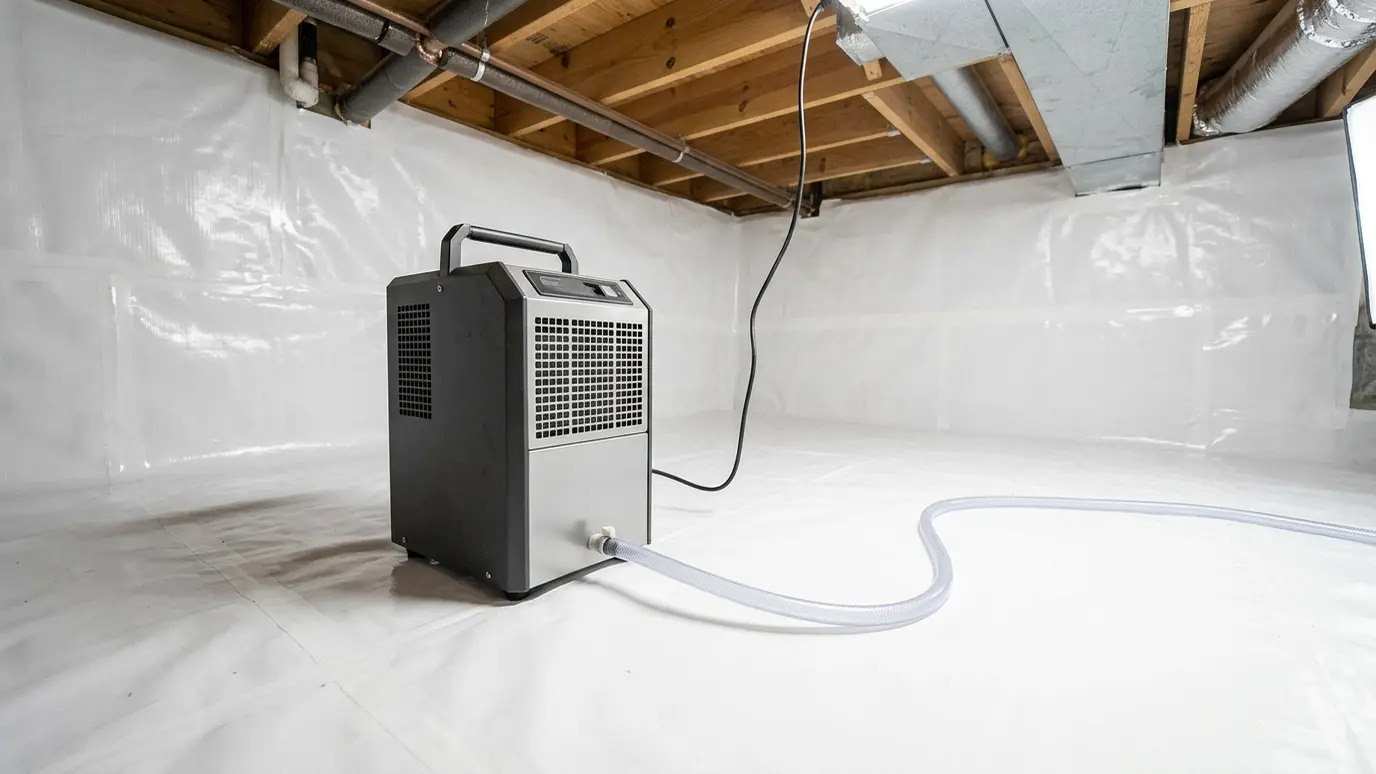 Crawl Space DehumidificationA sized dehumidifier and controlled airflow that keep a sealed crawl space in a healthy humidity range through…Explore
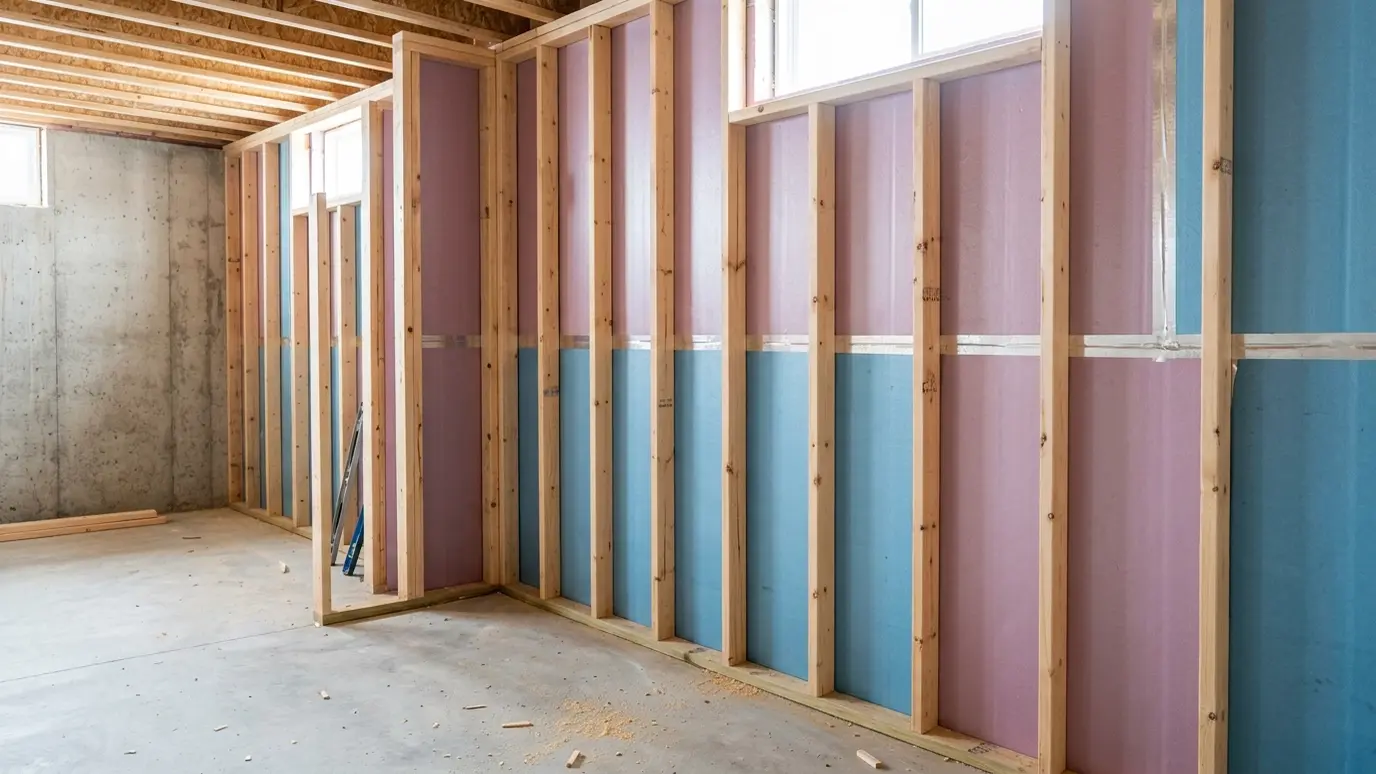 Basement Wall InsulationInsulation that handles moisture and cold concrete, turning an unfinished basement into usable, comfortable space.Explore
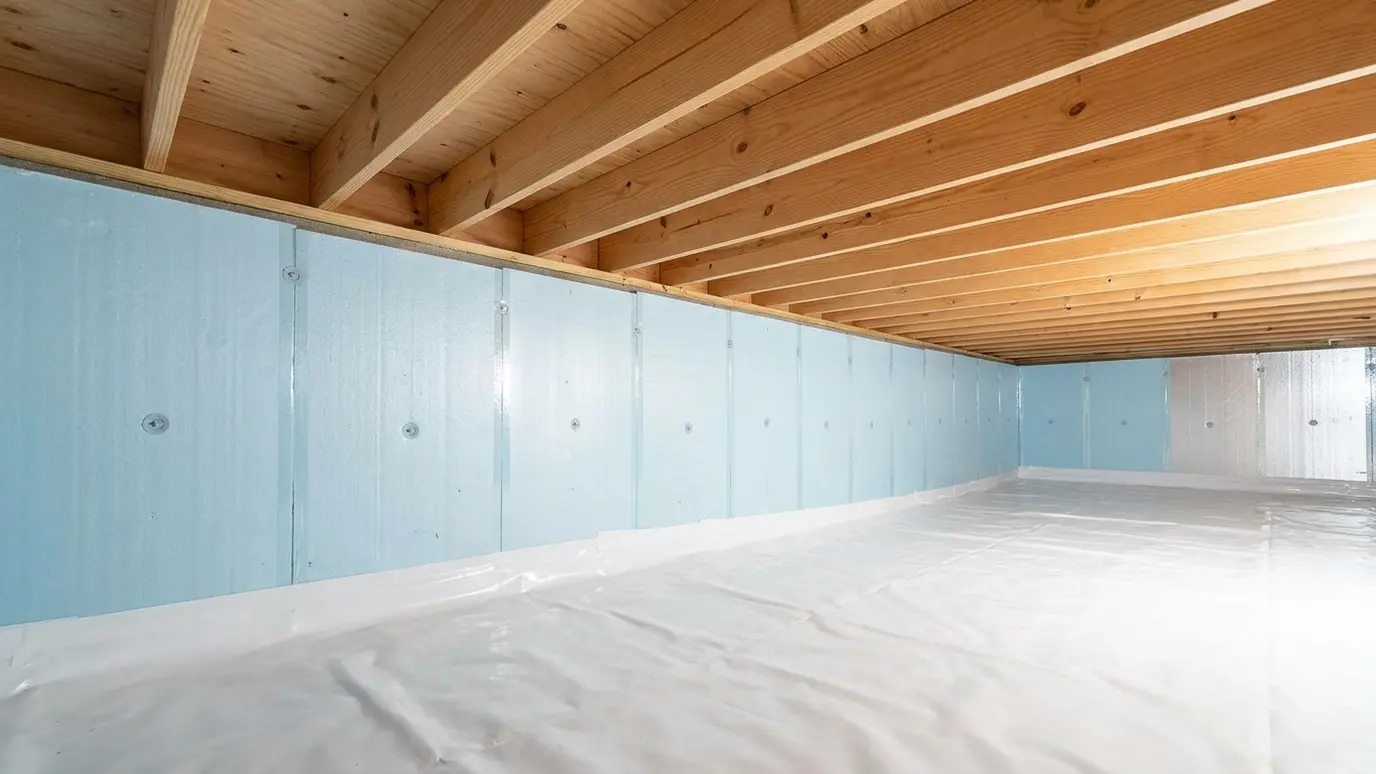 Crawl Space InsulationInsulation on the walls or under the floor, chosen for your crawl space so the house above stays…Explore
Tell us about the project and we will call you back to talk it through.
Or call (615) 357-7797 to talk now.