Why leaks matter
Air moving through a house carries heat, humidity, dust and noise. Leaks make rooms uneven and equipment run longer.
Sealing them is often the best value upgrade.
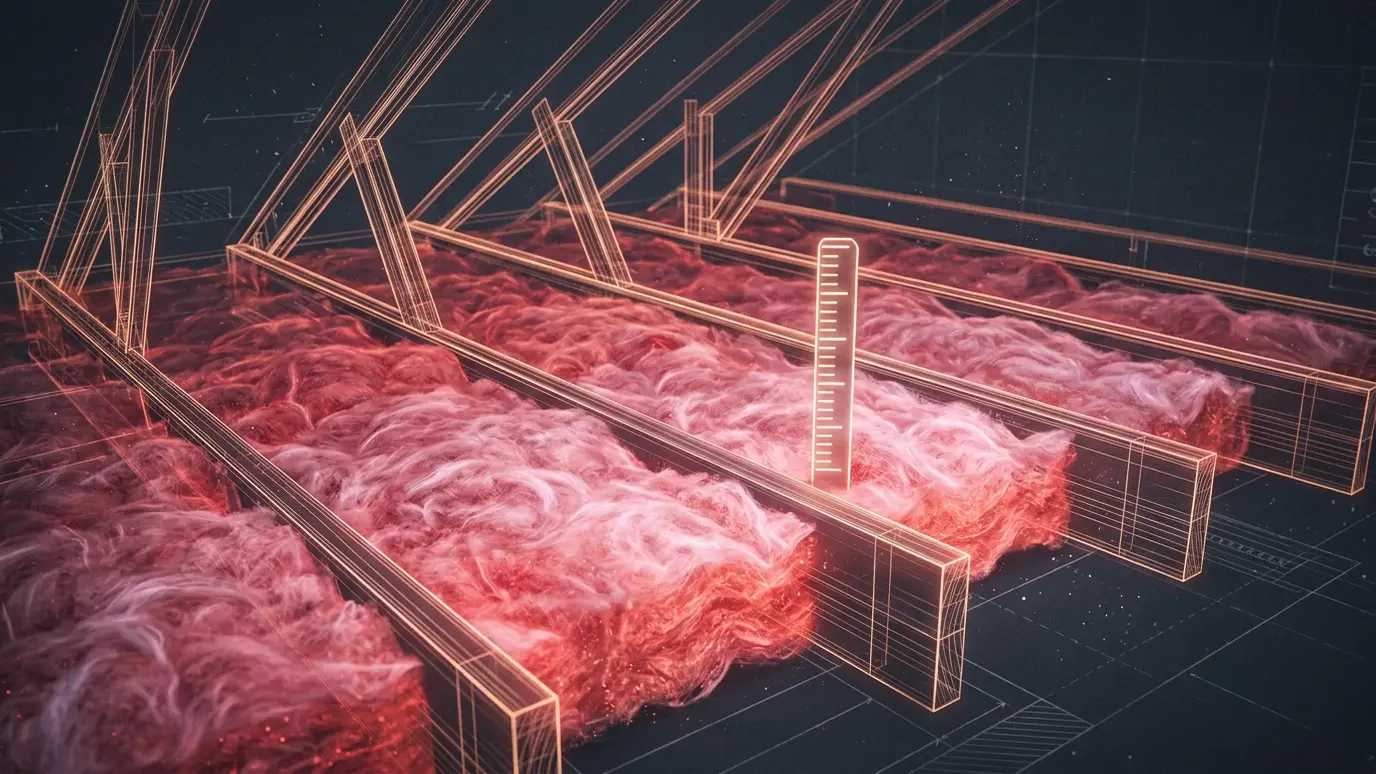
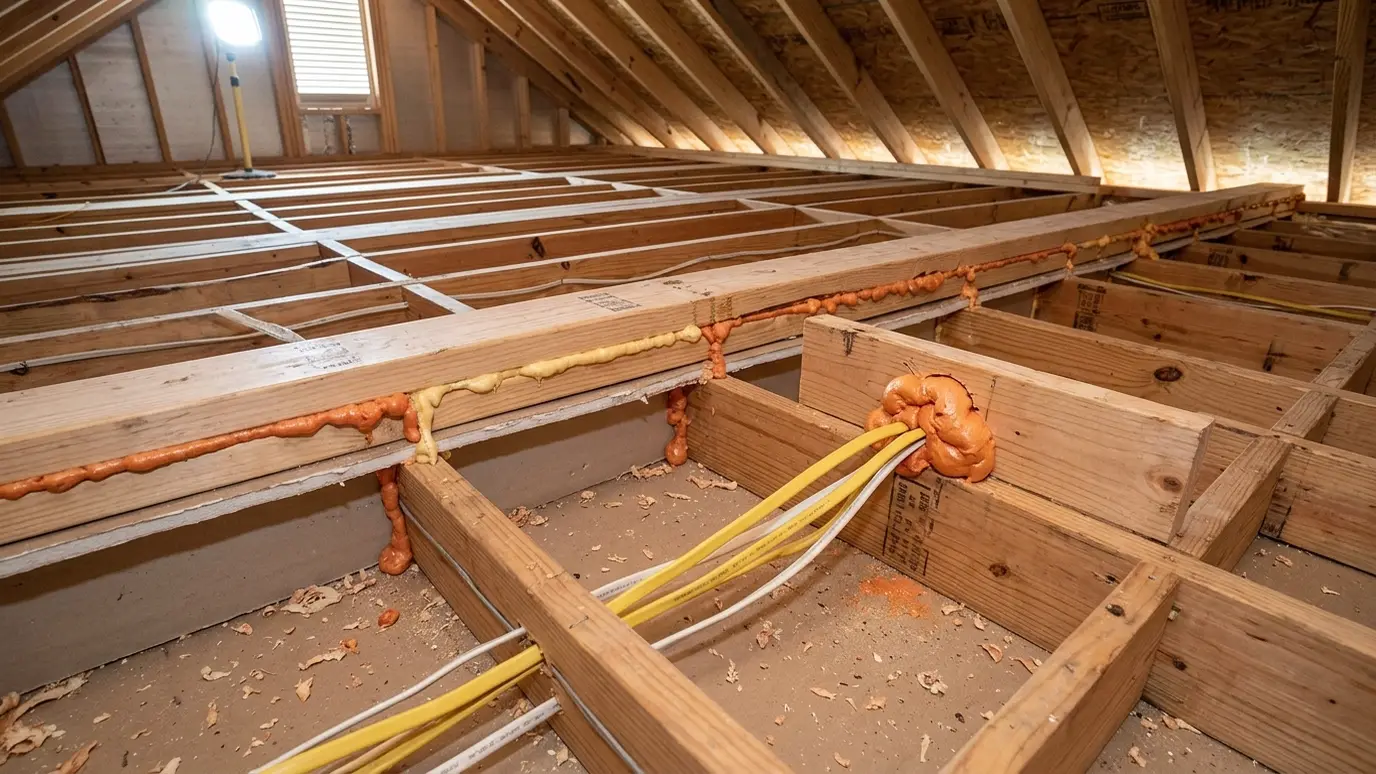
The attic floor
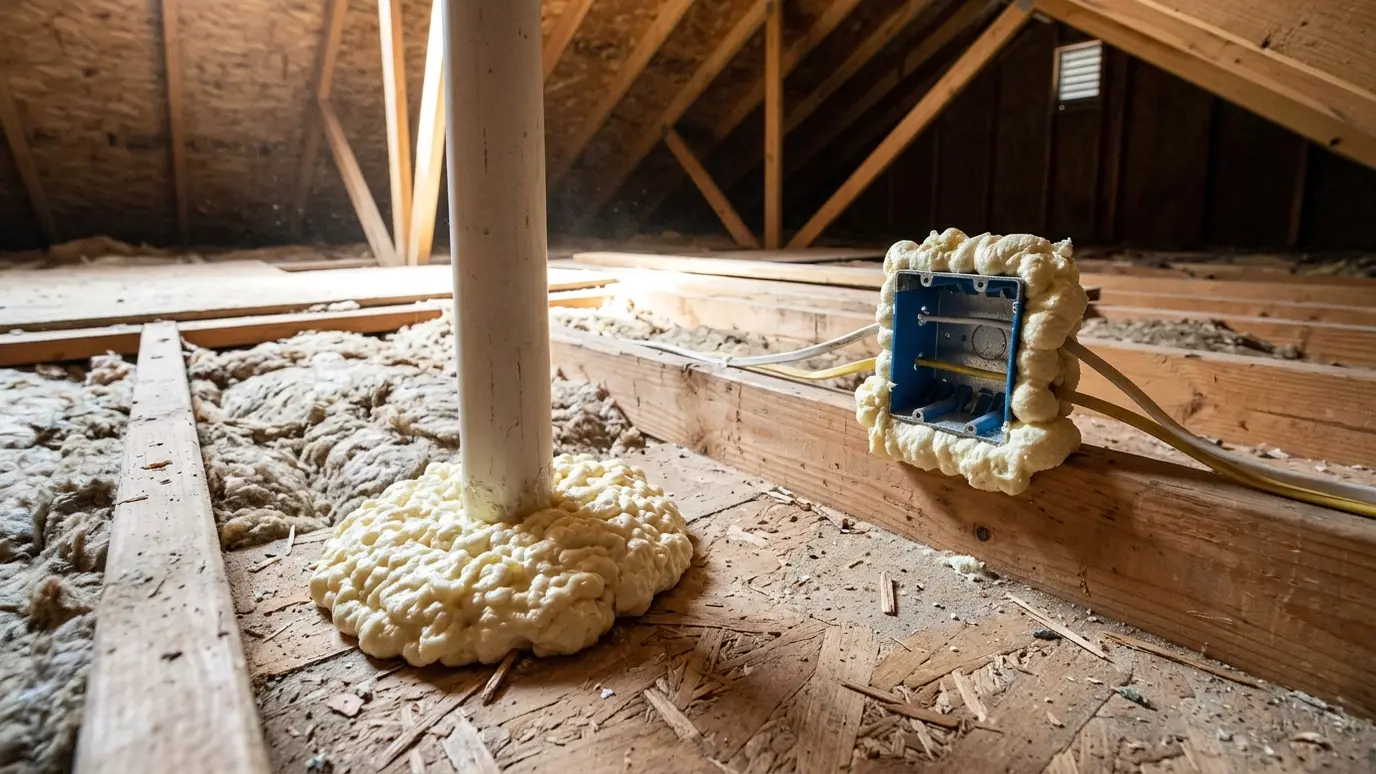
Top plates, chases, dropped soffits and wiring holes connect the house to the attic. Warm air rises through them in winter and hot air sinks through them in summer.
Seal them before adding insulation.
The basement and rim joist
The rim joist and sill plate have many seams and sit on masonry. Sealing them with foam stops drafts and cold floors.
Crawl space vents and utility penetrations count too.
Lights, fans and fireplaces
Older recessed lights and exhaust fans leak into the attic. Fireplaces and chimneys need metal flashing and high-temperature sealant.
Never use plain foam against hot flues.
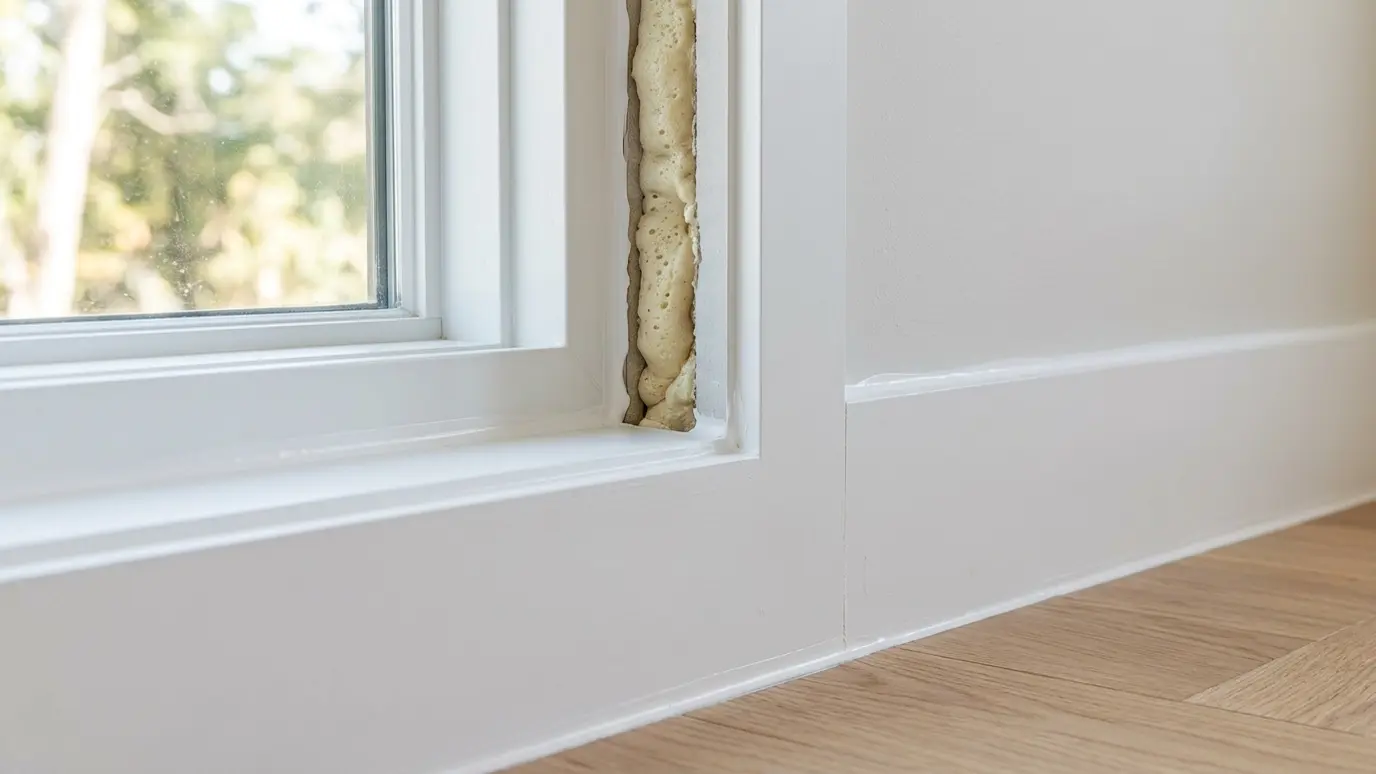
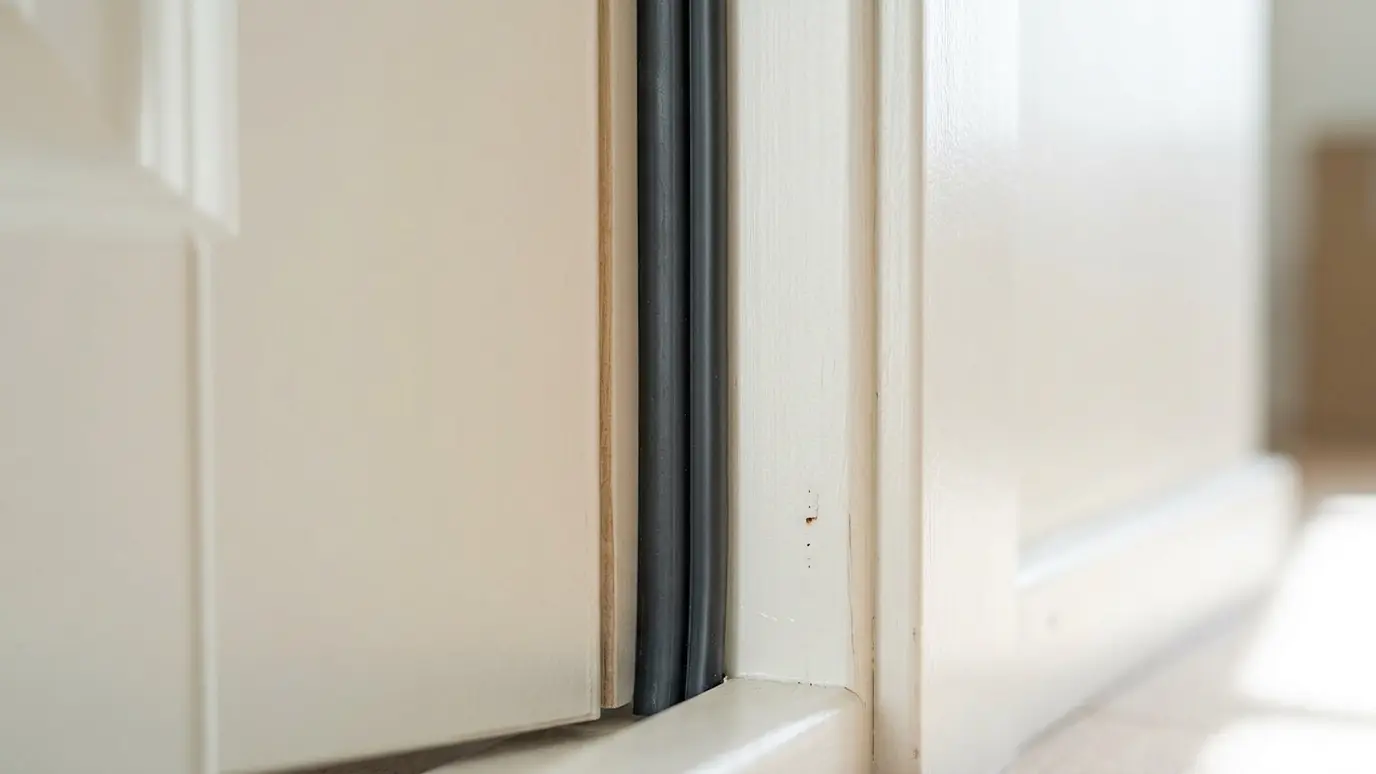
Windows and doors
Gaps behind trim and worn weatherstripping let air in. Low-expansion foam and caulk close them.
Many drafts can be solved without replacing a window.
Safety and fresh air
Combustion appliances need correct venting and fresh air. A blower door test shows whether a home is tight enough to need ventilation.
We check these details as part of air sealing.
Seal the biggest openings first, use the right material for each gap and check combustion safety.