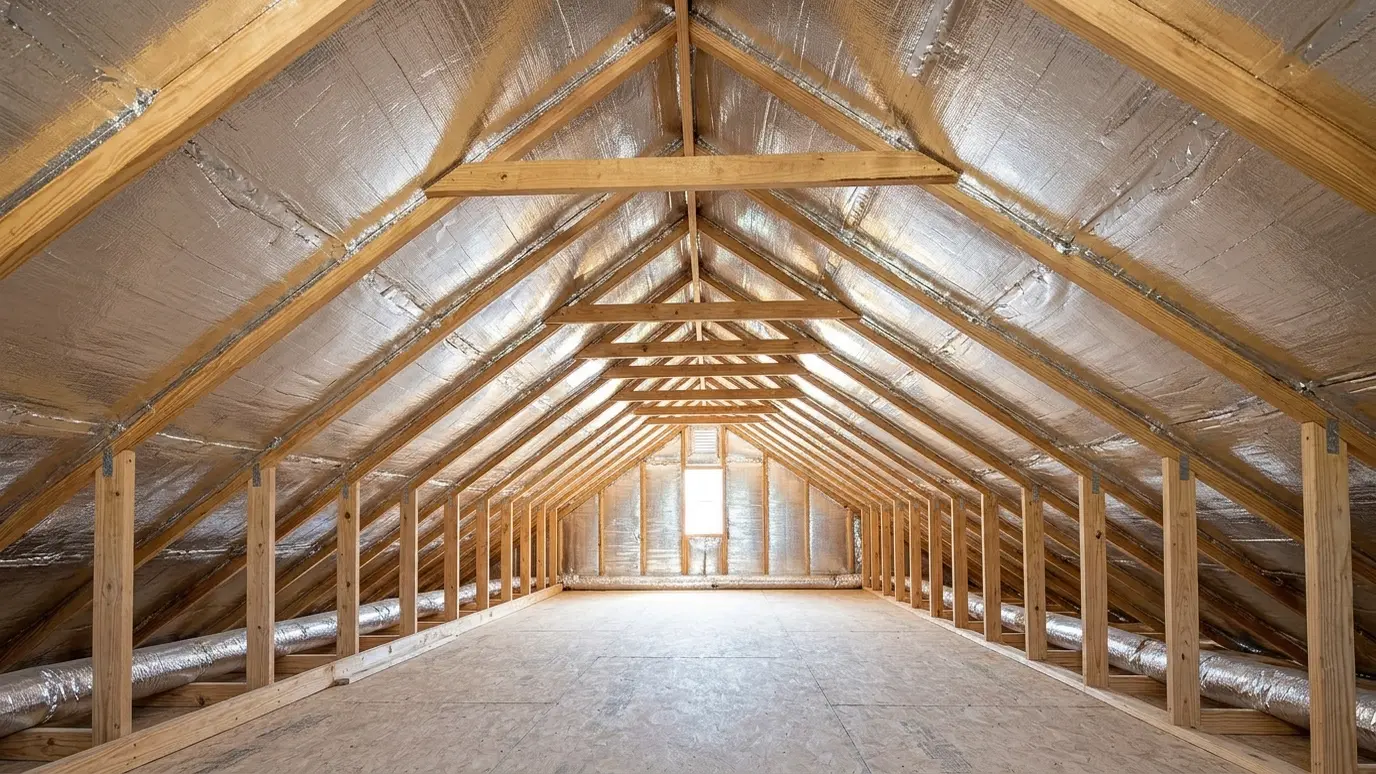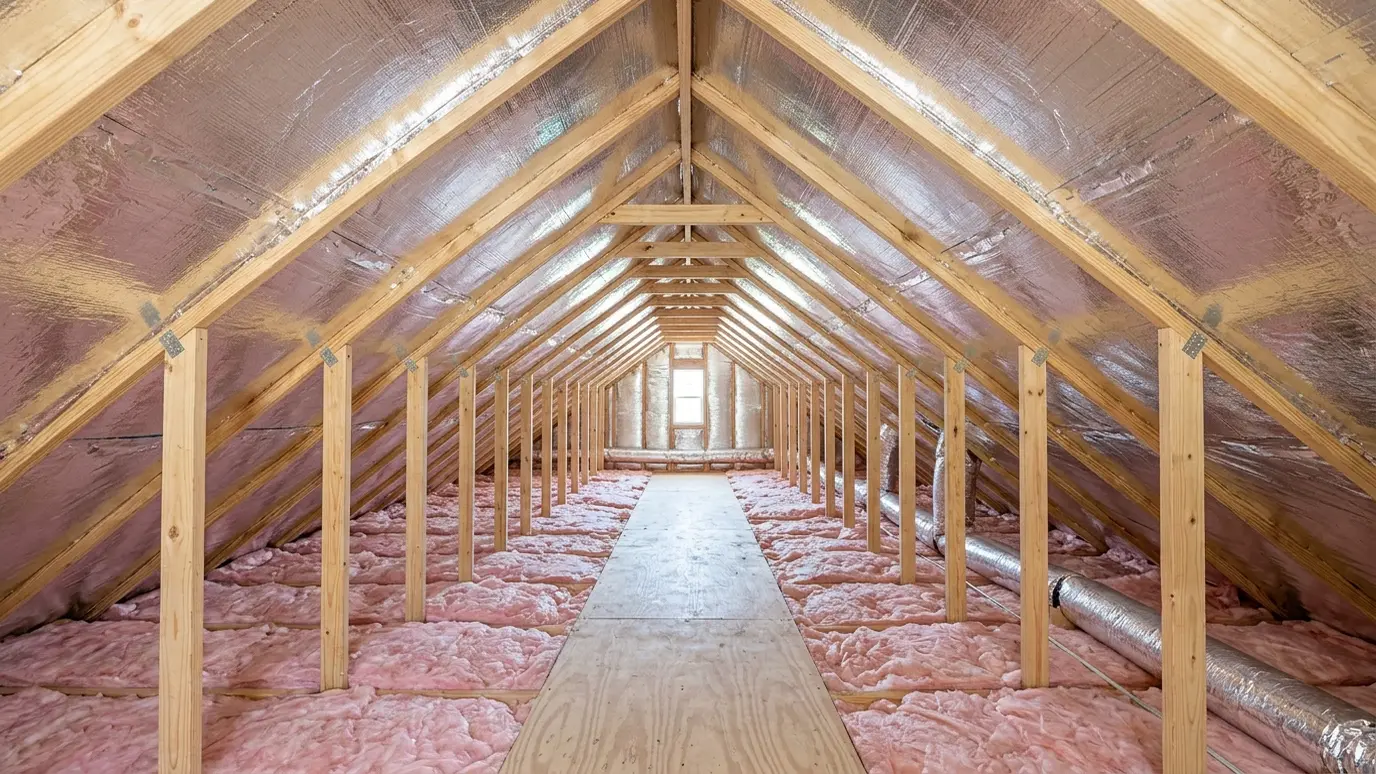
A reflective foil layer for hot attics. Here is how it works, where it helps and what it cannot do.
A radiant barrier is a thin sheet of reflective foil, often on a backing, installed in an attic. It reflects radiant heat from the roof instead of absorbing it. In a hot climate, it can reduce the heat that reaches the attic floor and ductwork.
It is not a substitute for insulation, because it does not slow heat moving by conduction. Its value is highest in homes with ducts and equipment in a hot attic, and it must face an open air space to work. Dust on an upward-facing surface reduces its effect, so placement matters.
Turns back roof heat.
A complement, not a replacement.
The shiny side must face open air.
Cooler attic air around equipment.
A smaller project than insulation.
Less value in winter.
Check an R-value, find your first fixes or ballpark a budget.
 Insulation R-Value CalculatorPick a material and enter the depth to see the approximate R-value, or enter a target to see the depth you need.Try it
 Home Comfort and Heat Loss CheckupAnswer a few questions about your rooms, bills and spaces and see which fixes to look at first.Try it
 Insulation Project Budget PlannerPick a project and a size and get a ballpark planning range.Try it
It can help in hot attics with ducts. Insulation and air sealing usually come first.
It has a small effect. Its main benefit is in summer.
It is possible, but attic work is hot and tight, and placement matters.
 Material guideFiberglassThe most common insulation, in batts and loose-fill. Here is how it performs, where it works well and…Learn more
 Material guideCelluloseRecycled paper fiber, treated for fire and pests, installed loose or dense-packed. Here is where it shines.Learn more
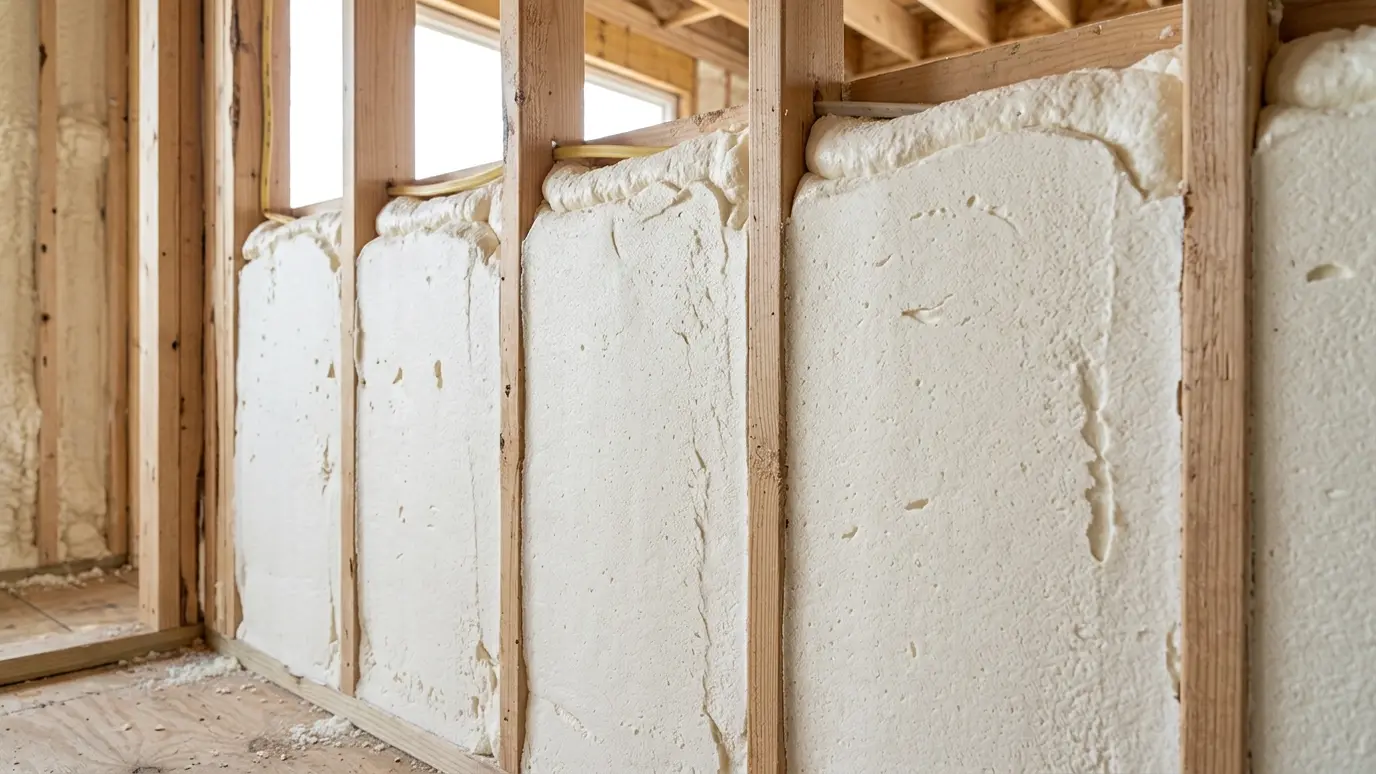 Material guideSpray FoamOpen-cell and closed-cell foam insulate and seal in one step. Here is how to choose and what to…Learn more
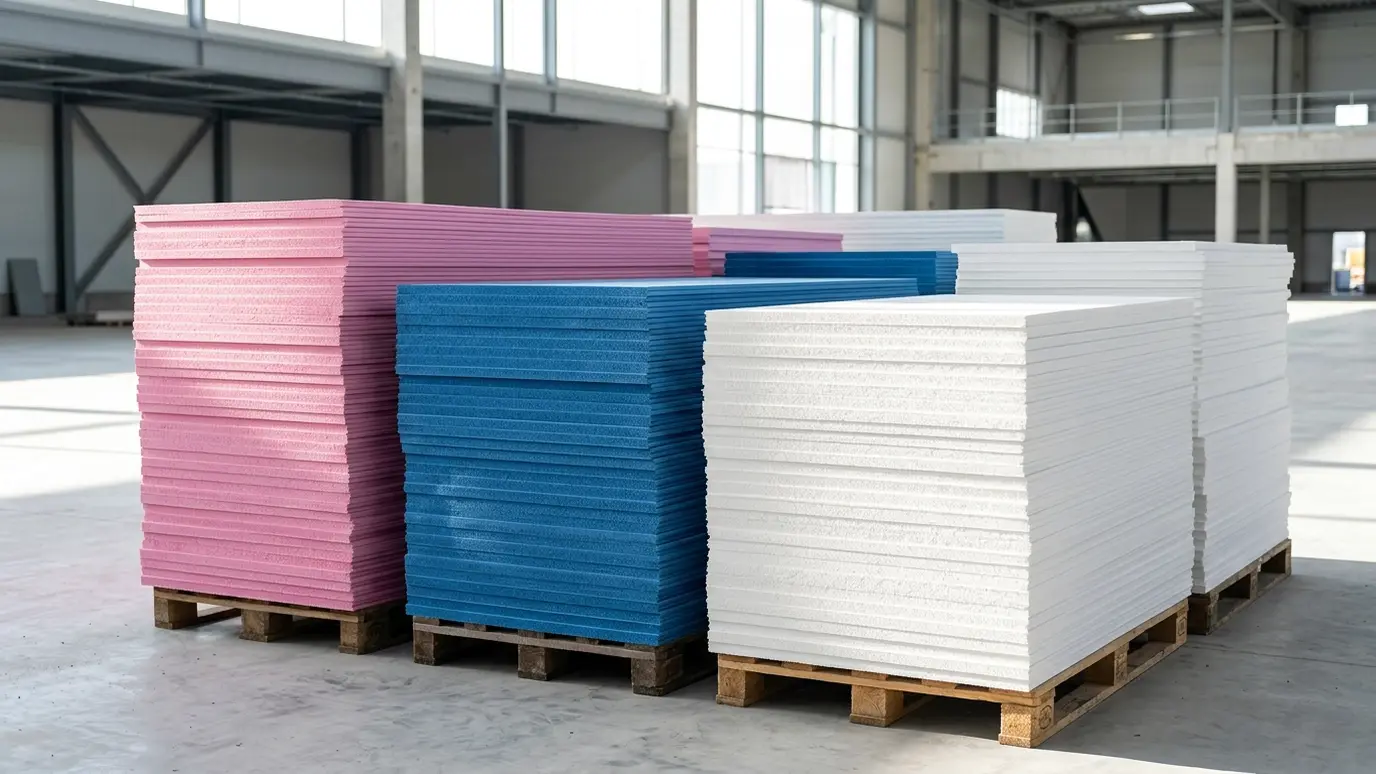 Material guideRigid Foam BoardEPS, XPS and polyiso boards offer continuous insulation for basements, slabs, walls and roofs. Here is how they…Learn more
Call us and we will inspect the attic, walls and crawl space and give you a clear plan and a written scope.