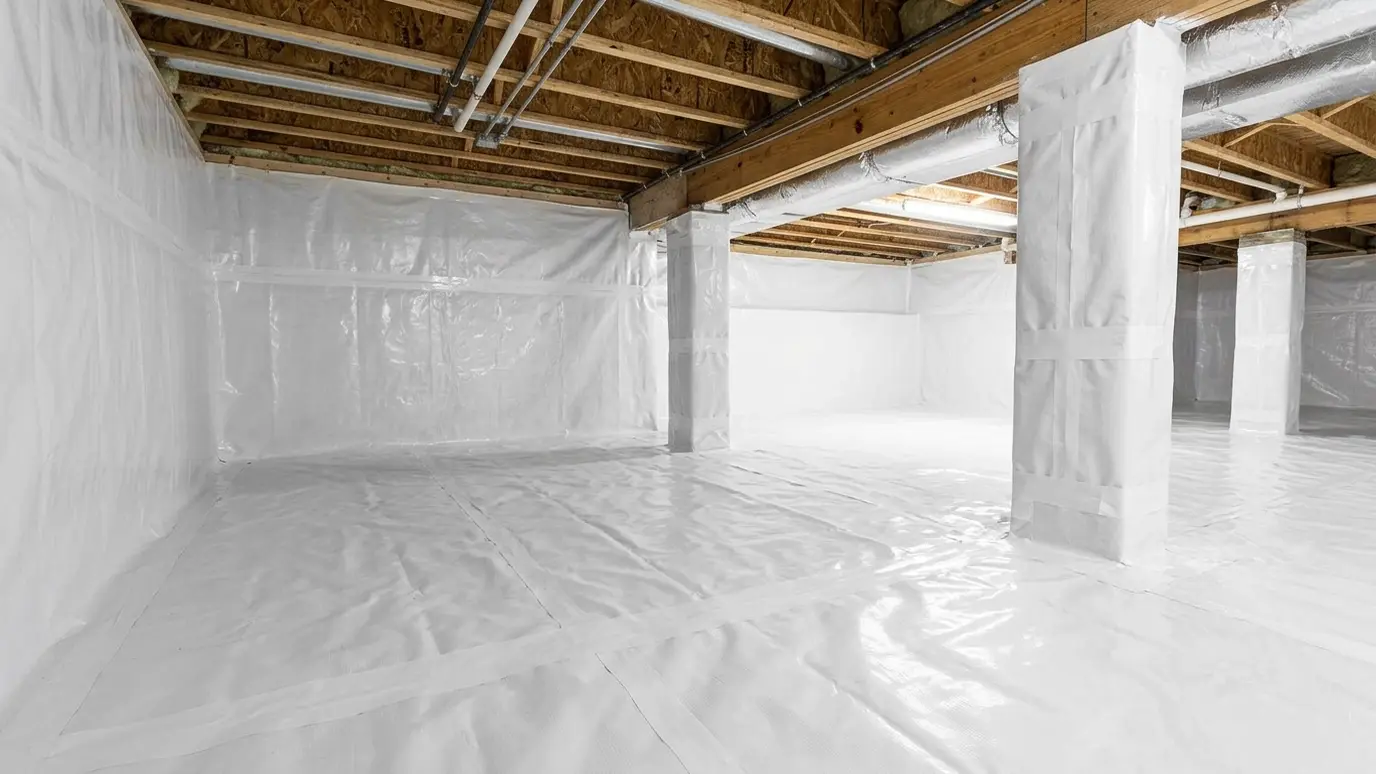
A sealed, dry, conditioned crawl space with a heavy vapor barrier, so humidity, mold and cold floors stop being a problem.
Middle Tennessee is humid, and a vented crawl space brings that humid air under your house every summer. The air condenses on cool ducts, joists and the ground, and the result is damp wood, musty smells, pests and floors that feel cold or spongy.
Encapsulation turns the crawl space into a sealed, controlled part of the home. We level and clean the ground, cover the floor and walls with a heavy-duty vapor barrier sealed at every seam, close the foundation vents and add drainage and dehumidification where the space needs them.
Vents were meant to dry the space, but in humid weather they bring in more moisture than they remove. A sealed space with its own humidity control stays drier and more stable.
A thick, reinforced barrier covers the floor and climbs the walls and piers, with seams overlapped and taped. Fasteners and sealant hold it tight so it behaves as one continuous layer.
Standing water or a high water table needs a drainage plan, such as a sump pump or interior drain. We assess the space and fix the water first, then seal.
Even a sealed crawl space needs a way to manage humidity. We add a dehumidifier or supply conditioned air as the space requires, so it stays in a healthy range.
Drag the handle to compare.
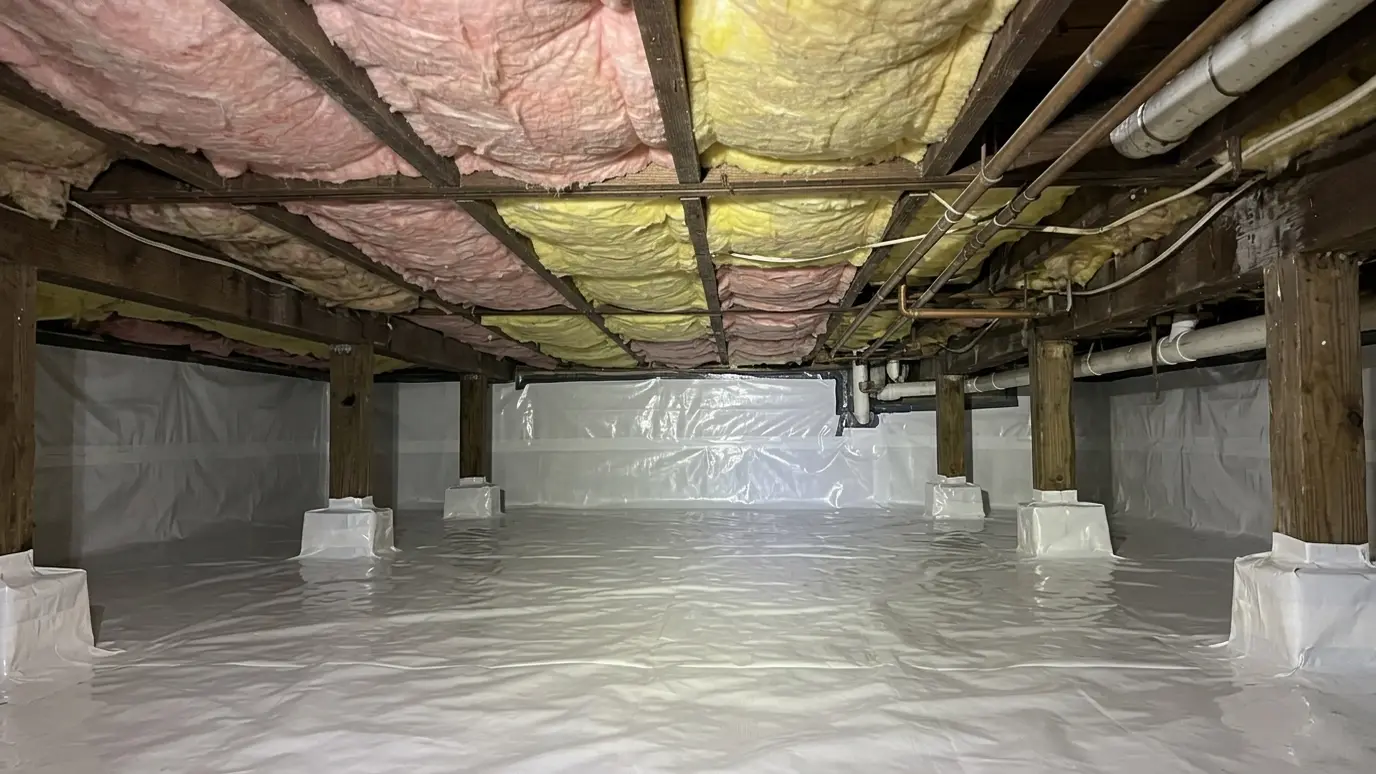
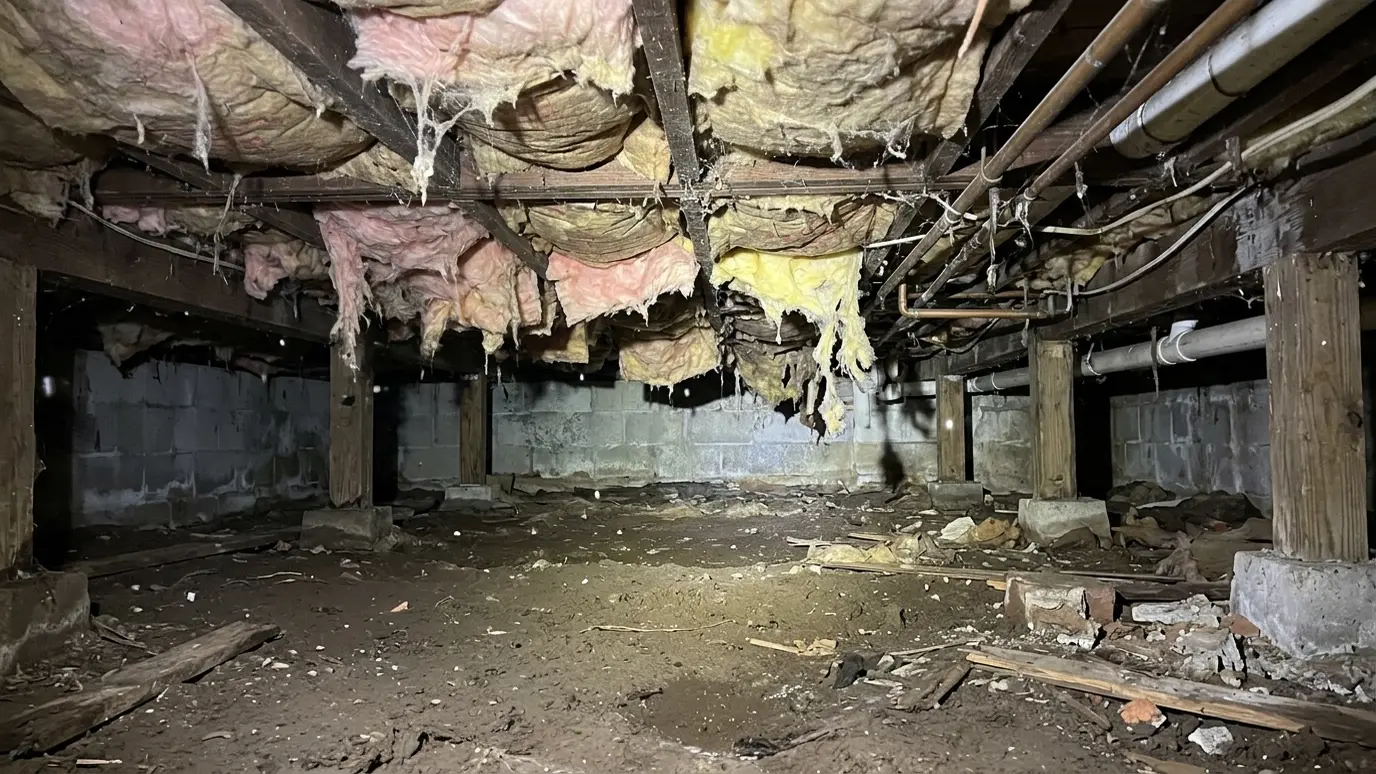 BeforeAfter
Floor and walls sealed as one layer.
Standing water handled before sealing.
Dehumidifier sized for the space.
Air sealed at every opening.
Damage found before it is covered.
Better air quality in the home above.
Every topic has its own page with what to expect and how we approach it.
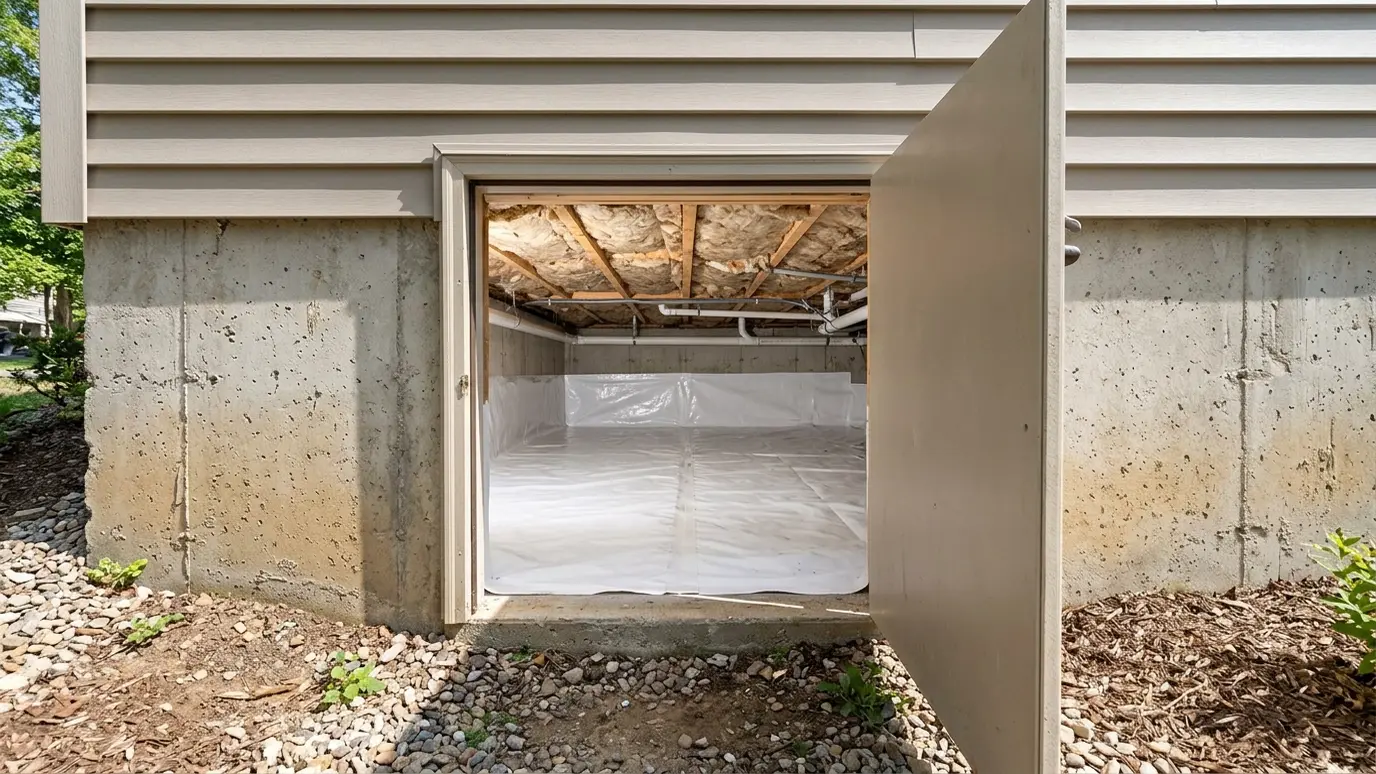 Project situationCrawl Space HomesIn our humid climate, the crawl space shapes the comfort of your floors and the air in your…Learn more
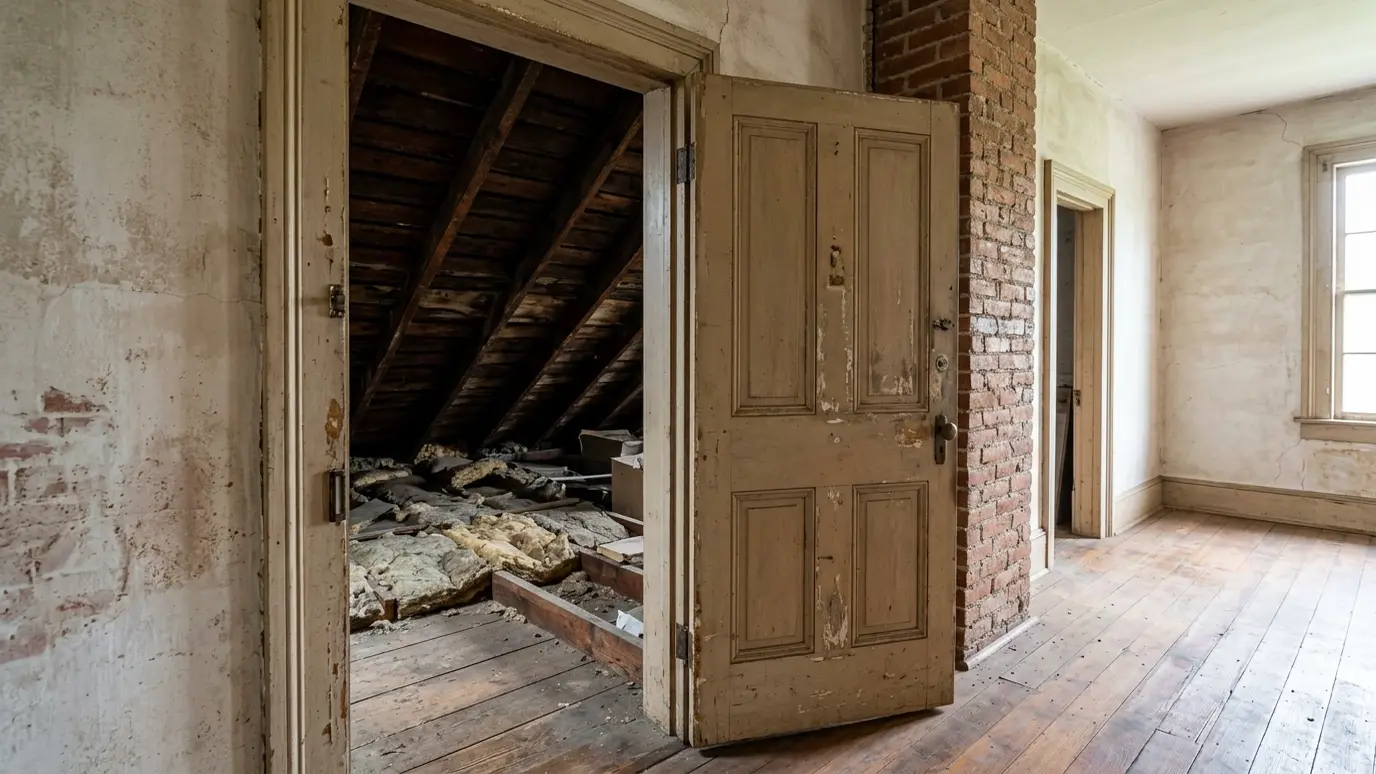 Project situationOlder HomesOlder houses have charm and hidden challenges, from empty walls to unsealed attics. Here is how to improve…Learn more
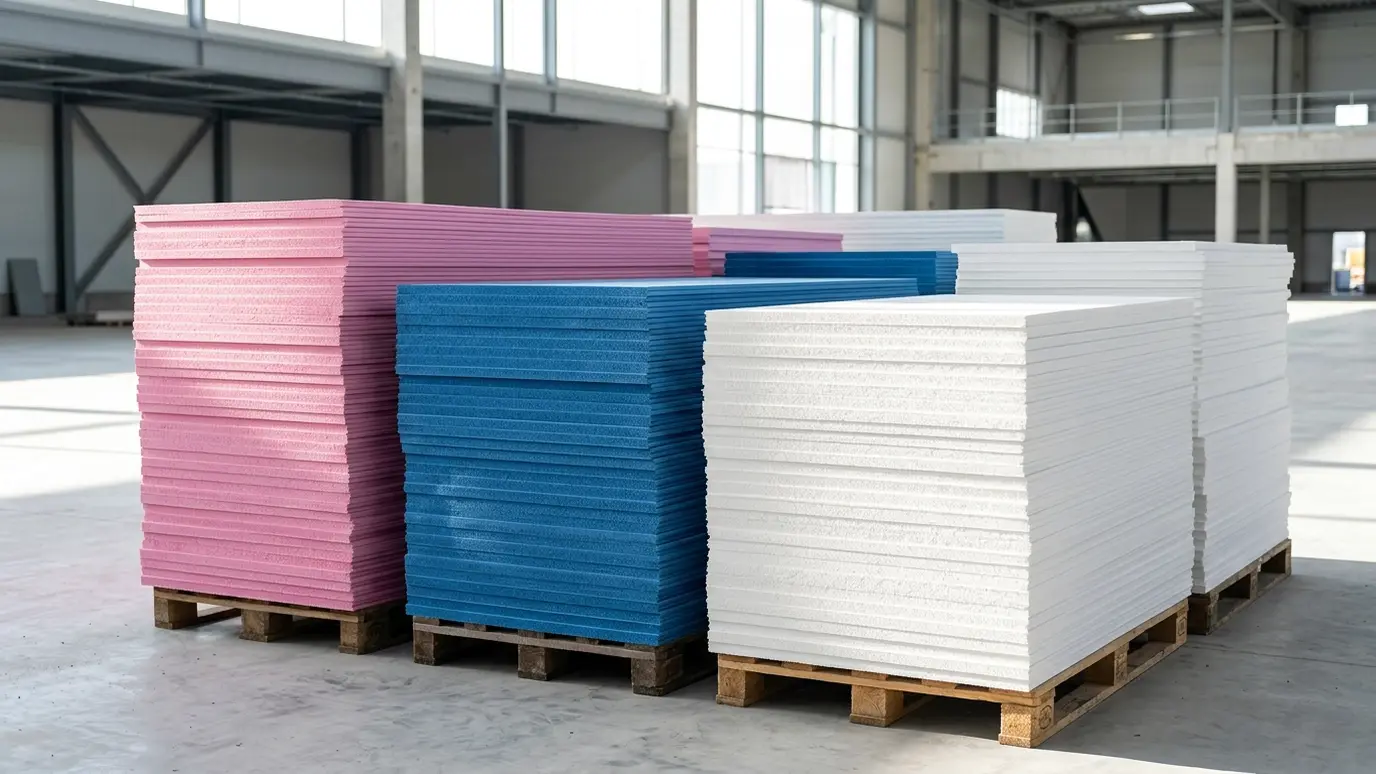 Material guideRigid Foam BoardEPS, XPS and polyiso boards offer continuous insulation for basements, slabs, walls and roofs. Here is how they…Learn more
Enter the area and the thickness to see board feet of foam and the approximate R-value for open-cell and closed-cell.
You tell us what is going on, which rooms bother you and what you hope to change, and we set a time that fits your day.
We walk the attic, walls, crawl space and equipment, measure depths and use thermal imaging when it helps.
We protect the house, seal air leaks, place baffles and fix small problems so the insulation can do its job.
Loose-fill, batts, foam or board goes in to the planned depth, with clean edges and clear markers.
We measure the result, take photos and test air leakage when the scope includes it.
We walk the finished work with you, answer questions and leave the site clean.
It removes the moisture that mold needs. If mold is already present, it should be addressed by a remediation specialist before sealing.
Yes, when combustion appliances and moisture are handled properly. We review them during the visit.
A quality barrier lasts many years when it is not punctured. We protect it with walkway pads where you or a technician go.
Most closed crawl spaces in our climate benefit from one, particularly in summer. We size it to the volume of the space.
Most crawl spaces take one to three days, depending on size, water issues and access.
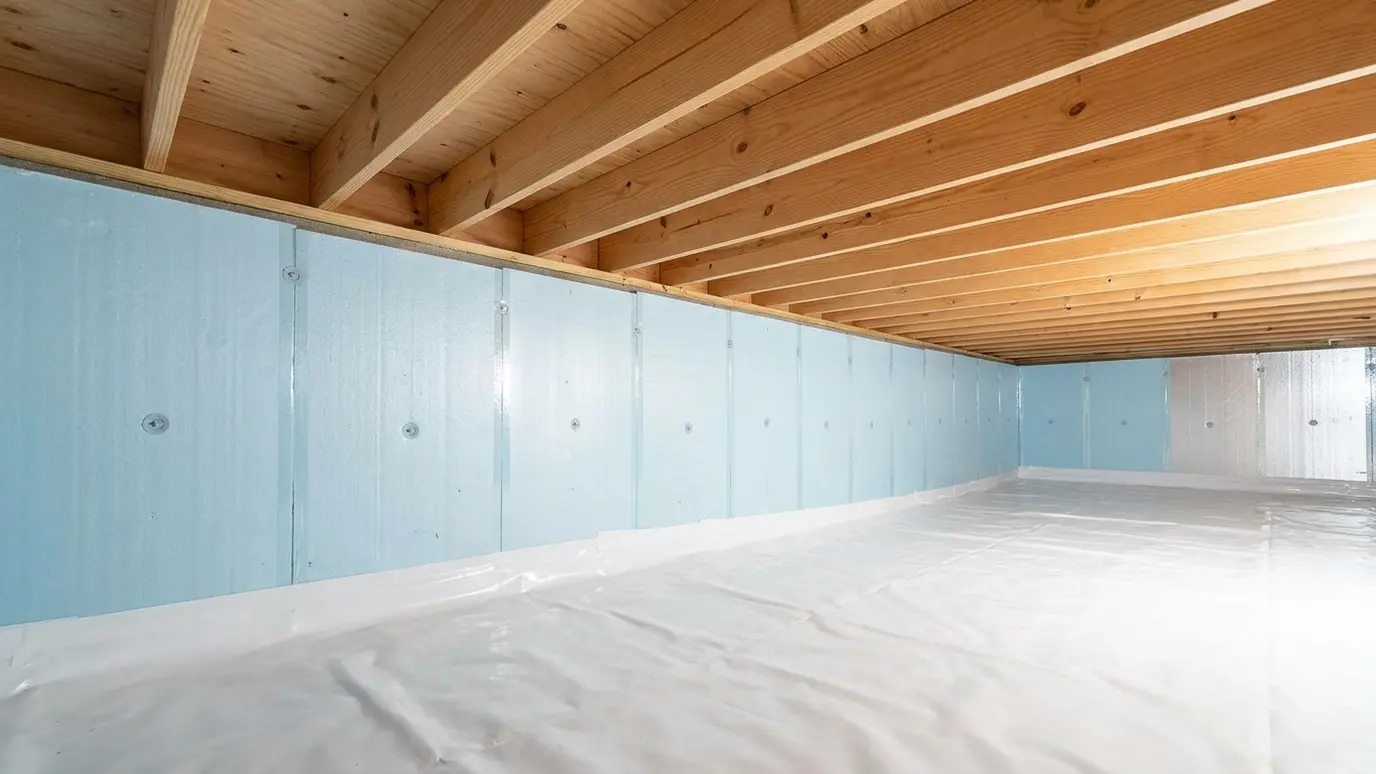 Crawl Space InsulationInsulation on the walls or under the floor, chosen for your crawl space so the house above stays…Explore
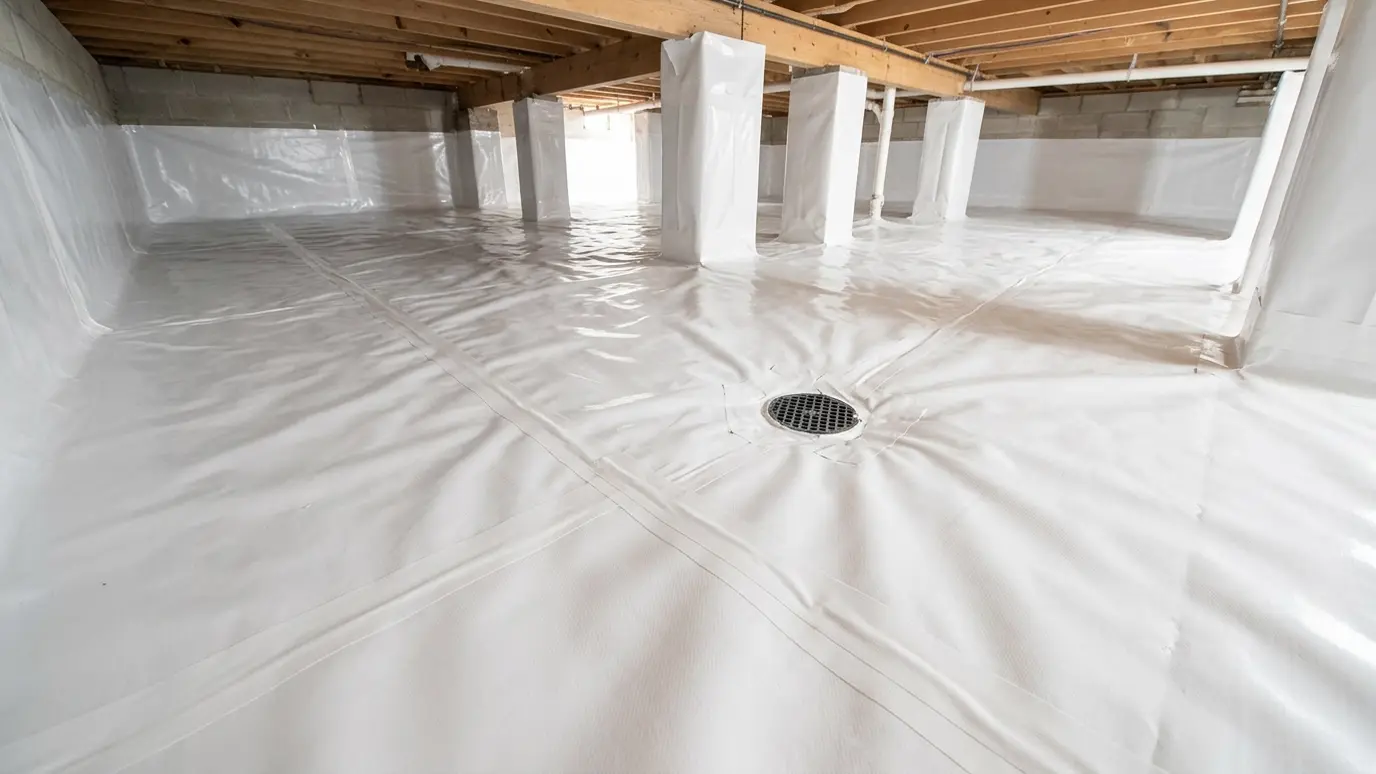 Vapor Barriers and MoistureGround covers, wall liners and drainage that keep moisture from rising into the house, installed with taped seams…Explore
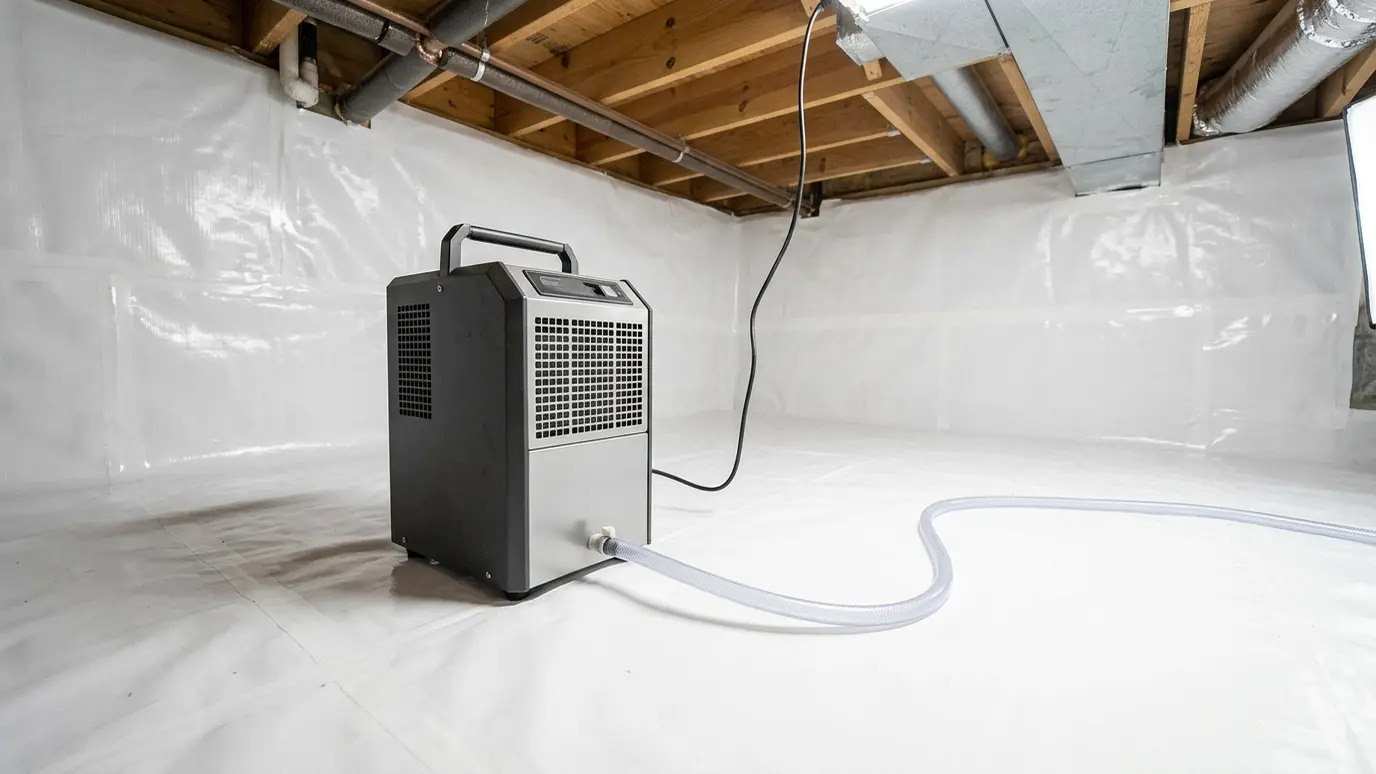 Crawl Space DehumidificationA sized dehumidifier and controlled airflow that keep a sealed crawl space in a healthy humidity range through…Explore
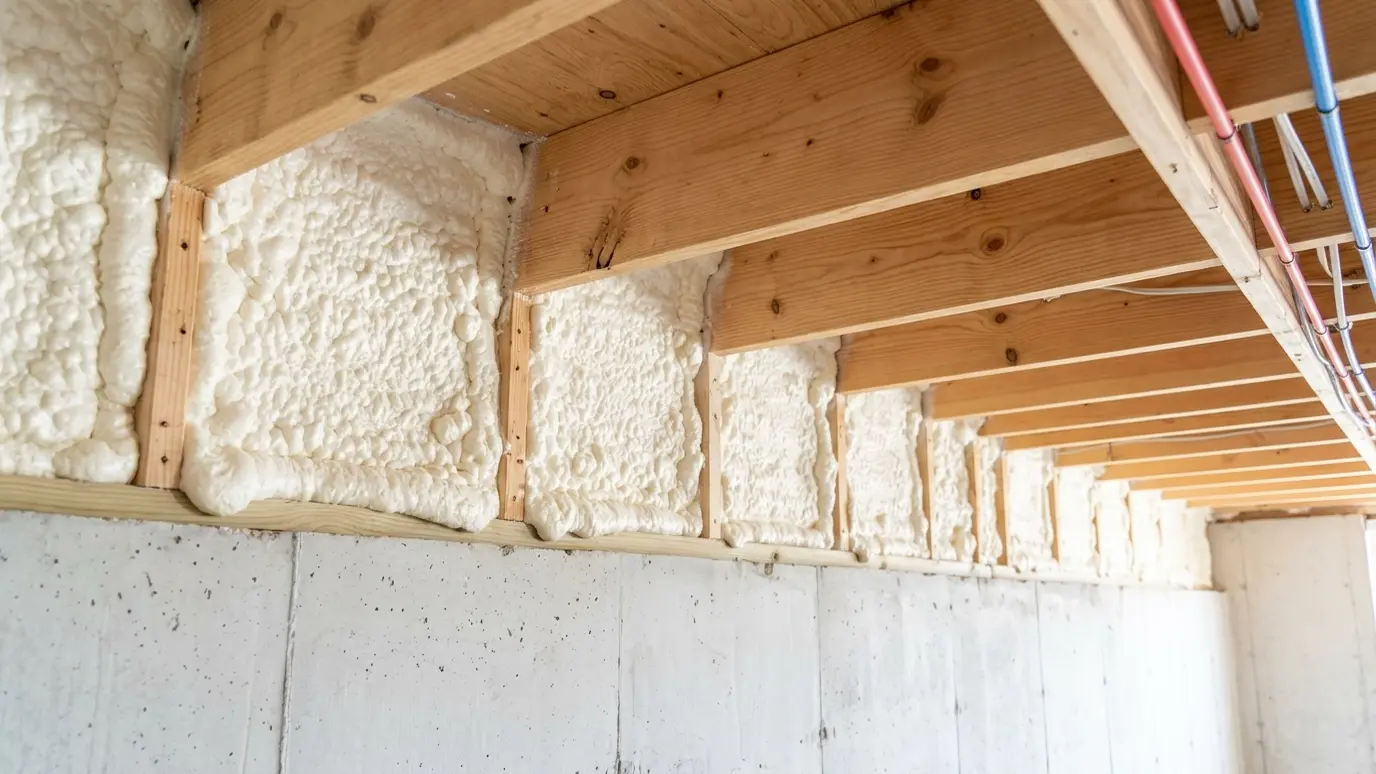 Rim Joist InsulationThe leaky band around the top of your foundation, sealed and insulated so drafts and cold floors stop…Explore
Tell us about the project and we will call you back to talk it through.
Or call (615) 357-7797 to talk now.