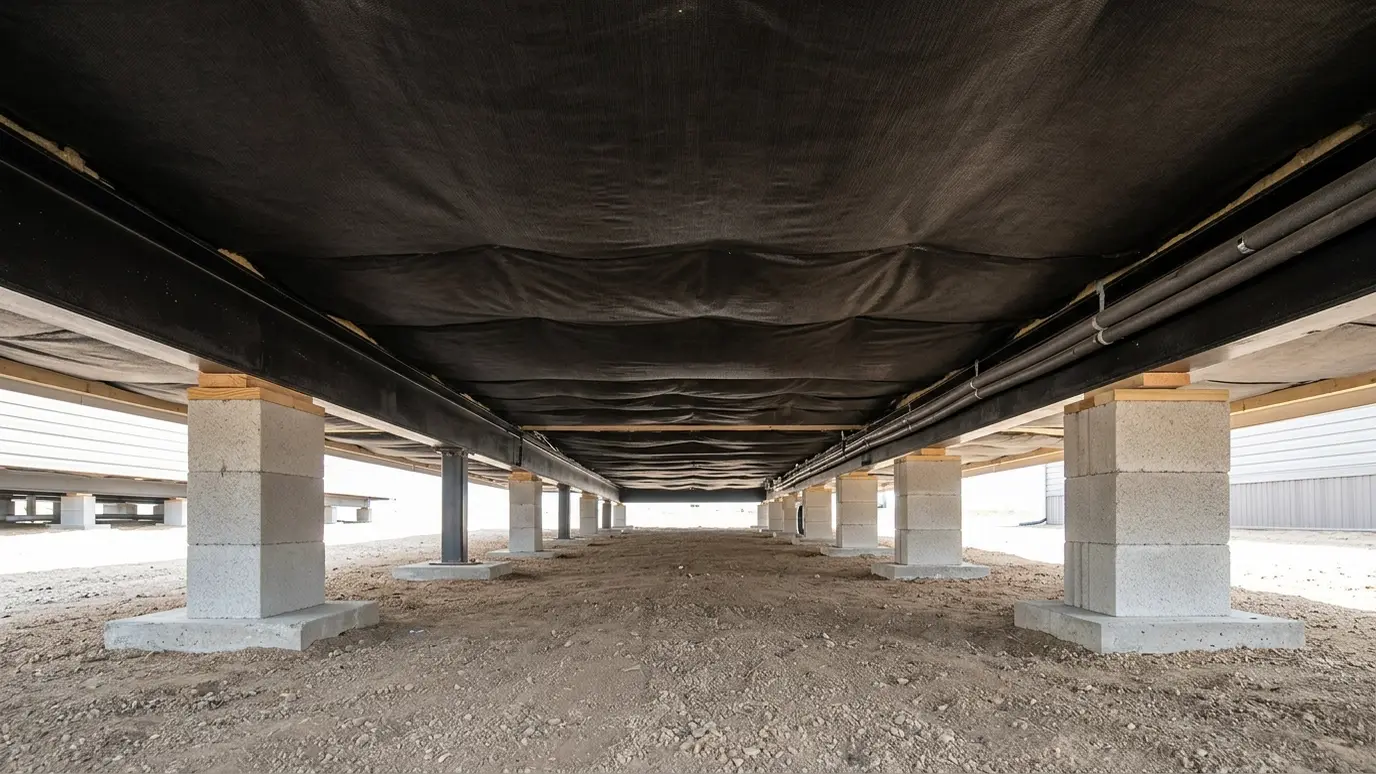
Insulation for roofs, floors and belly cavities designed for manufactured housing, with the right materials and gentle methods.
Mobile and manufactured homes are built differently from site-built houses. The roof cavity is shallow, the walls are thin and the floor has a belly wrap that holds insulation and ducts. Heavy methods or the wrong material can damage them, so the approach has to fit the structure.
We use gentle techniques and materials suited to each part. Blown insulation goes into the roof cavity through small access points, belly cavities get repaired and refilled, and we seal the rim and penetrations. We also check for moisture, torn belly wrap and ducts, since these are common problems.
The cavity is shallow and the roof may be light. We use controlled blowing through small holes and a careful density, so the ceiling is not stressed.
The belly wrap protects the floor insulation and ducts. If it is torn, pests and moisture get in. We patch or replace it and refill the insulation.
Many ducts run through the belly. Sealing them with mastic and wrapping them improves comfort and cuts loss.
A dry home lasts longer. We check for leaks, skirting vents and ground moisture and advise on skirting and a ground cover.
Drag the handle to compare.
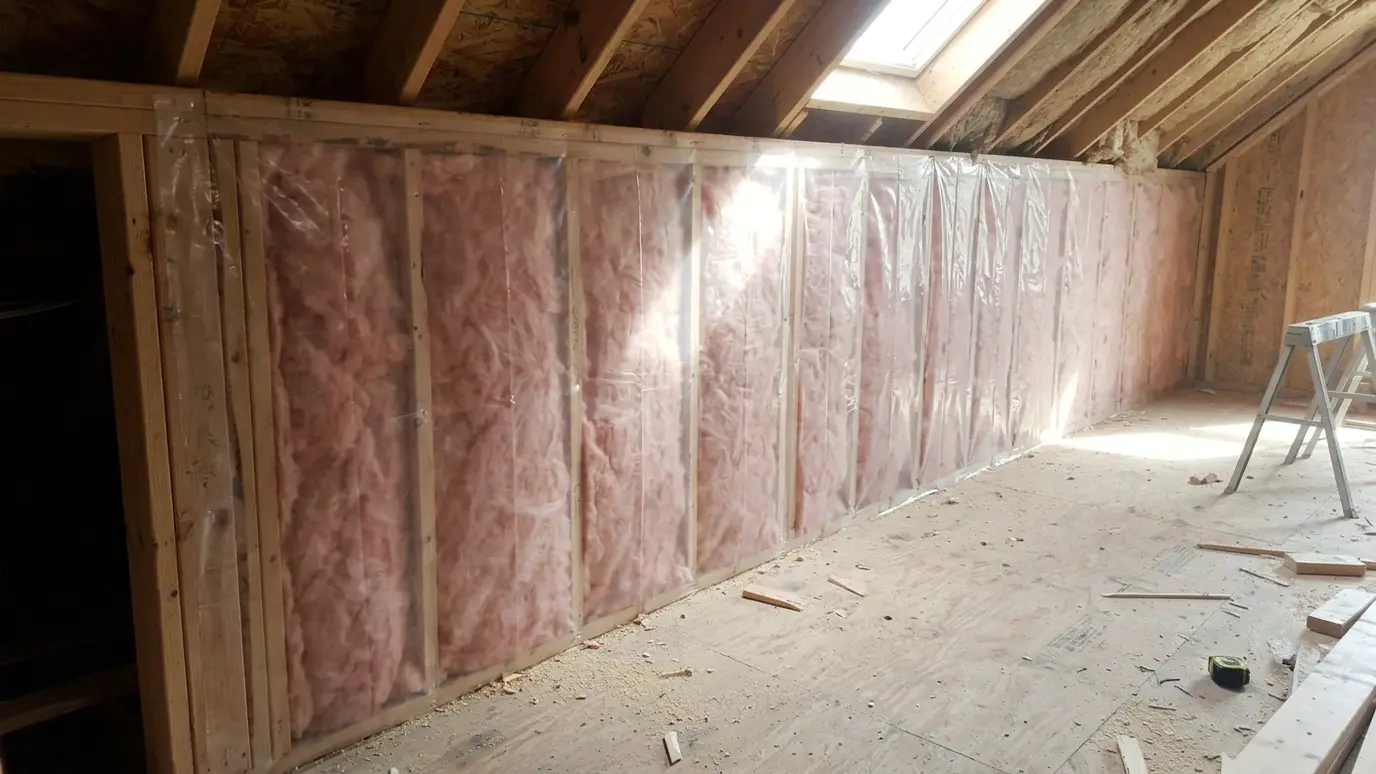
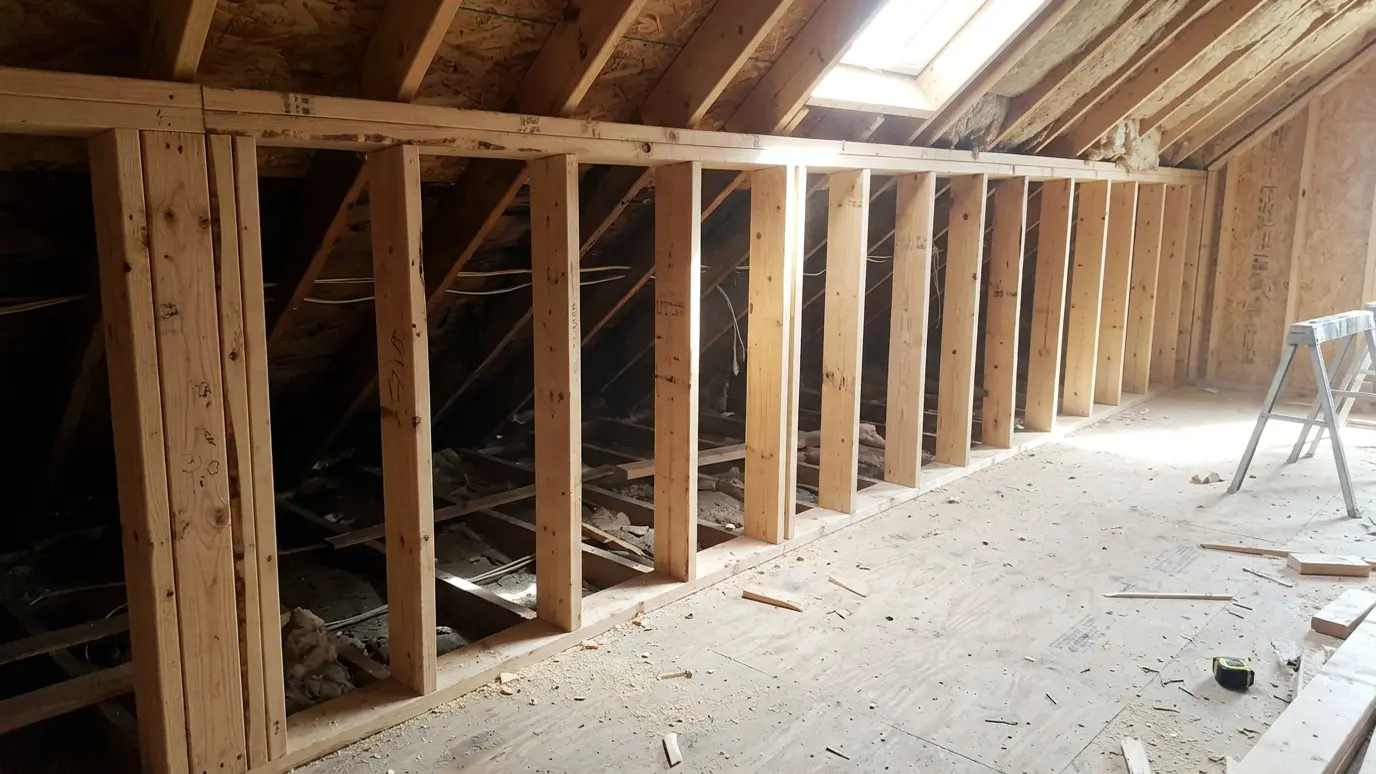 BeforeAfter
Gentle, controlled density.
Wrap patched and insulation replaced.
Mastic and insulation under the floor.
Leaks and ground cover checked.
Sealed against air and pests.
More even temperatures.
Every topic has its own page with what to expect and how we approach it.
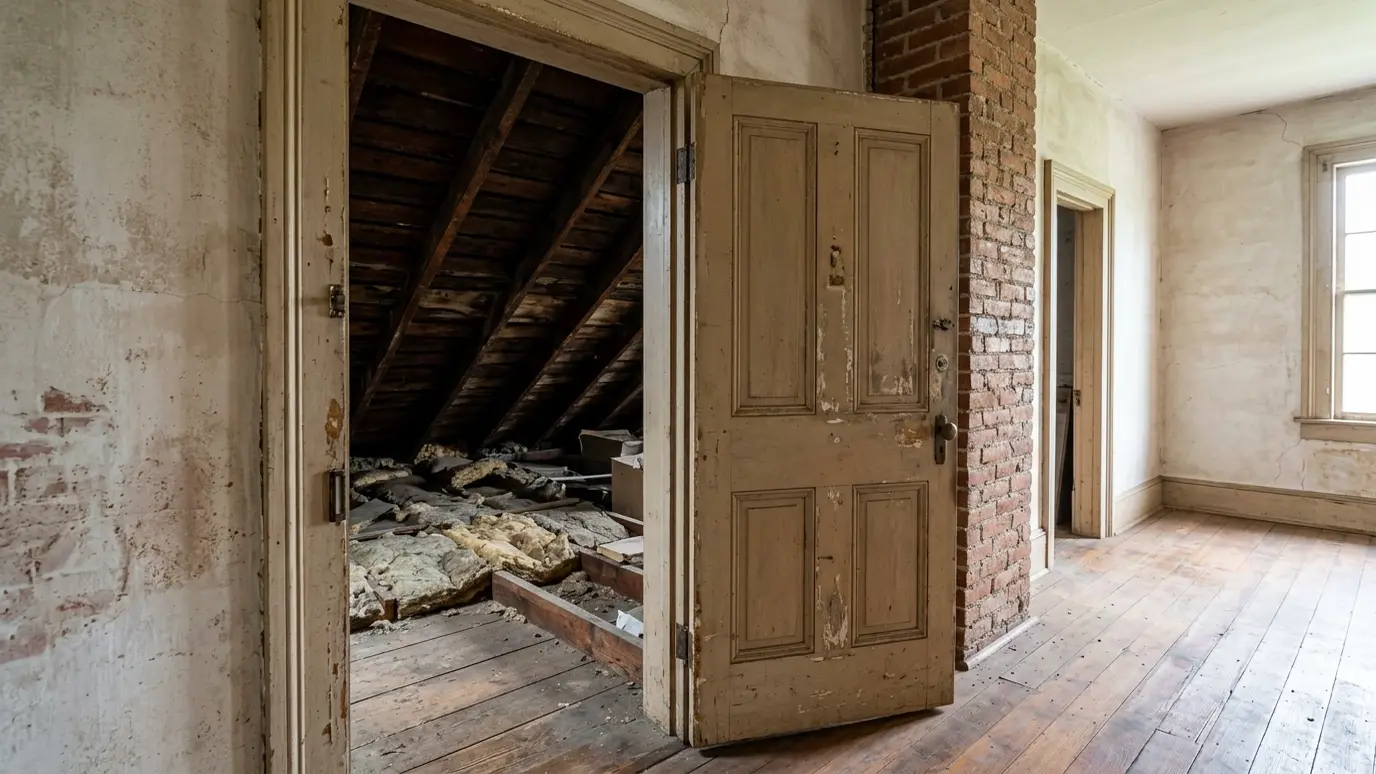 Project situationOlder HomesOlder houses have charm and hidden challenges, from empty walls to unsealed attics. Here is how to improve…Learn more
 Project situationHigh Energy BillsWhen bills climb and the house still does not feel right, the building is often the reason. Here…Learn more
 Project situationHot and Cold RoomsOne room is always too warm and another is always too cold. Here is why it happens and…Learn more
Enter your project cost, your yearly energy cost and the change you expect to see how long it could take to pay back.
You tell us what is going on, which rooms bother you and what you hope to change, and we set a time that fits your day.
We walk the attic, walls, crawl space and equipment, measure depths and use thermal imaging when it helps.
We protect the house, seal air leaks, place baffles and fix small problems so the insulation can do its job.
Loose-fill, batts, foam or board goes in to the planned depth, with clean edges and clear markers.
We measure the result, take photos and test air leakage when the scope includes it.
We walk the finished work with you, answer questions and leave the site clean.
Yes. We use small access points and controlled density, and we avoid heavy loading.
A fabric or board cover under the home that holds insulation and protects ducts. Tears let in pests and moisture.
Often yes. Many older models have thin insulation and leaky floors, and the comfort change is noticeable.
It helps, along with sealing and ventilation. We look for the source of moisture.
We advise on skirting, vents and ground covers and coordinate with skirting installers when needed.
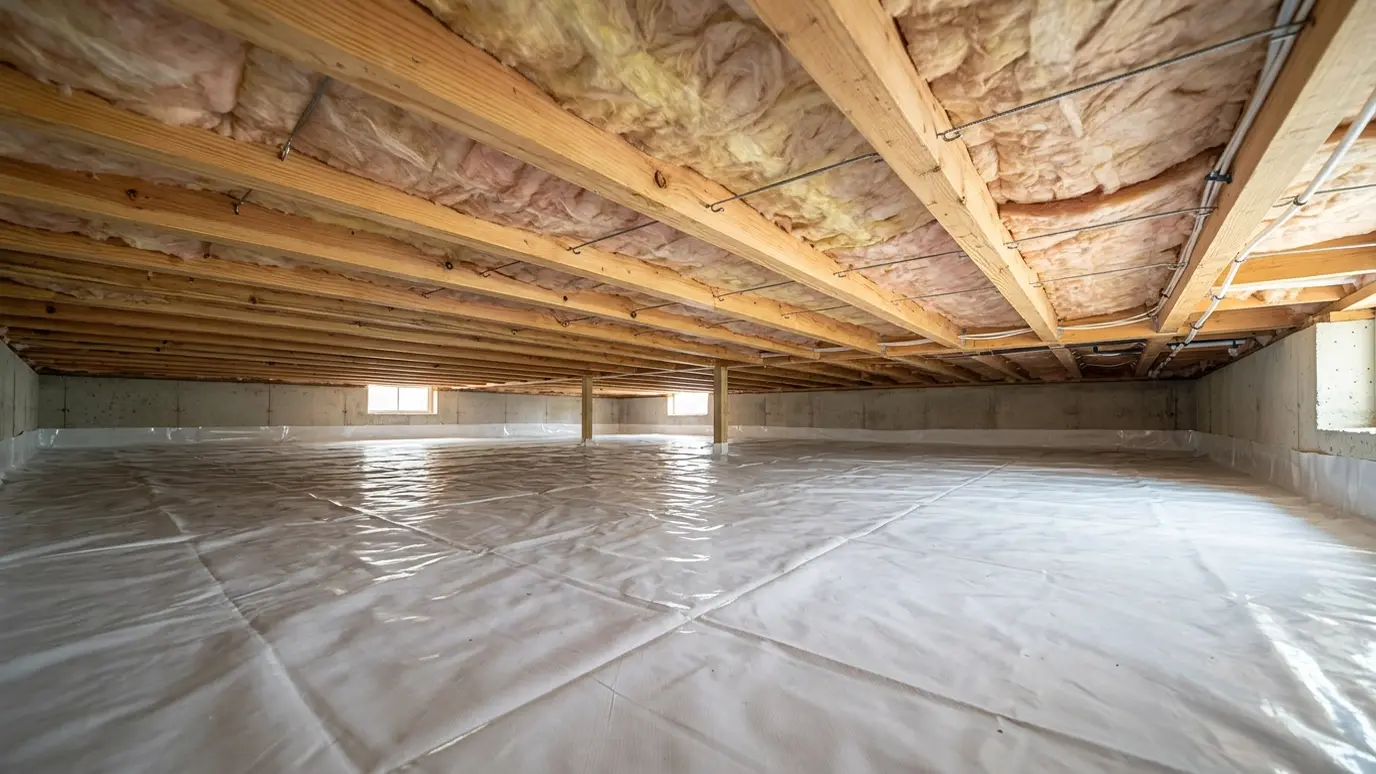 Floor and Subfloor InsulationInsulation under cold floors, over crawl spaces, garages and cantilevers, so the floors above feel warm underfoot.Explore
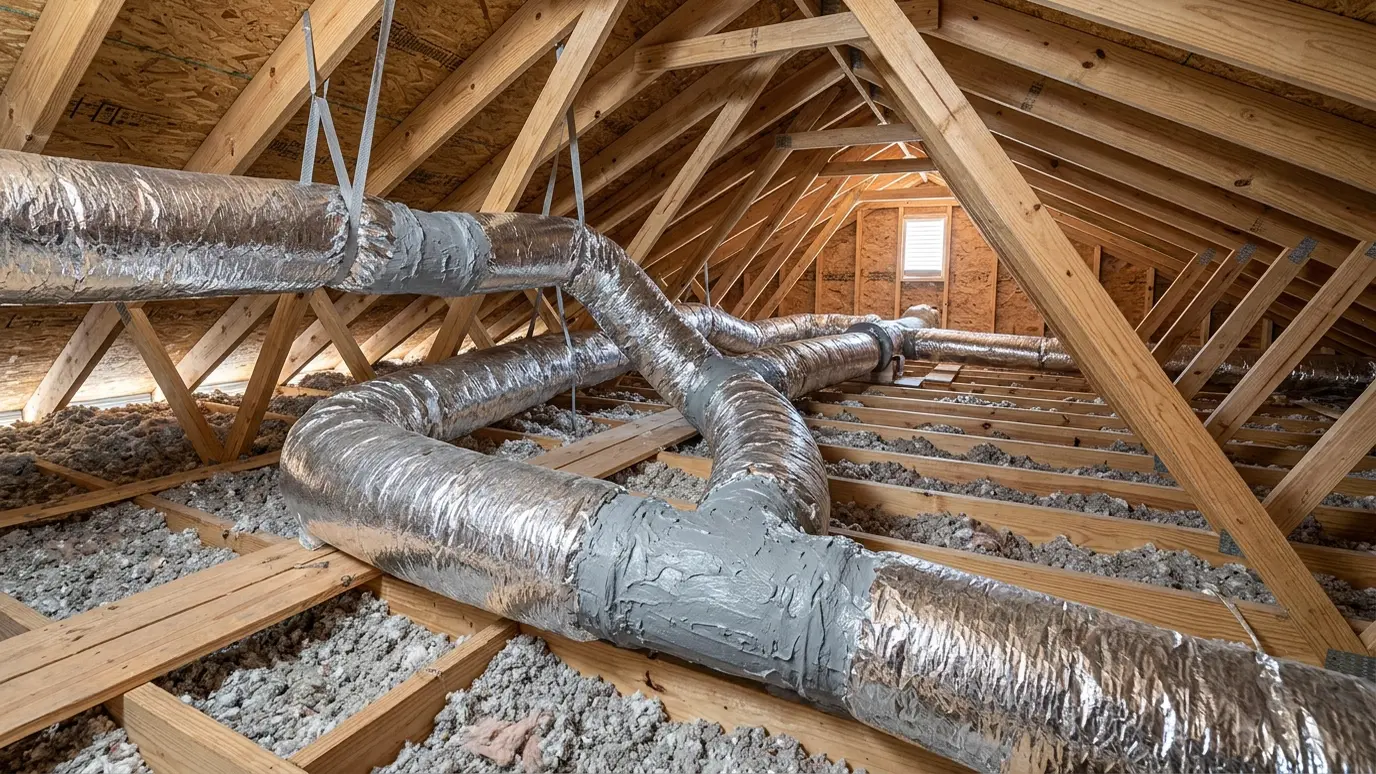 Duct Sealing and InsulationLeaky, uninsulated ducts in attics and crawl spaces repaired and wrapped, so the air you pay to condition…Explore
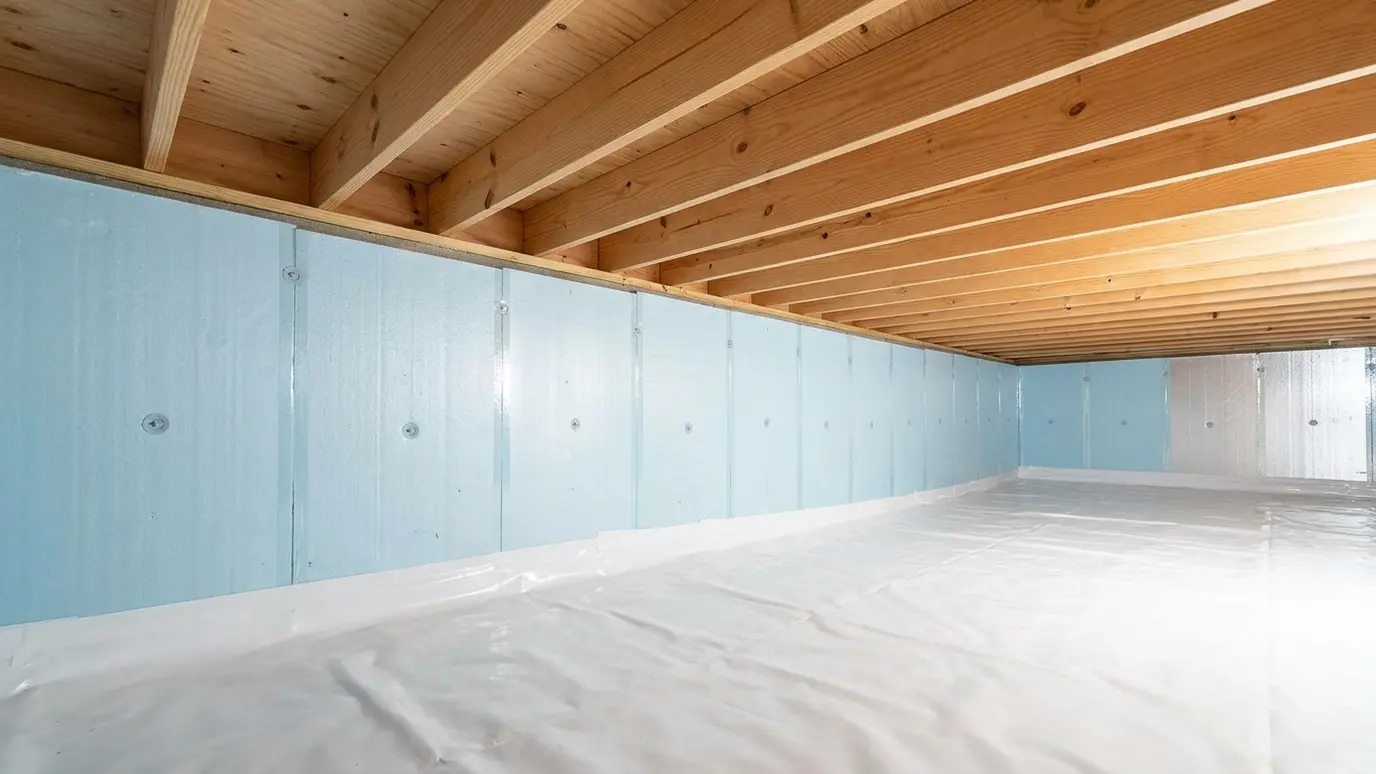 Crawl Space InsulationInsulation on the walls or under the floor, chosen for your crawl space so the house above stays…Explore
 Home Energy AuditsA whole-house assessment that finds where your home loses comfort and energy and ranks the fixes in the…Explore
Tell us about the project and we will call you back to talk it through.
Or call (615) 357-7797 to talk now.