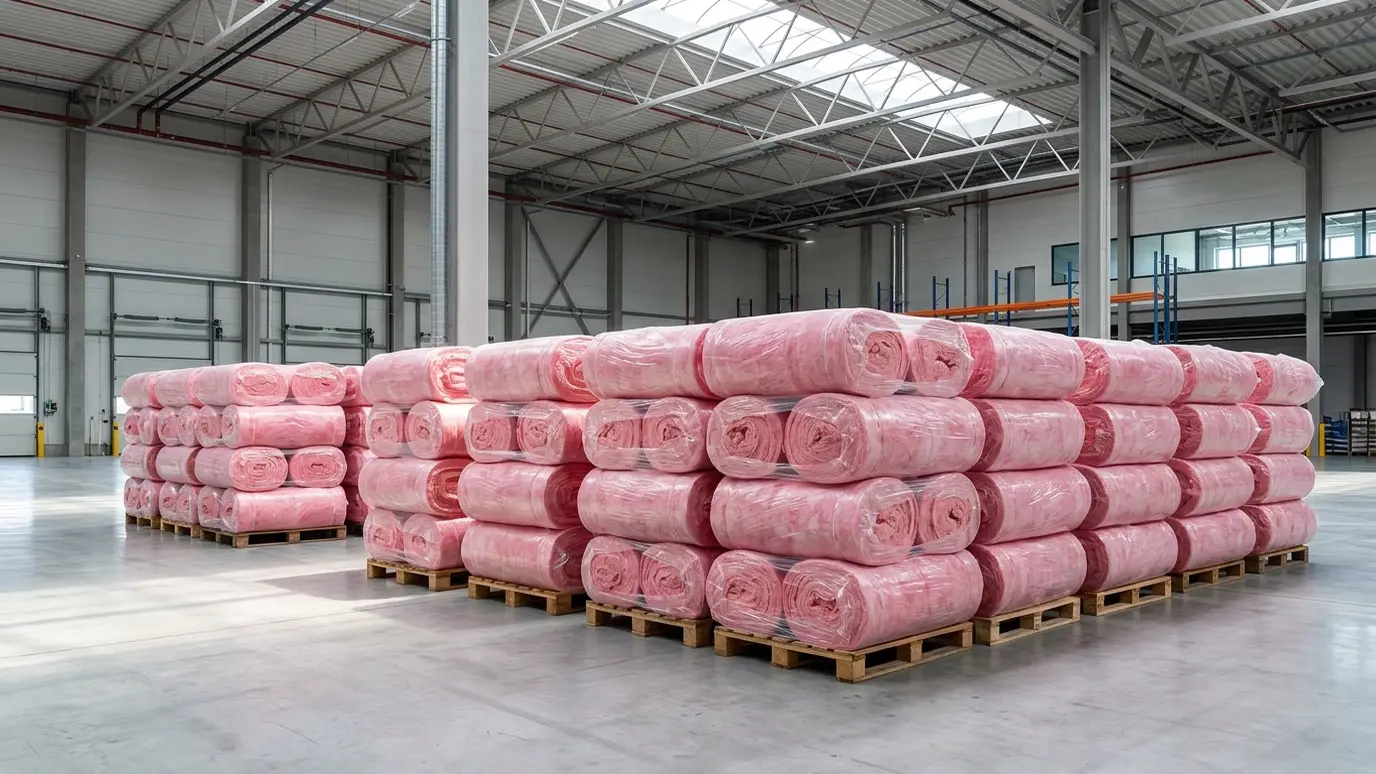
The most common insulation, in batts and loose-fill. Here is how it performs, where it works well and where to choose something else.
Fiberglass is made of fine glass fibers that trap air. It comes as batts and rolls for walls, floors and ceilings, and as loose-fill that can be blown into attics. It is light, widely available and cost-effective, and it does not absorb water as a sponge would.
Its performance depends heavily on installation. Gaps, folds and compression reduce its value, and moving air can pass through it, so it needs an air barrier next to it. When it is cut well, fitted to the cavity and paired with good air sealing, fiberglass is a dependable choice.
Two forms for different spaces.
Needs depth for performance.
Dries out if wetted, but can hold moisture.
Glass fibers do not burn.
Good value for open cavities.
Fit and sealing are everything.
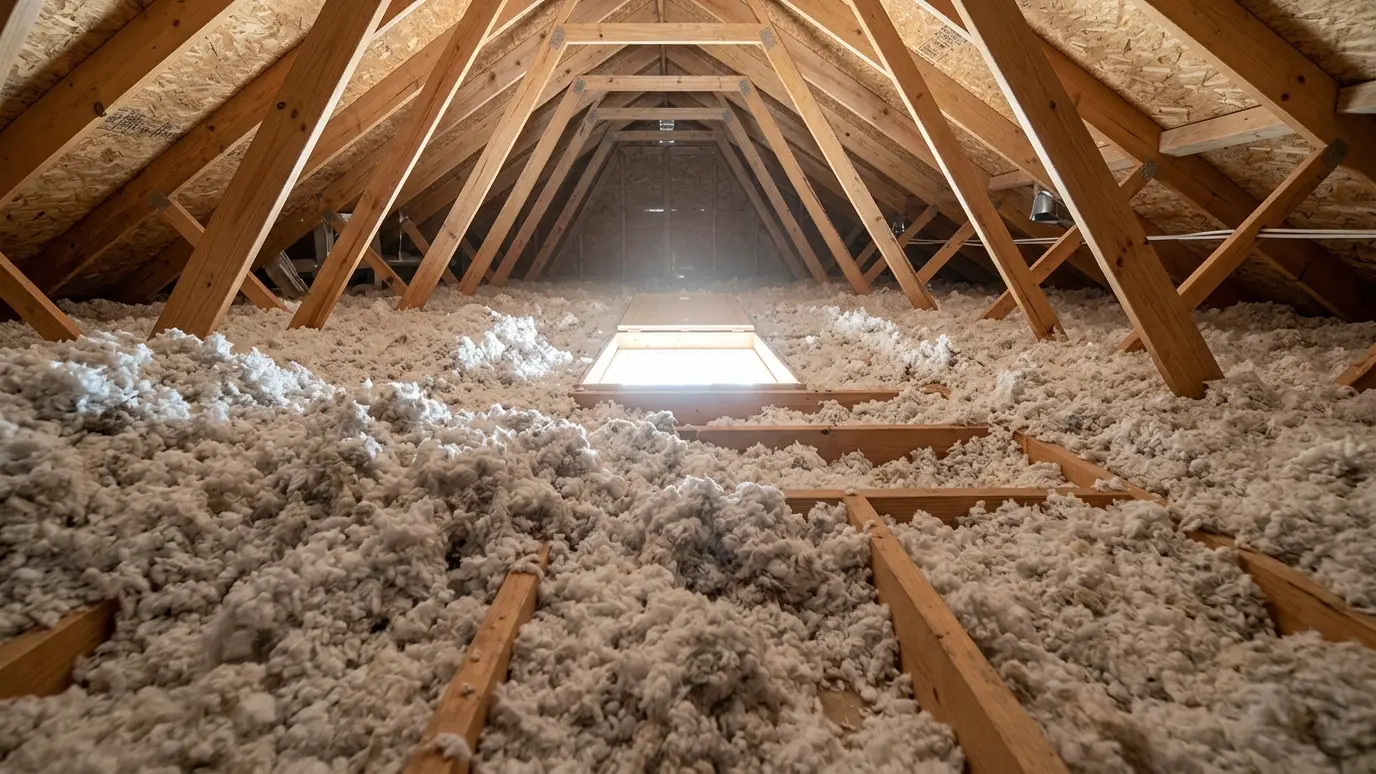 Blown-In Attic InsulationA deep, even blanket of loose-fill insulation over your ceiling, installed to a measured depth so every room…Explore
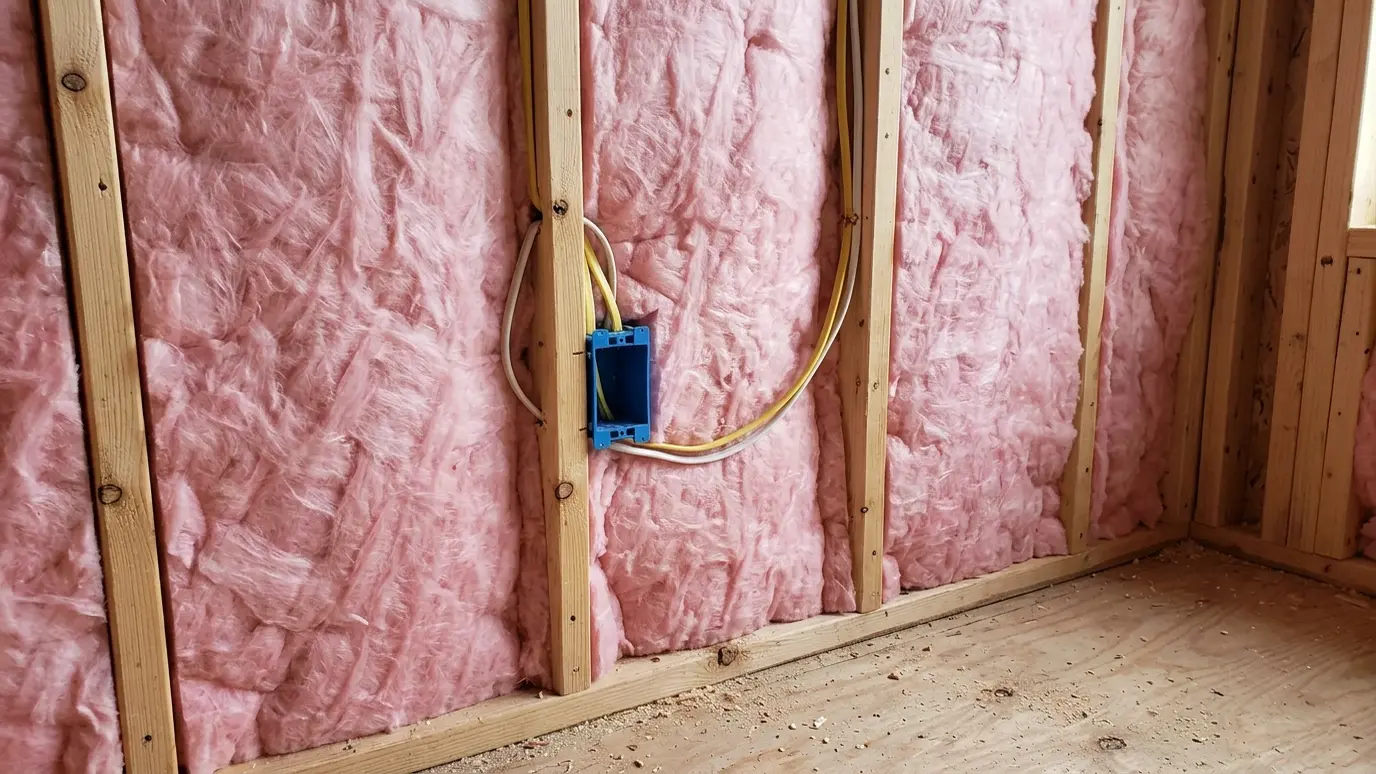 Fiberglass Batt InsulationPrecisely fitted batts in walls, floors and ceilings, cut around wiring and boxes so the cavity is filled…Explore
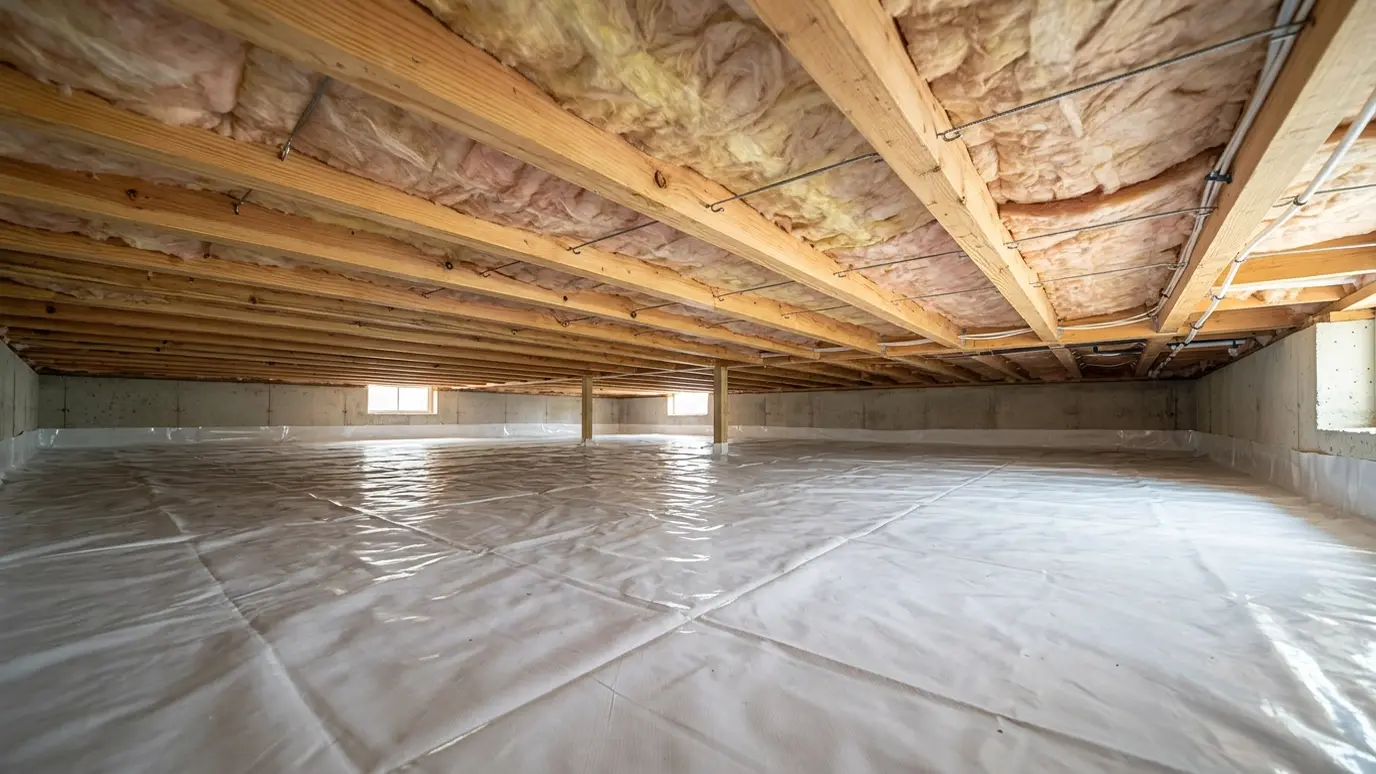 Floor and Subfloor InsulationInsulation under cold floors, over crawl spaces, garages and cantilevers, so the floors above feel warm underfoot.Explore
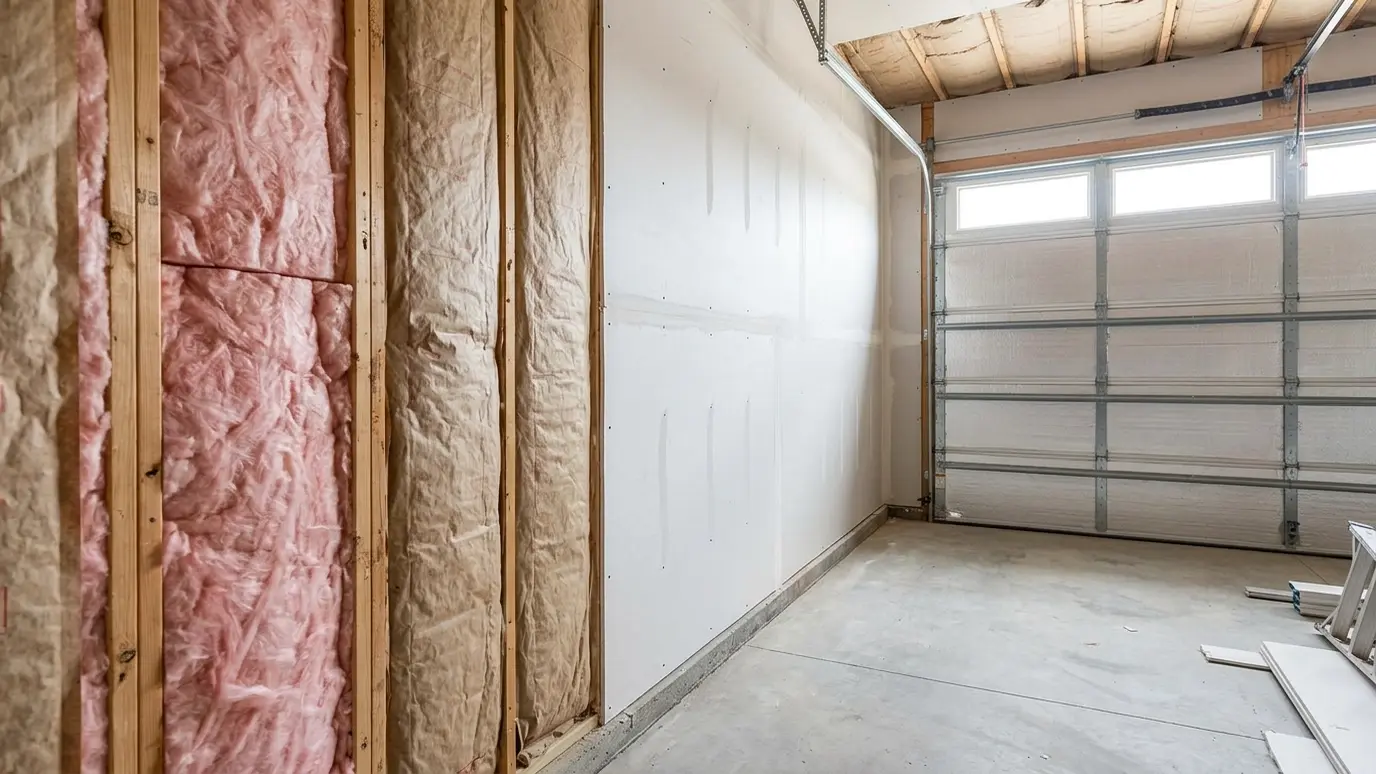 Garage InsulationWalls, ceilings and doors insulated so your garage is easier to use in every season, and the rooms…Explore
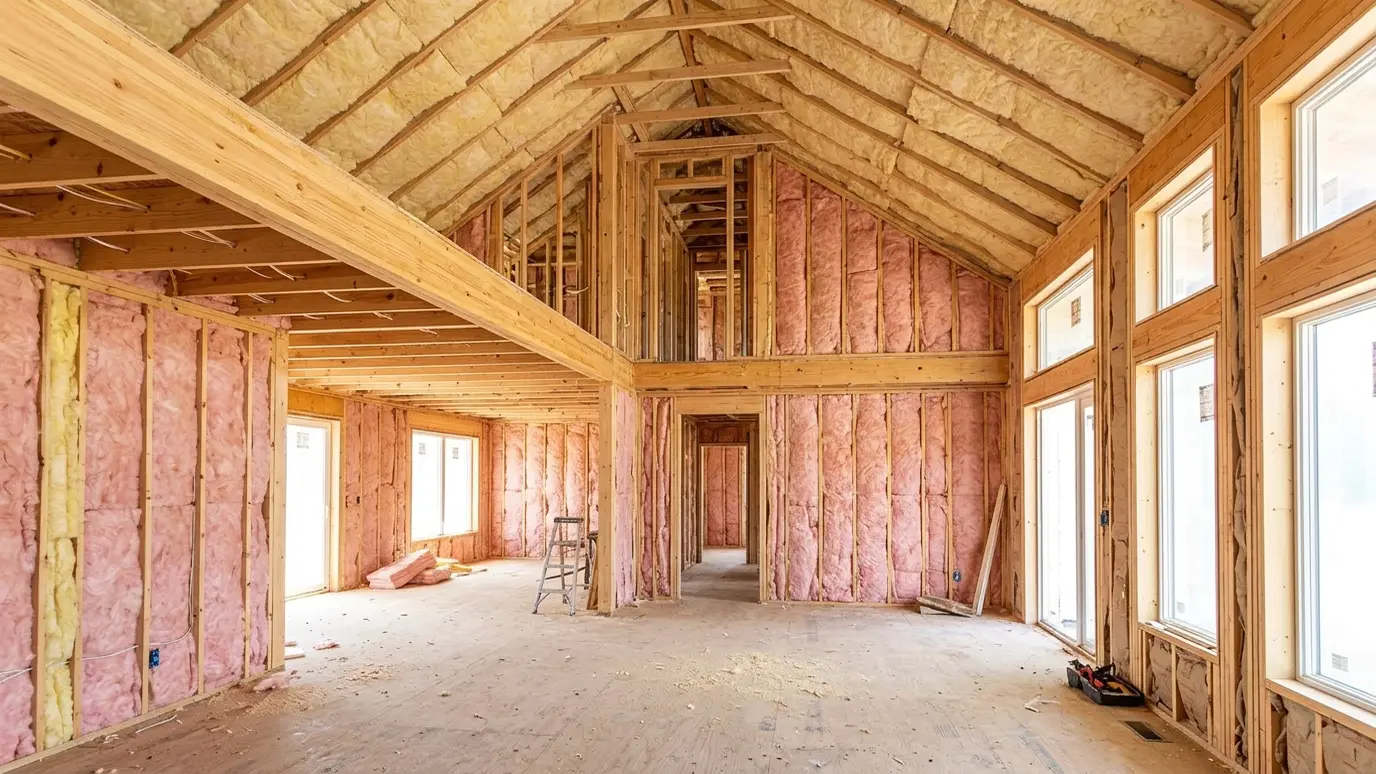 New Construction InsulationInsulation installed at the right stage of the build, with air sealing and inspections coordinated with your builder.Explore
 Builder and Contractor PartnershipsA dependable insulation subcontractor for builders, remodelers and property managers, with clear scheduling and clean job sites.Explore
Check an R-value, find your first fixes or ballpark a budget.
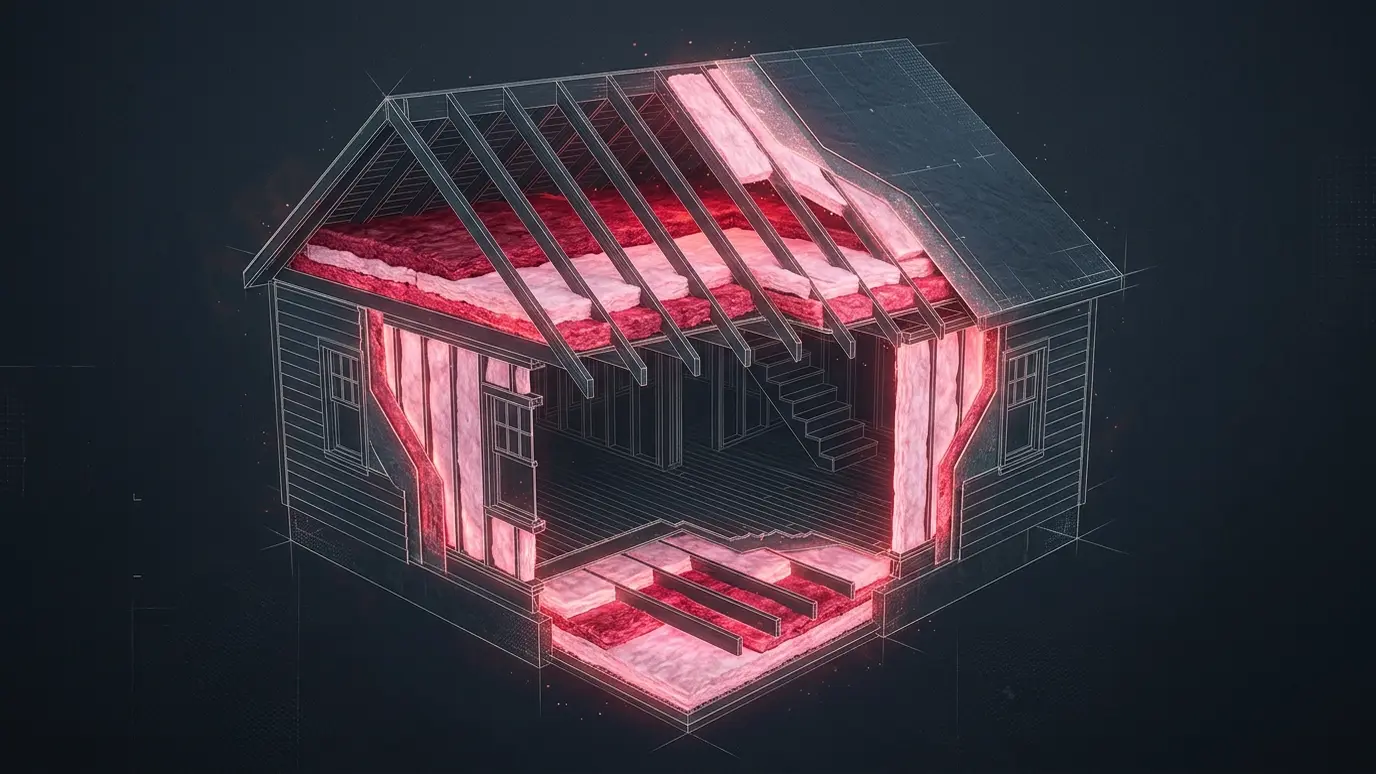 Insulation R-Value CalculatorPick a material and enter the depth to see the approximate R-value, or enter a target to see the depth you need.Try it
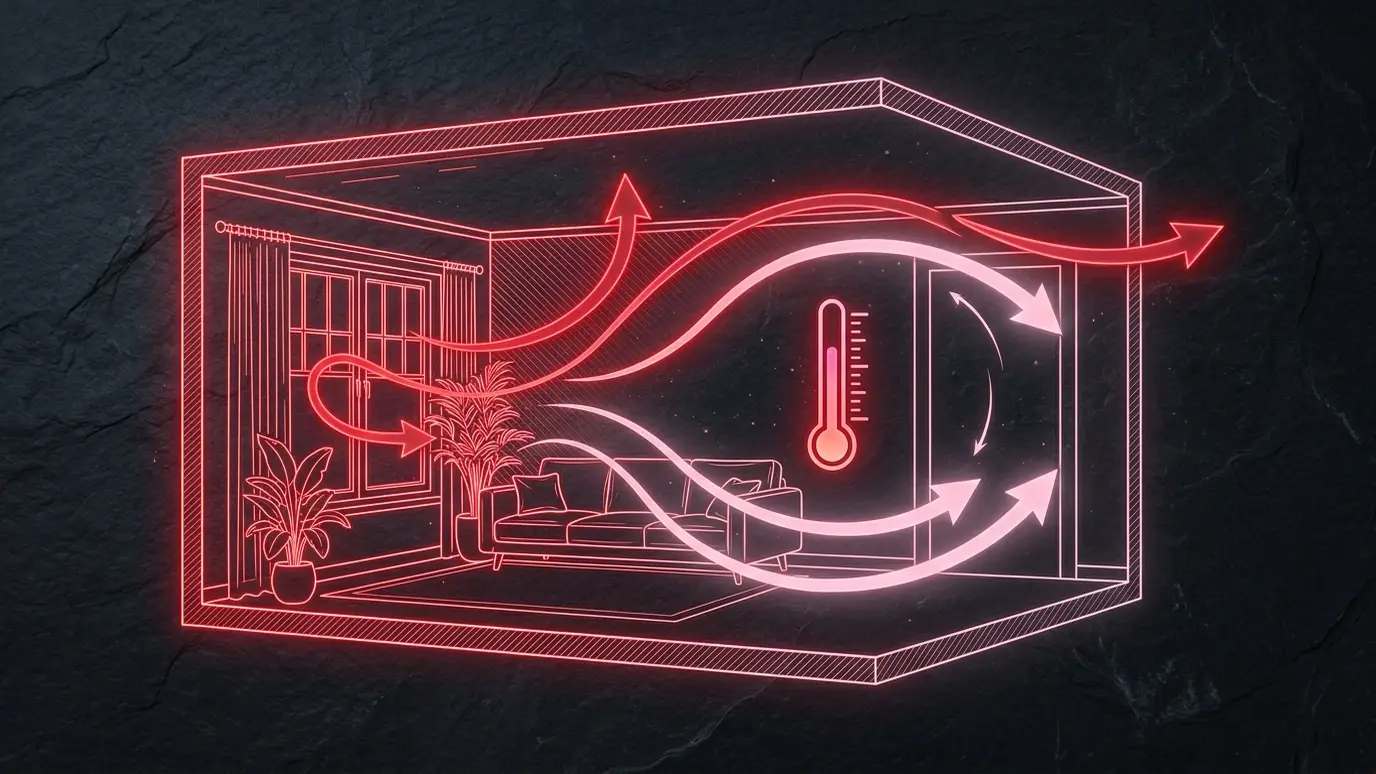 Home Comfort and Heat Loss CheckupAnswer a few questions about your rooms, bills and spaces and see which fixes to look at first.Try it
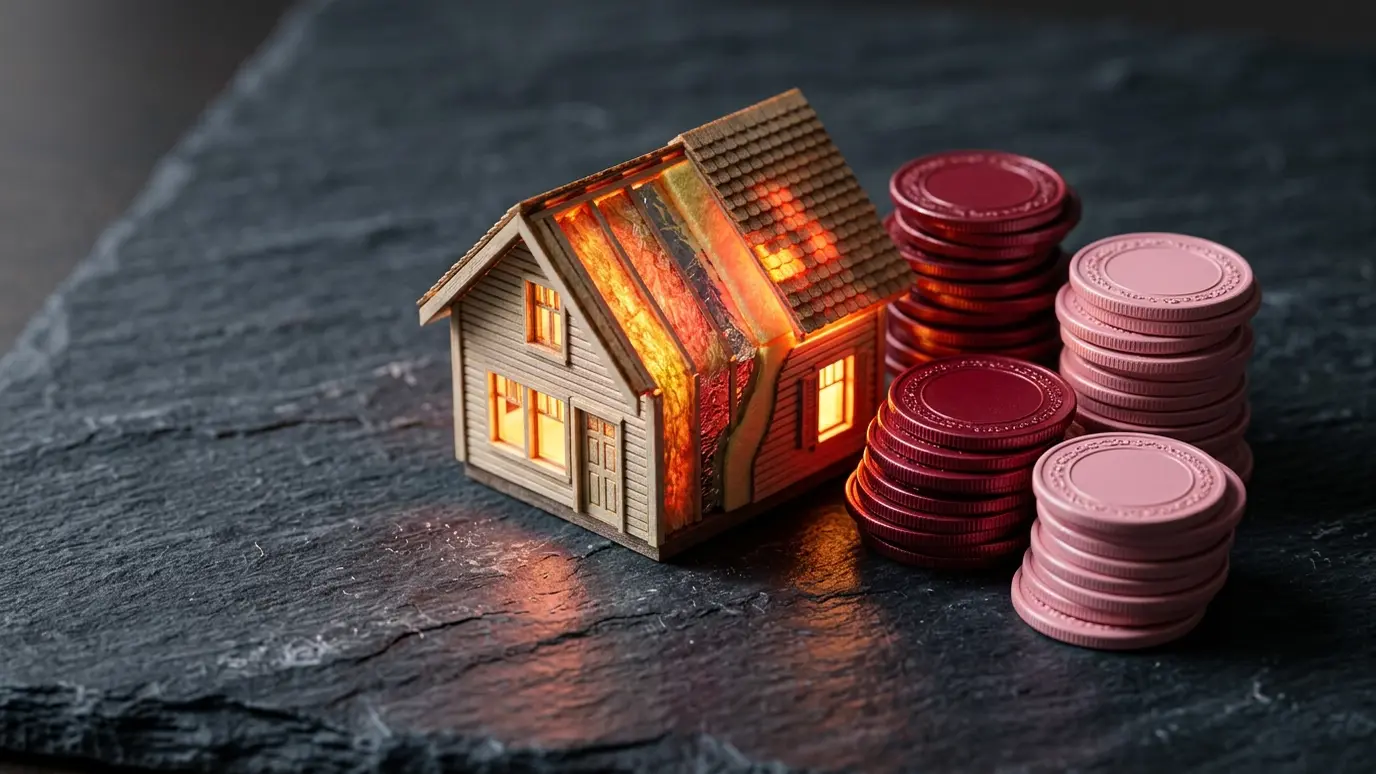 Insulation Project Budget PlannerPick a project and a size and get a ballpark planning range.Try it
Foam has more R per inch and seals air. Fiberglass costs less and works well when installed carefully.
It can if compressed or wet. Clean, dry installation keeps it steady.
It irritates skin and lungs during installation, so we use protection. Once covered, it stays in place.
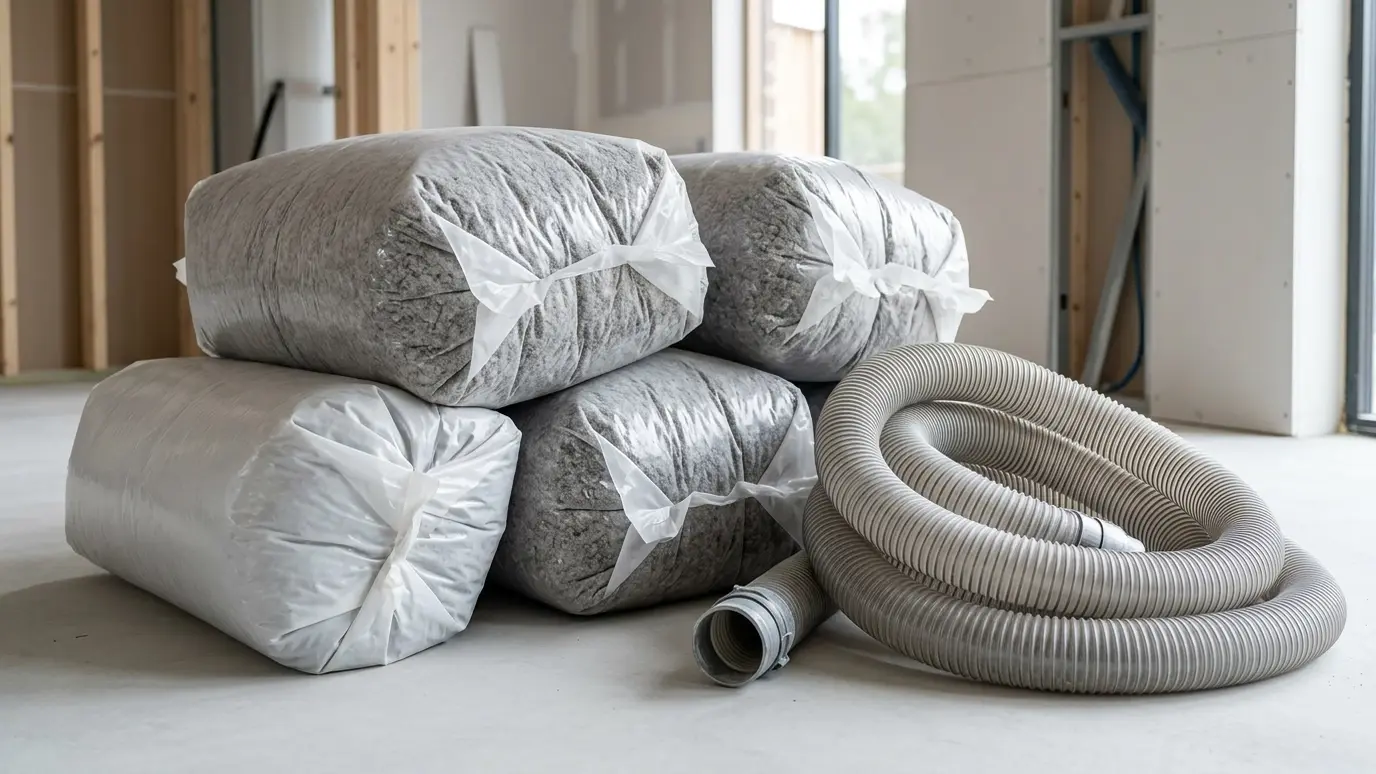 Material guideCelluloseRecycled paper fiber, treated for fire and pests, installed loose or dense-packed. Here is where it shines.Learn more
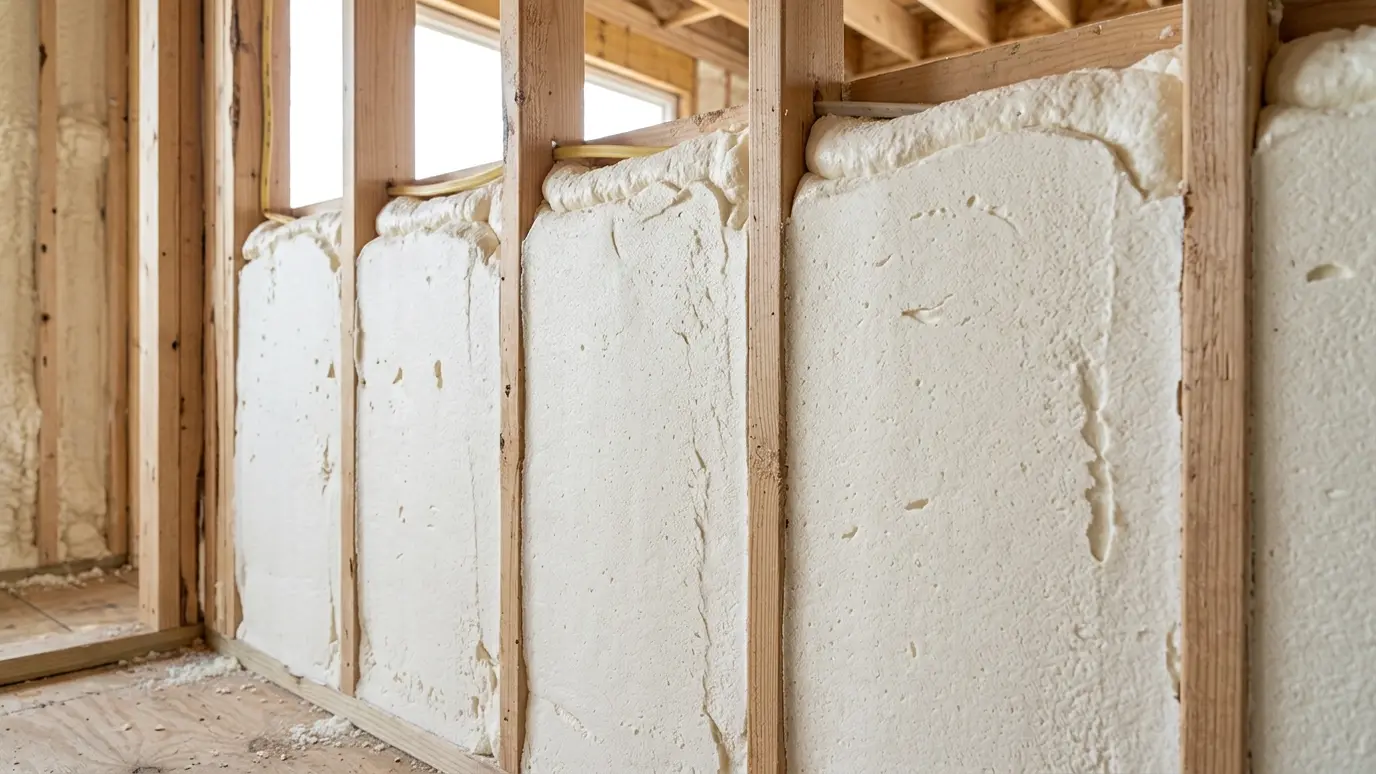 Material guideSpray FoamOpen-cell and closed-cell foam insulate and seal in one step. Here is how to choose and what to…Learn more
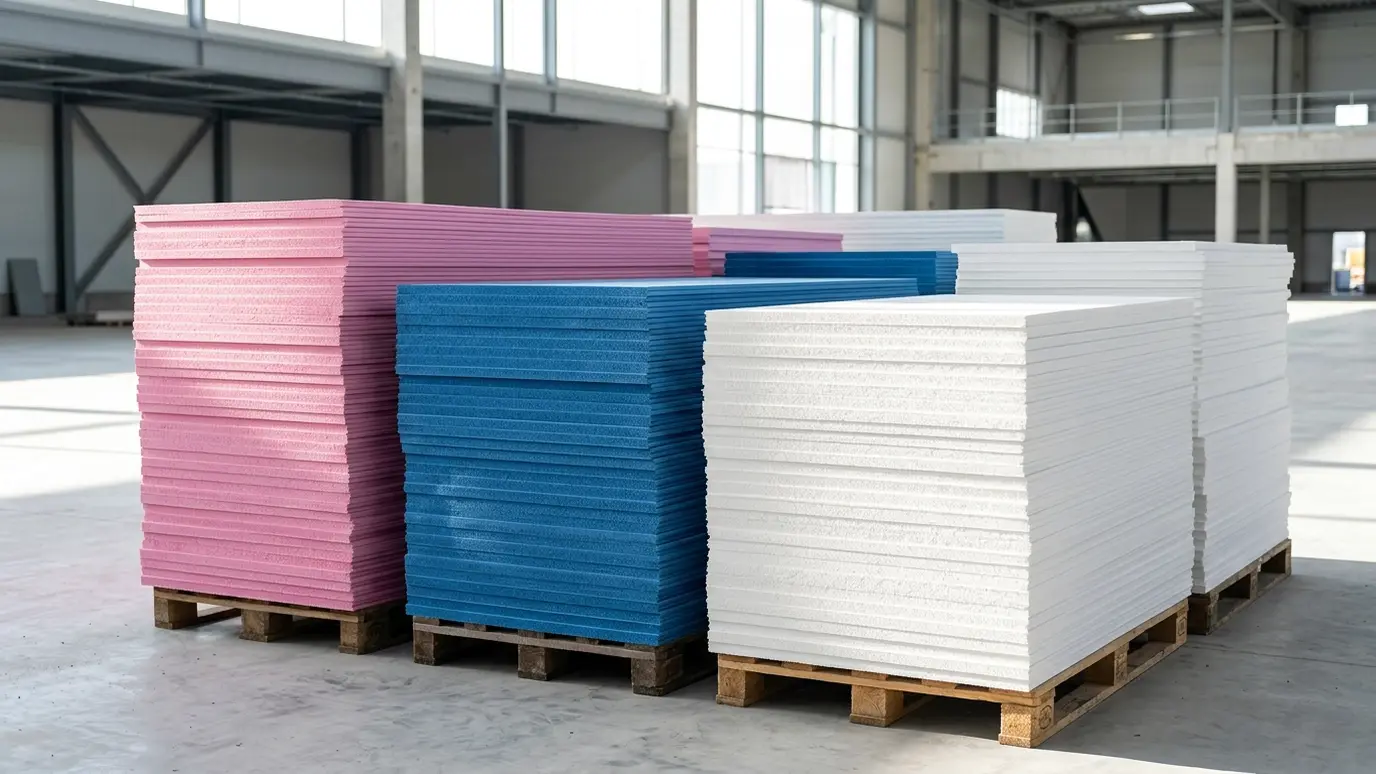 Material guideRigid Foam BoardEPS, XPS and polyiso boards offer continuous insulation for basements, slabs, walls and roofs. Here is how they…Learn more
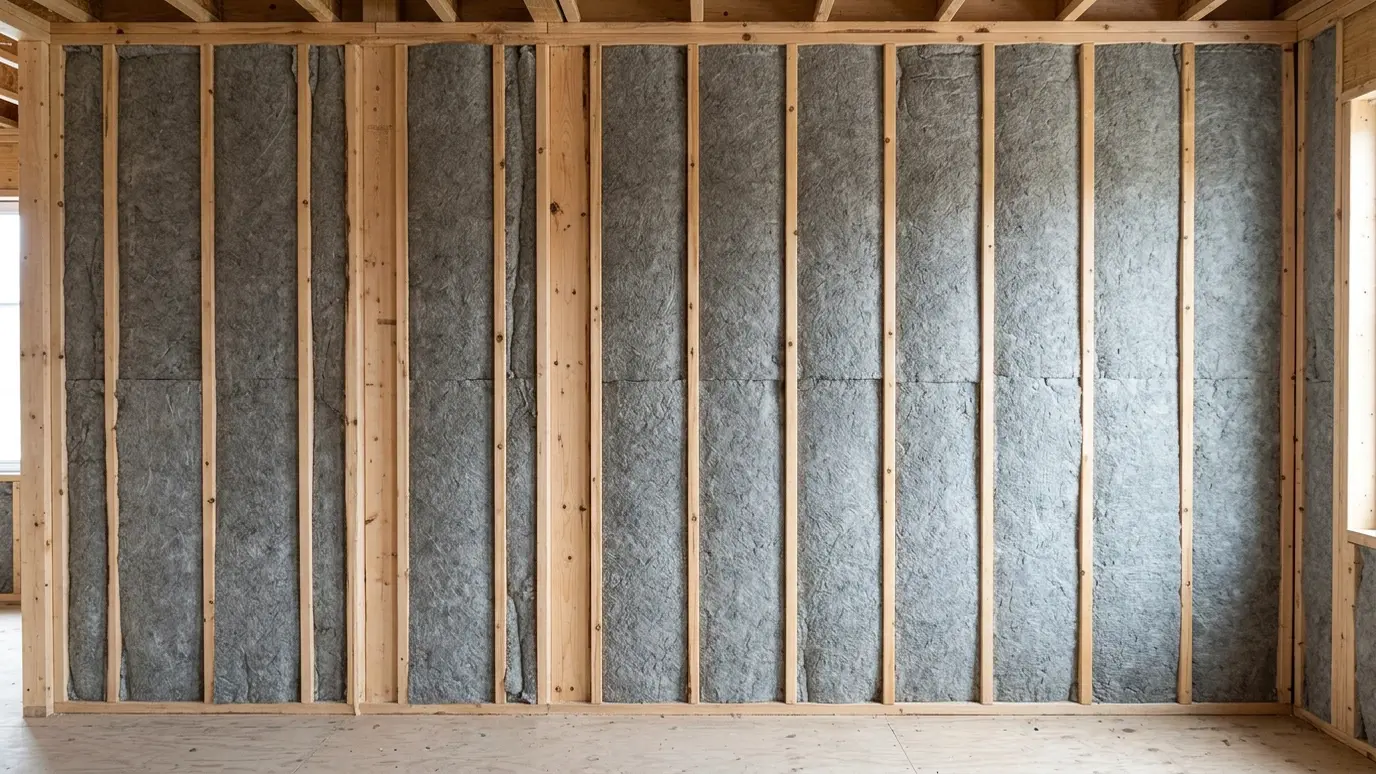 Material guideMineral WoolDense stone and slag fibers that resist fire, water and sound. Here is why it is a favorite…Learn more
Call us and we will inspect the attic, walls and crawl space and give you a clear plan and a written scope.