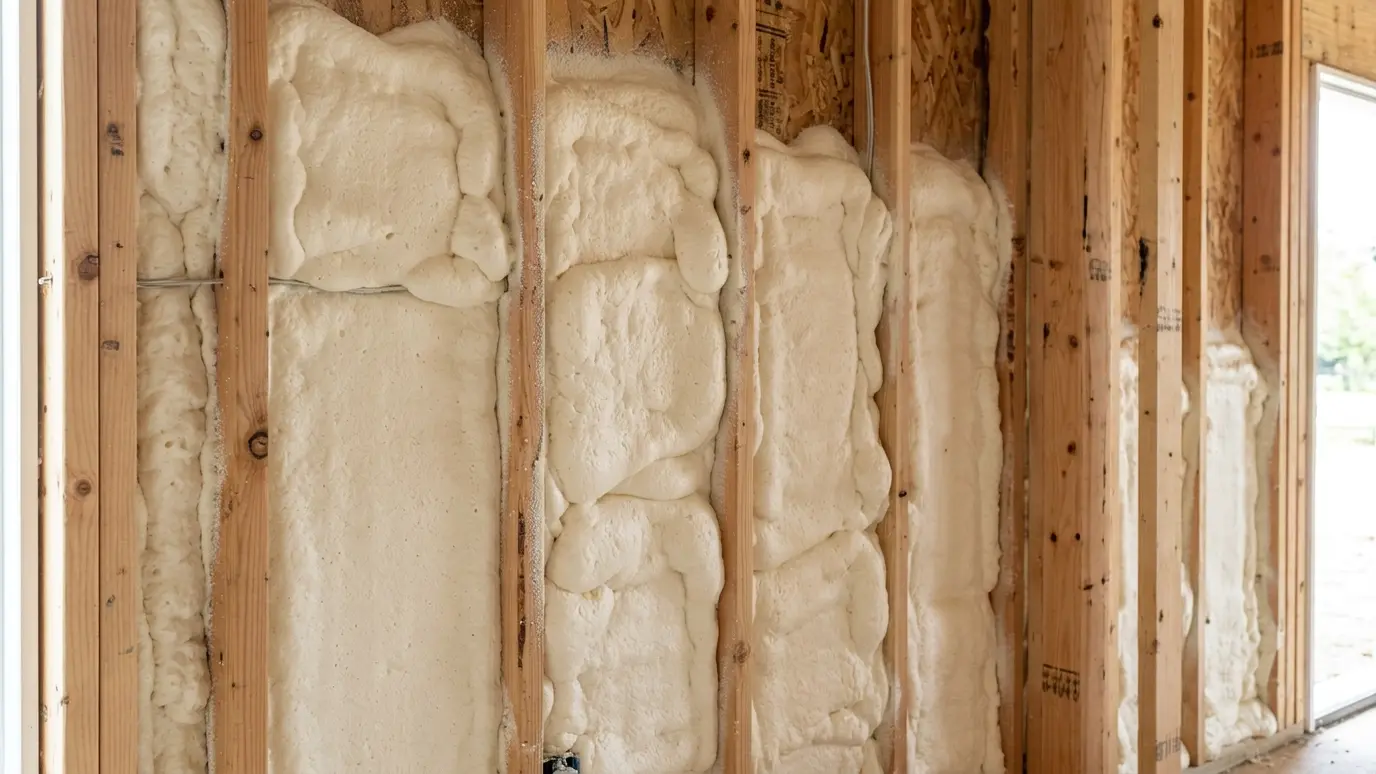
A soft, expanding foam that fills every nook, seals air leaks and dampens sound in walls, ceilings and attic roofs.
Open-cell foam is lighter and softer than closed-cell and expands to many times its liquid volume. That expansion carries it into the corners and seams that batts leave behind, creating an air seal as it insulates.
It also has an open structure that absorbs sound, so it is a good fit for walls between a media room and a bedroom or ceilings under a busy floor. We use it for interior walls, vaulted ceilings and unvented attic roof decks where its vapor-open nature suits the assembly.
Open-cell foam flows around framing, wiring and plumbing. It is a strong choice in oddly shaped cavities and in older framing that is not perfectly straight.
The open structure absorbs sound better than most materials. Walls and ceilings sprayed with it tend to be noticeably quieter.
Open-cell foam lets some moisture vapor pass. That helps assemblies dry, but it is not a good choice for crawl spaces or below-grade walls where closed-cell is better.
Open-cell foam overfills the cavity, so we trim it flush for drywall. Clean trimming keeps the wall flat and keeps the finished surface looking right.
Drag the handle to compare.
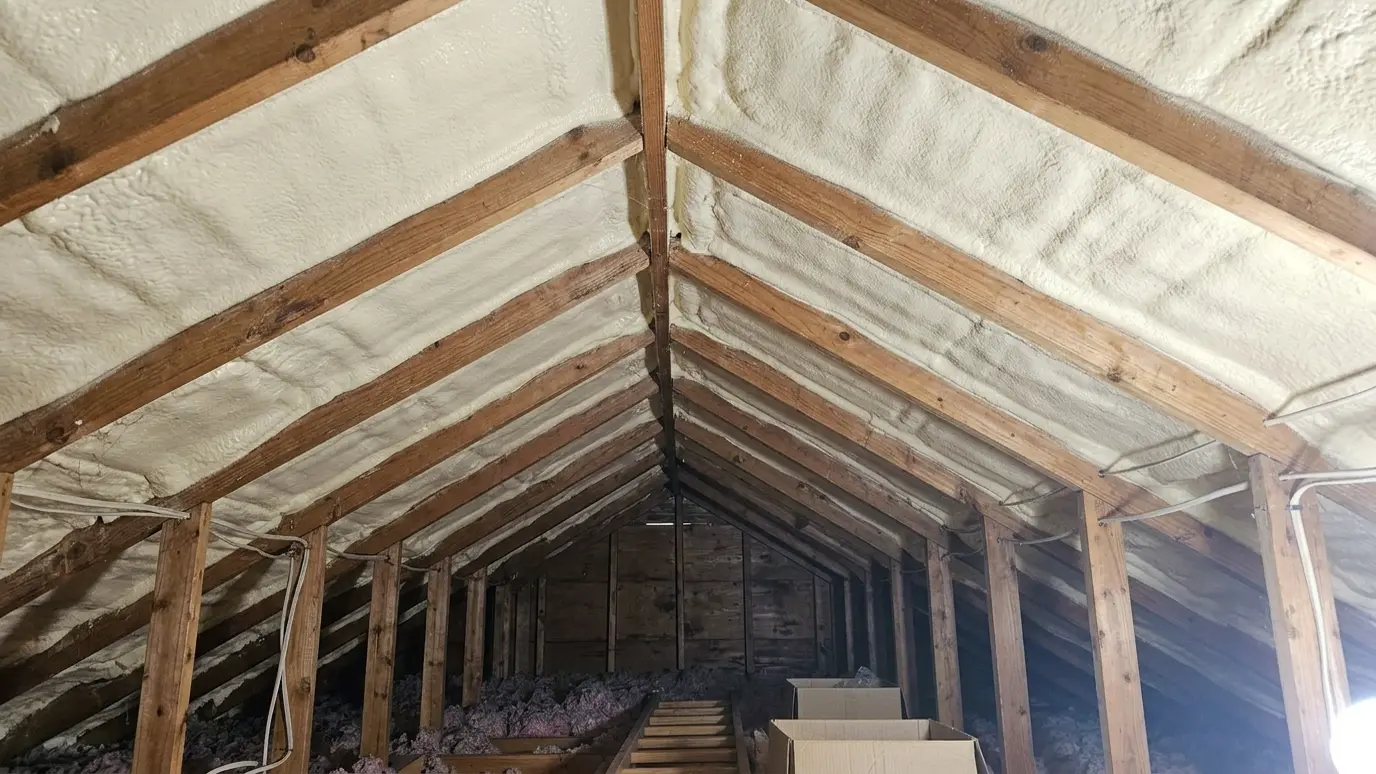
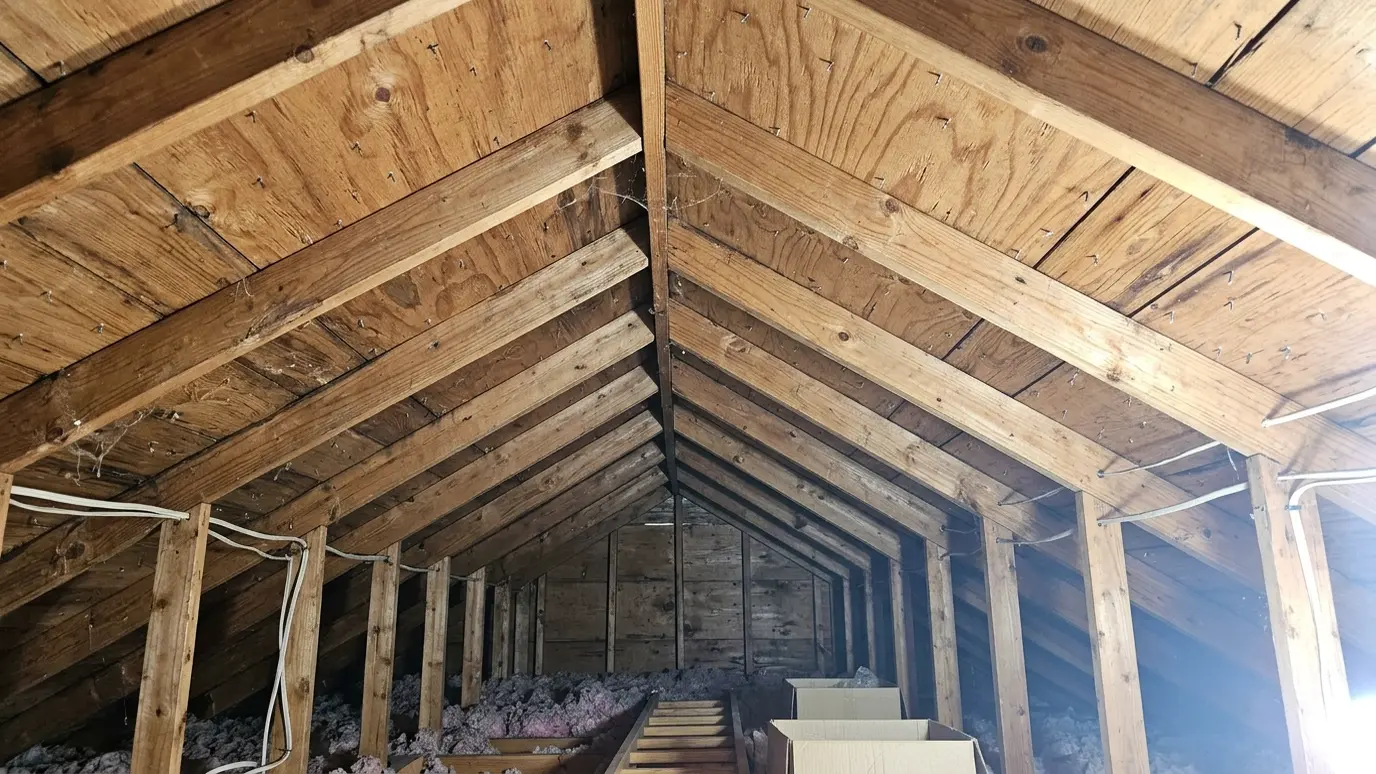 BeforeAfter
Reaches corners and seams.
Quieter walls and ceilings.
Bonds to framing and sheathing.
Lets assemblies dry.
Ready for drywall.
Closed-cell advised where it matters.
Every topic has its own page with what to expect and how we approach it.
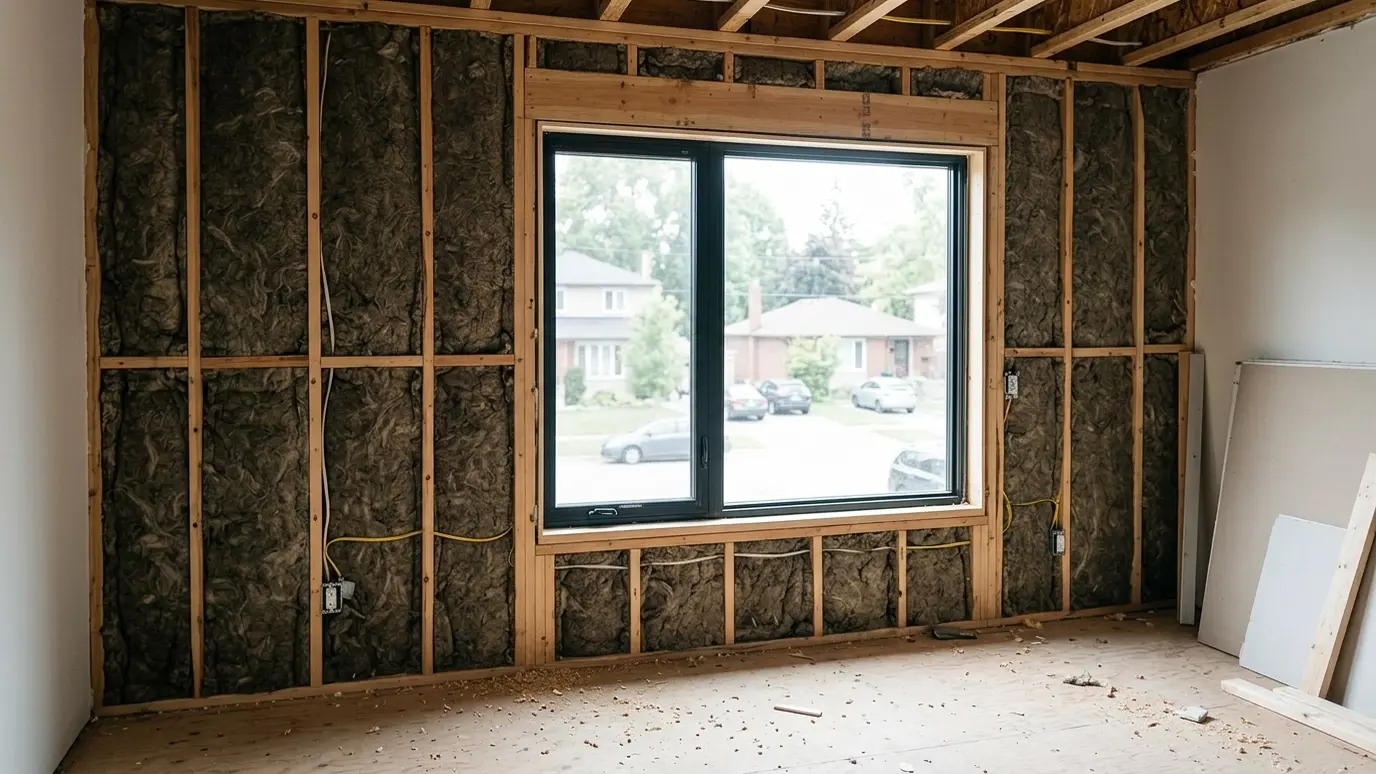 Project situationNoisy HomesTraffic, neighbors, music and busy households all travel through walls and floors. Here is what quiets them.Learn more
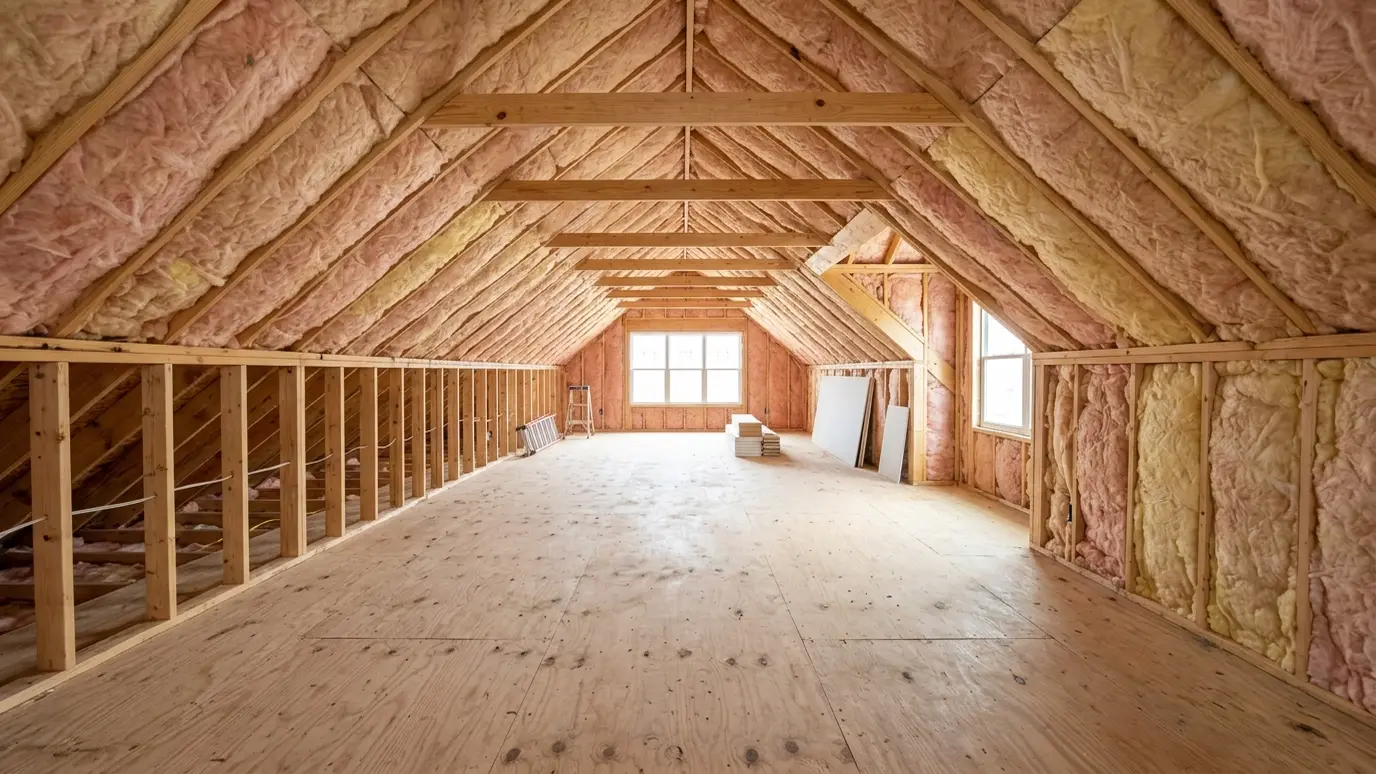 Project situationAdditions and Bonus RoomsNew rooms need to feel like the rest of the house. Here is what makes additions comfortable and…Learn more
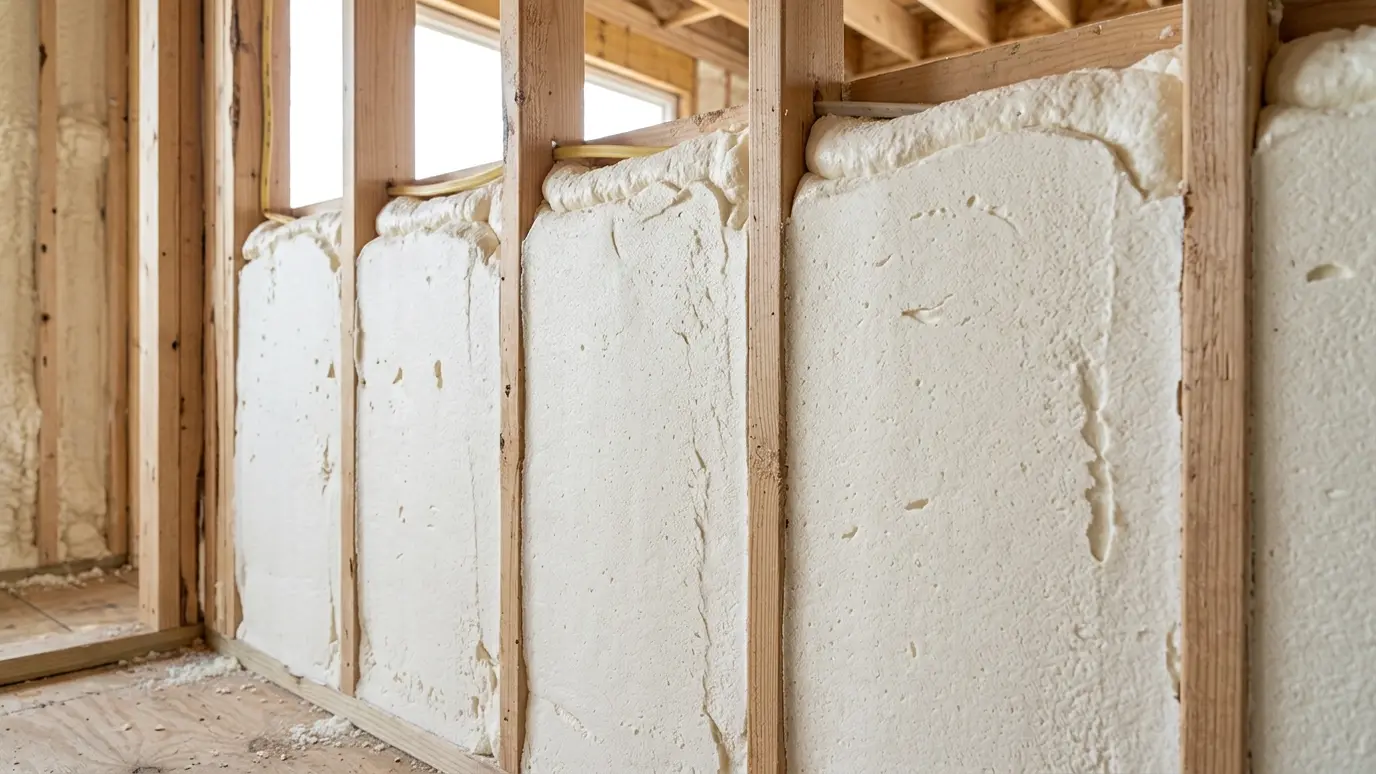 Material guideSpray FoamOpen-cell and closed-cell foam insulate and seal in one step. Here is how to choose and what to…Learn more
Enter the area and the thickness to see board feet of foam and the approximate R-value for open-cell and closed-cell.
You tell us what is going on, which rooms bother you and what you hope to change, and we set a time that fits your day.
We walk the attic, walls, crawl space and equipment, measure depths and use thermal imaging when it helps.
We protect the house, seal air leaks, place baffles and fix small problems so the insulation can do its job.
Loose-fill, batts, foam or board goes in to the planned depth, with clean edges and clear markers.
We measure the result, take photos and test air leakage when the scope includes it.
We walk the finished work with you, answer questions and leave the site clean.
It helps considerably, particularly against airborne noise. For heavy impact noise, extra layers may be needed.
It uses less material per volume, but it also has a lower R-value per inch. The right choice depends on the space.
Closed-cell is the better choice there, because it resists moisture. We explain the reasoning during the visit.
Open-cell foam can take on moisture if it gets wet, so it belongs in dry assemblies protected from leaks.
The foam cures quickly, and we give you the manufacturer re-entry time before we begin.
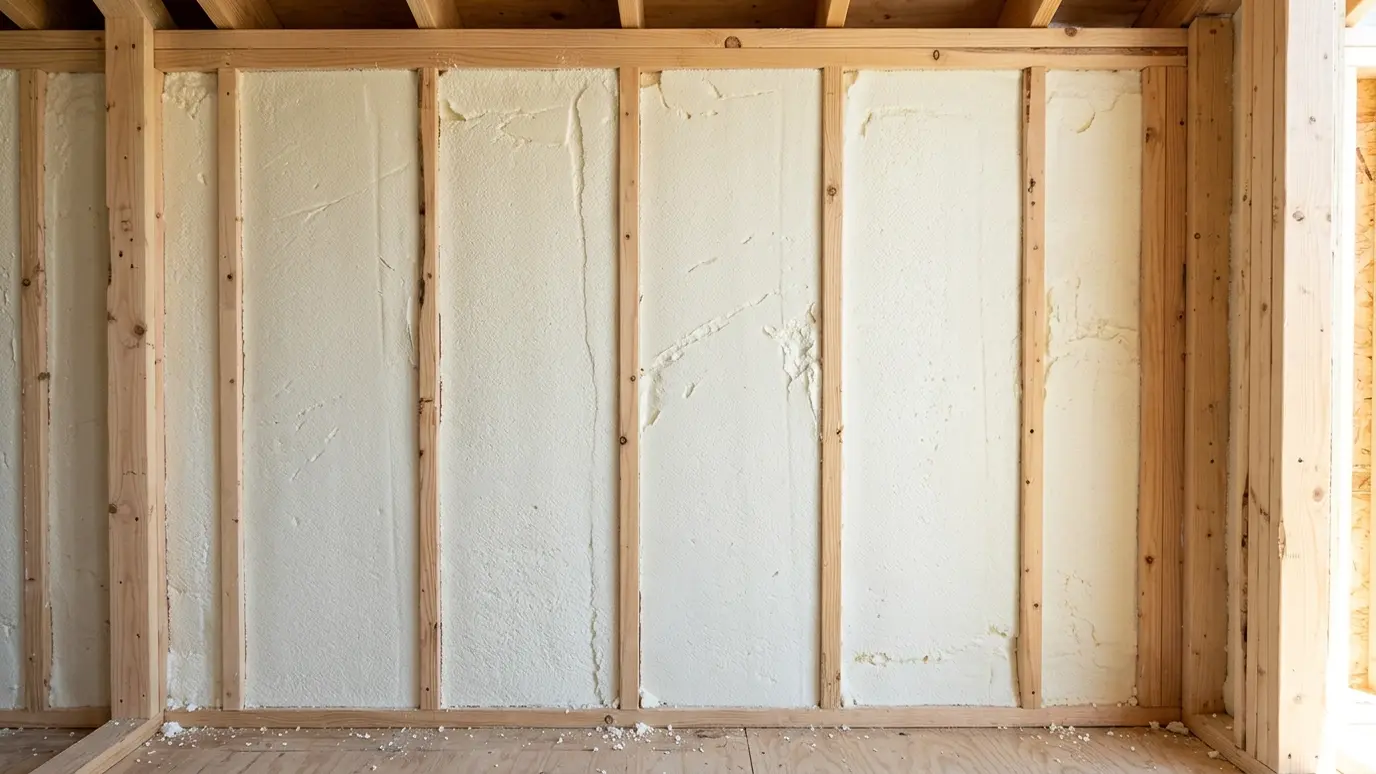 Closed-Cell Spray FoamA dense, rigid foam with high R-value per inch that also resists moisture, ideal for tight spaces, rim…Explore
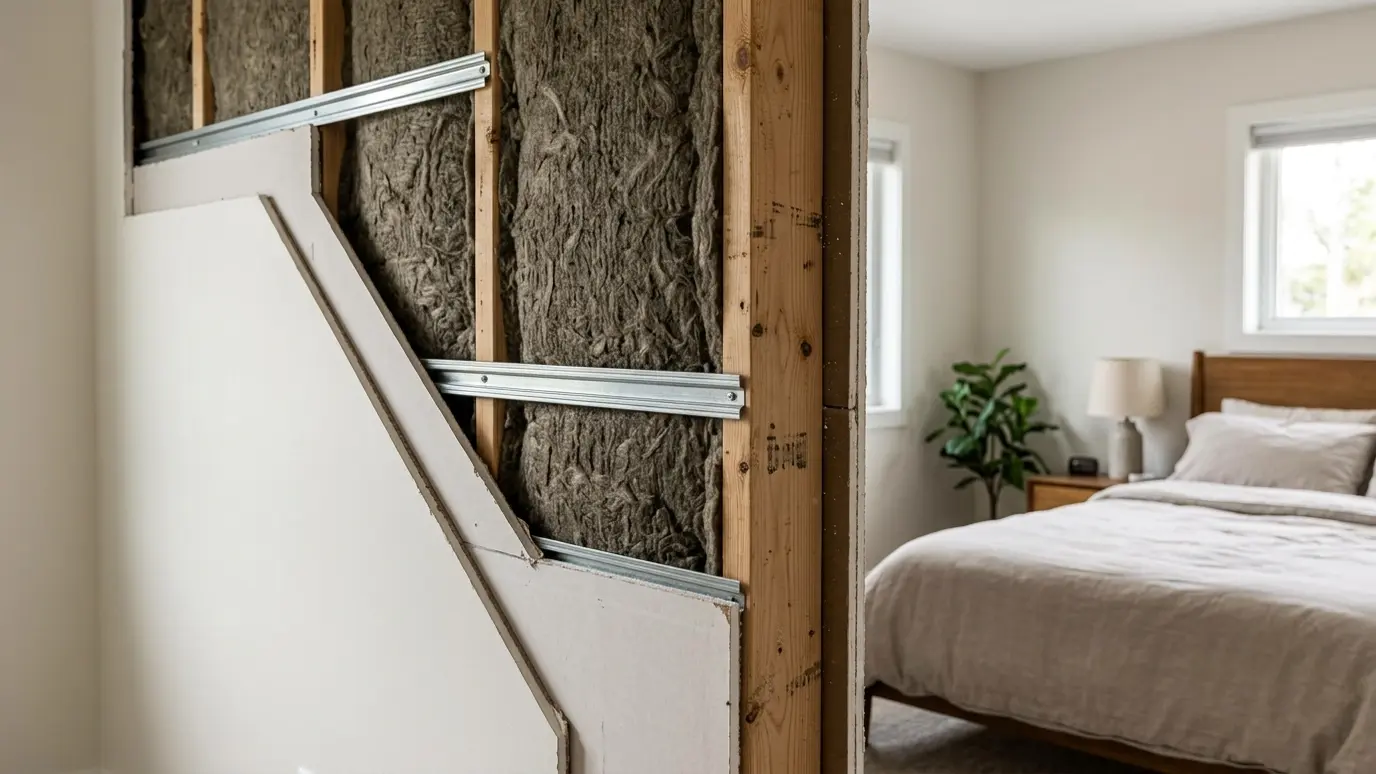 Soundproofing and Sound InsulationQuieter bedrooms, media rooms, offices and shared walls, built with dense insulation, decoupling and sealed gaps.Explore
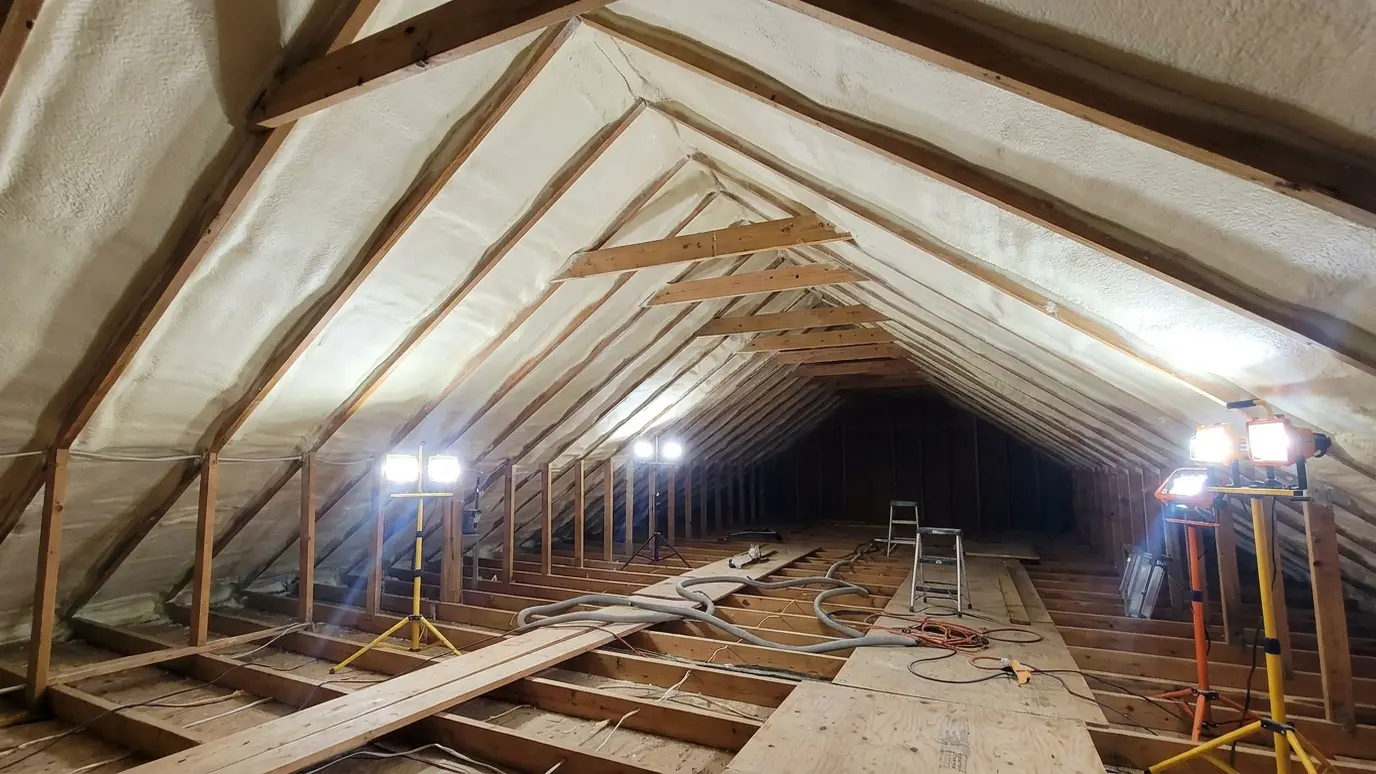 Unvented Attic Spray FoamSpray foam on the underside of the roof deck, turning the attic into a conditioned space that protects…Explore
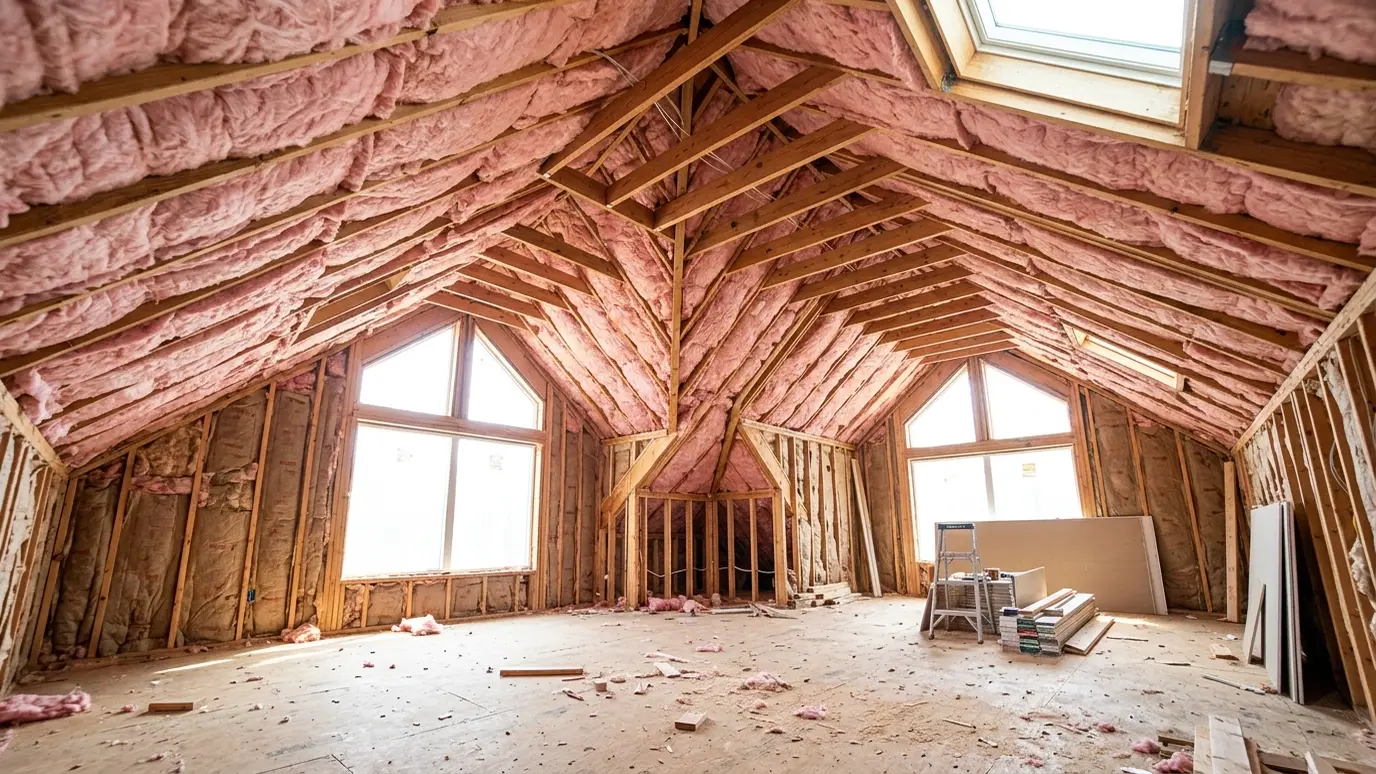 Cathedral and Vaulted CeilingsSloped ceilings insulated with the right depth, airflow and air barrier, so tall rooms stay comfortable and the…Explore
Tell us about the project and we will call you back to talk it through.
Or call (615) 357-7797 to talk now.