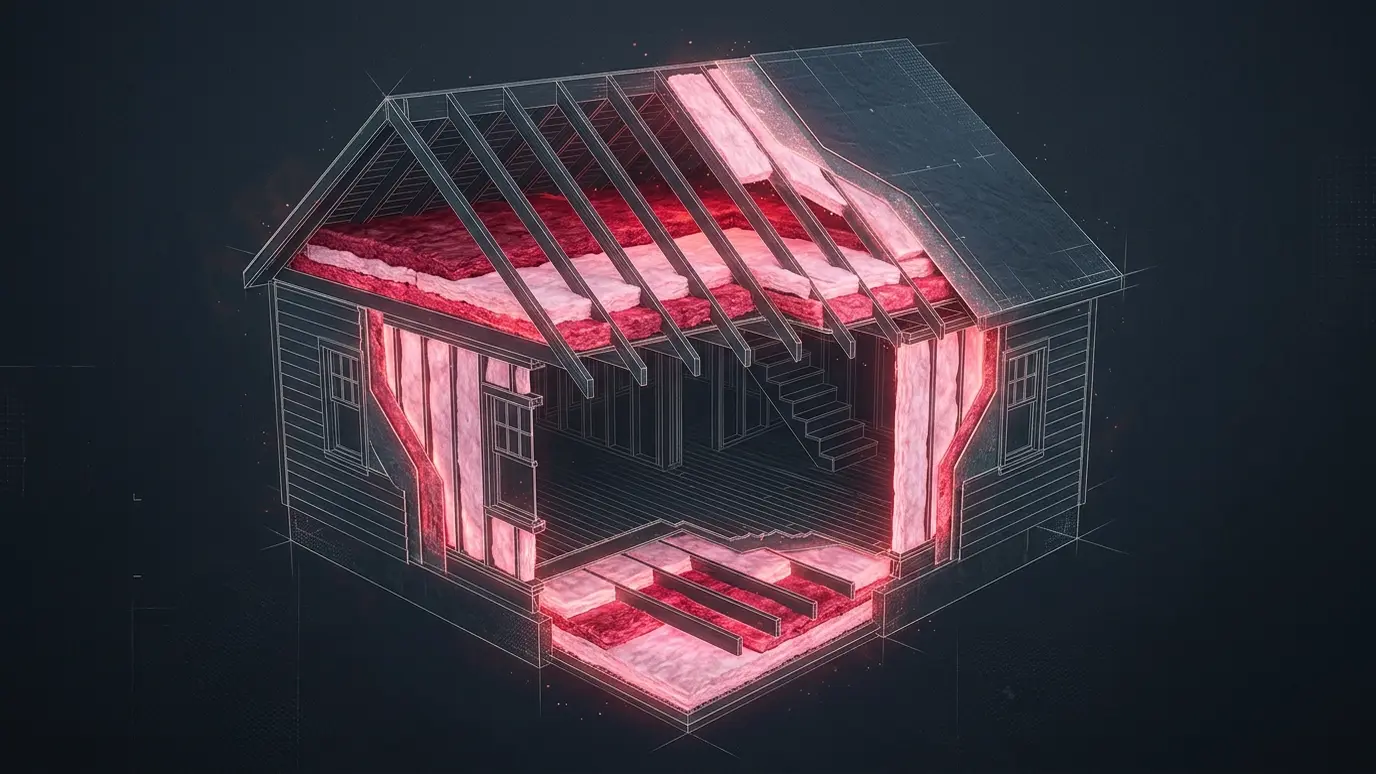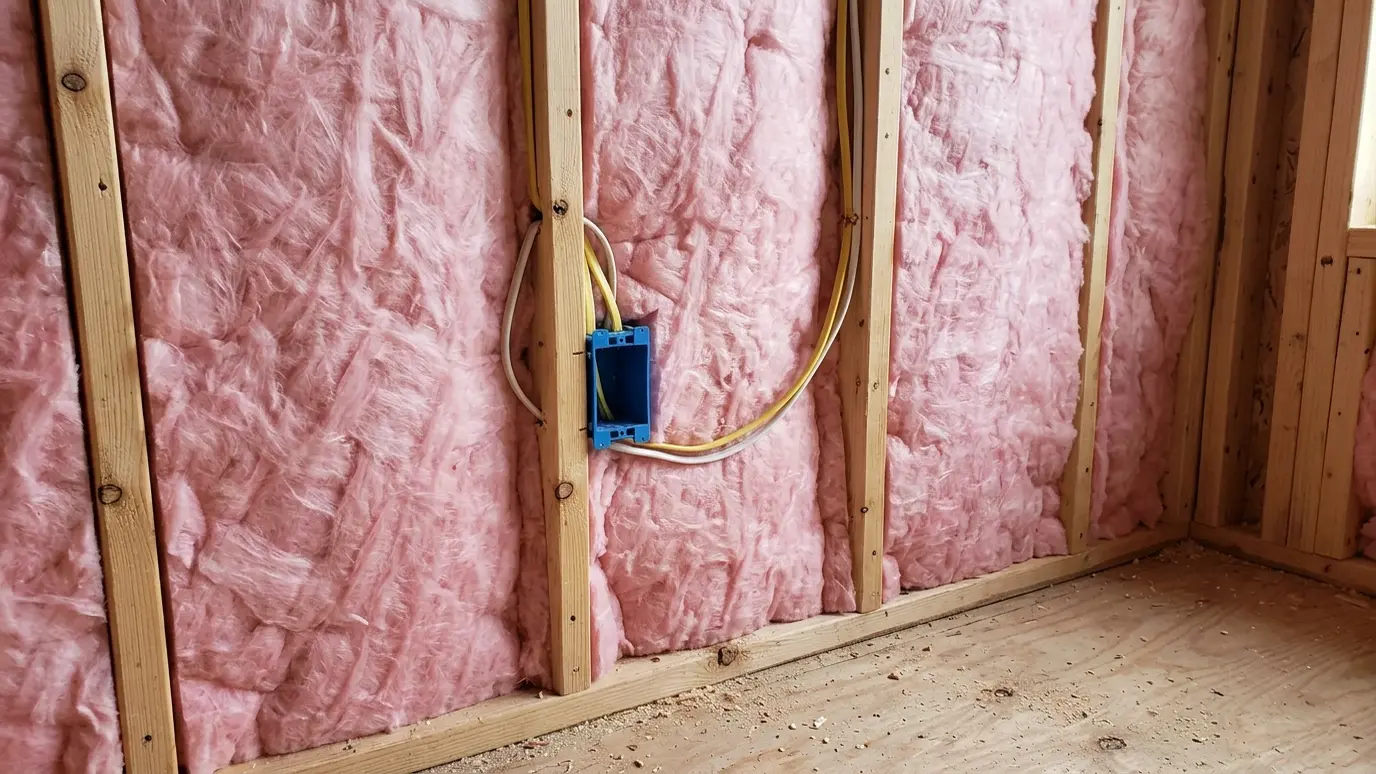
Precisely fitted batts in walls, floors and ceilings, cut around wiring and boxes so the cavity is filled without gaps or crushing.
Batts are the most familiar insulation, and they perform very well when they are installed with care. The difference between a good job and a poor one is almost entirely in the fit: batts that are crushed, folded or left with gaps lose much of their value.
We fit each batt to its cavity, split them around wiring and pipes, cut cleanly around boxes and trim the ends so they sit flat to the sheathing and the drywall. Where cavities are unusual, we use the right batt width and thickness instead of forcing the wrong one.
A batt should fill the cavity fully, with no gaps at the edges and no compression. We measure cavities, choose the right size and cut each piece to fit, which is what a careful installer calls a Grade 1 installation.
Batts are split around wires and pipes, not stuffed behind them, and cut to wrap electrical boxes. This keeps the insulation full and the drywall flat.
Paper or foil facing helps with vapor control in some assemblies and is unnecessary in others. We choose by the wall, the floor or the ceiling and the local conditions.
Batts also suit floors over crawl spaces, interior sound walls and ceilings under attics. Each location needs its own supports and details.
Drag the handle to compare.
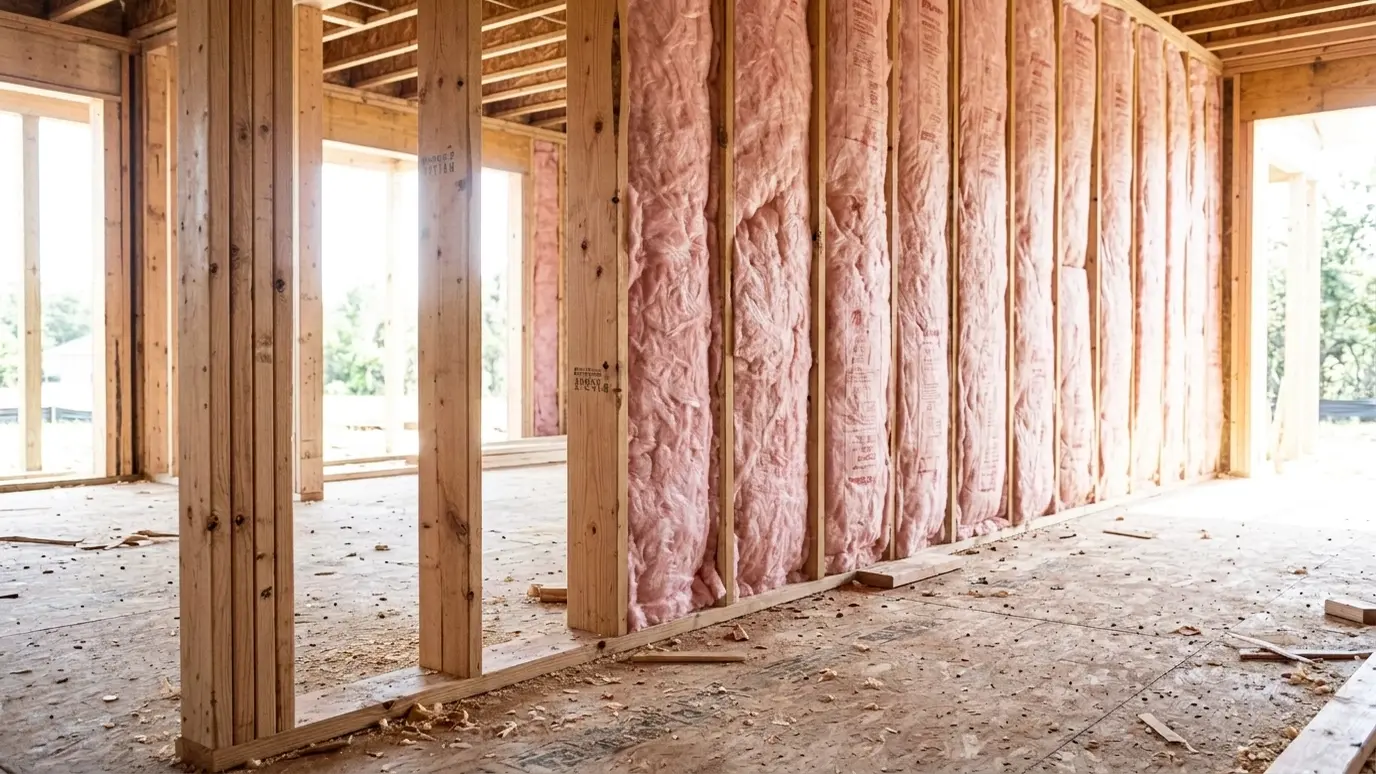
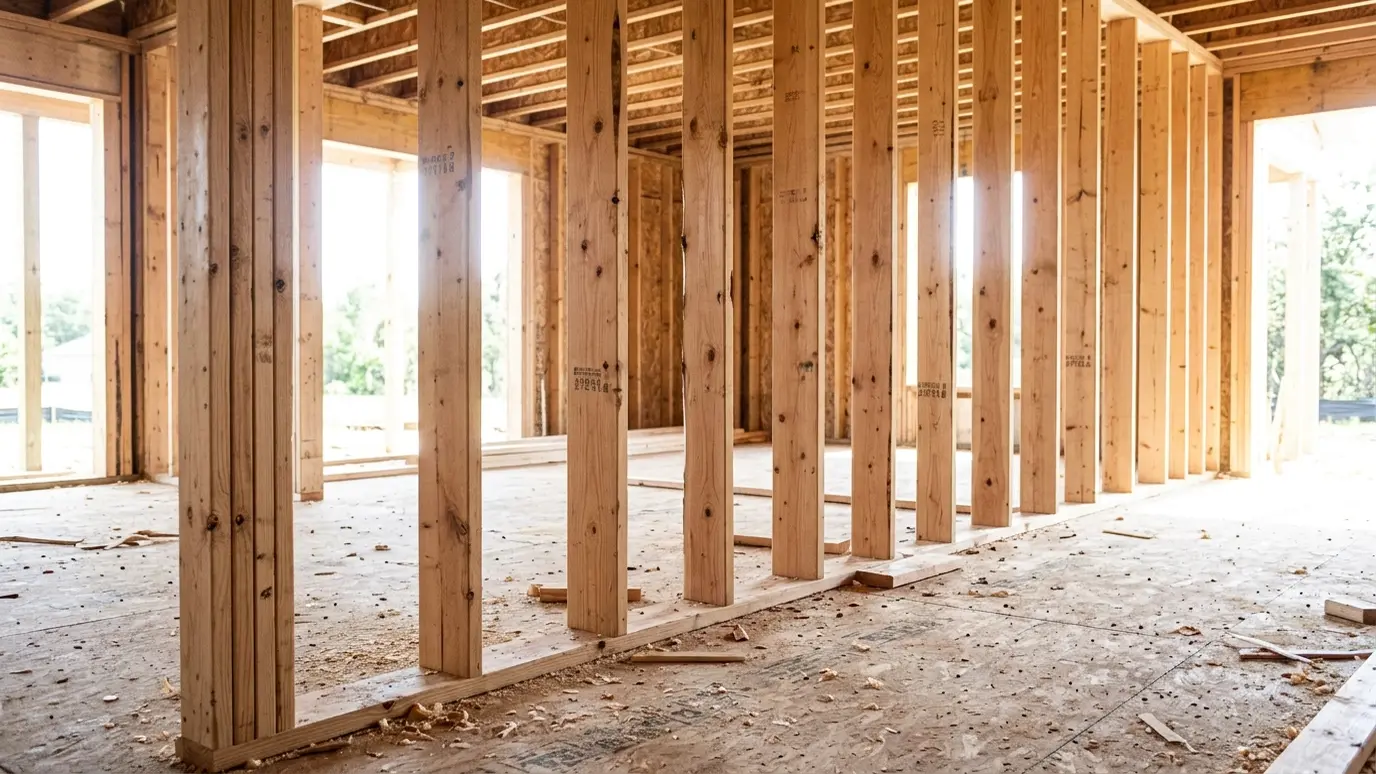 BeforeAfter
The right width and depth for each space.
Edges and corners filled.
Split, wrapped and neat.
Full thickness for full R-value.
Vapor control chosen by assembly.
Clean, visible and easy to check.
Every topic has its own page with what to expect and how we approach it.
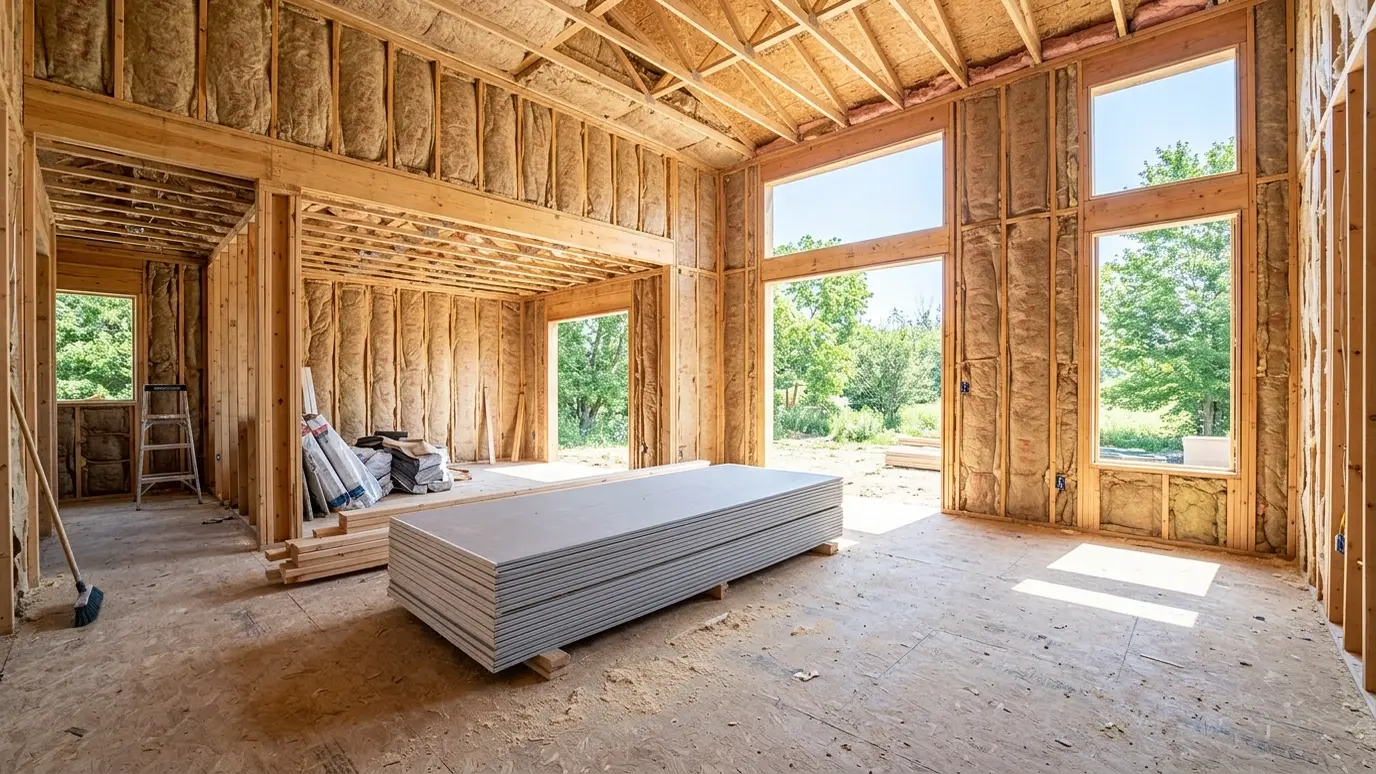 Project situationNew ConstructionA new home gets one chance to be insulated well before the walls close. Here is how to…Learn more
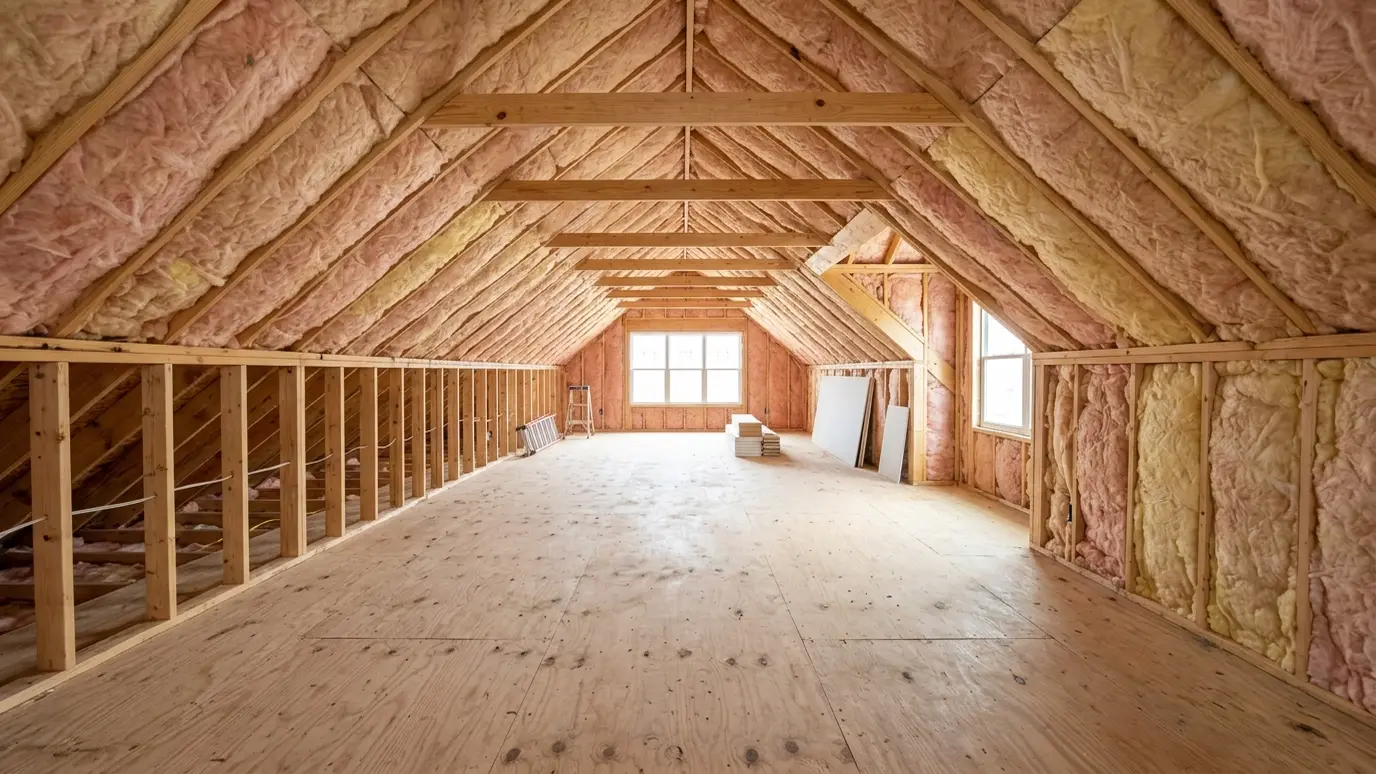 Project situationAdditions and Bonus RoomsNew rooms need to feel like the rest of the house. Here is what makes additions comfortable and…Learn more
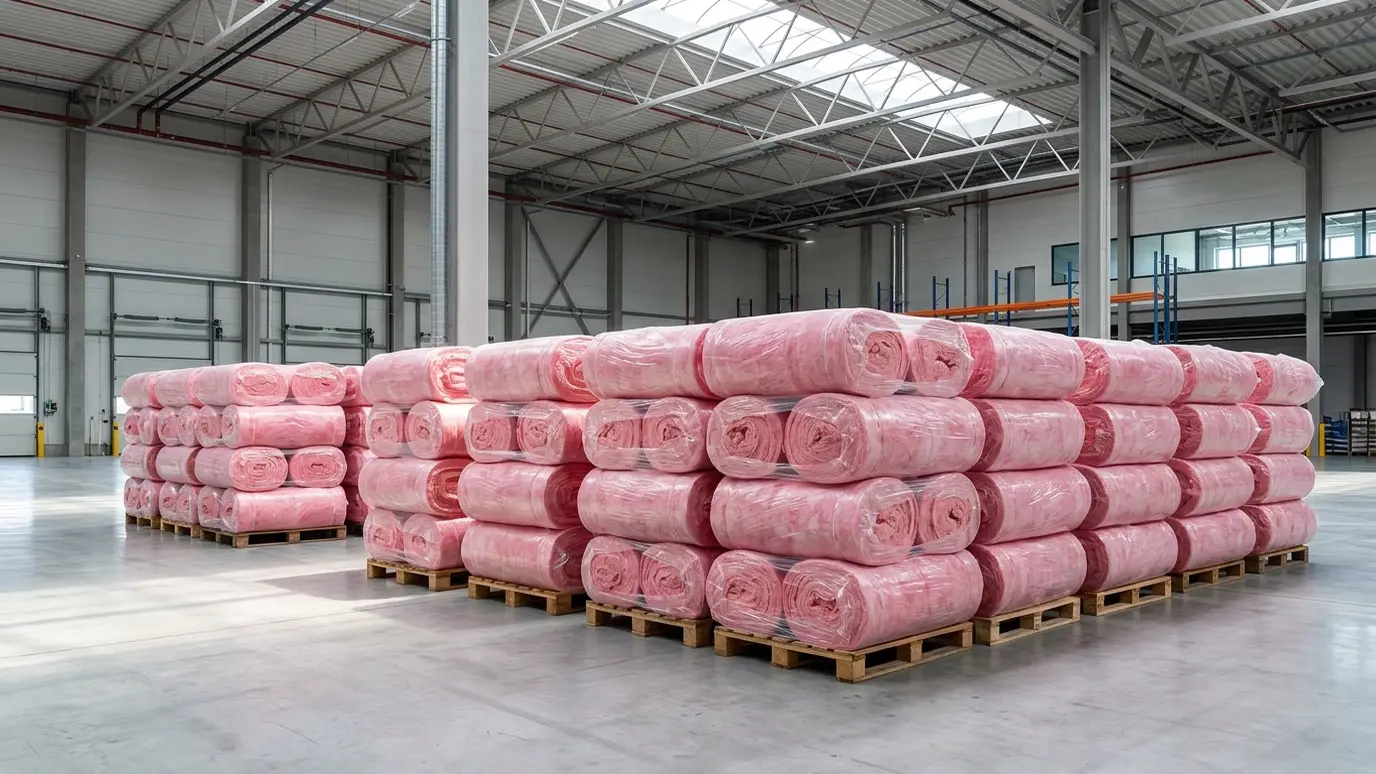 Material guideFiberglassThe most common insulation, in batts and loose-fill. Here is how it performs, where it works well and…Learn more
Enter the wall or floor area and the stud spacing to see how many batts or rolls to plan for, with an allowance for waste.
You tell us what is going on, which rooms bother you and what you hope to change, and we set a time that fits your day.
We walk the attic, walls, crawl space and equipment, measure depths and use thermal imaging when it helps.
We protect the house, seal air leaks, place baffles and fix small problems so the insulation can do its job.
Loose-fill, batts, foam or board goes in to the planned depth, with clean edges and clear markers.
We measure the result, take photos and test air leakage when the scope includes it.
We walk the finished work with you, answer questions and leave the site clean.
Well-installed batts perform well for their cost. Spray foam seals air and adds more R per inch, so the right choice depends on the space and the budget.
Gaps, compression and missed corners reduce performance. Careful installation is what makes the material work.
Only if the wall is open. Closed walls are better served by dense-pack cellulose or foam.
It depends on the assembly. We pick the facing that suits your wall, floor or ceiling.
The fibers can irritate skin and eyes during installation, so installers wear protection. Once the drywall is on, it stays in the cavity.
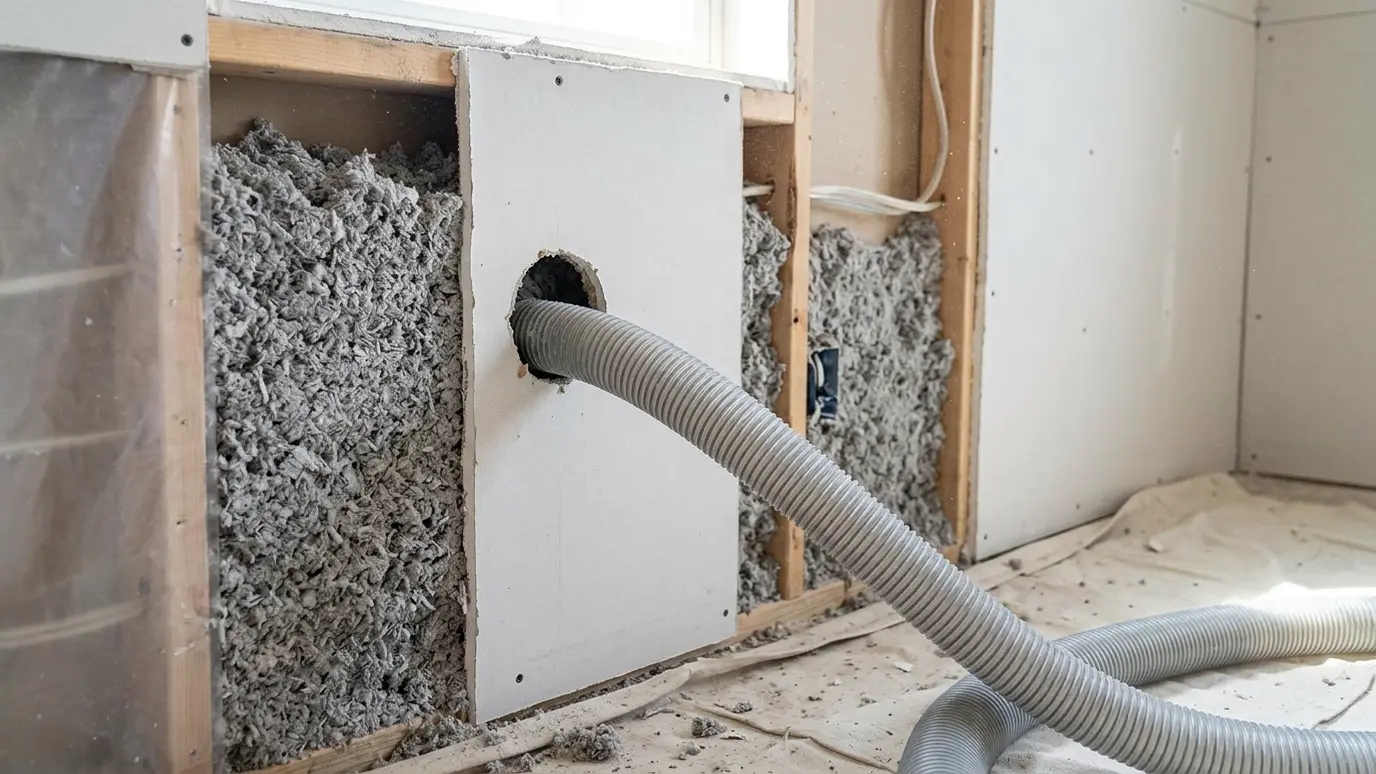 Dense-Pack Cellulose WallsInsulation blown into closed walls through small holes, filling an existing cavity so older homes finally keep their…Explore
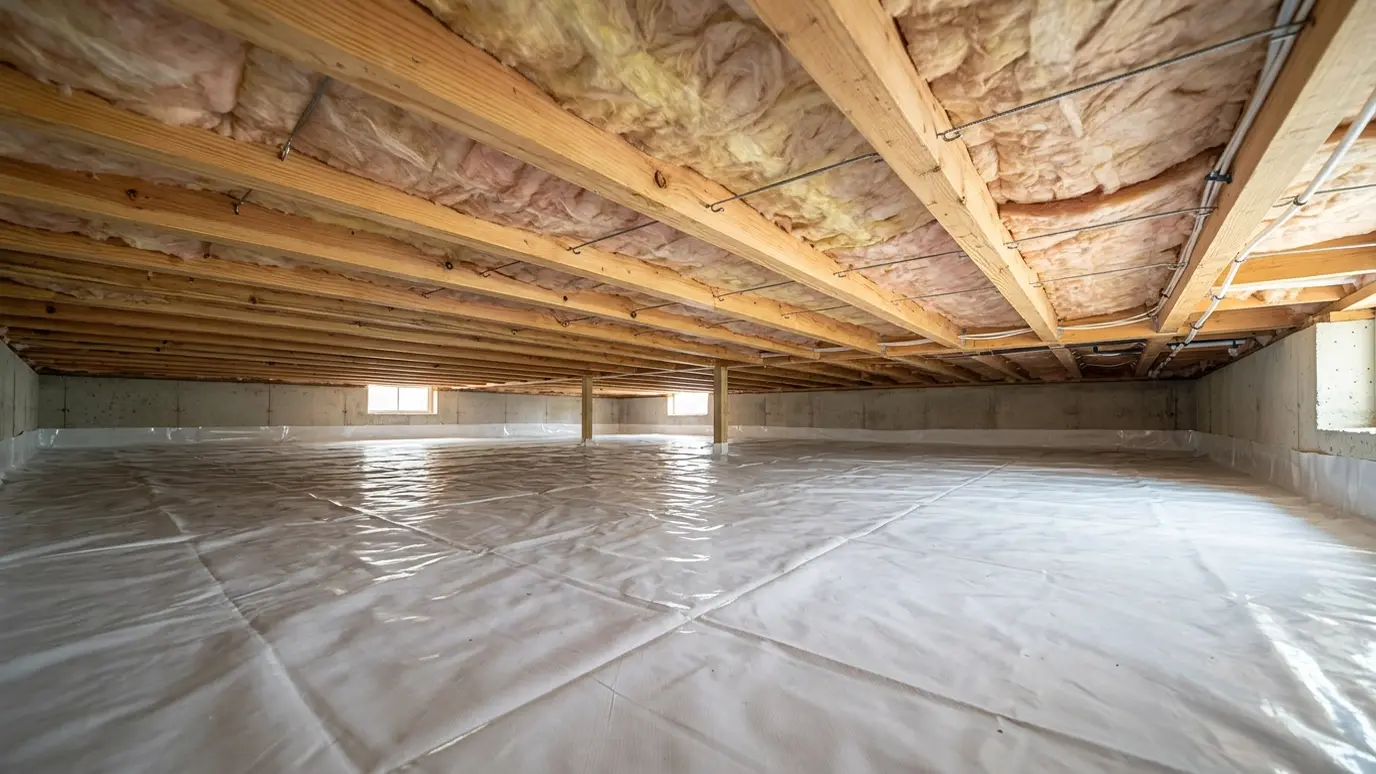 Floor and Subfloor InsulationInsulation under cold floors, over crawl spaces, garages and cantilevers, so the floors above feel warm underfoot.Explore
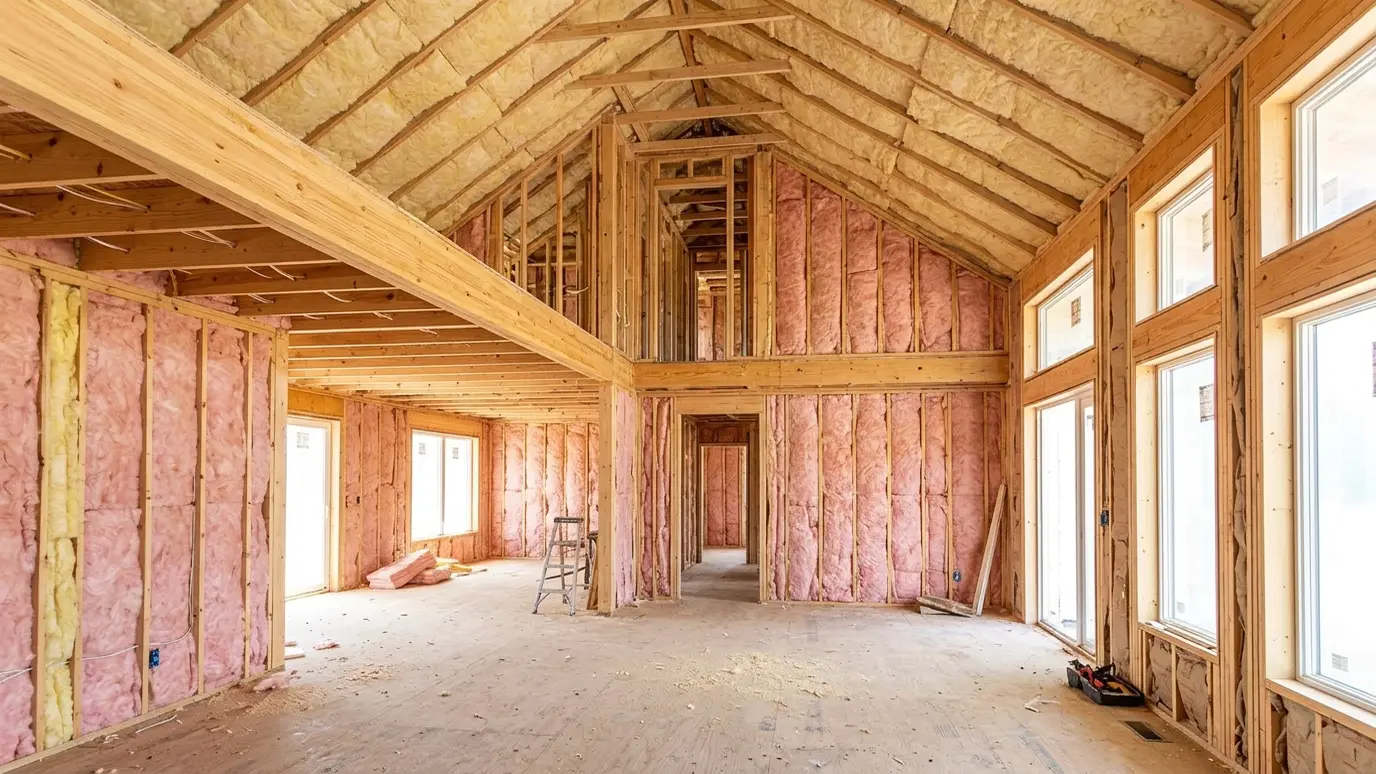 New Construction InsulationInsulation installed at the right stage of the build, with air sealing and inspections coordinated with your builder.Explore
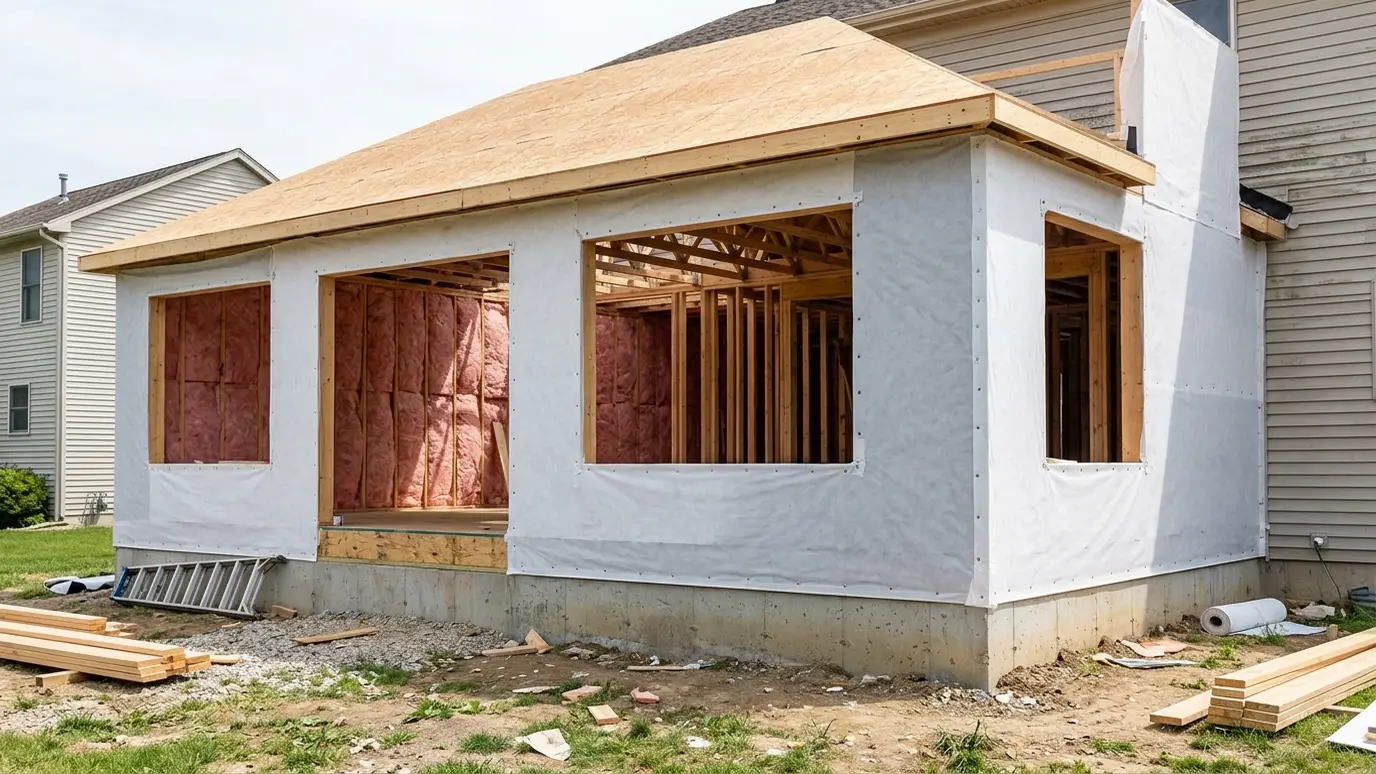 Remodel and Addition InsulationInsulation that connects new rooms to the old house, with the transitions sealed and the old walls improved…Explore
Tell us about the project and we will call you back to talk it through.
Or call (615) 357-7797 to talk now.