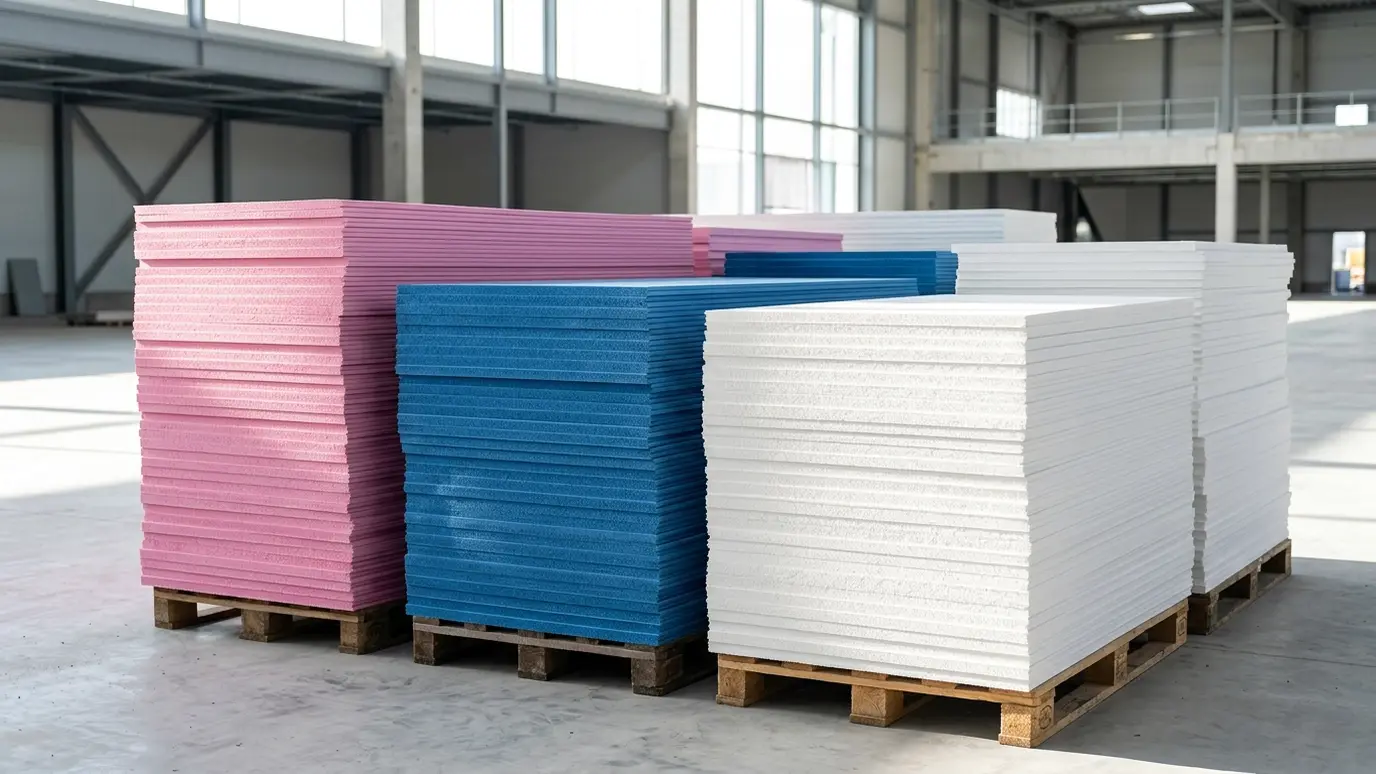
EPS, XPS and polyiso boards offer continuous insulation for basements, slabs, walls and roofs. Here is how they compare.
Foam board comes in flat panels, which makes it ideal for surfaces that need a continuous layer. It fastens to concrete, sheathing and roof decks, and it can be cut to fit around corners and penetrations. Taped seams and sealed edges give it air resistance too.
Three types dominate. Expanded polystyrene is economical and balanced. Extruded polystyrene resists water well. Polyisocyanurate has the highest R-value per inch but can lose some performance in cold conditions. We pick the right one for each location.
Covers studs and masonry.
Three types, three strengths.
XPS and EPS handle damp spaces well.
Air resistance when sealed.
Inside, a thermal barrier is required.
Neat results around details.
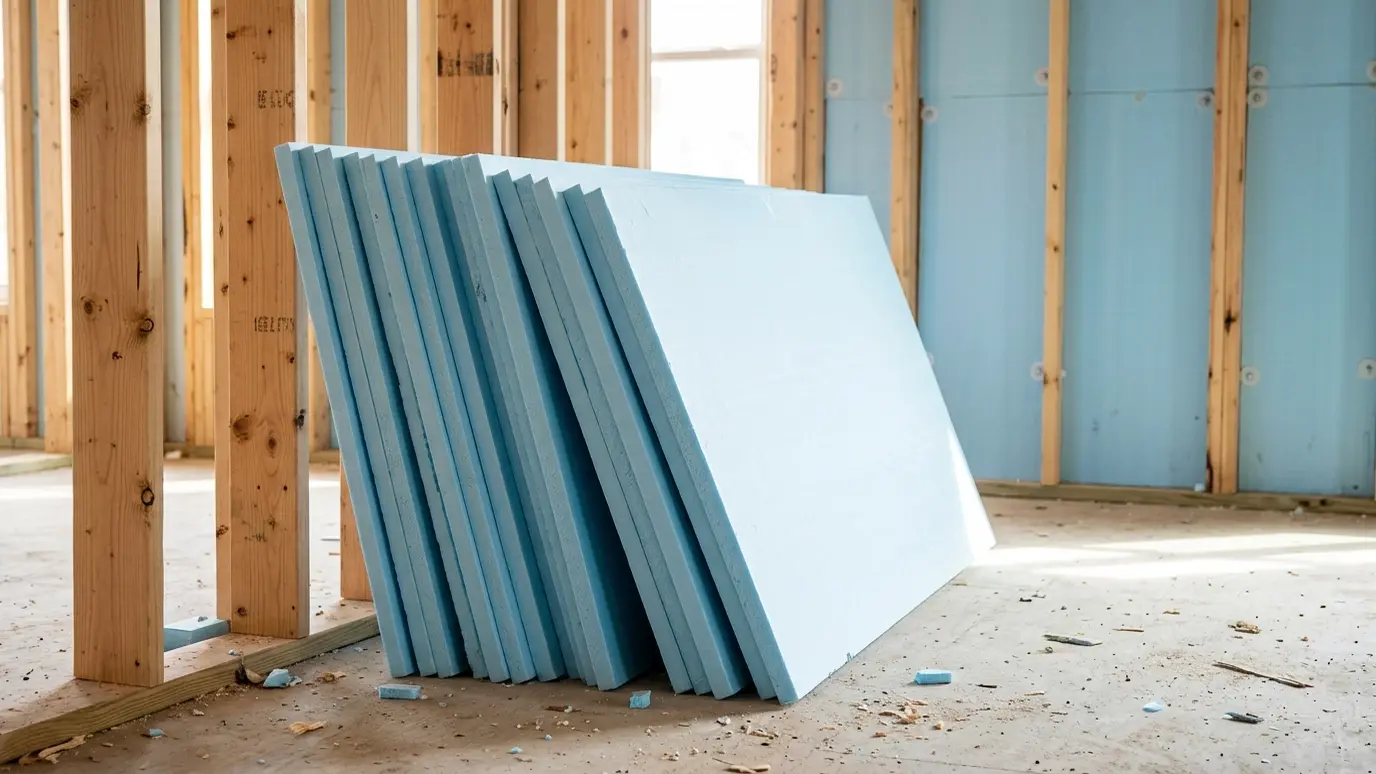 Rigid Foam Board InsulationContinuous insulation panels for basement walls, exterior sheathing, slabs and roofs, taped and sealed for lasting performance.Explore
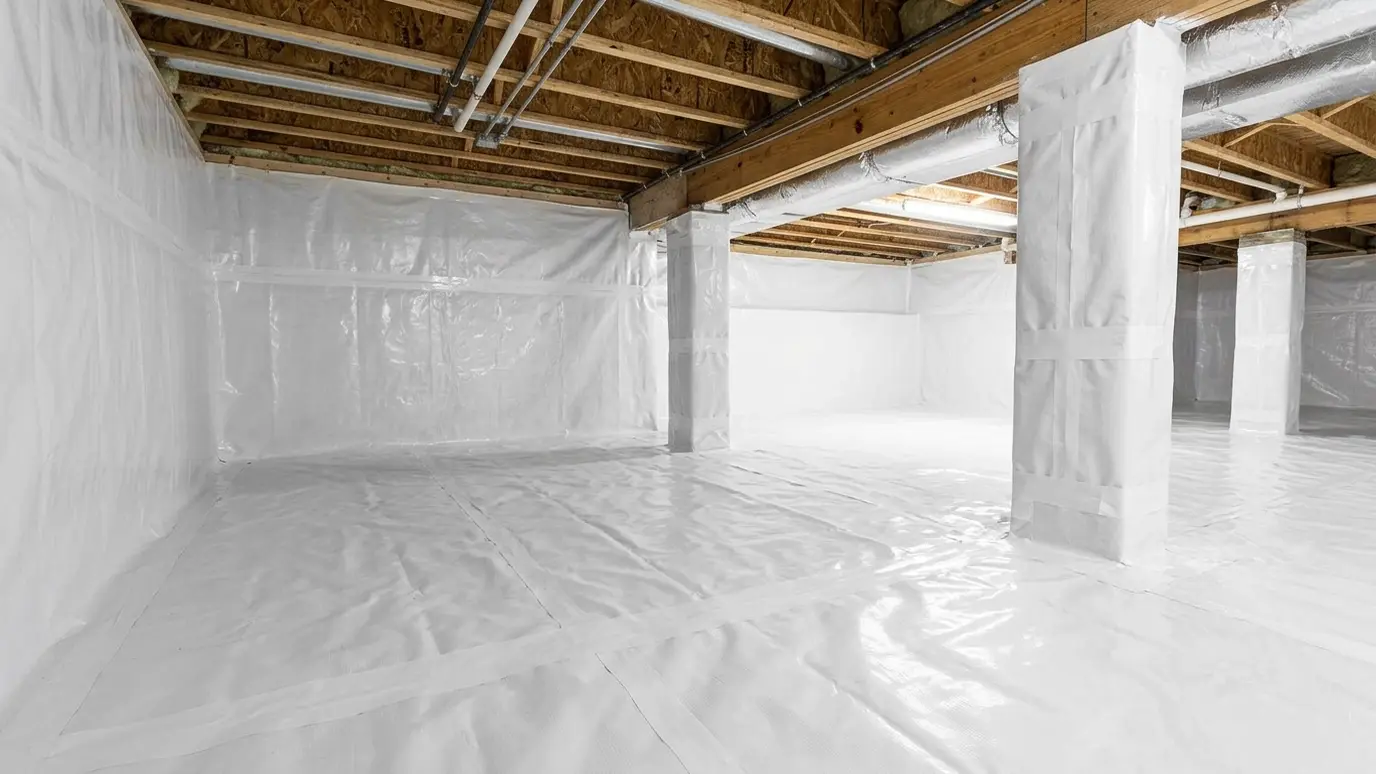 Crawl Space EncapsulationA sealed, dry, conditioned crawl space with a heavy vapor barrier, so humidity, mold and cold floors stop…Explore
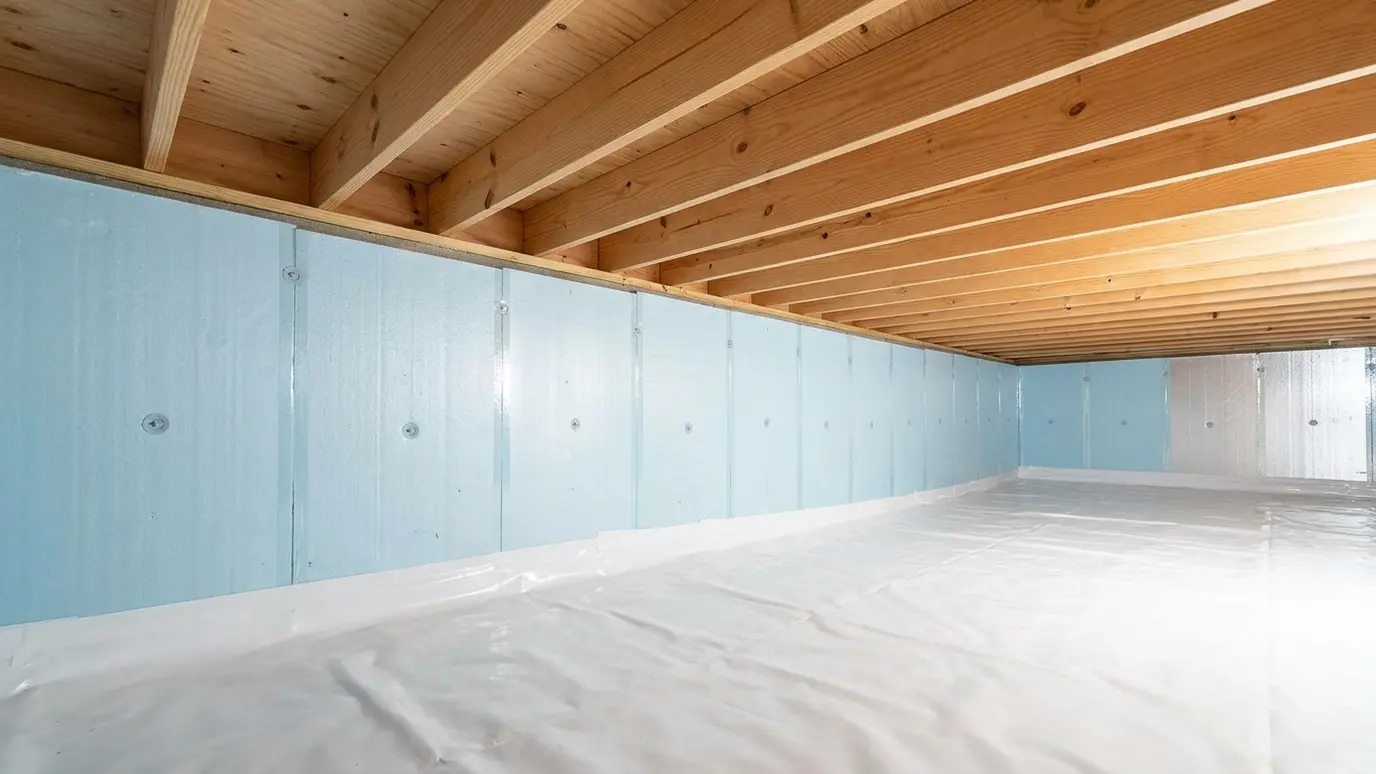 Crawl Space InsulationInsulation on the walls or under the floor, chosen for your crawl space so the house above stays…Explore
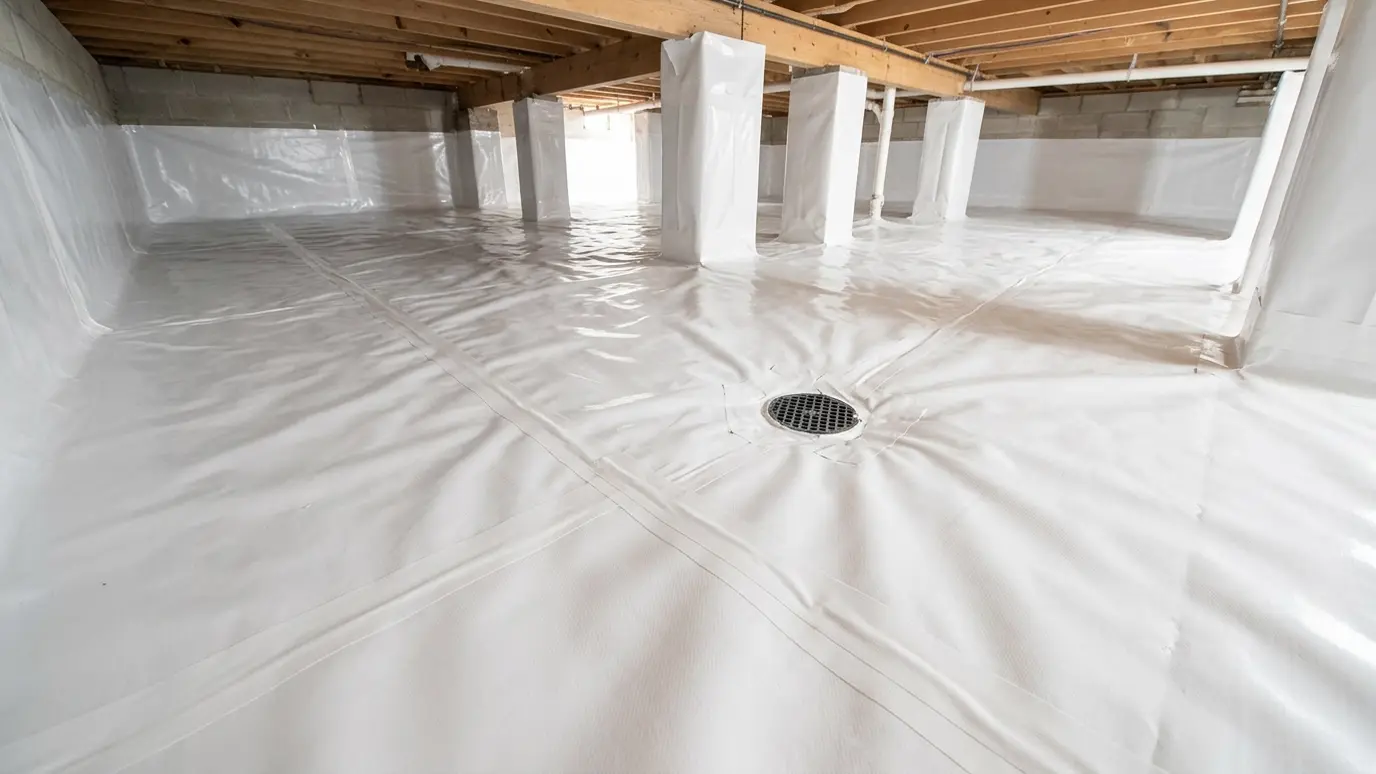 Vapor Barriers and MoistureGround covers, wall liners and drainage that keep moisture from rising into the house, installed with taped seams…Explore
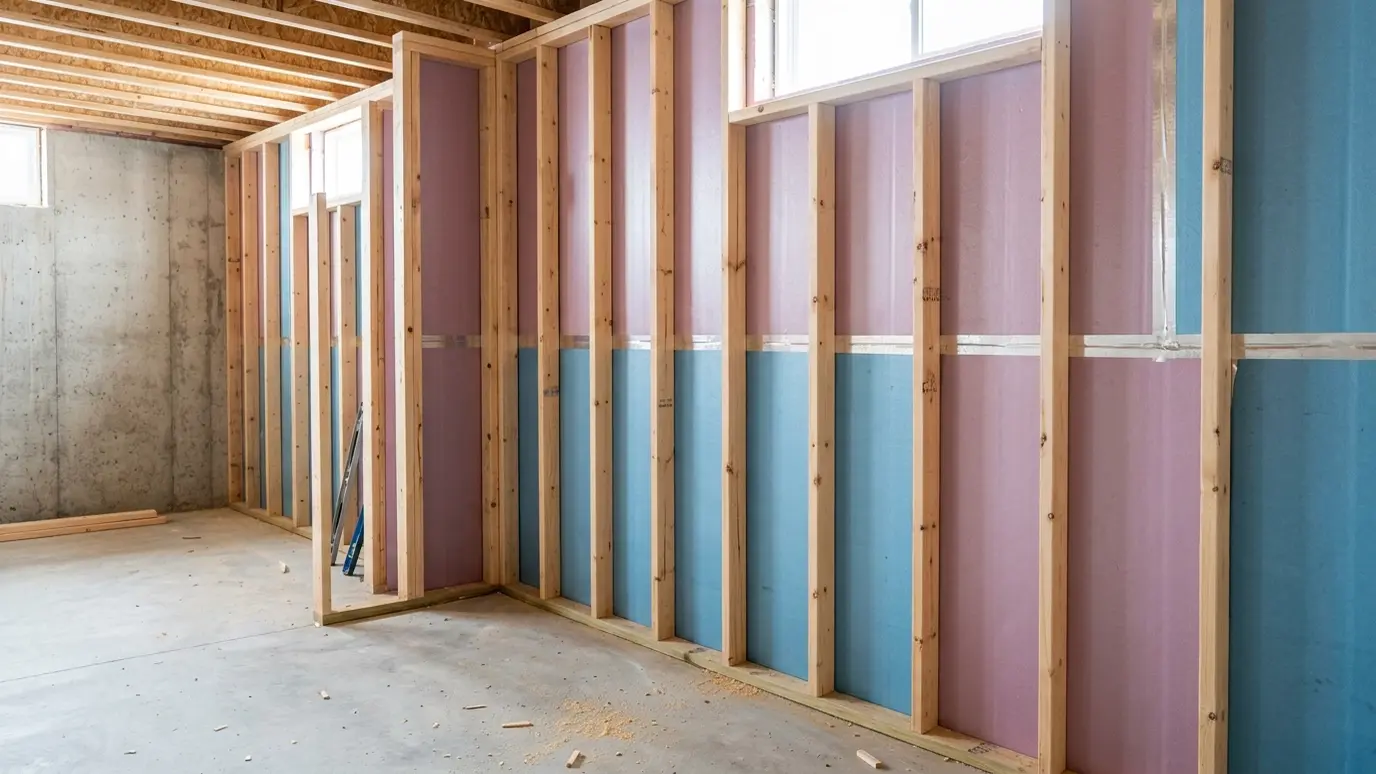 Basement Wall InsulationInsulation that handles moisture and cold concrete, turning an unfinished basement into usable, comfortable space.Explore
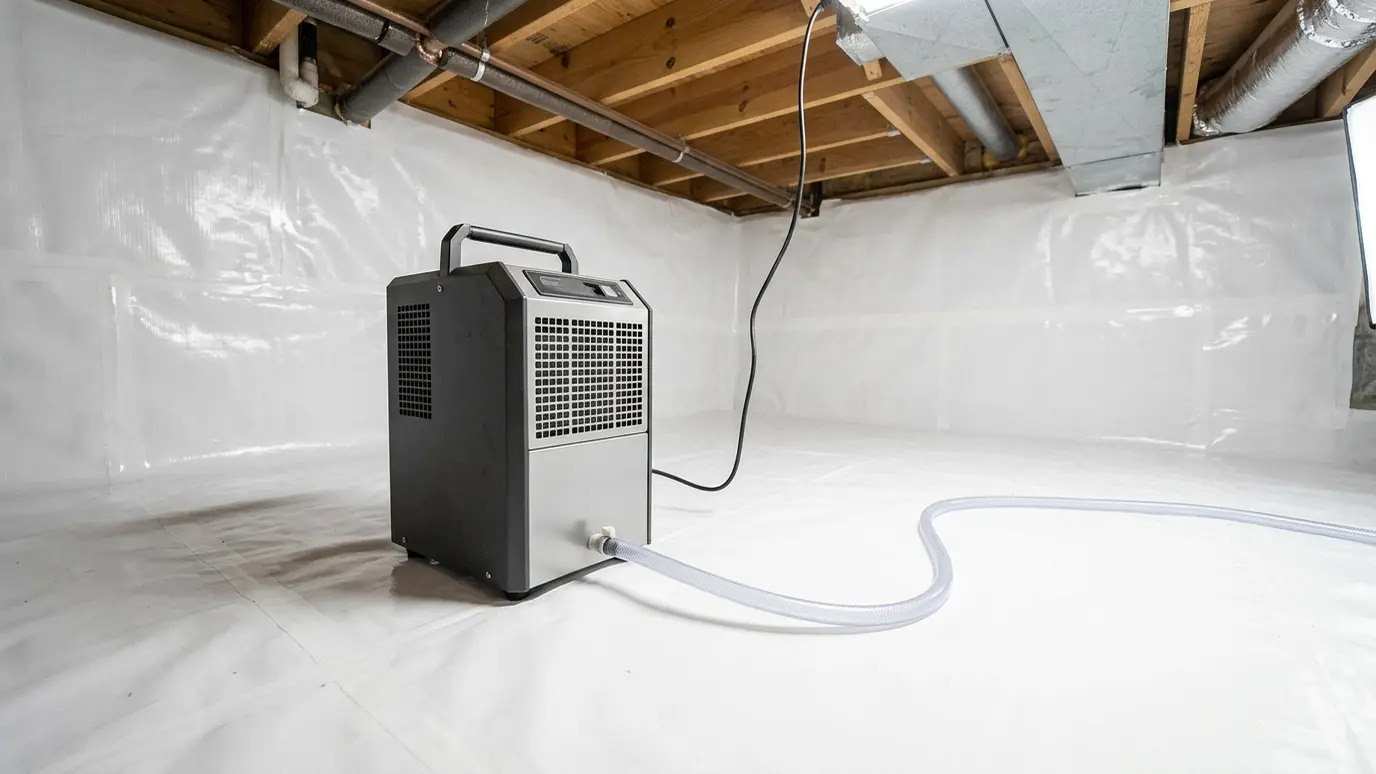 Crawl Space DehumidificationA sized dehumidifier and controlled airflow that keep a sealed crawl space in a healthy humidity range through…Explore
Check an R-value, find your first fixes or ballpark a budget.
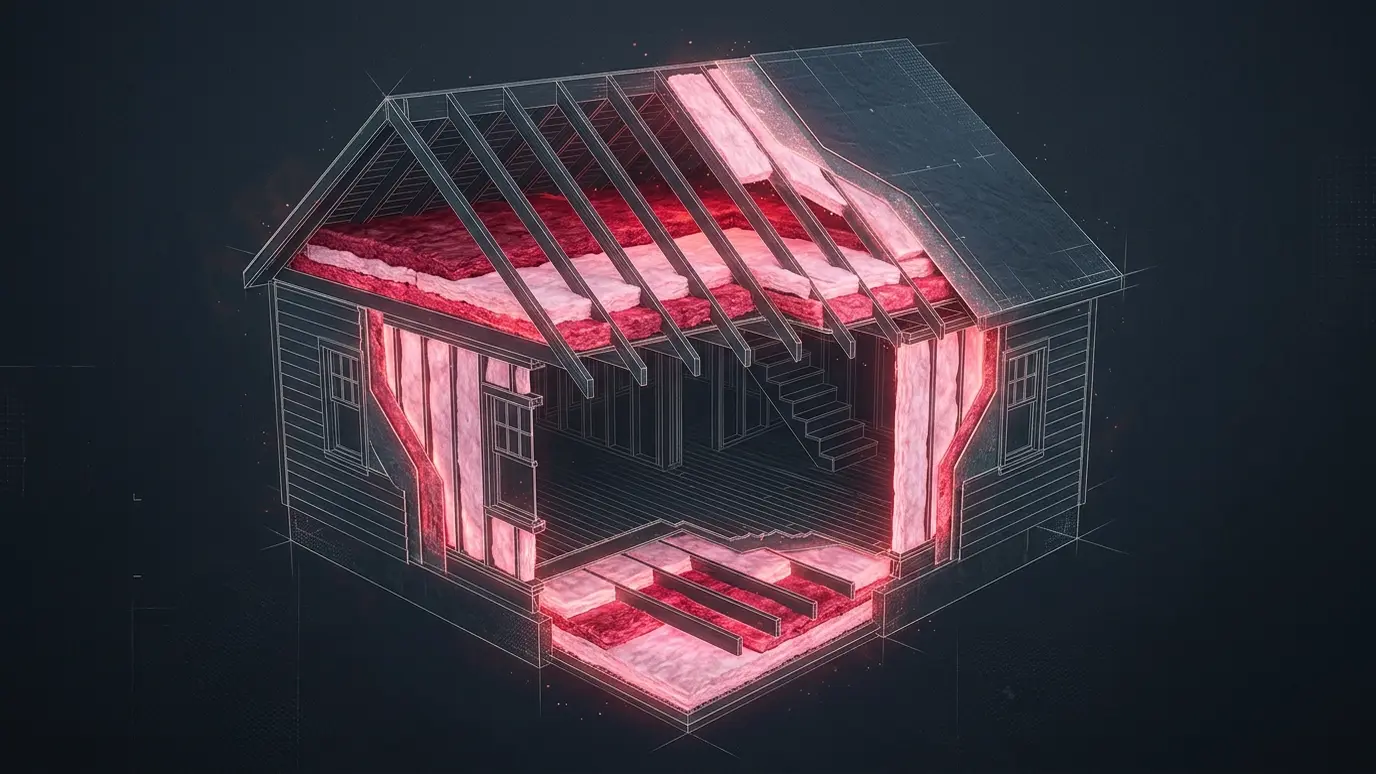 Insulation R-Value CalculatorPick a material and enter the depth to see the approximate R-value, or enter a target to see the depth you need.Try it
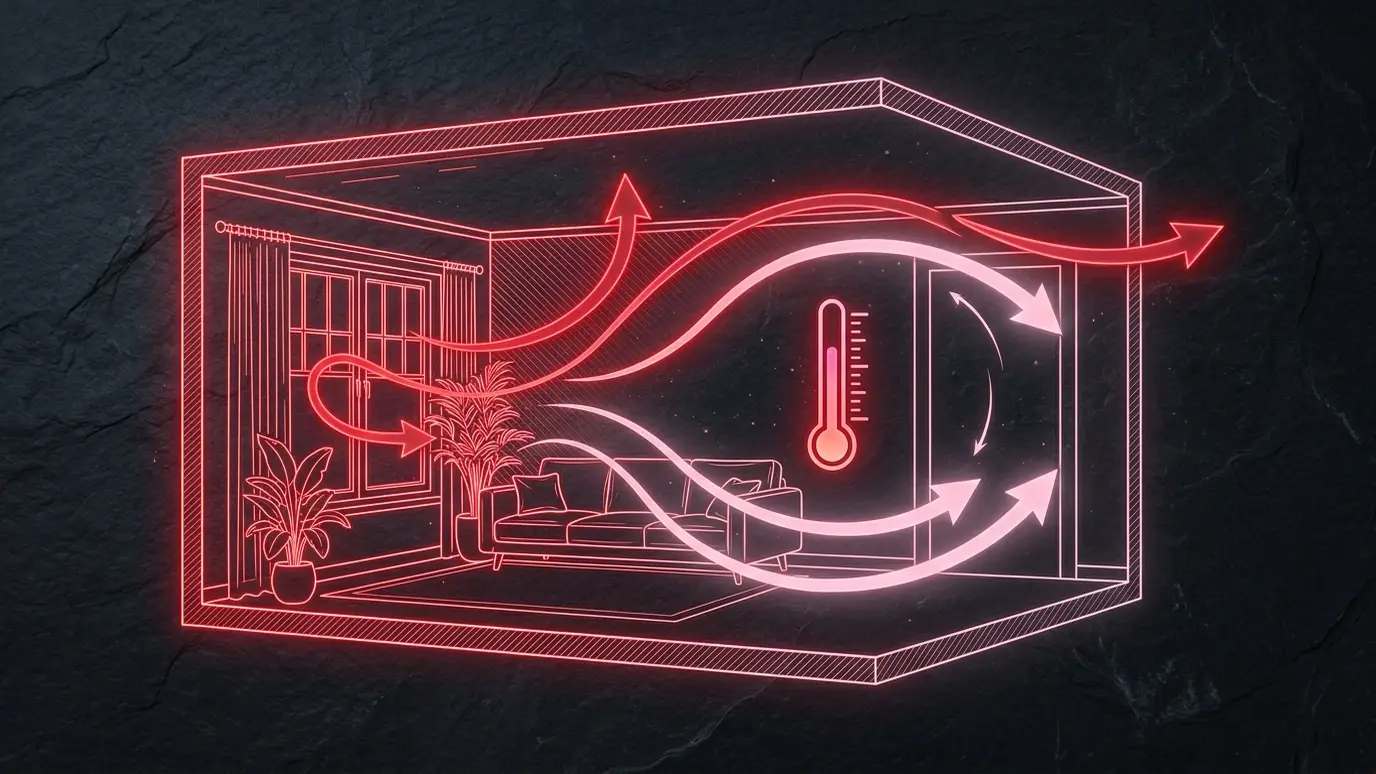 Home Comfort and Heat Loss CheckupAnswer a few questions about your rooms, bills and spaces and see which fixes to look at first.Try it
 Insulation Project Budget PlannerPick a project and a size and get a ballpark planning range.Try it
It depends on location. XPS and EPS suit damp areas, and polyiso suits roofs and walls above grade.
Inside the house, yes. A thermal barrier such as drywall is usually required.
Yes, behind siding or under roofing, with the right fasteners and flashing.
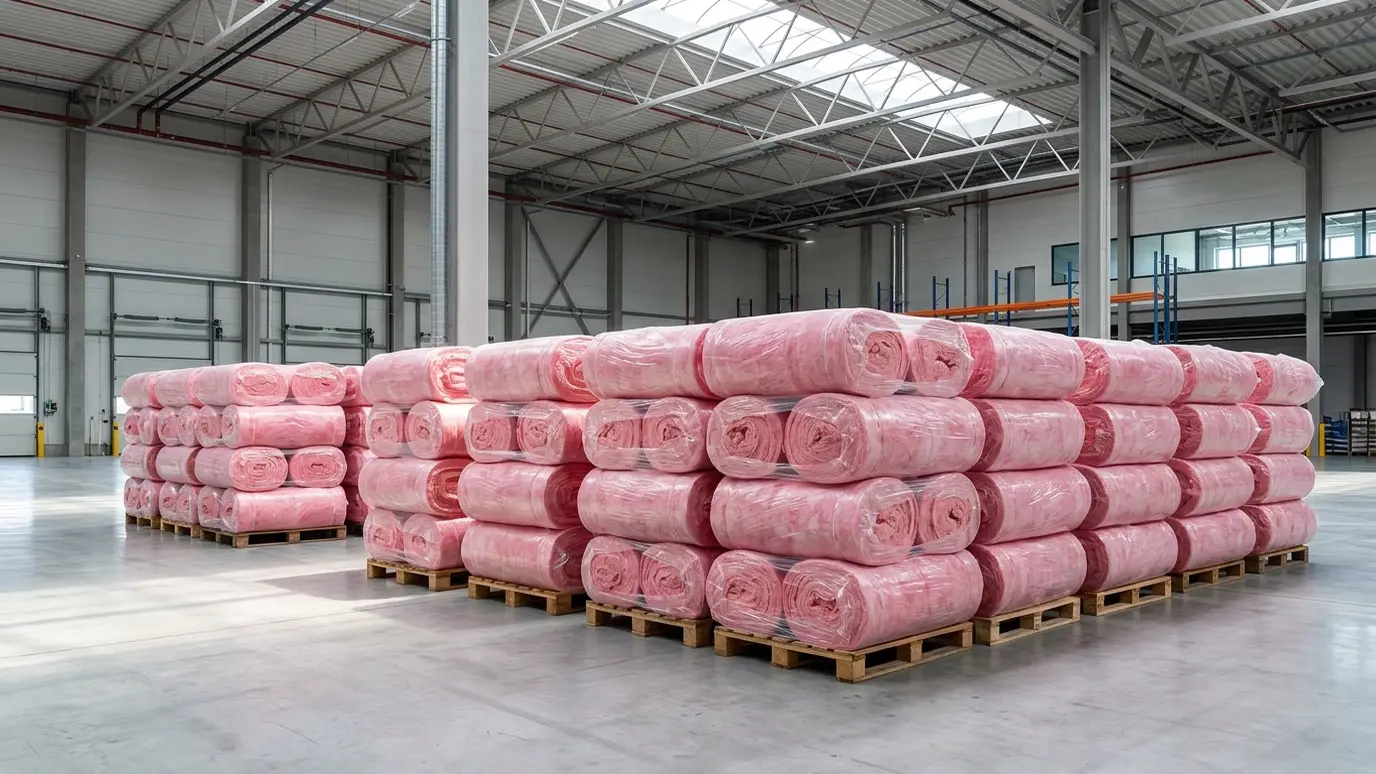 Material guideFiberglassThe most common insulation, in batts and loose-fill. Here is how it performs, where it works well and…Learn more
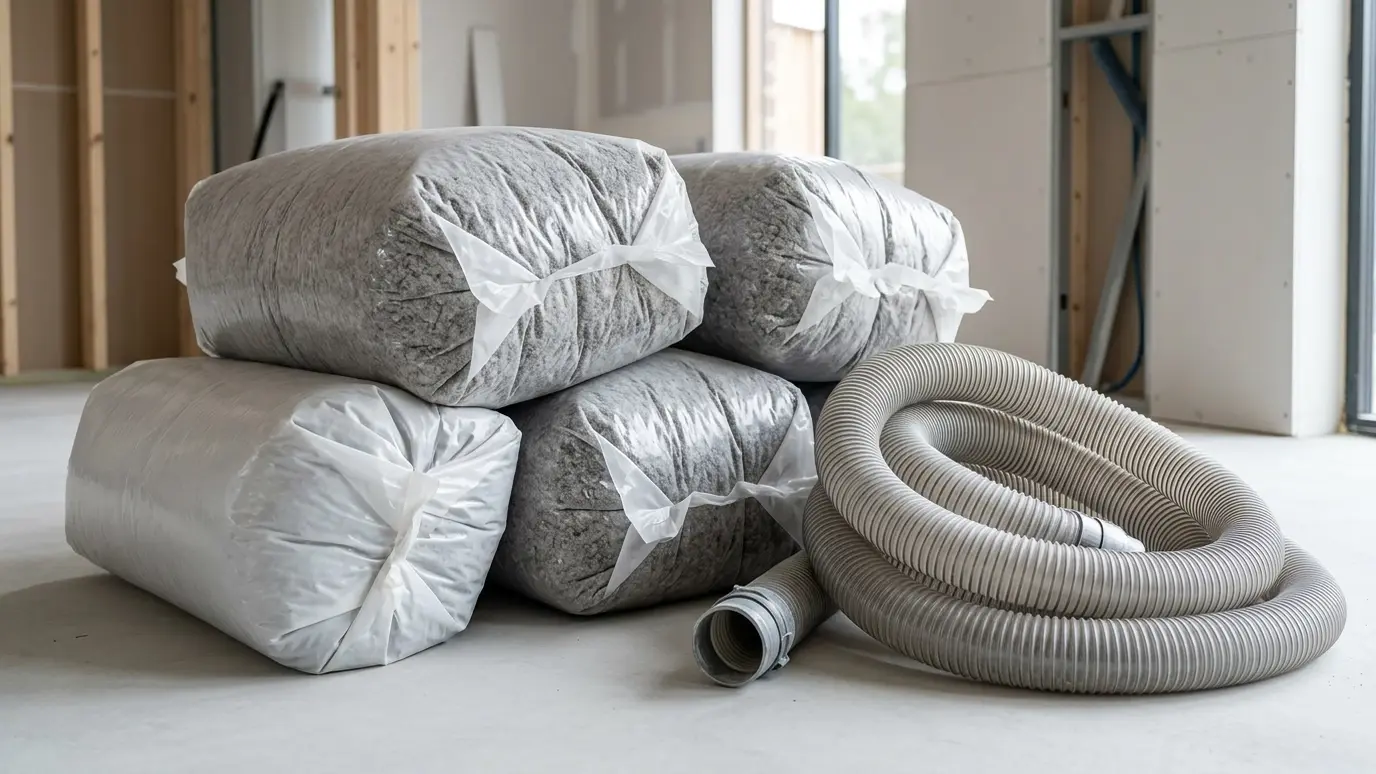 Material guideCelluloseRecycled paper fiber, treated for fire and pests, installed loose or dense-packed. Here is where it shines.Learn more
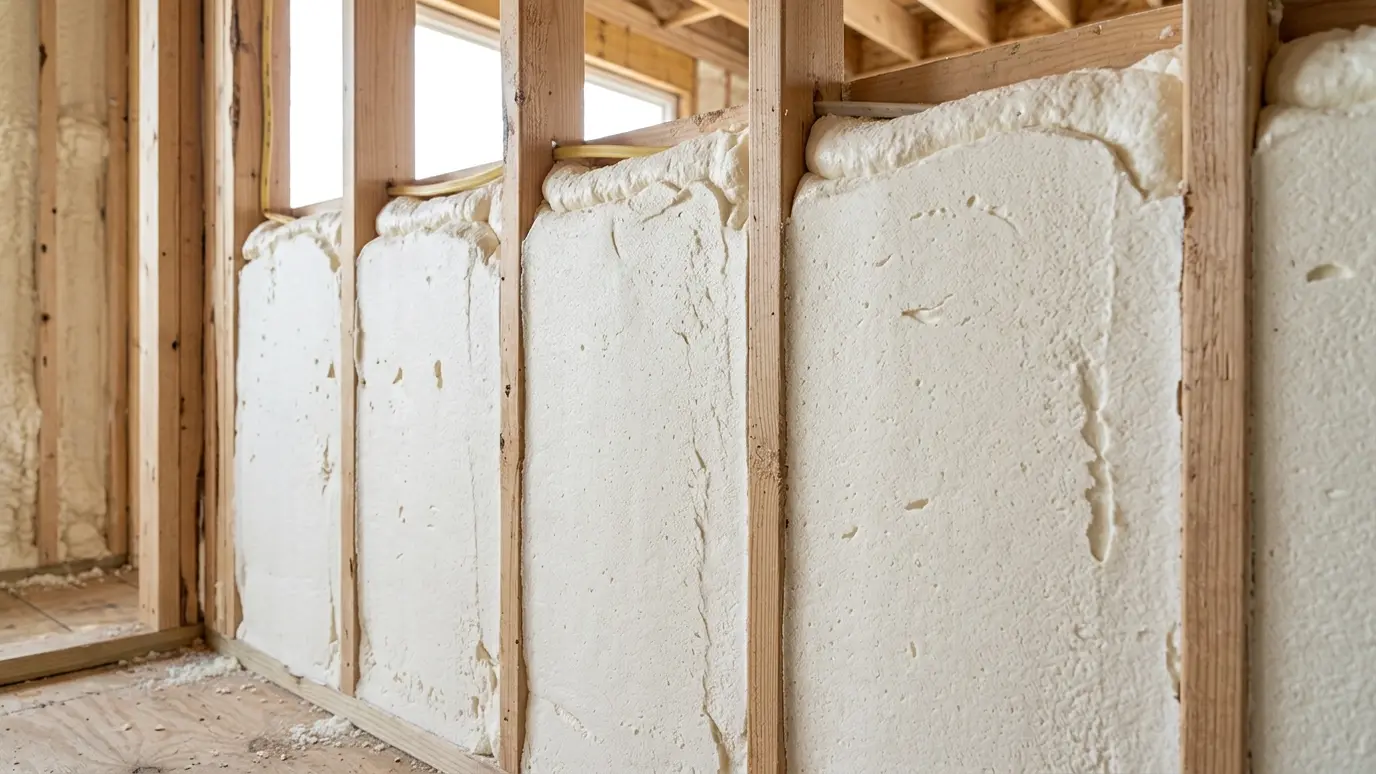 Material guideSpray FoamOpen-cell and closed-cell foam insulate and seal in one step. Here is how to choose and what to…Learn more
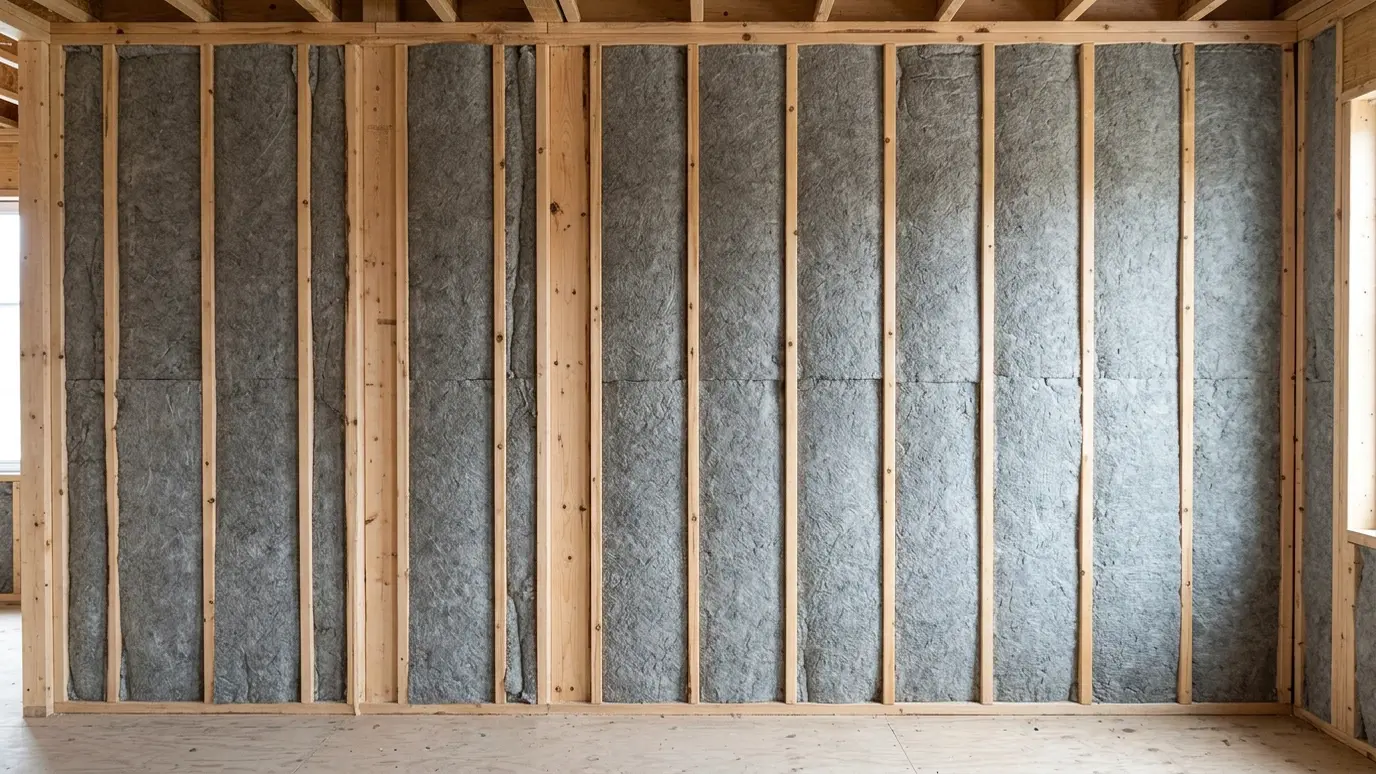 Material guideMineral WoolDense stone and slag fibers that resist fire, water and sound. Here is why it is a favorite…Learn more
Call us and we will inspect the attic, walls and crawl space and give you a clear plan and a written scope.