How sound travels
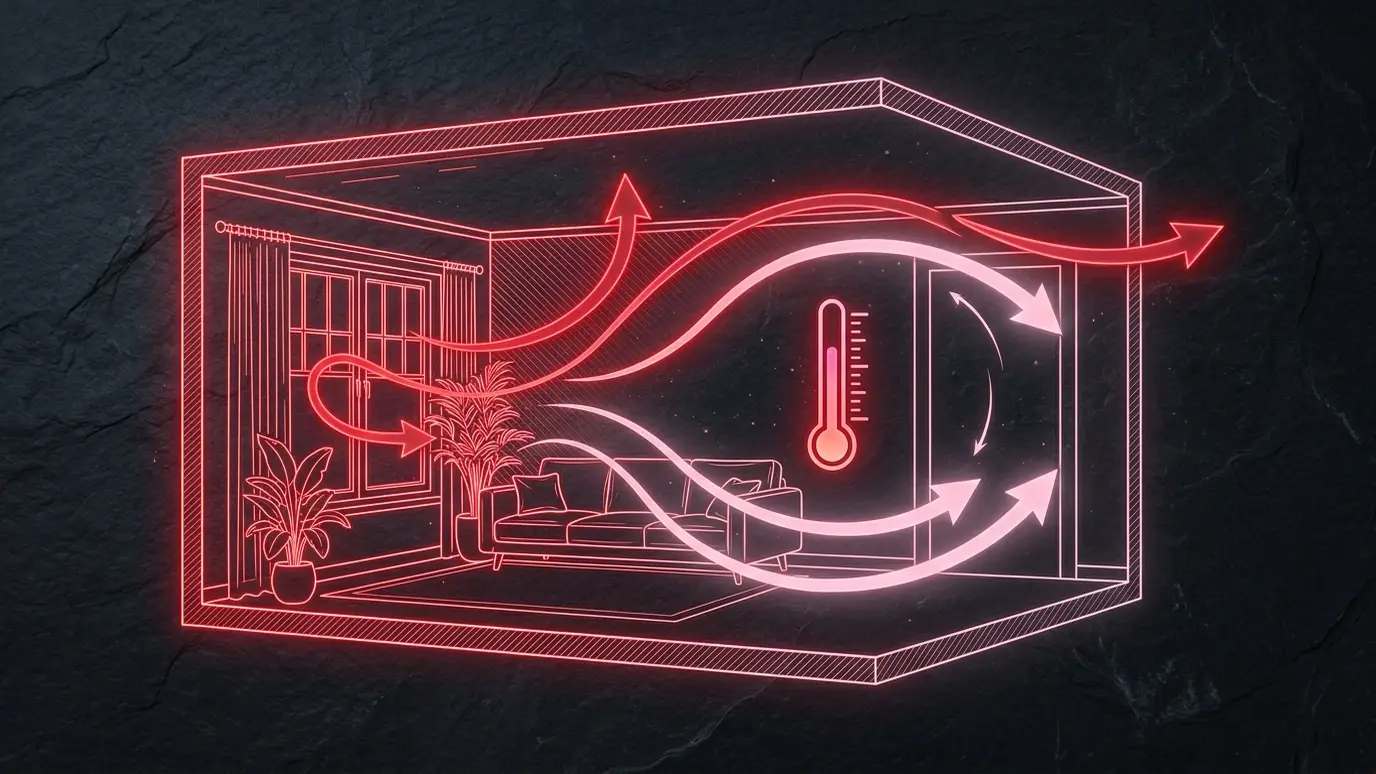
Airborne sound passes through gaps and thin surfaces. Impact sound travels through the structure. Each needs a different fix.
Know which one bothers you first.
Absorb
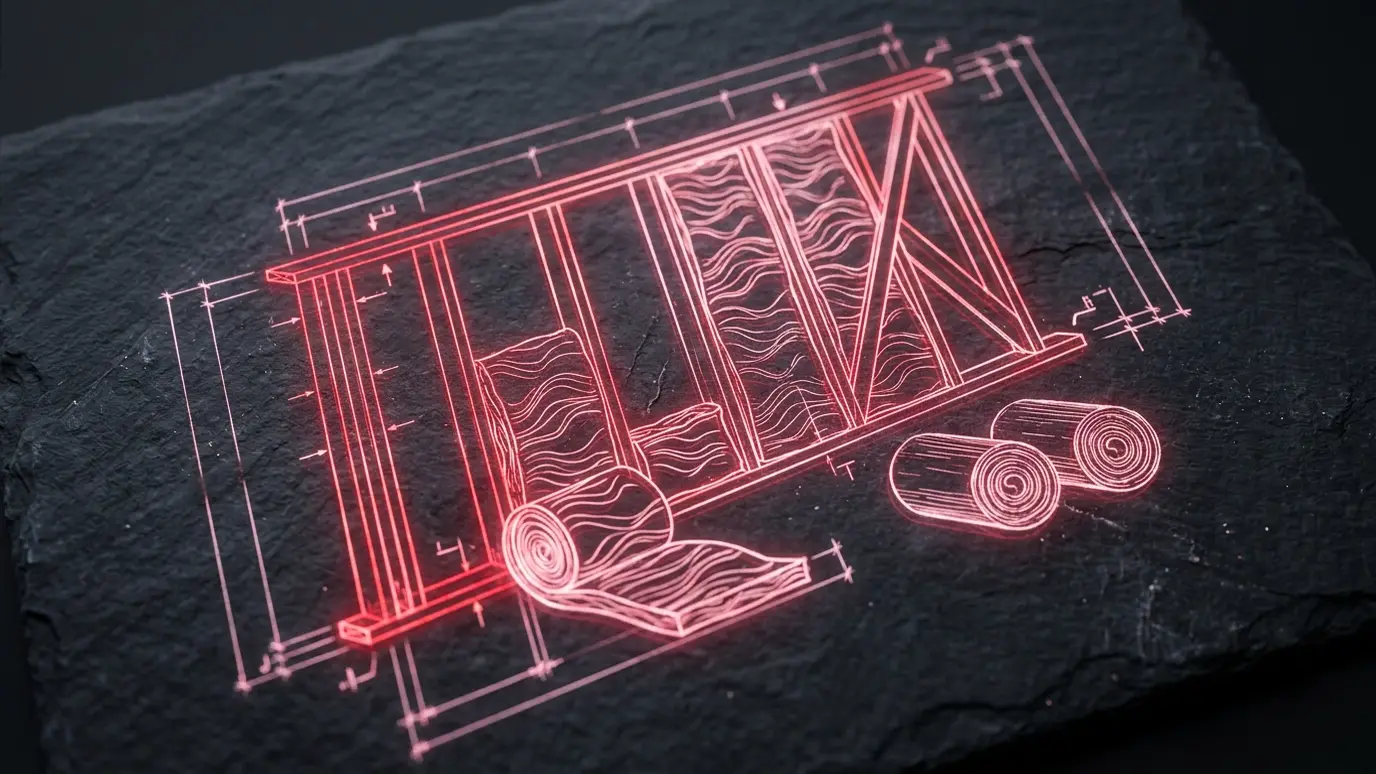
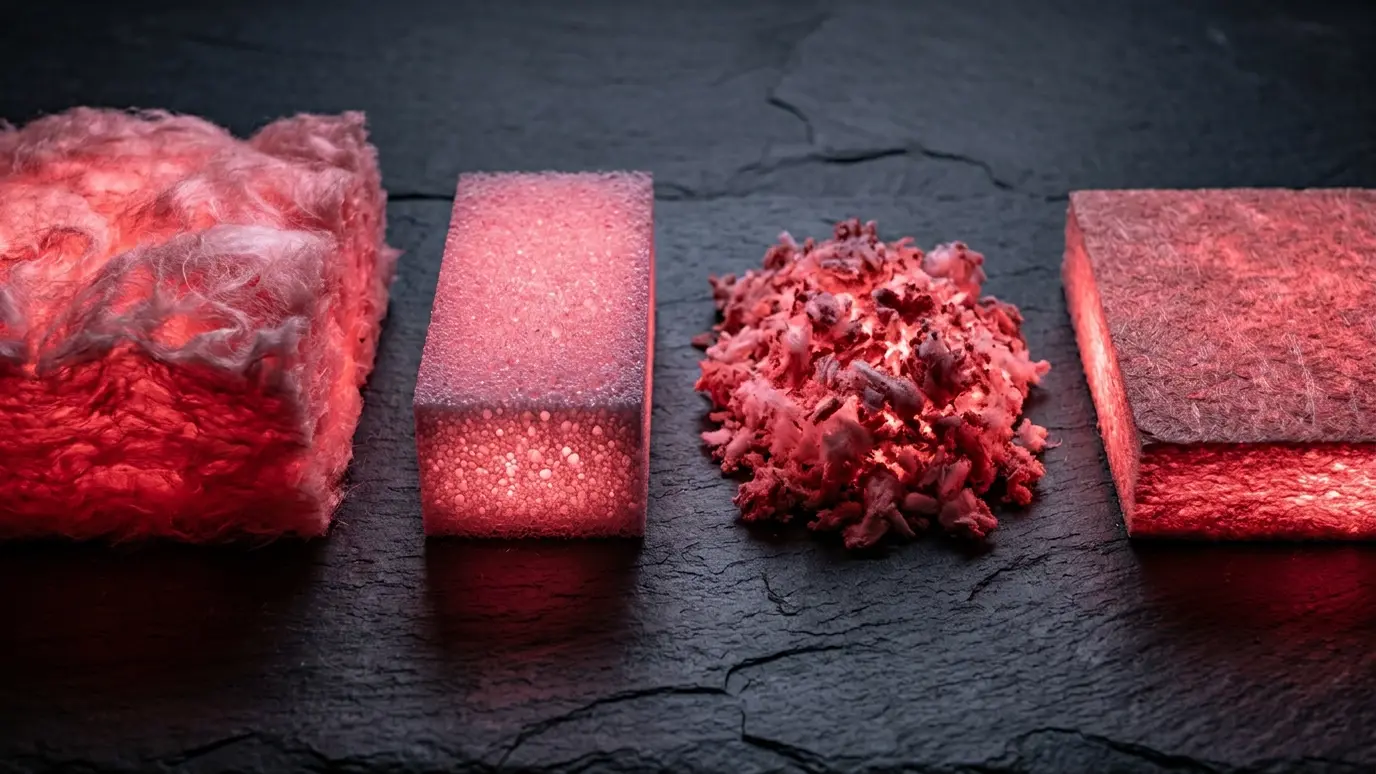
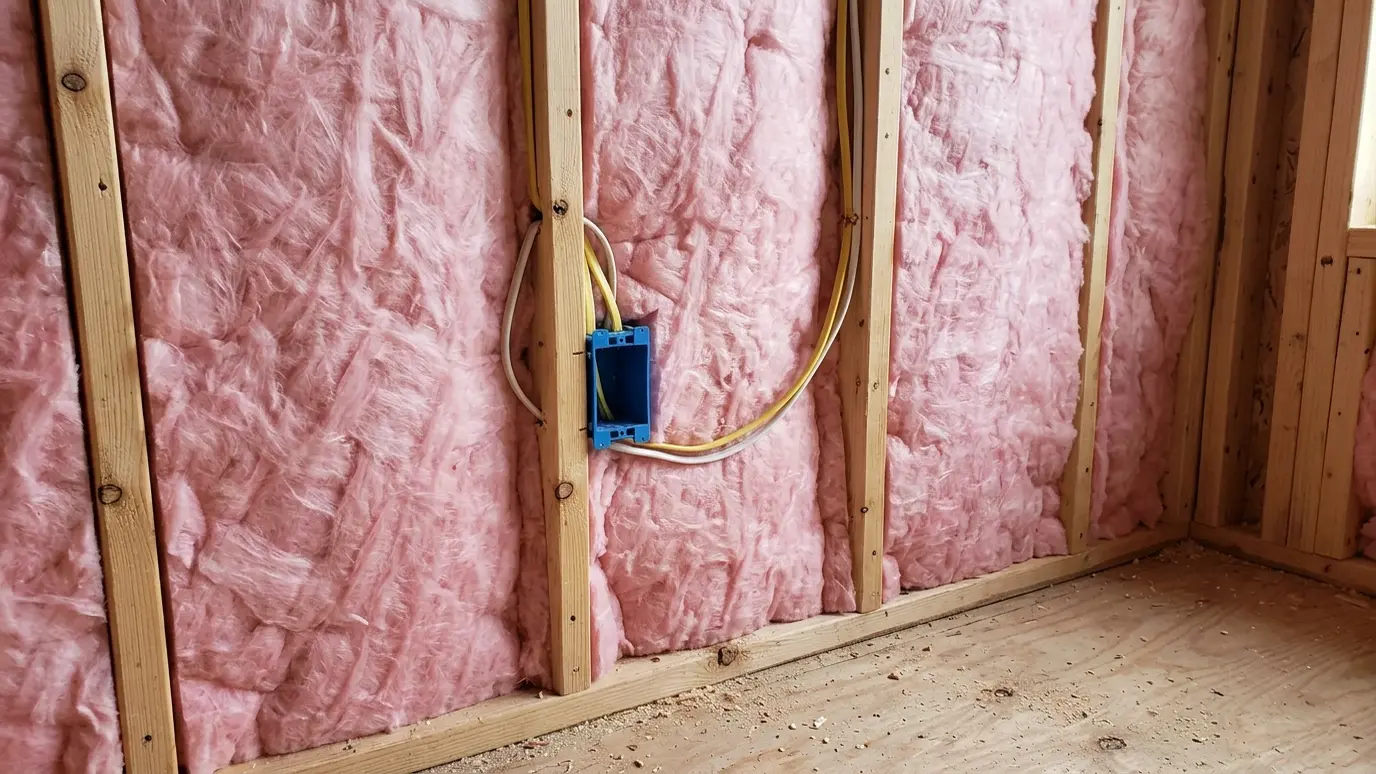
Dense insulation in a wall or ceiling cavity absorbs sound that would otherwise echo and pass through. Mineral wool and dense batts are strong choices.
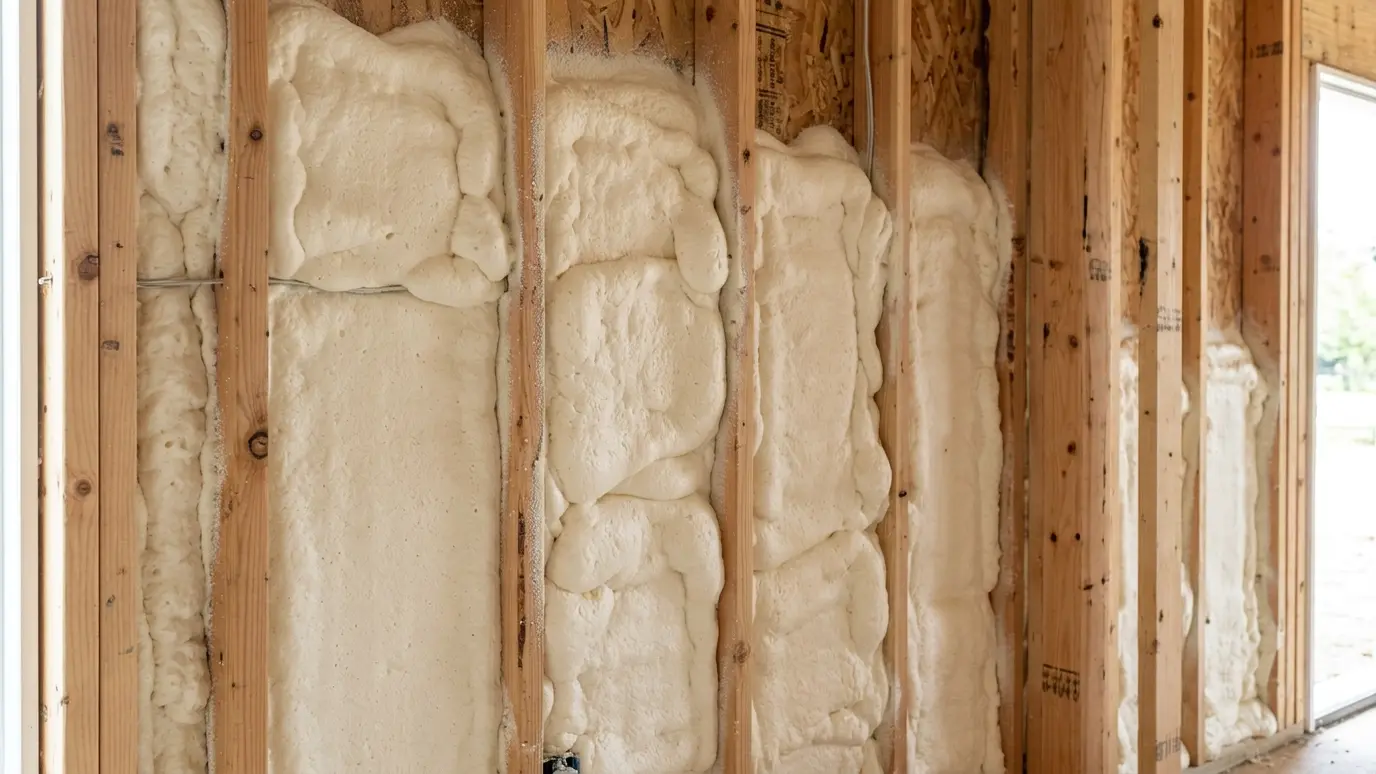
Open-cell foam helps too.
Block with mass
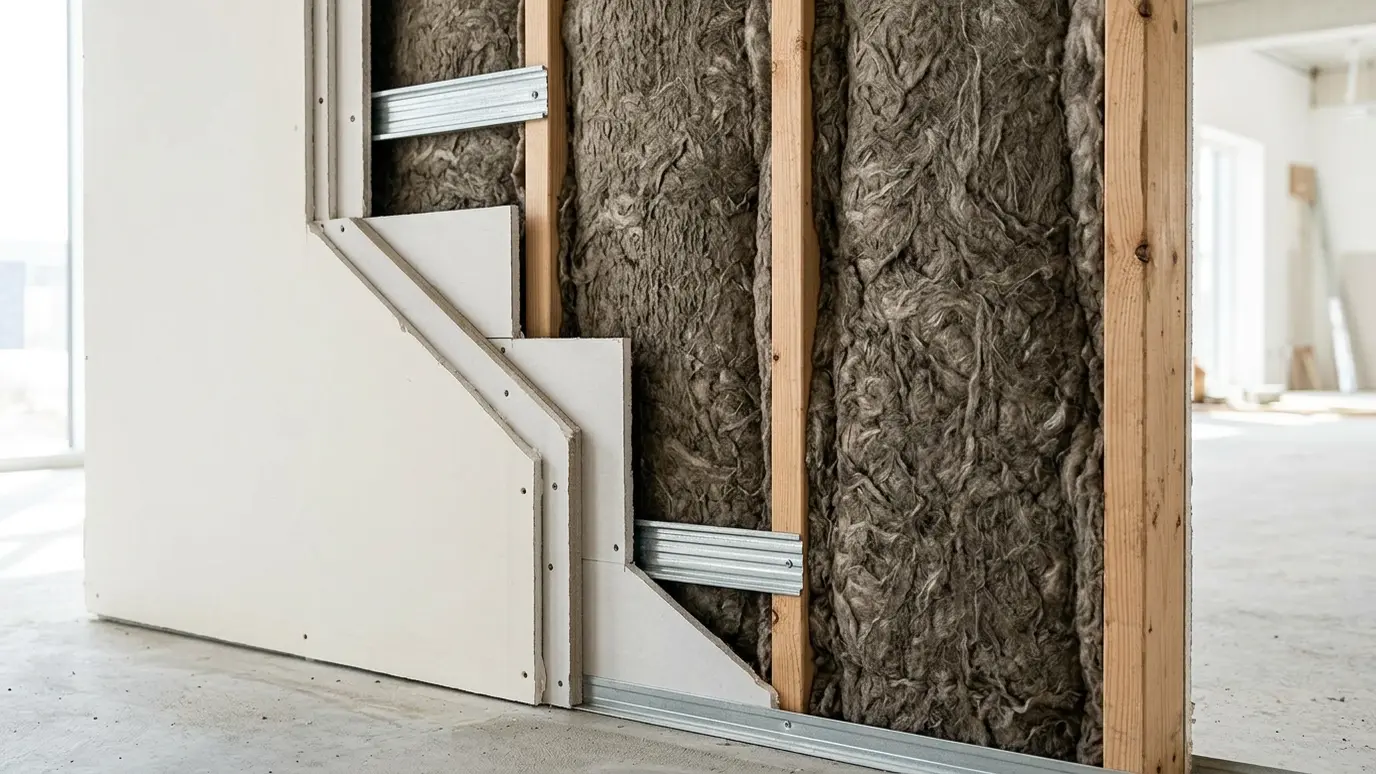
Heavy layers, such as double drywall, stop sound. Mass is the main defense against low frequencies.
Adding mass often helps more than adding fill.
Seal the gaps
A small gap can undo a large effort. Seal around outlets, plates, ducts and door edges.
Acoustic caulk and gaskets are inexpensive and effective.
Decouple
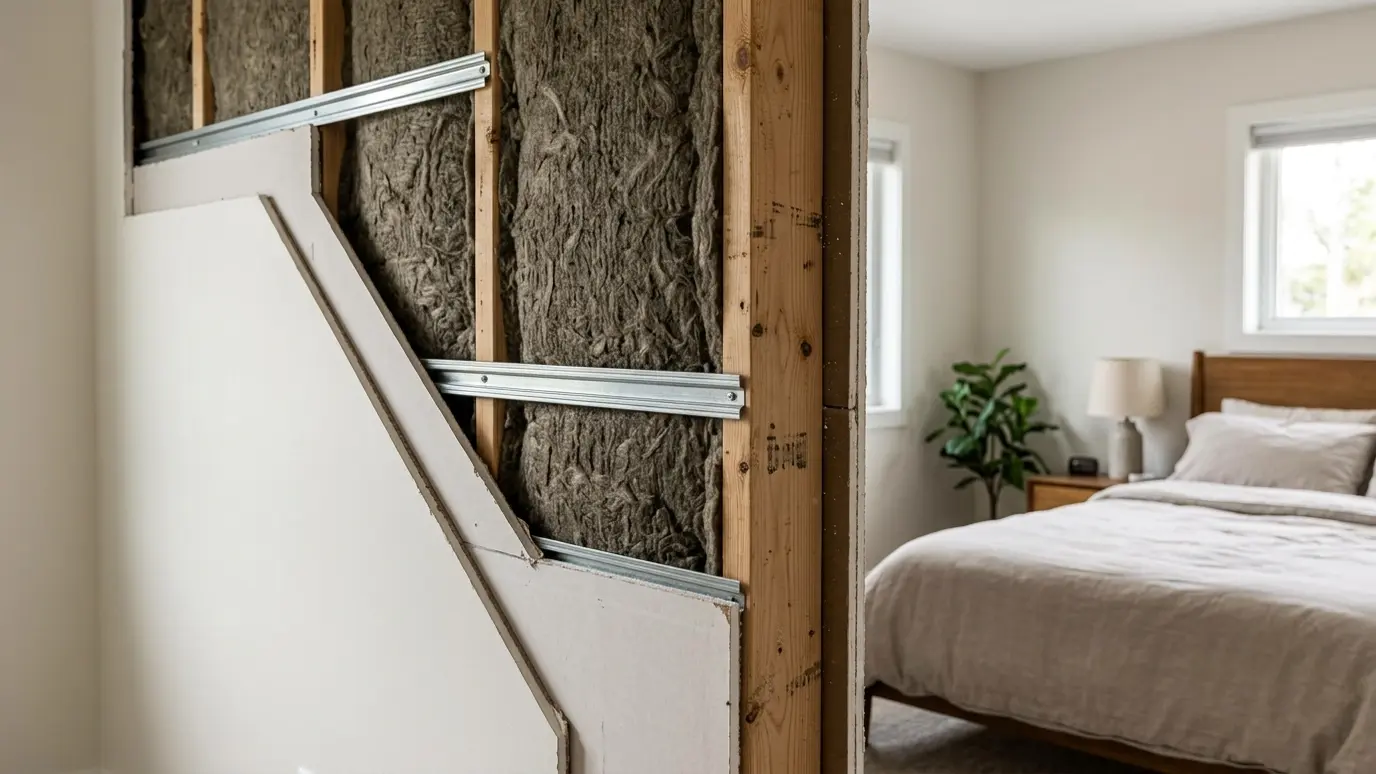
Resilient channels and floating floors separate surfaces so vibration cannot pass through. They are useful for ceilings and music rooms.
They need correct installation to work.
Set realistic goals
A calmer home is realistic. A studio-grade room needs an acoustic design. We explain what each approach can deliver.
Listen first, then plan.
Combine absorption, mass, sealing and decoupling, and seal every gap.