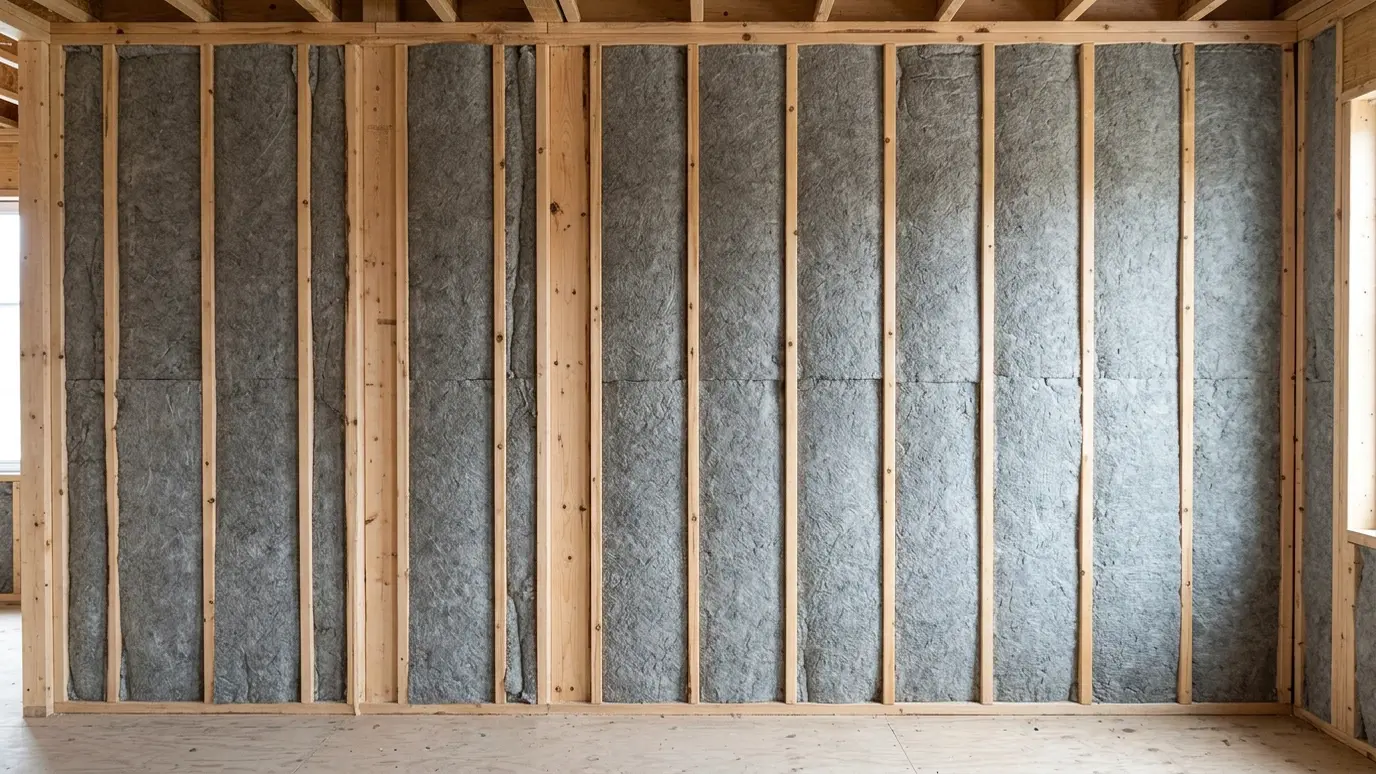
Dense stone and slag fibers that resist fire, water and sound. Here is why it is a favorite for walls, basements and quiet rooms.
Mineral wool, sometimes called rock wool, is made from spun stone or slag. It is denser than fiberglass, stays firm in the cavity and resists fire to very high temperatures. It also repels water and absorbs sound well.
Because it holds its shape, it fits snugly in stud walls and does not sag. It costs more than fiberglass, and the batts are heavier to handle. It is a strong choice for basements, shared walls, home theaters, exterior walls near heat and anywhere extra safety is a priority.
Withstands very high temperatures.
Dries easily and resists mold.
Dense fibers absorb noise.
Does not sag in the cavity.
A premium over fiberglass.
Clean fit around details.
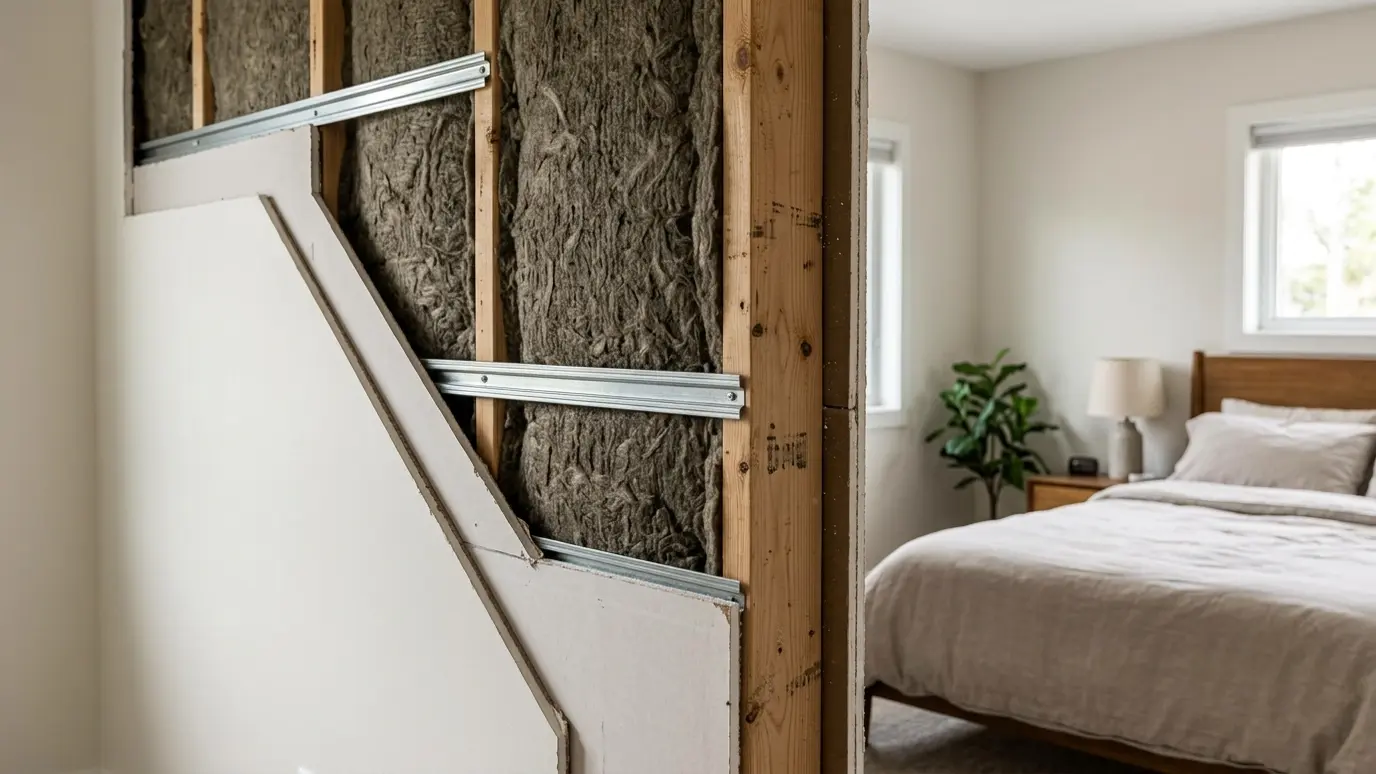 Soundproofing and Sound InsulationQuieter bedrooms, media rooms, offices and shared walls, built with dense insulation, decoupling and sealed gaps.Explore
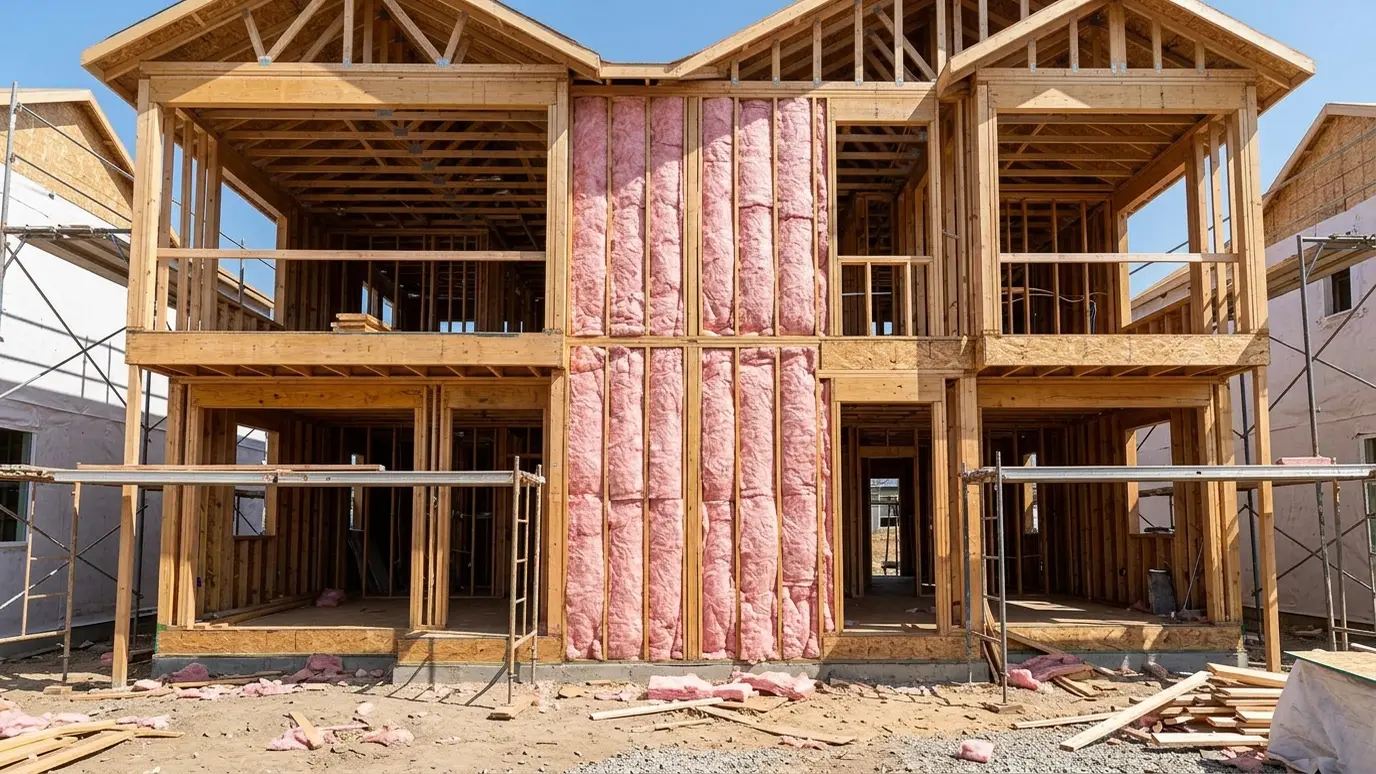 Multifamily and TownhomesInsulation and sound control for townhomes, condominiums and apartments, with fire and party-wall details handled carefully.Explore
Check an R-value, find your first fixes or ballpark a budget.
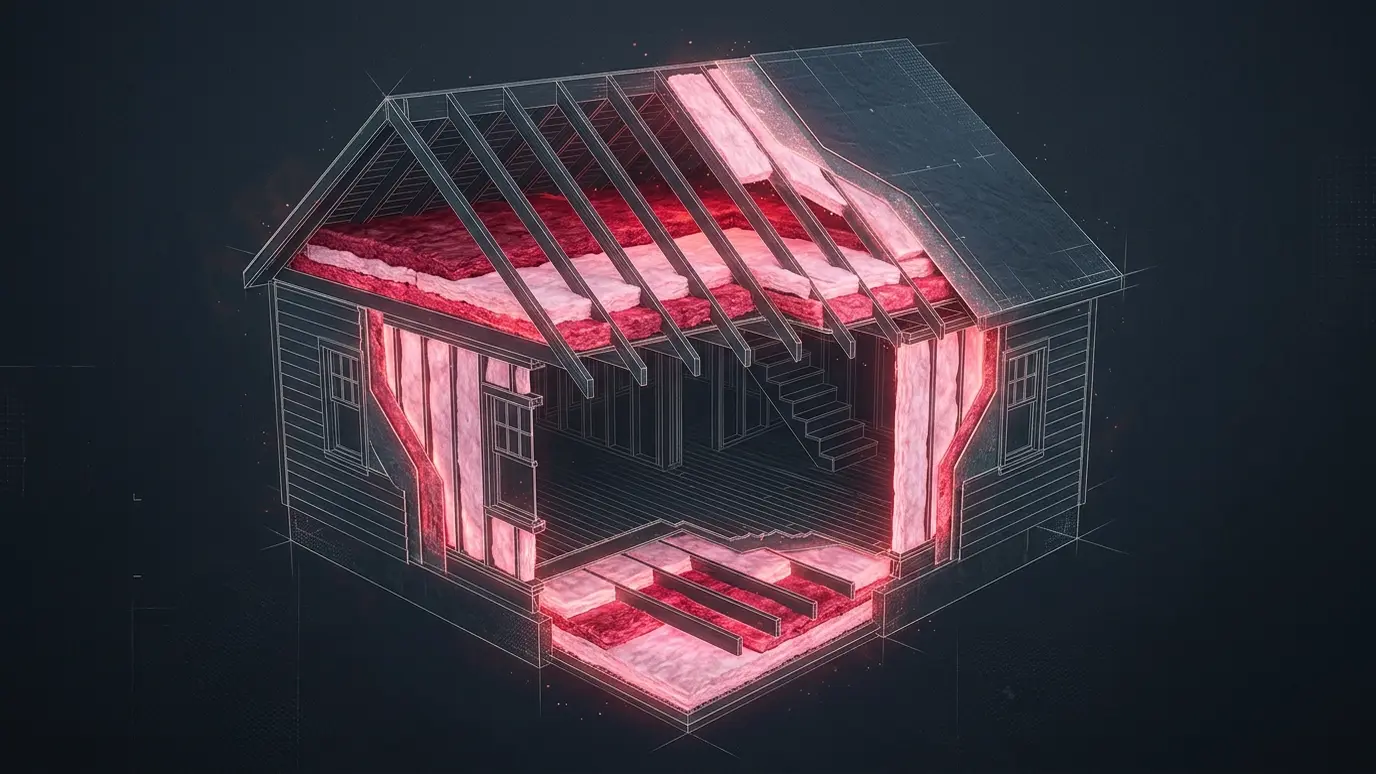 Insulation R-Value CalculatorPick a material and enter the depth to see the approximate R-value, or enter a target to see the depth you need.Try it
 Home Comfort and Heat Loss CheckupAnswer a few questions about your rooms, bills and spaces and see which fixes to look at first.Try it
 Insulation Project Budget PlannerPick a project and a size and get a ballpark planning range.Try it
It resists fire, water and sound better and costs more. Both work well when installed carefully.
It can irritate skin, so installers wear protection. It is similar to other fibrous materials.
Basements, party walls and rooms needing sound control are strong fits.
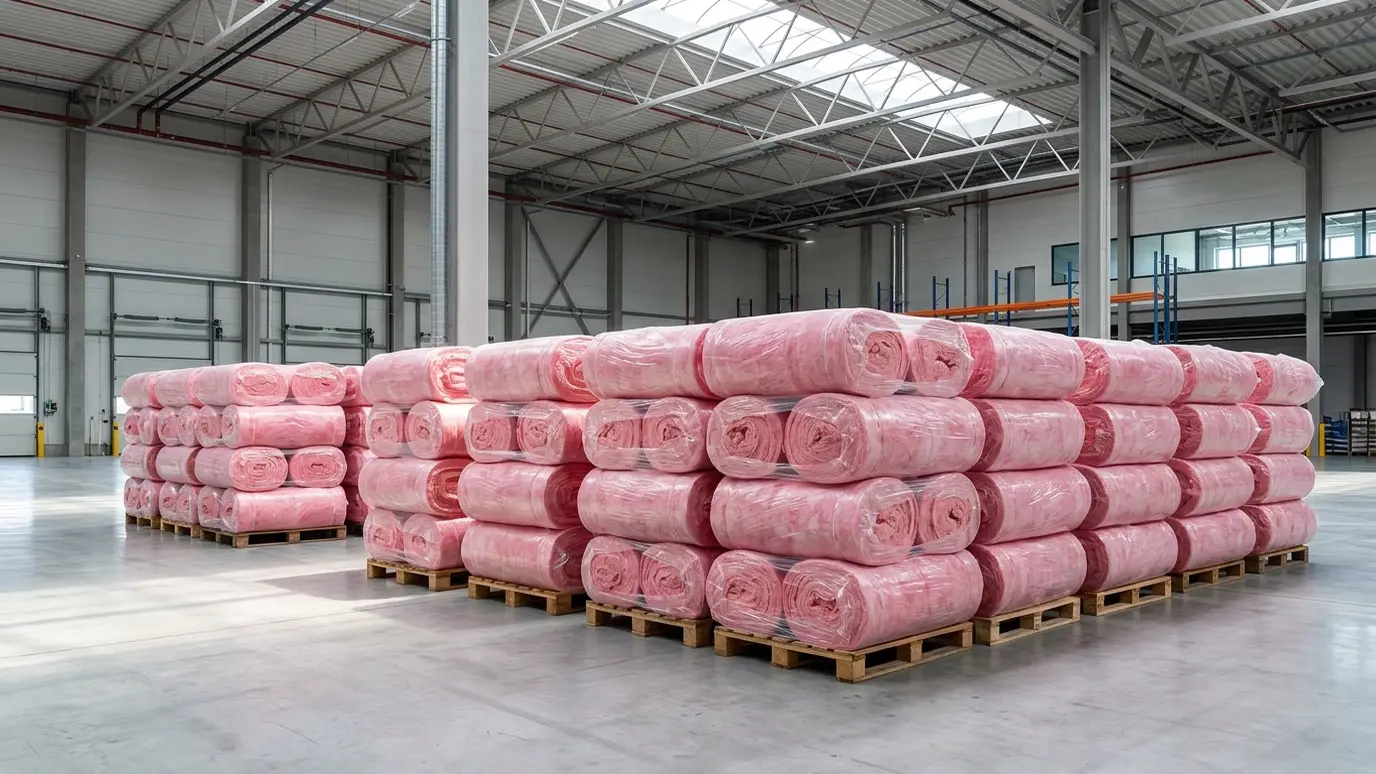 Material guideFiberglassThe most common insulation, in batts and loose-fill. Here is how it performs, where it works well and…Learn more
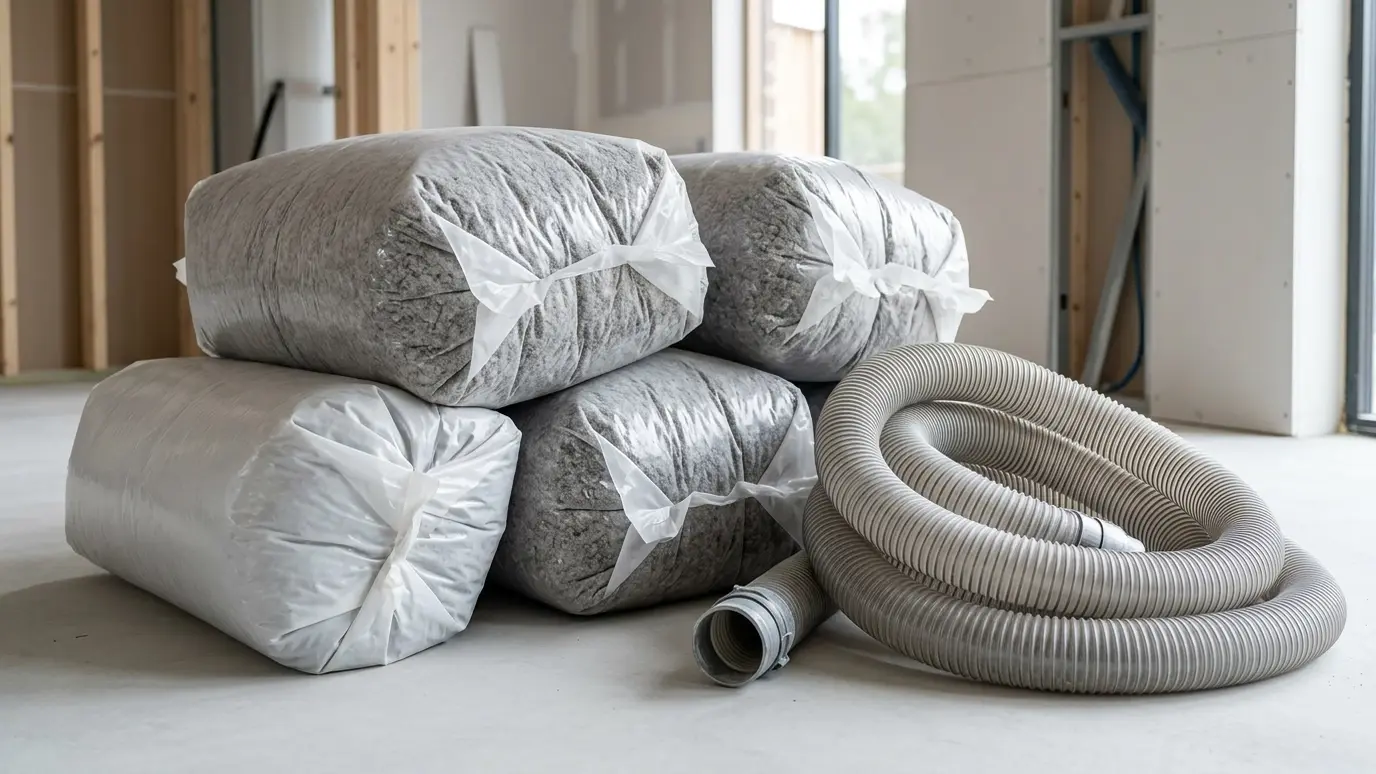 Material guideCelluloseRecycled paper fiber, treated for fire and pests, installed loose or dense-packed. Here is where it shines.Learn more
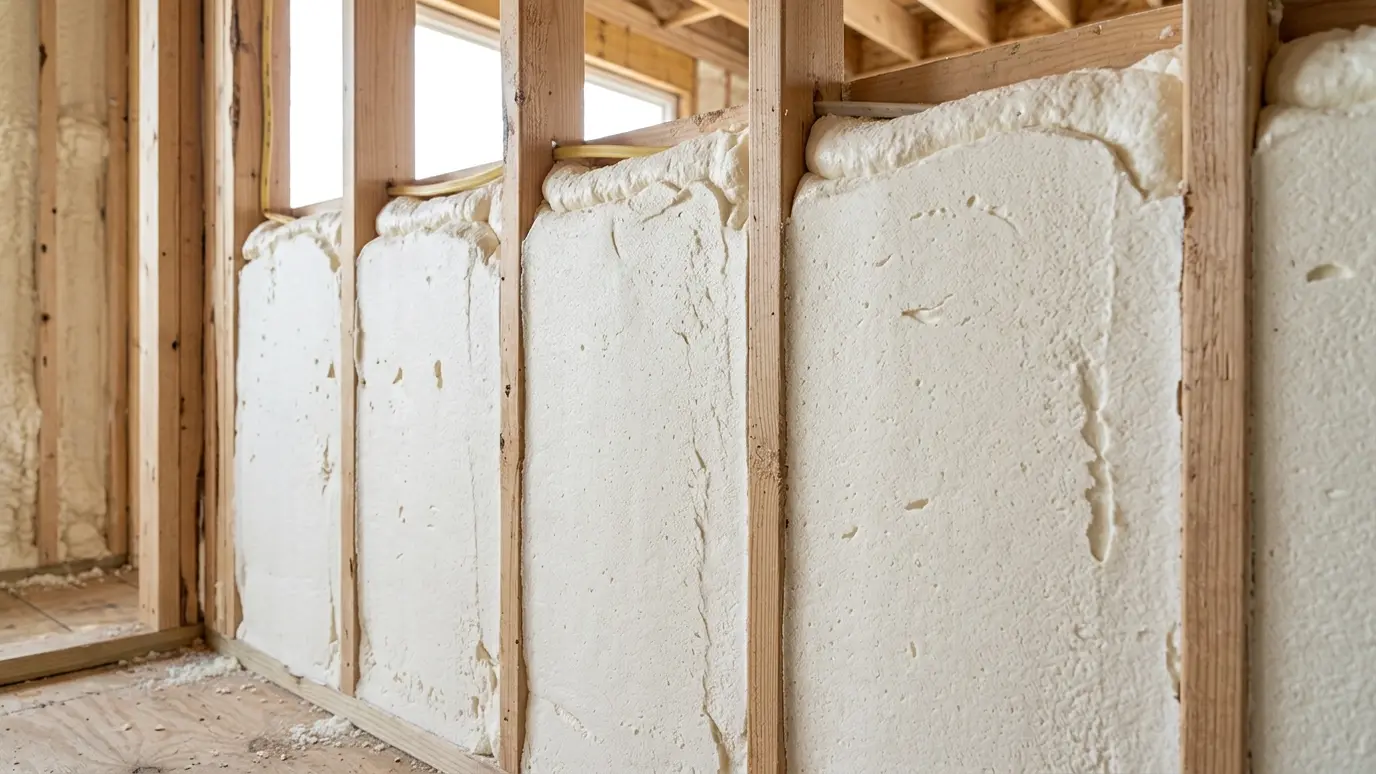 Material guideSpray FoamOpen-cell and closed-cell foam insulate and seal in one step. Here is how to choose and what to…Learn more
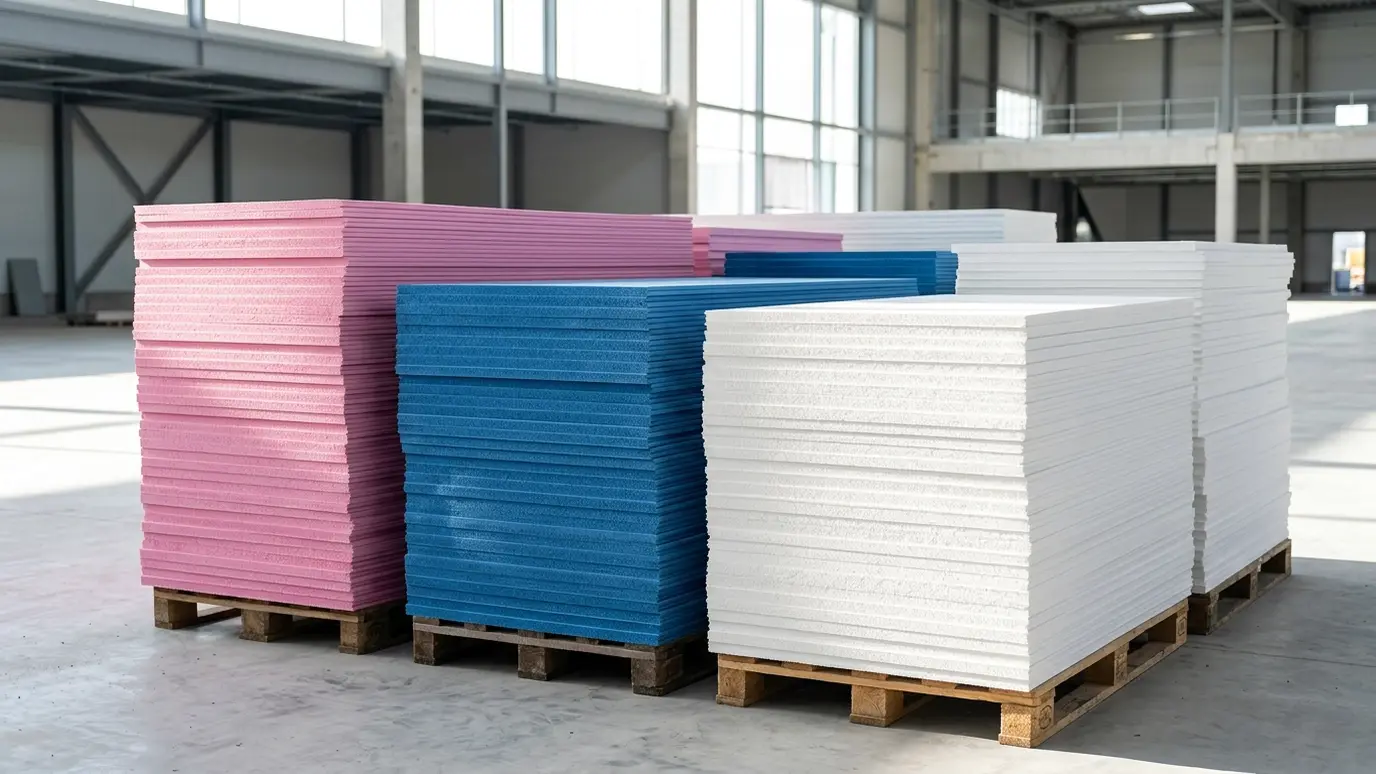 Material guideRigid Foam BoardEPS, XPS and polyiso boards offer continuous insulation for basements, slabs, walls and roofs. Here is how they…Learn more
Call us and we will inspect the attic, walls and crawl space and give you a clear plan and a written scope.