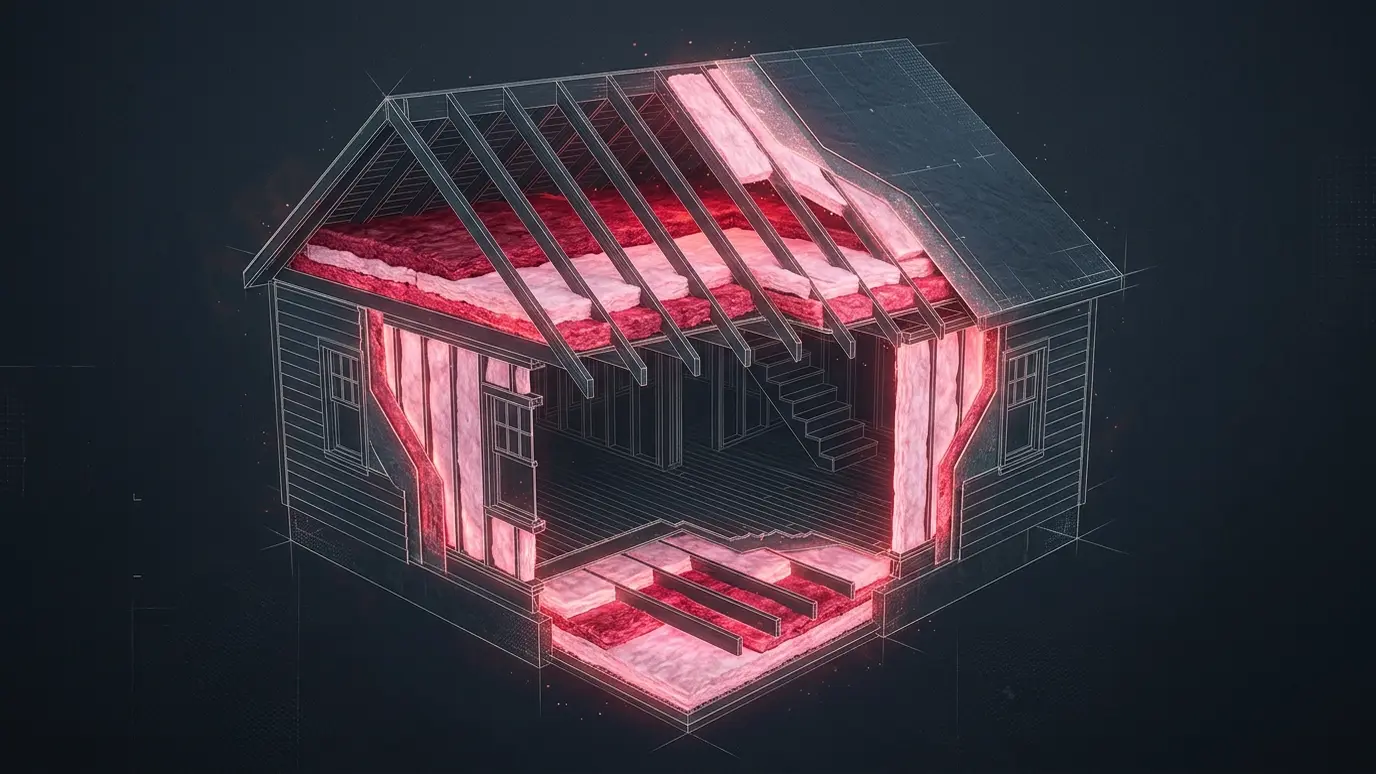
Insulation on the walls or under the floor, chosen for your crawl space so the house above stays warmer and drier.
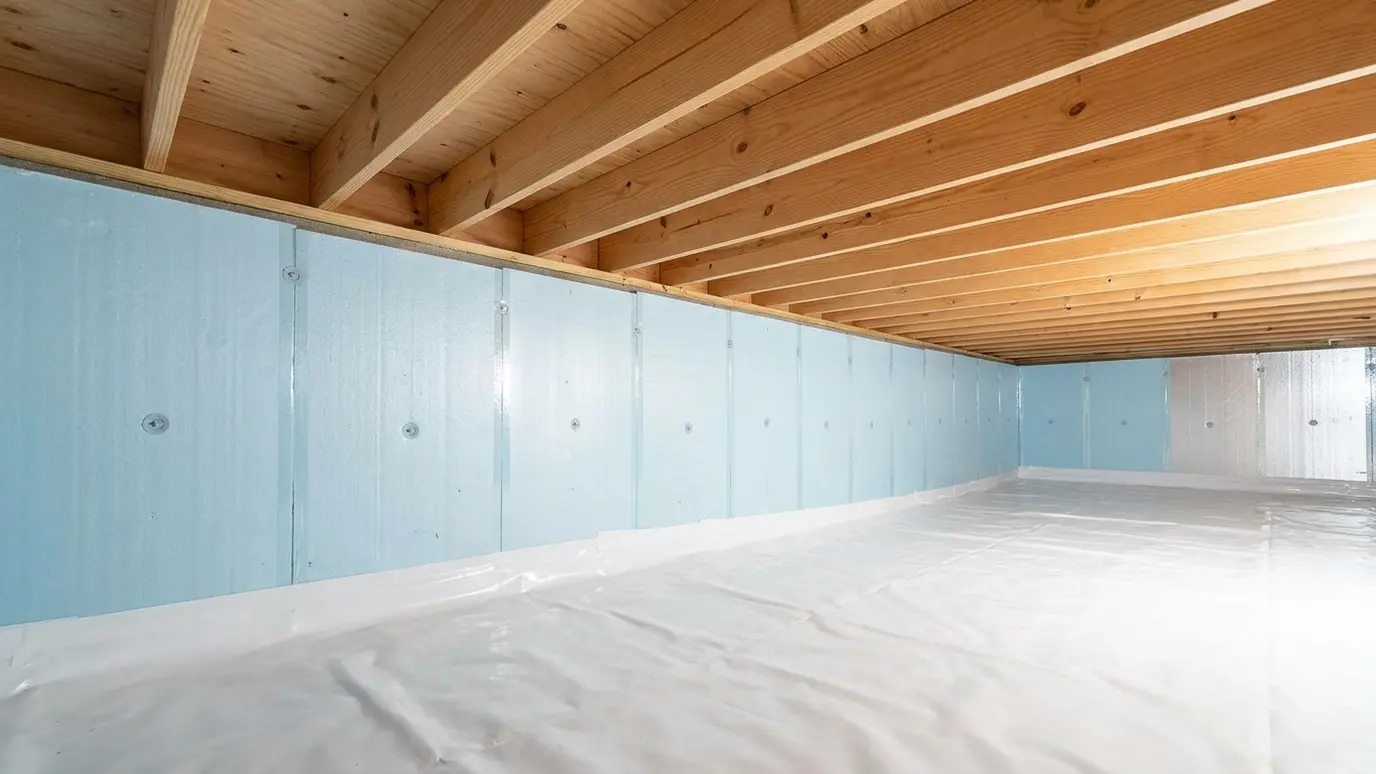
Where you put insulation in a crawl space matters as much as what you use. In a vented crawl space, insulation belongs in the floor above. In a closed crawl space, it belongs on the walls, because the space is treated as part of the house.
We evaluate the space first: moisture, vents, ground condition and mechanical equipment. Then we recommend wall insulation with foam board or spray foam for a closed space, or floor insulation with proper supports for a vented one, and we explain the tradeoffs in plain language.
Rigid foam or closed-cell spray foam on the foundation walls works with a sealed barrier on the floor. It keeps the space milder and protects ducts and pipes.
Batts under the subfloor, held in place by supports, work when the crawl space stays vented. They need an air barrier on the underside and good moisture control.
Fiberglass in a damp crawl space often falls and gets wet. A foam product or a closed approach tends to hold up better in our humid climate.
Pipes and ducts in the crawl space need insulation too. Insulated and sealed ducts keep your conditioned air from being lost under the house.
Drag the handle to compare.
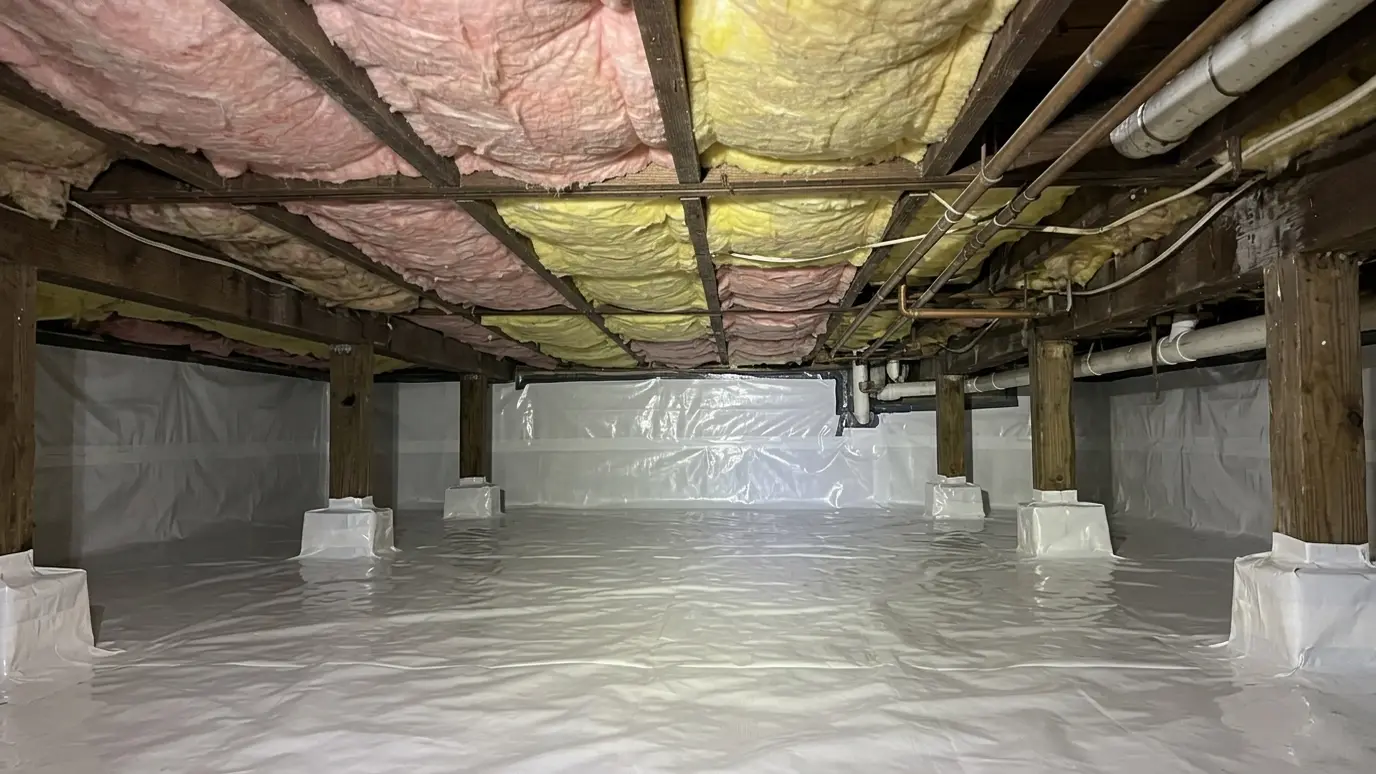
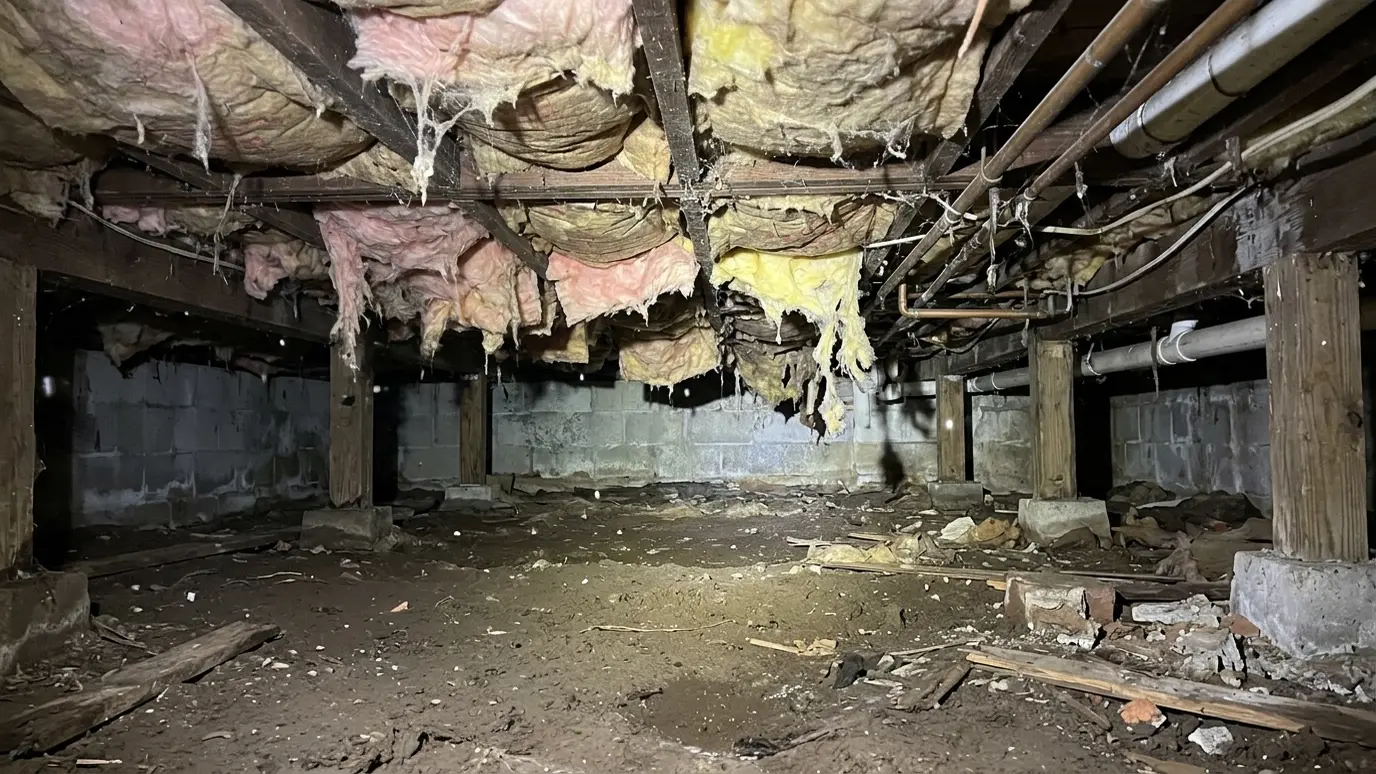 BeforeAfter
Placed where it works for your space.
Moisture-resistant materials.
Wrapped and sealed.
Humidity addressed with the insulation.
Stops wind washing under floors.
Comfort you can feel.
Every topic has its own page with what to expect and how we approach it.
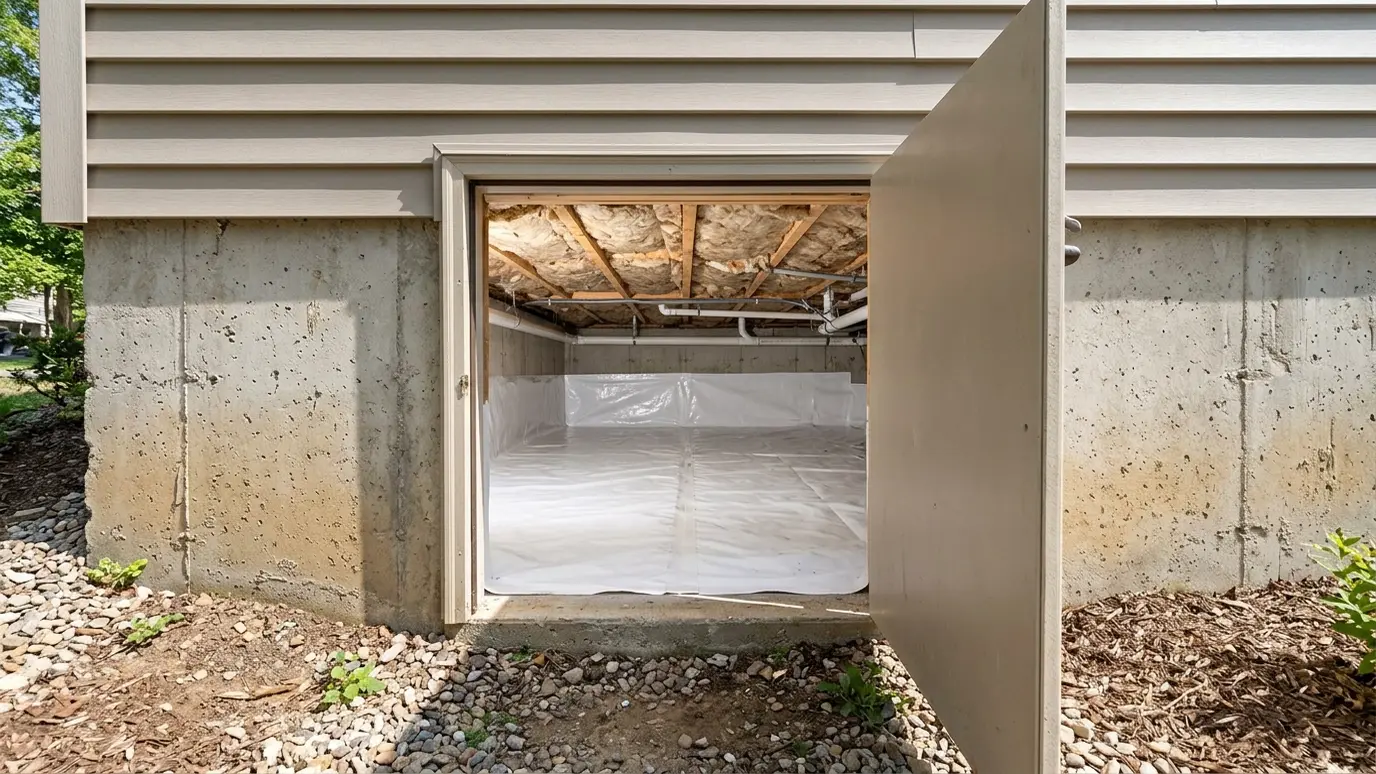 Project situationCrawl Space HomesIn our humid climate, the crawl space shapes the comfort of your floors and the air in your…Learn more
 Project situationHot and Cold RoomsOne room is always too warm and another is always too cold. Here is why it happens and…Learn more
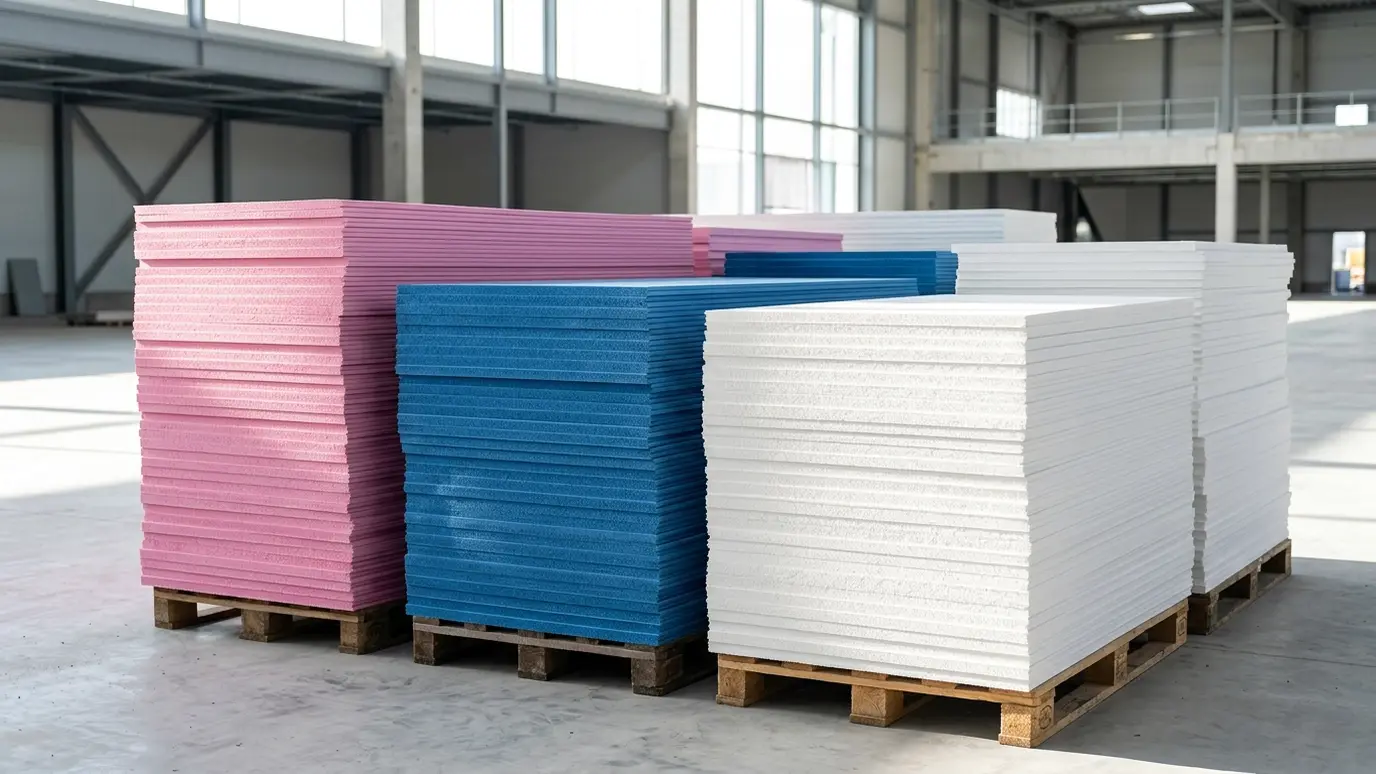 Material guideRigid Foam BoardEPS, XPS and polyiso boards offer continuous insulation for basements, slabs, walls and roofs. Here is how they…Learn more
Enter the area and the thickness to see board feet of foam and the approximate R-value for open-cell and closed-cell.
You tell us what is going on, which rooms bother you and what you hope to change, and we set a time that fits your day.
We walk the attic, walls, crawl space and equipment, measure depths and use thermal imaging when it helps.
We protect the house, seal air leaks, place baffles and fix small problems so the insulation can do its job.
Loose-fill, batts, foam or board goes in to the planned depth, with clean edges and clear markers.
We measure the result, take photos and test air leakage when the scope includes it.
We walk the finished work with you, answer questions and leave the site clean.
If you plan to close the crawl space, insulate the walls. If you keep it vented, insulate the floor. We explain which suits your home.
It can reduce heat loss through the floor and often makes the floors feel warmer. Results vary with the house.
It works when installed tight and kept dry. Foam is often a better fit in damp conditions.
If it is wet, moldy, contaminated or falling, yes. We inspect and tell you.
Often yes. Low spaces slow the work but rarely stop it.
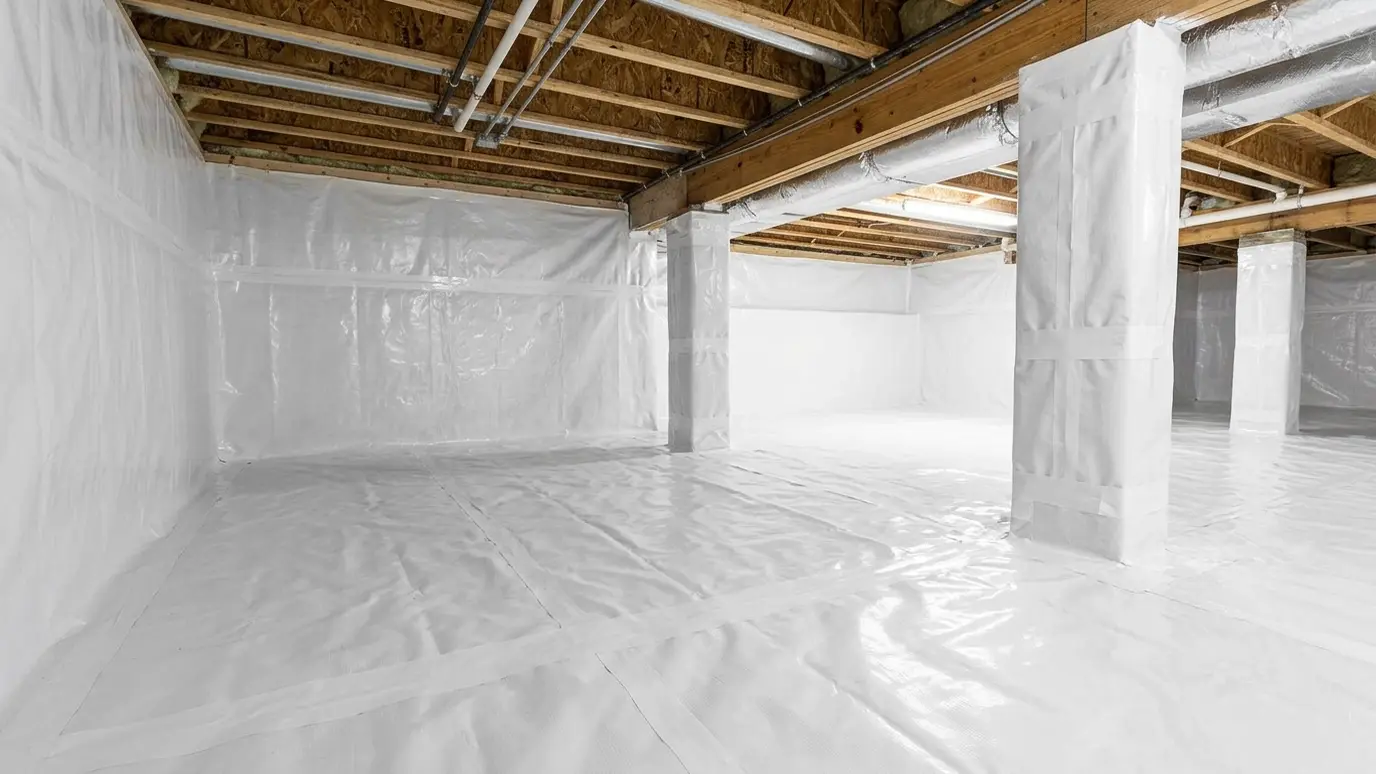 Crawl Space EncapsulationA sealed, dry, conditioned crawl space with a heavy vapor barrier, so humidity, mold and cold floors stop…Explore
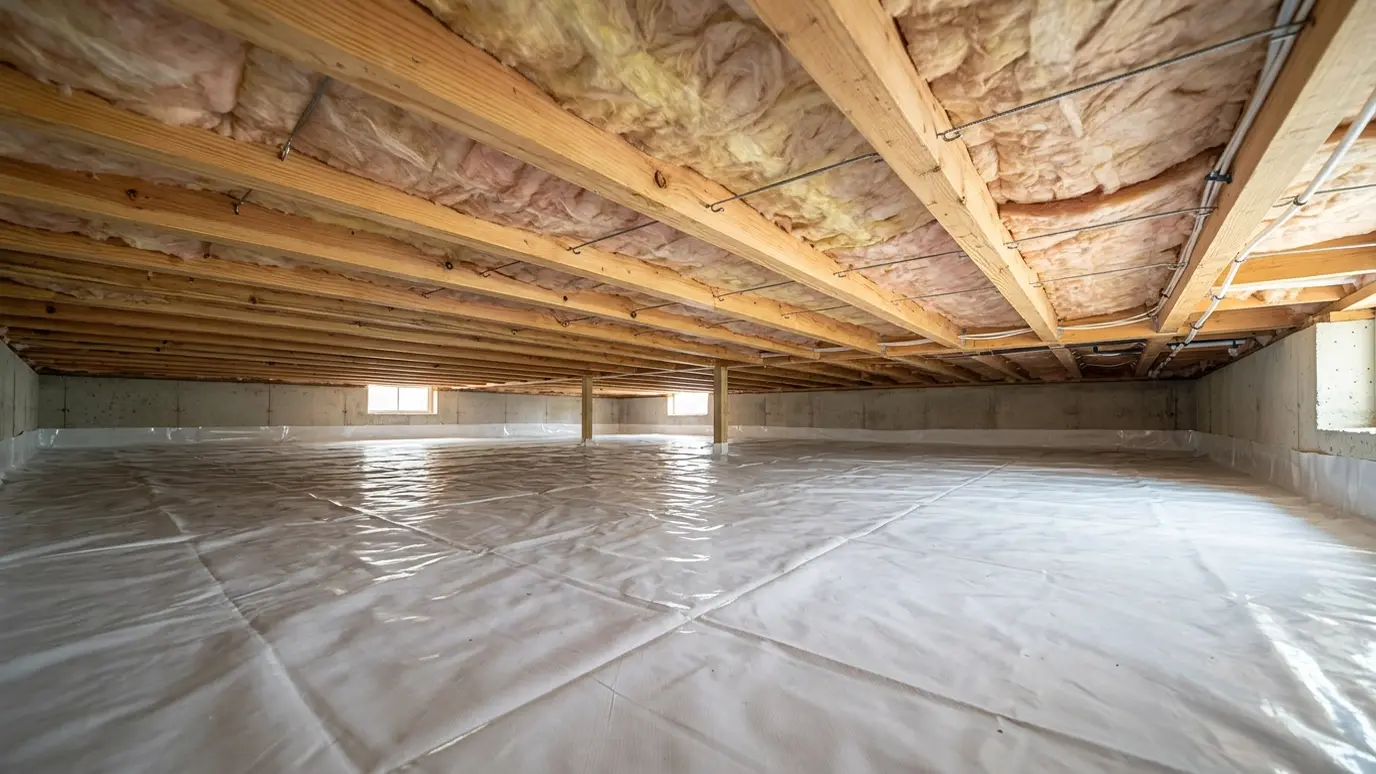 Floor and Subfloor InsulationInsulation under cold floors, over crawl spaces, garages and cantilevers, so the floors above feel warm underfoot.Explore
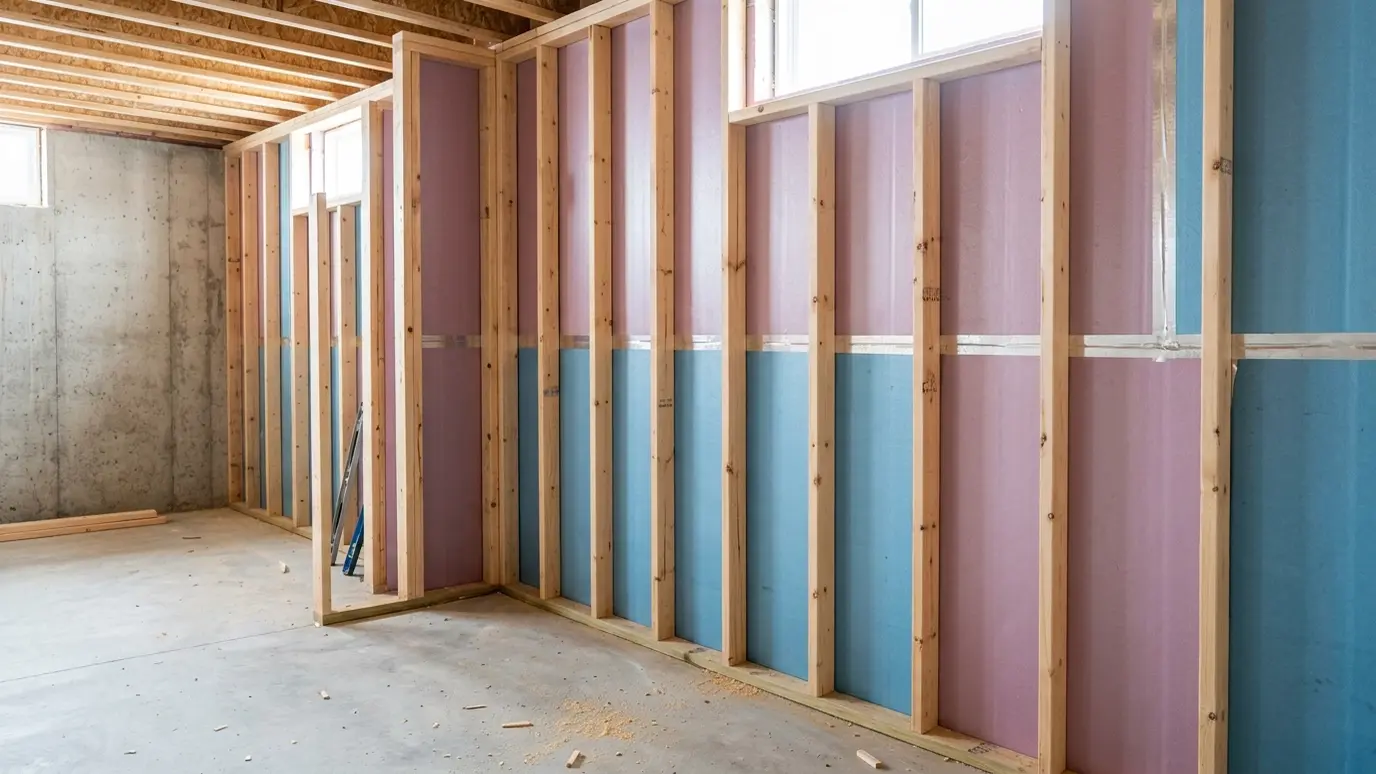 Basement Wall InsulationInsulation that handles moisture and cold concrete, turning an unfinished basement into usable, comfortable space.Explore
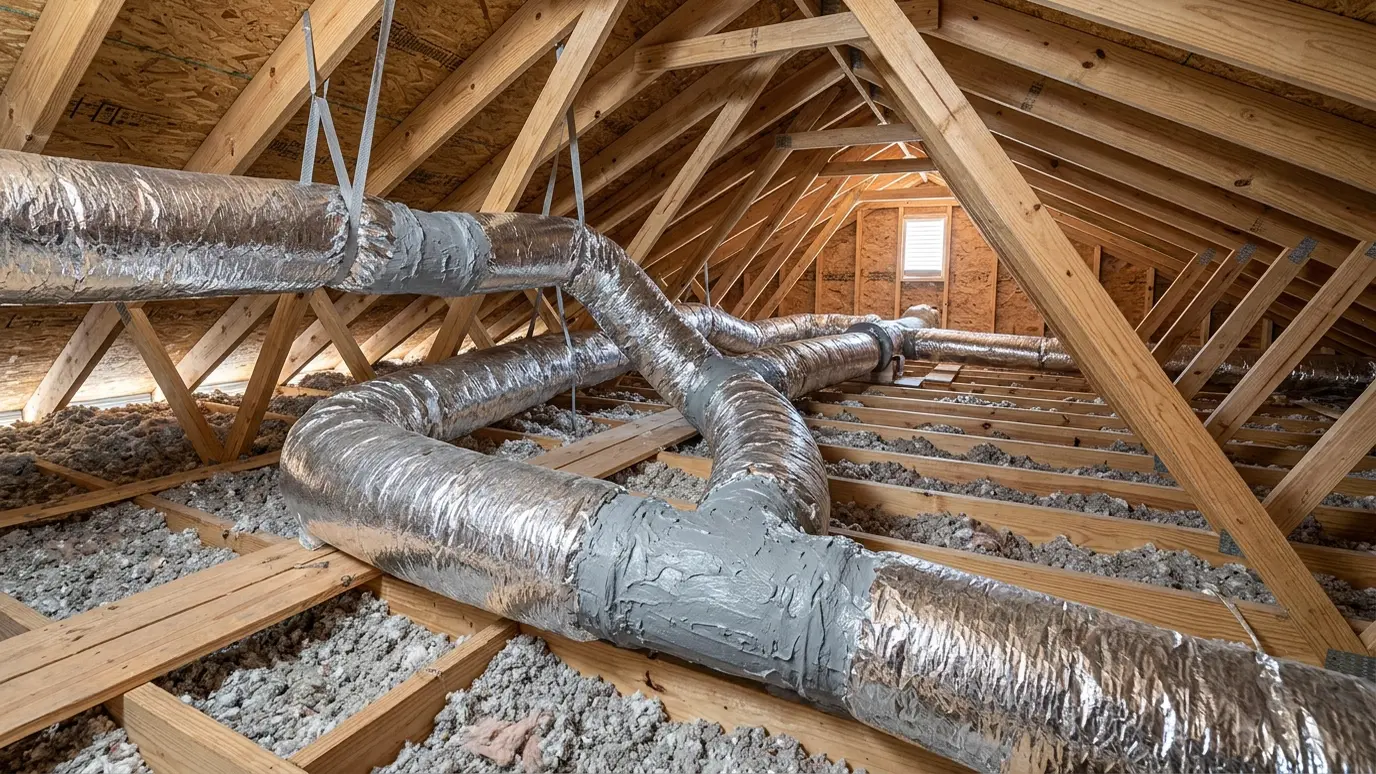 Duct Sealing and InsulationLeaky, uninsulated ducts in attics and crawl spaces repaired and wrapped, so the air you pay to condition…Explore
Tell us about the project and we will call you back to talk it through.
Or call (615) 357-7797 to talk now.