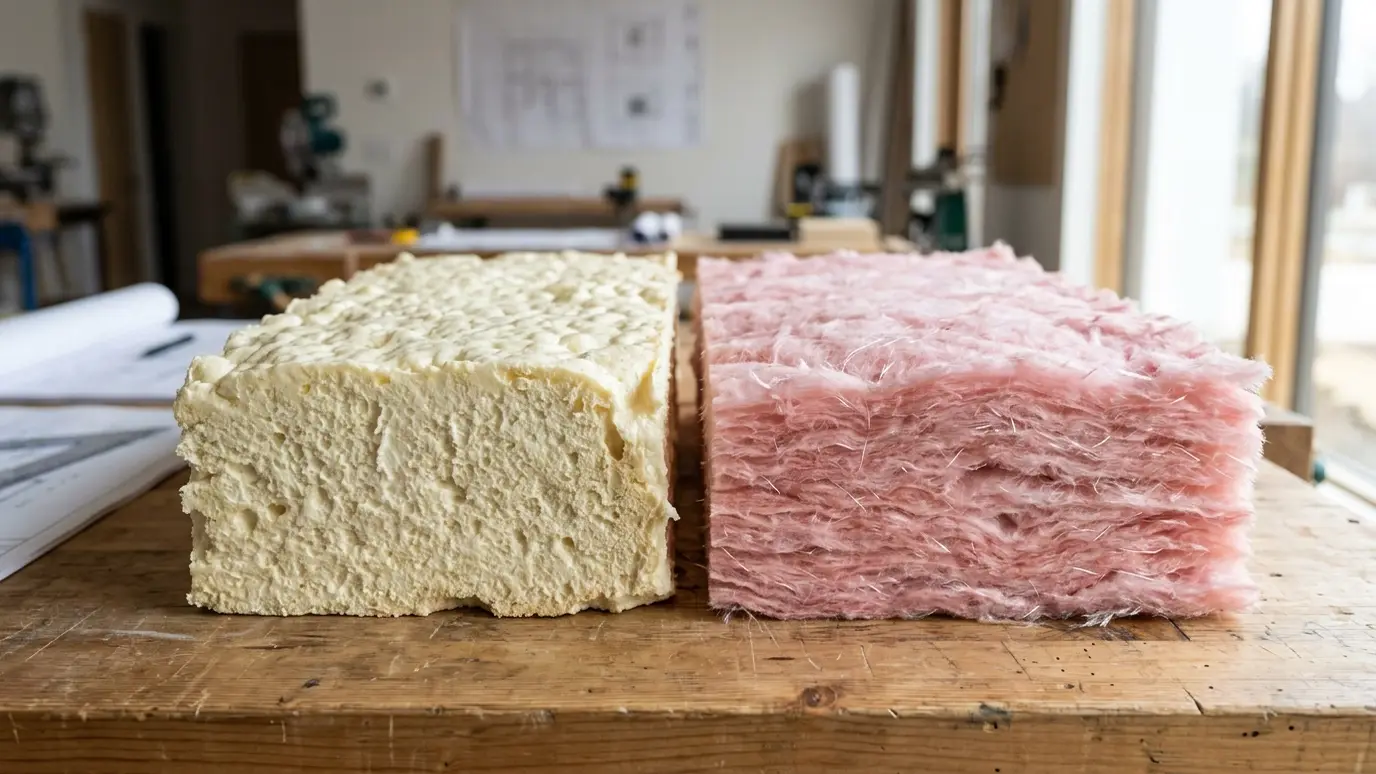
R-value per inch
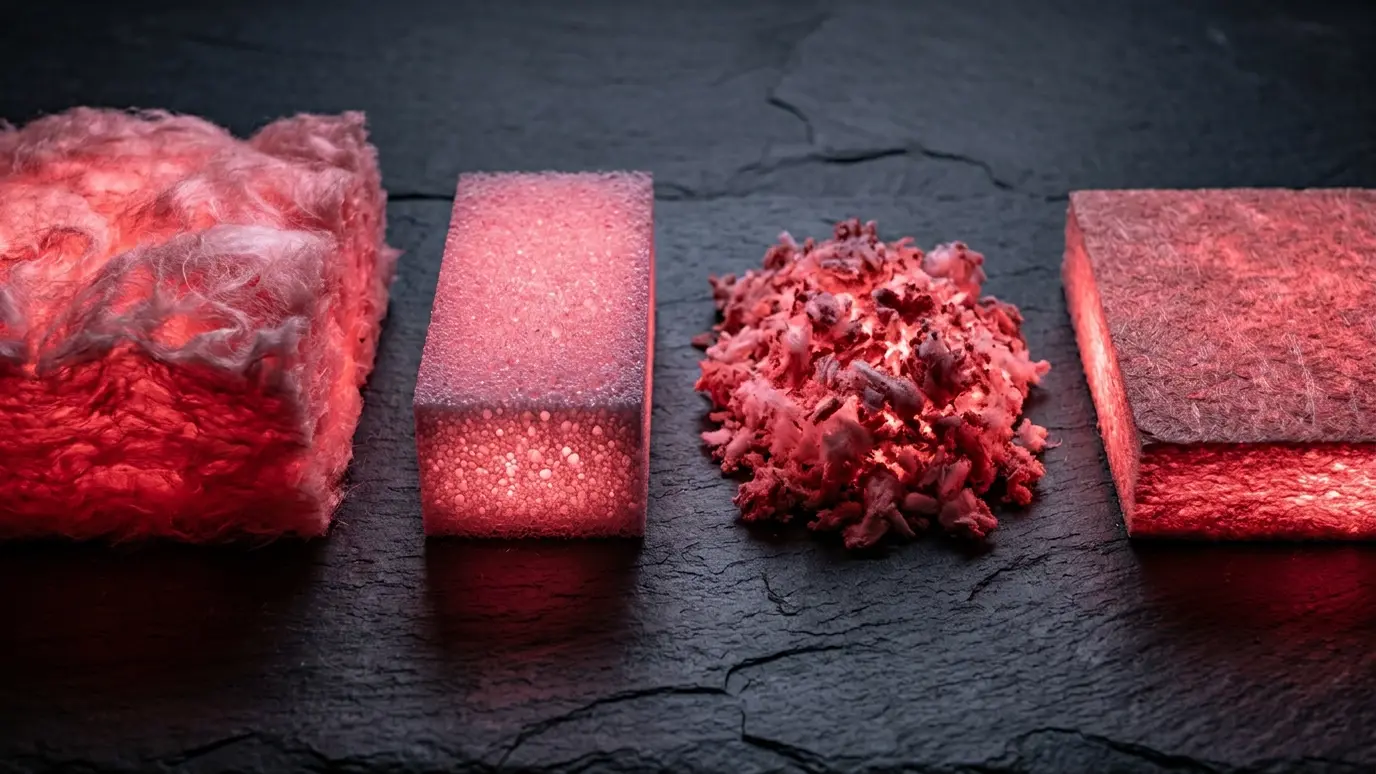
Closed-cell foam has the highest R-value per inch, open-cell is moderate and fiberglass is lower. In thin spaces, foam can make a real difference.
In open attics, depth is easy to add and fiberglass catches up.
Air sealing
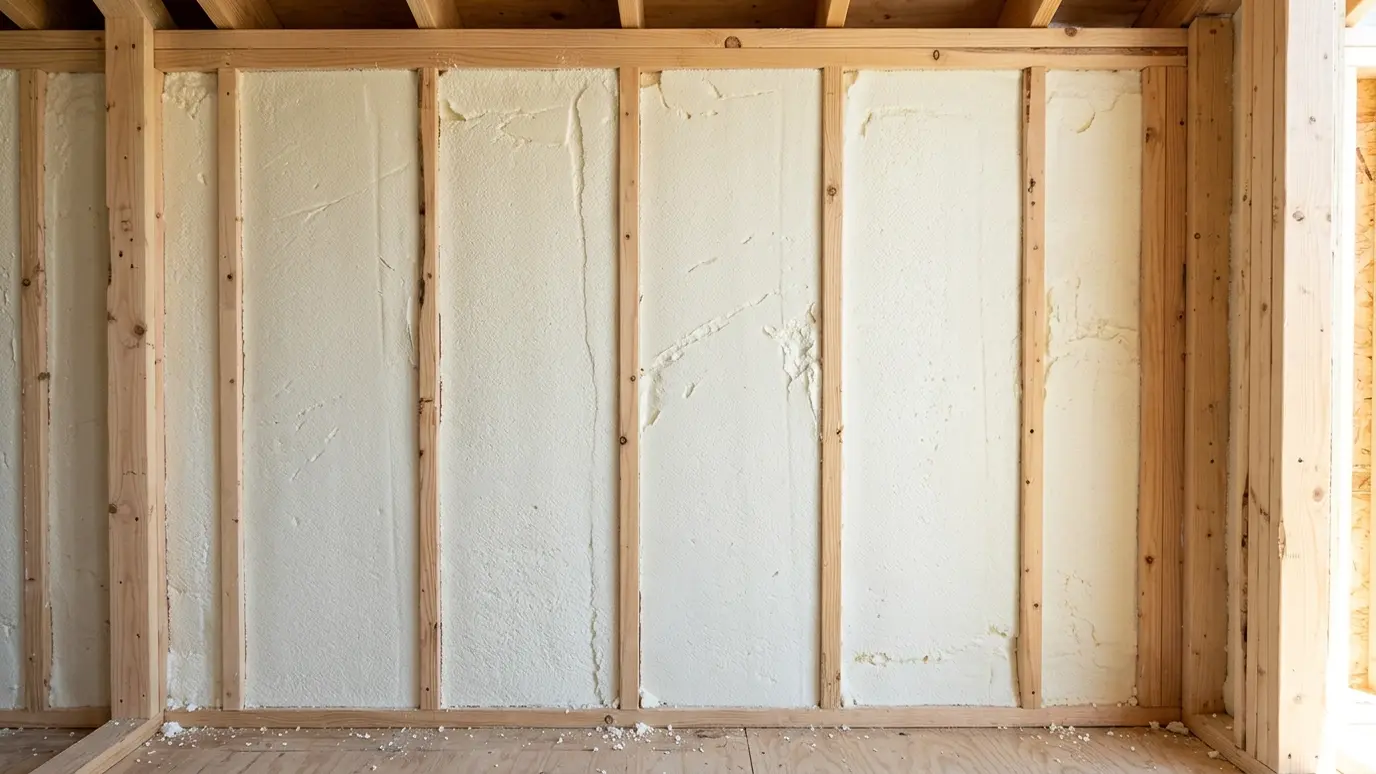
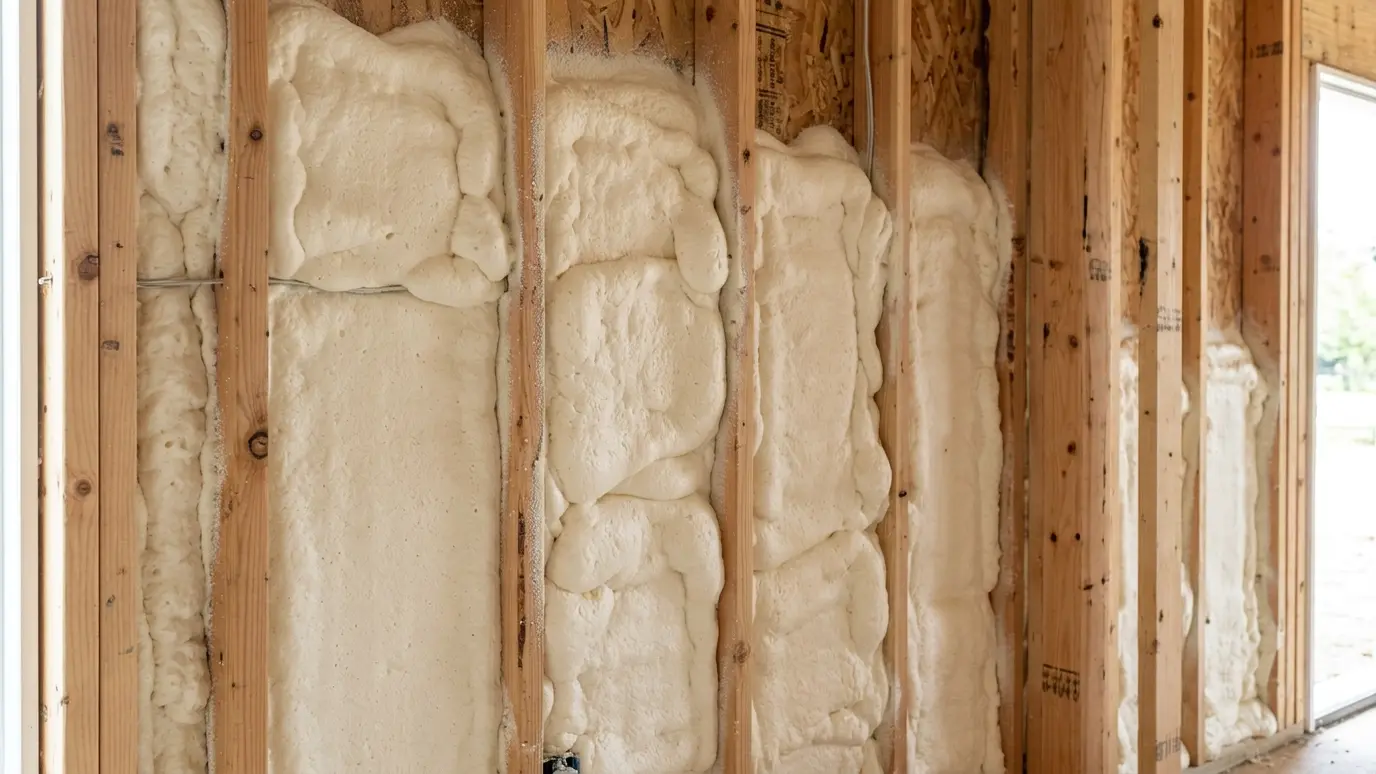
Foam seals as it insulates. Fiberglass lets air pass through unless the cavity is sealed first. That is a significant advantage for foam in complex shapes.
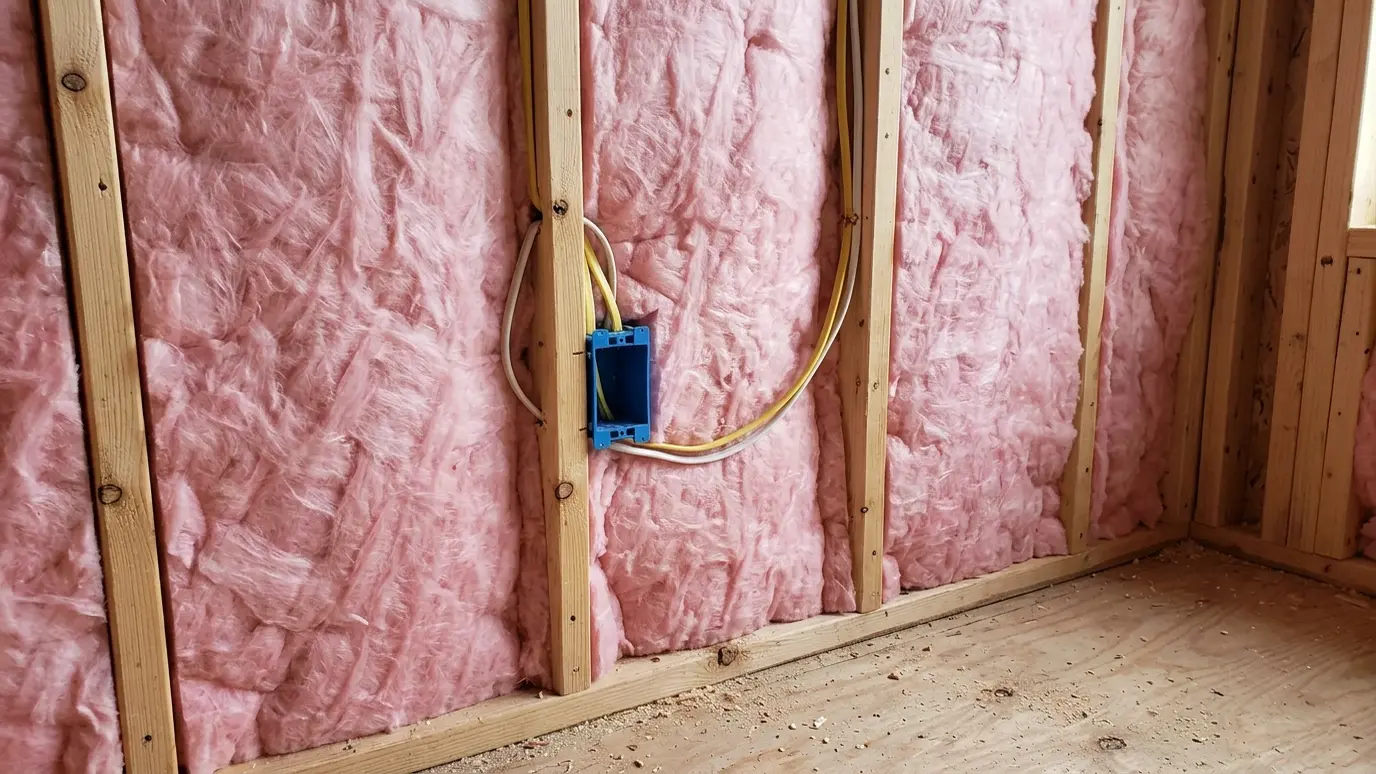
Careful air sealing makes fiberglass much better than it often is.
Moisture
Closed-cell foam resists liquid water and is useful in crawl spaces and rim joists. Fiberglass does not absorb water but can hold it and lose performance until it dries.
Open-cell foam is vapor-open and suits dry assemblies.
Cost
Fiberglass costs less than foam per area. Foam costs more but may replace several steps. Compare the whole assembly, not the material alone.
Use foam where it solves a problem and fiberglass where it works well.
Installation and safety
Foam needs skilled application, ventilation and cure time. Fiberglass is simpler but needs careful fit. Both need protective gear.
Ask about training and the installation process.
Which one wins where
Closed-cell foam fits rim joists, crawl walls, roof decks and metal buildings. Fiberglass or cellulose fits open attics and standard walls. Hybrid assemblies use both.
The best answer depends on your house.
Use foam where its strengths matter, use well-installed fiberglass or cellulose where they do the job, and seal air first either way.