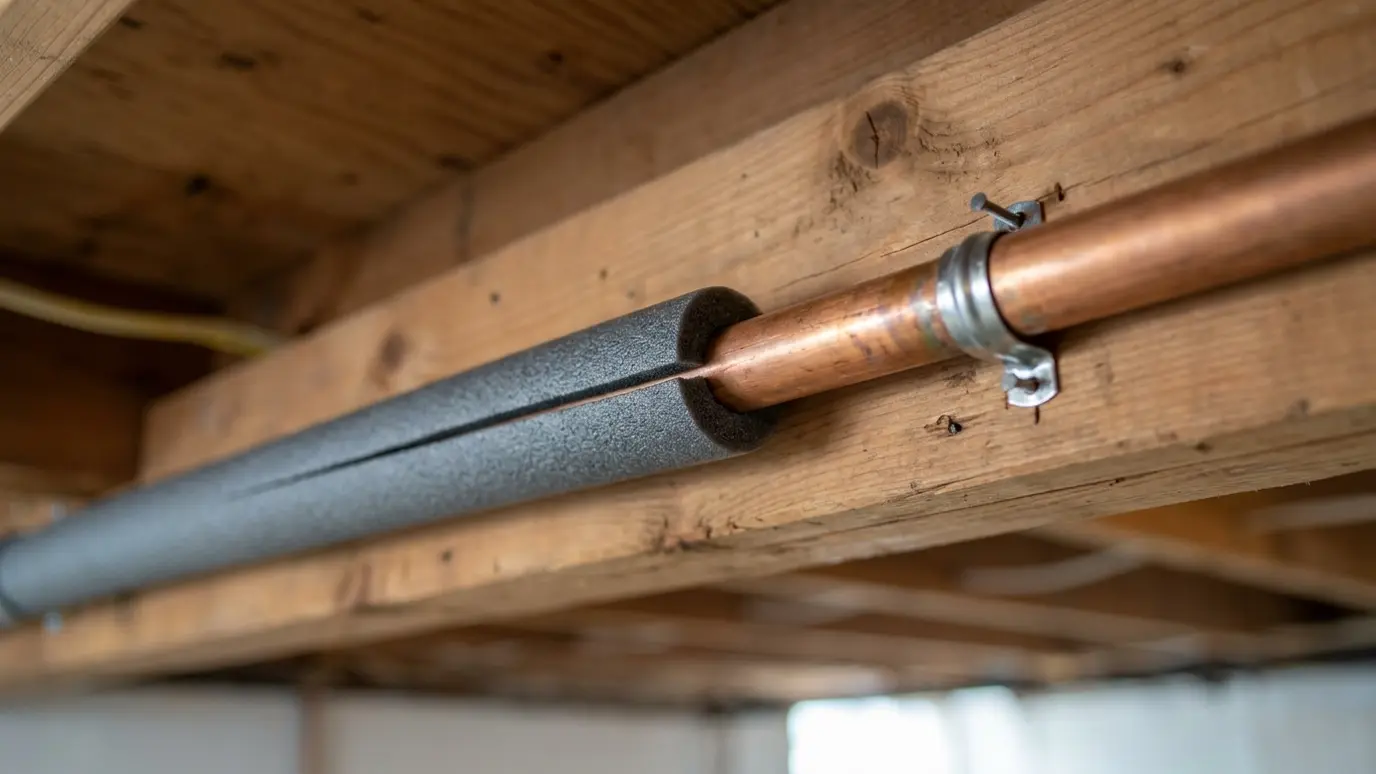
Foam sleeves on hot water lines and a snug jacket on the tank, so hot water arrives warmer and pipes stay safe in cold snaps.
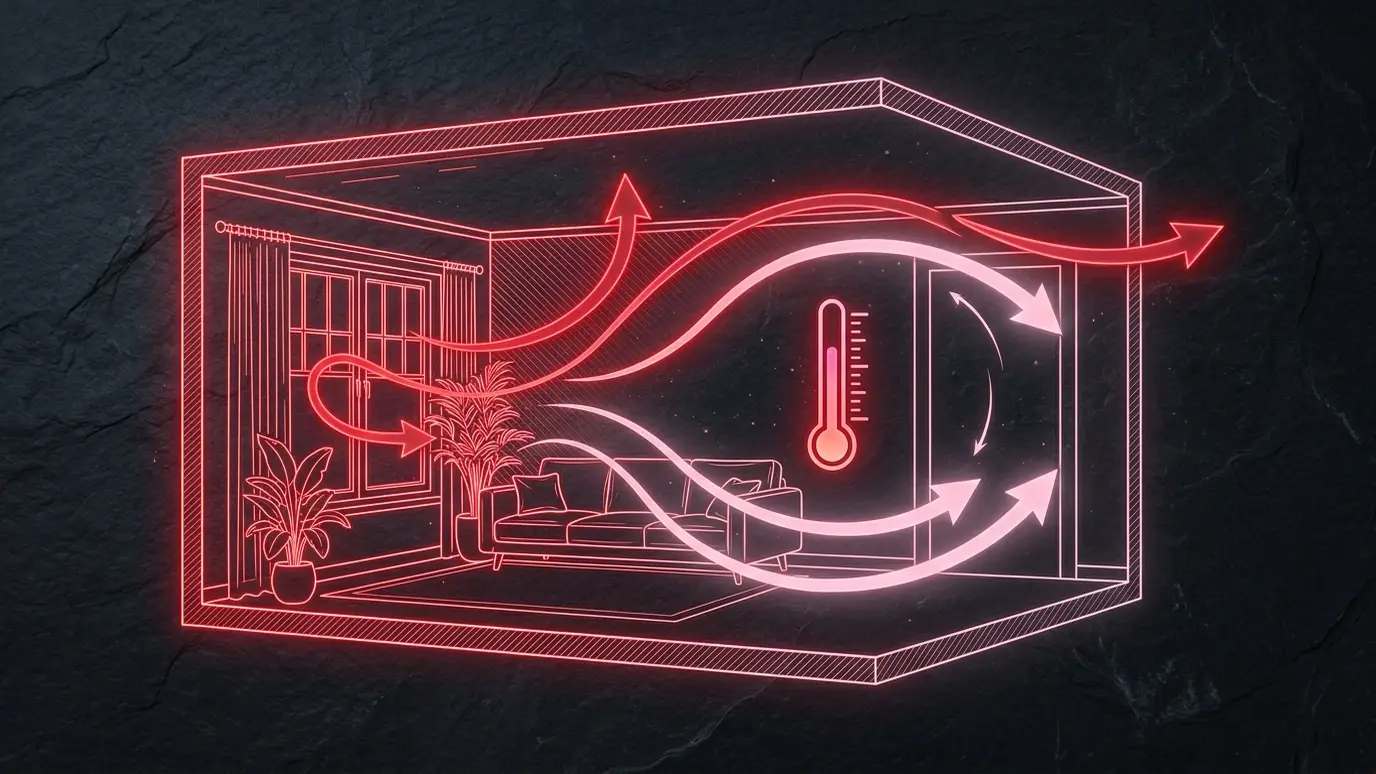
Hot water loses heat on the way to the tap, and a tank sitting in a cool garage or crawl space loses heat all day. Simple insulation holds more of that heat where you want it and cuts the wait for hot water at the faucet.
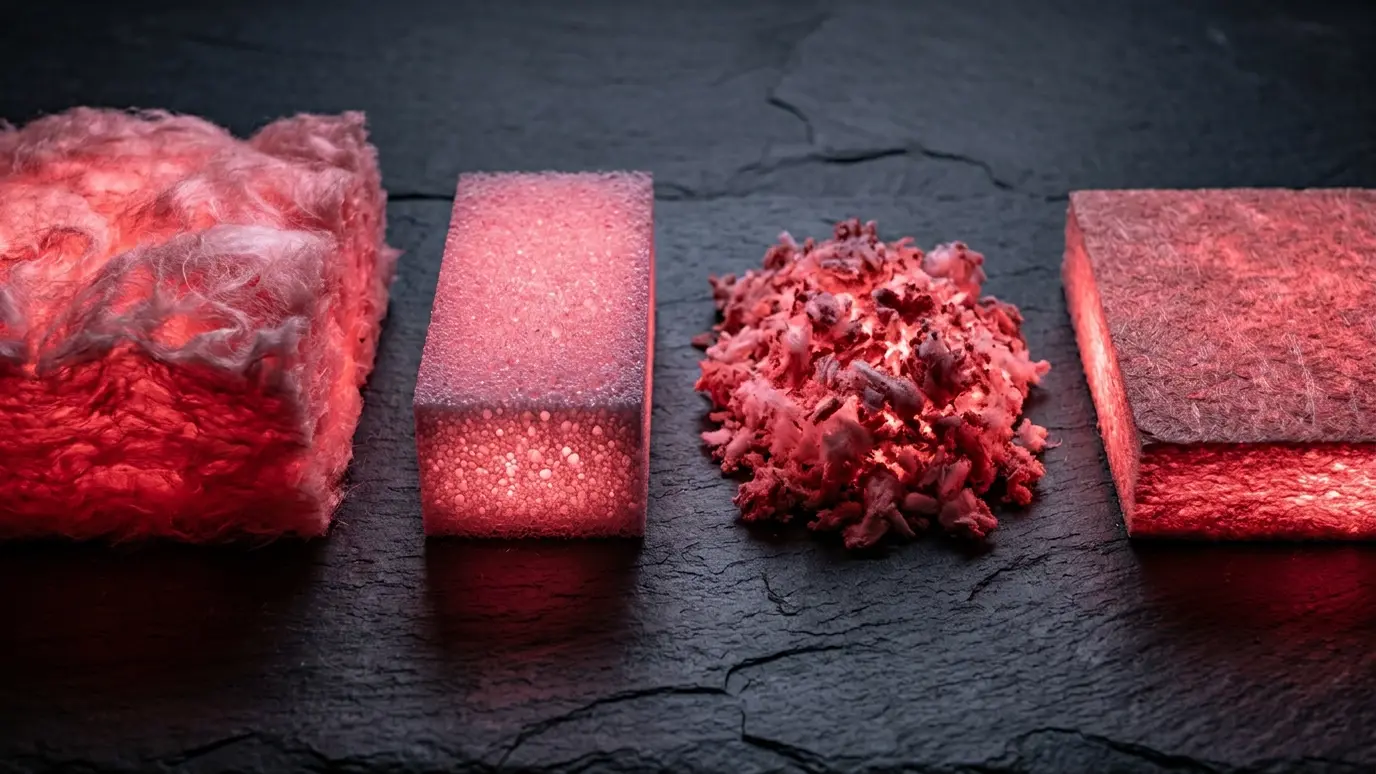
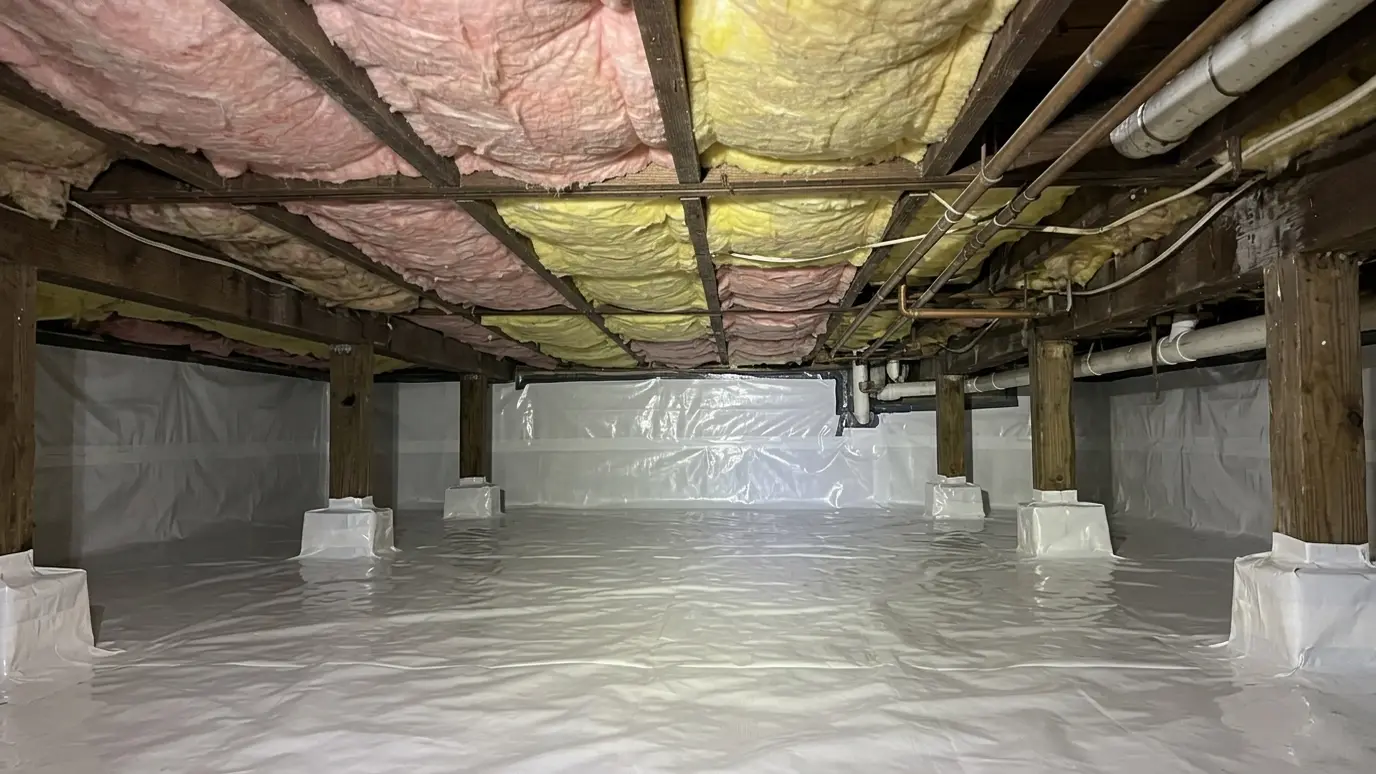
We fit foam sleeves on accessible hot and cold lines, seal the joints and elbows and insulate pipes in the attic, crawl space and garage where freezing is a concern. We also install a properly sized jacket on older tank water heaters, leaving the controls, vents and relief valve clear.
Insulating the hot supply line is the simplest upgrade. It keeps water warmer between uses and reduces the wait for heat.
Pipes in unheated spaces are at risk in a hard freeze. Insulation slows heat loss, but extreme cold also needs a plan such as heat tape or a heated space.
Gas heaters need a jacket that leaves the burner area, flue and controls clear. We follow the maker guidance and skip jackets on models that do not need or allow them.
Many newer heaters are well insulated. We check before adding anything, and we focus on pipes around them.
Drag the handle to compare.
 BeforeAfter
Hot and cold lines wrapped neatly.
Gaps closed for full coverage.
Sized and fitted correctly.
Vents and controls left clear.
Protection in cold areas.
Usually done in an hour or two.
Every topic has its own page with what to expect and how we approach it.
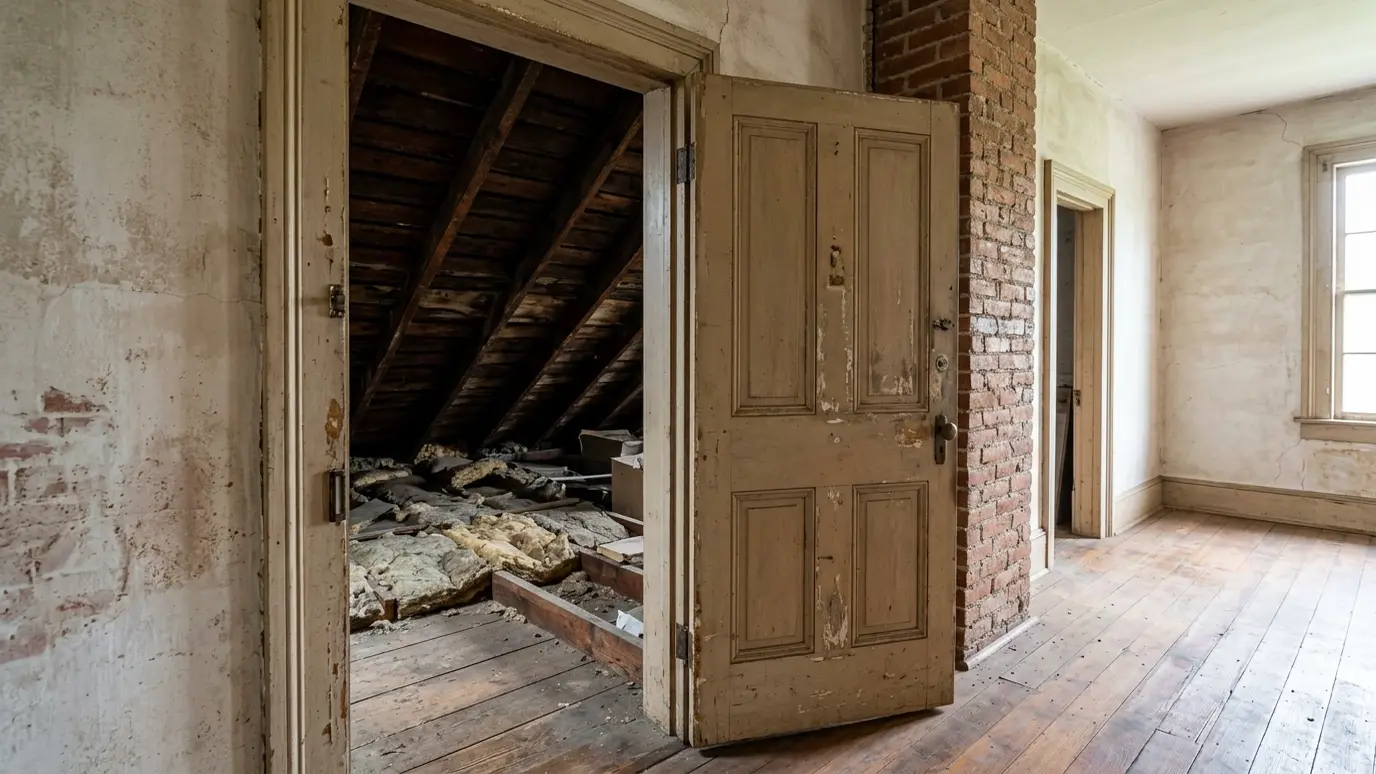 Project situationOlder HomesOlder houses have charm and hidden challenges, from empty walls to unsealed attics. Here is how to improve…Learn more
 Project situationHigh Energy BillsWhen bills climb and the house still does not feel right, the building is often the reason. Here…Learn more
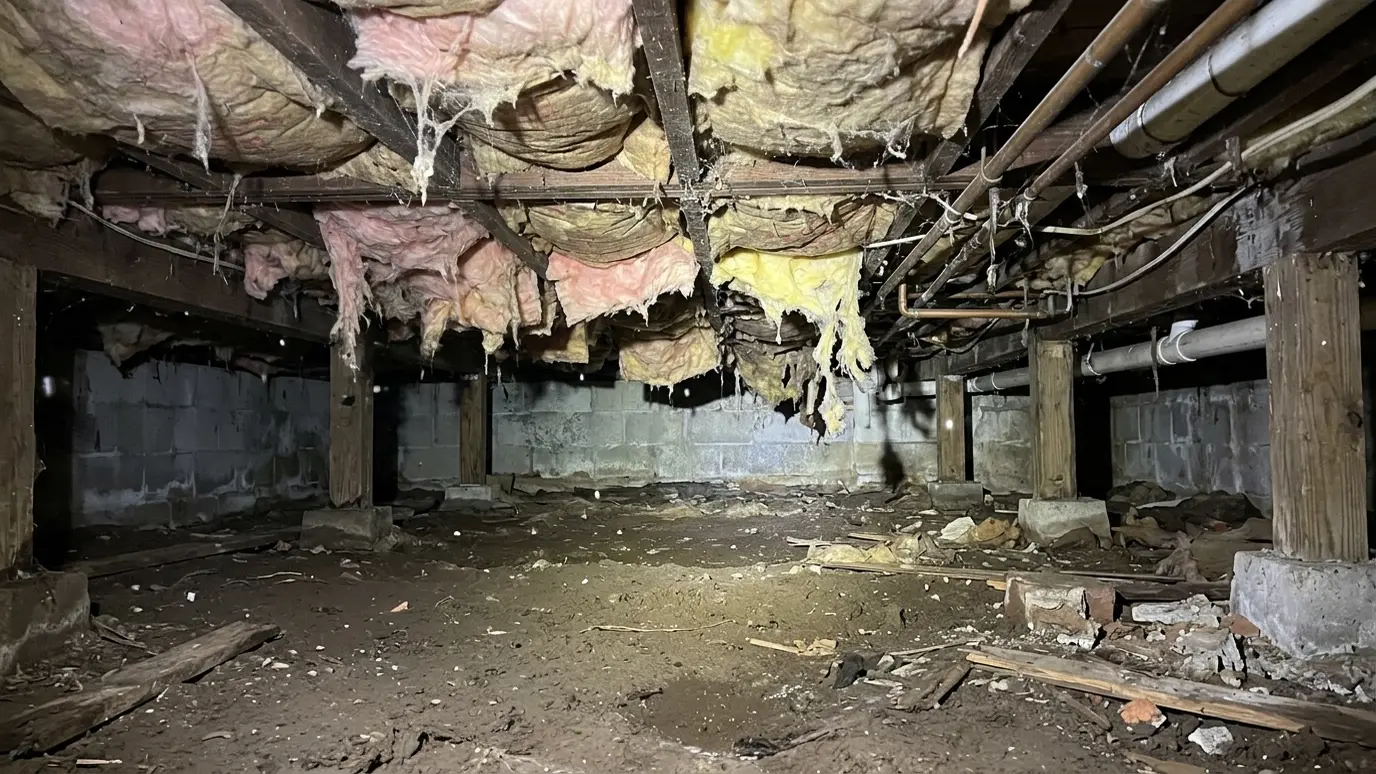
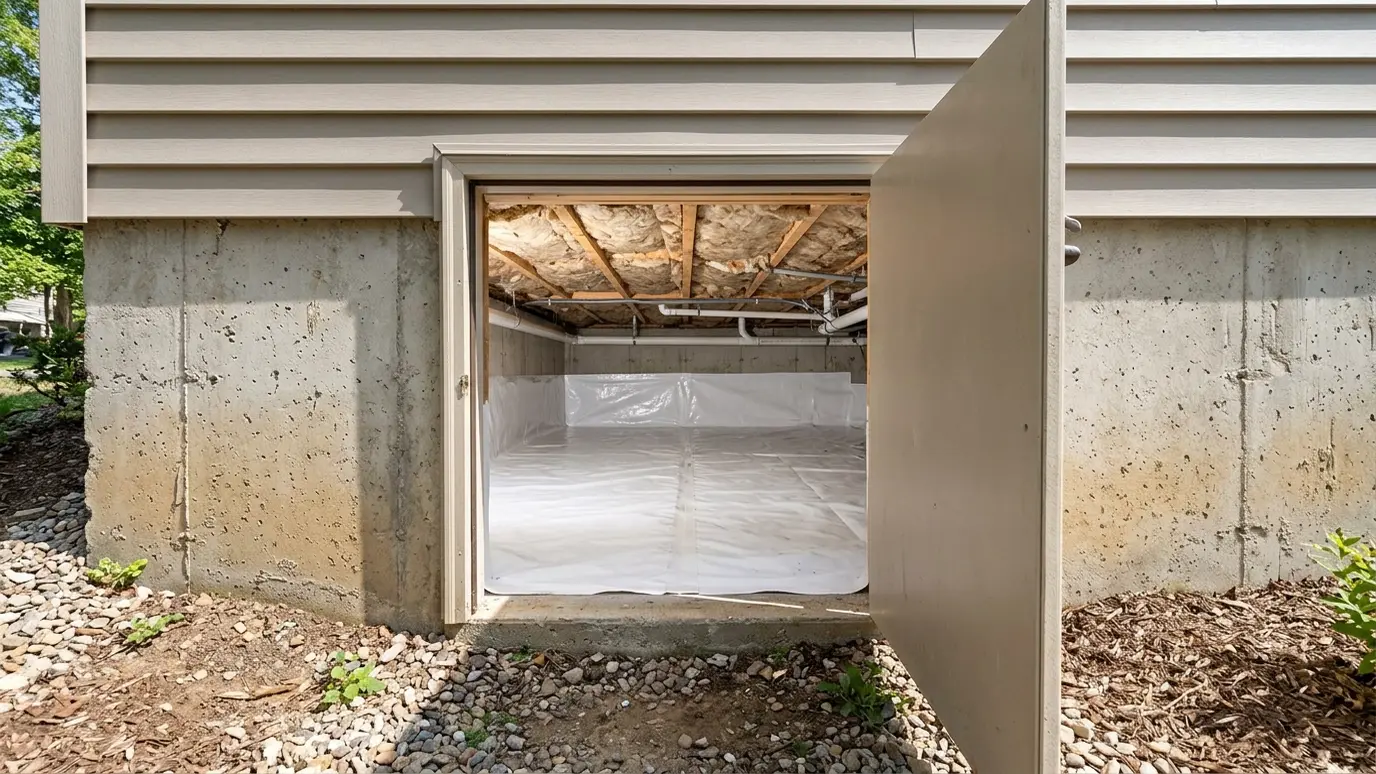 Project situationCrawl Space HomesIn our humid climate, the crawl space shapes the comfort of your floors and the air in your…Learn more
Enter your project cost, your yearly energy cost and the change you expect to see how long it could take to pay back.
You tell us what is going on, which rooms bother you and what you hope to change, and we set a time that fits your day.
We walk the attic, walls, crawl space and equipment, measure depths and use thermal imaging when it helps.
We protect the house, seal air leaks, place baffles and fix small problems so the insulation can do its job.
Loose-fill, batts, foam or board goes in to the planned depth, with clean edges and clear markers.
We measure the result, take photos and test air leakage when the scope includes it.
We walk the finished work with you, answer questions and leave the site clean.
It slows heat loss and helps in mild freezes. In long hard freezes, pipes also need heat or a protected space.
Many owners do. We handle it with sealed joints and neat finishes when you prefer a pro.
No. Newer models are often well insulated. We check the label and recommendations first.
It reduces heat loss, so it can help a little. It also improves comfort at the tap.
Only when the wall is open. Otherwise we focus on exposed runs.
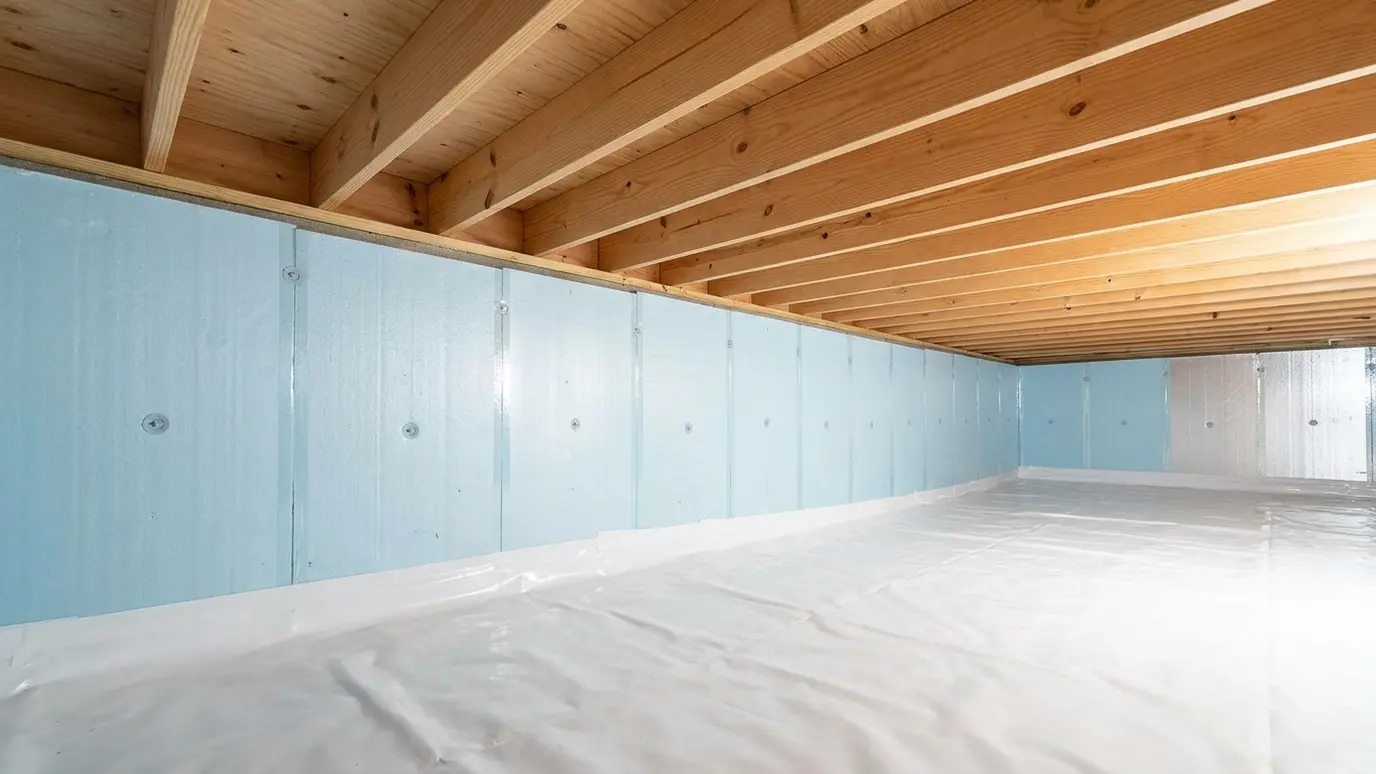 Crawl Space InsulationInsulation on the walls or under the floor, chosen for your crawl space so the house above stays…Explore
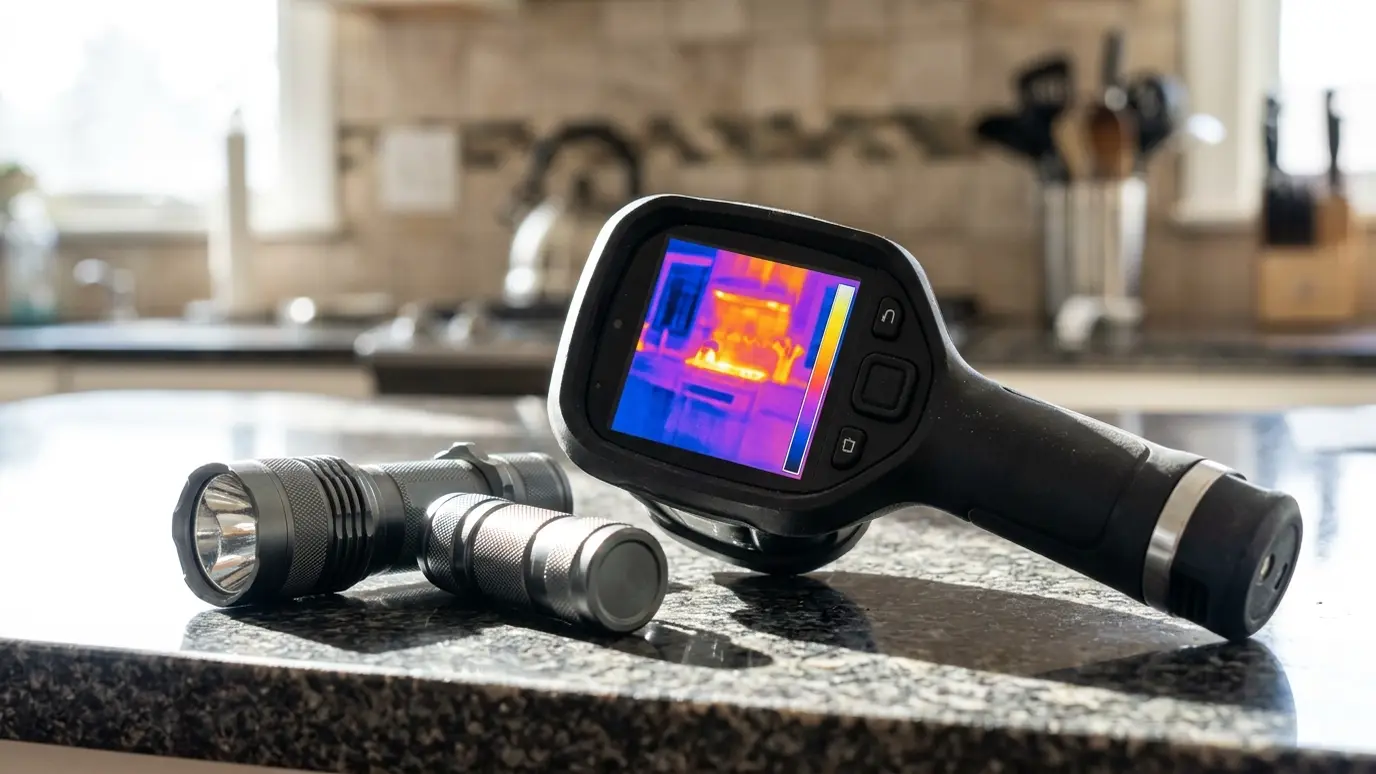 Home Energy AuditsA whole-house assessment that finds where your home loses comfort and energy and ranks the fixes in the…Explore
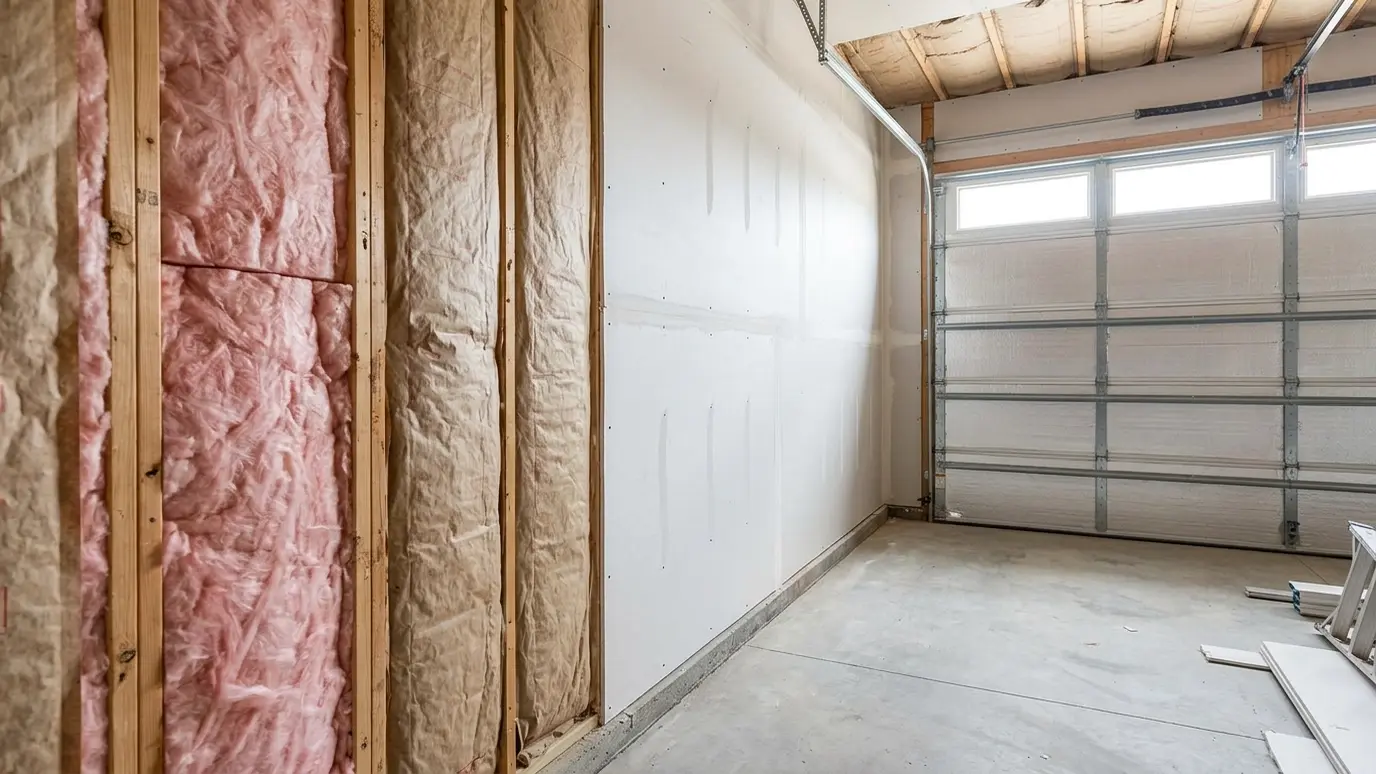 Garage InsulationWalls, ceilings and doors insulated so your garage is easier to use in every season, and the rooms…Explore
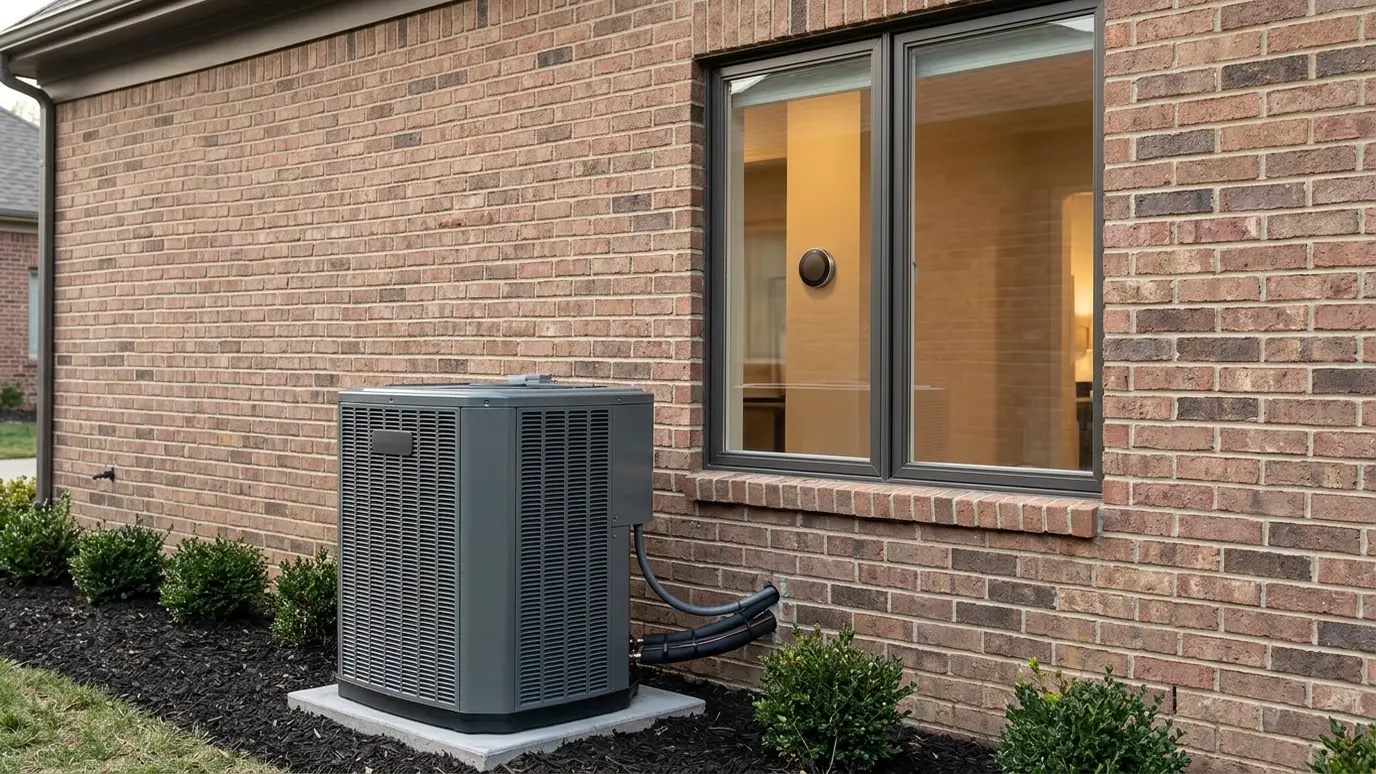 HVAC and Insulation PlanningInsulation and air sealing planned around your heating and cooling system, so equipment works less and lasts longer.Explore
Tell us about the project and we will call you back to talk it through.
Or call (615) 357-7797 to talk now.