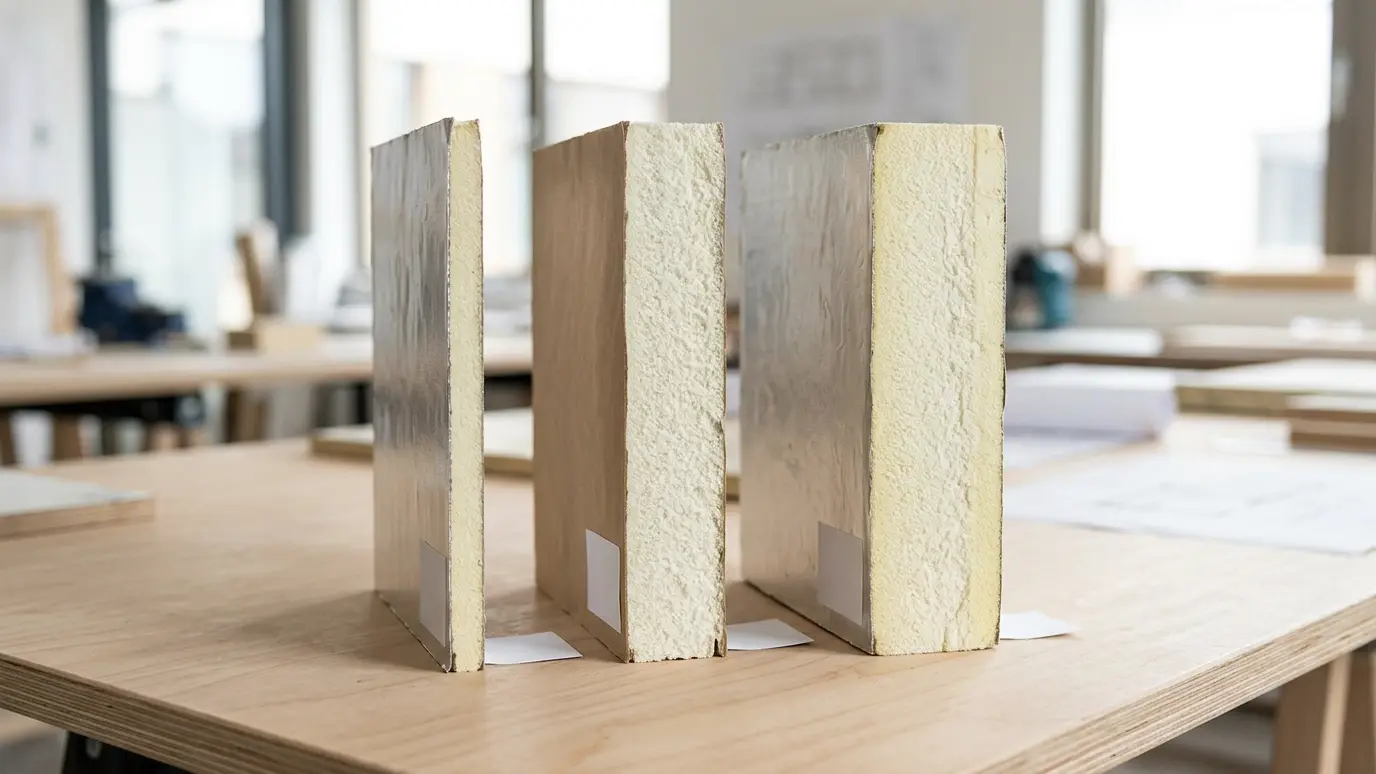
What R-value measures
R-value measures resistance to heat flow. A higher number means the material slows heat more for each layer. It is a laboratory rating for a specific thickness.
Real performance also depends on gaps, compression, moisture and air movement.
Material and depth
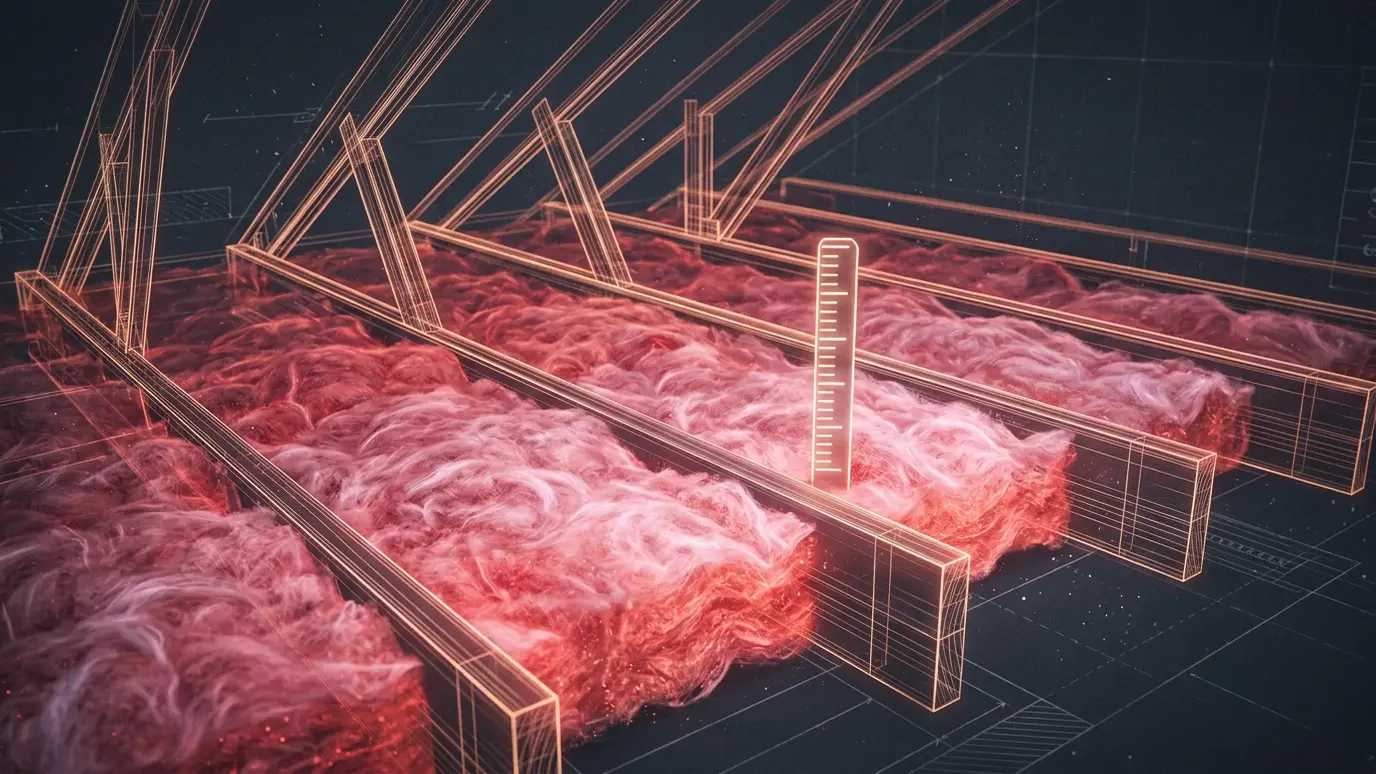
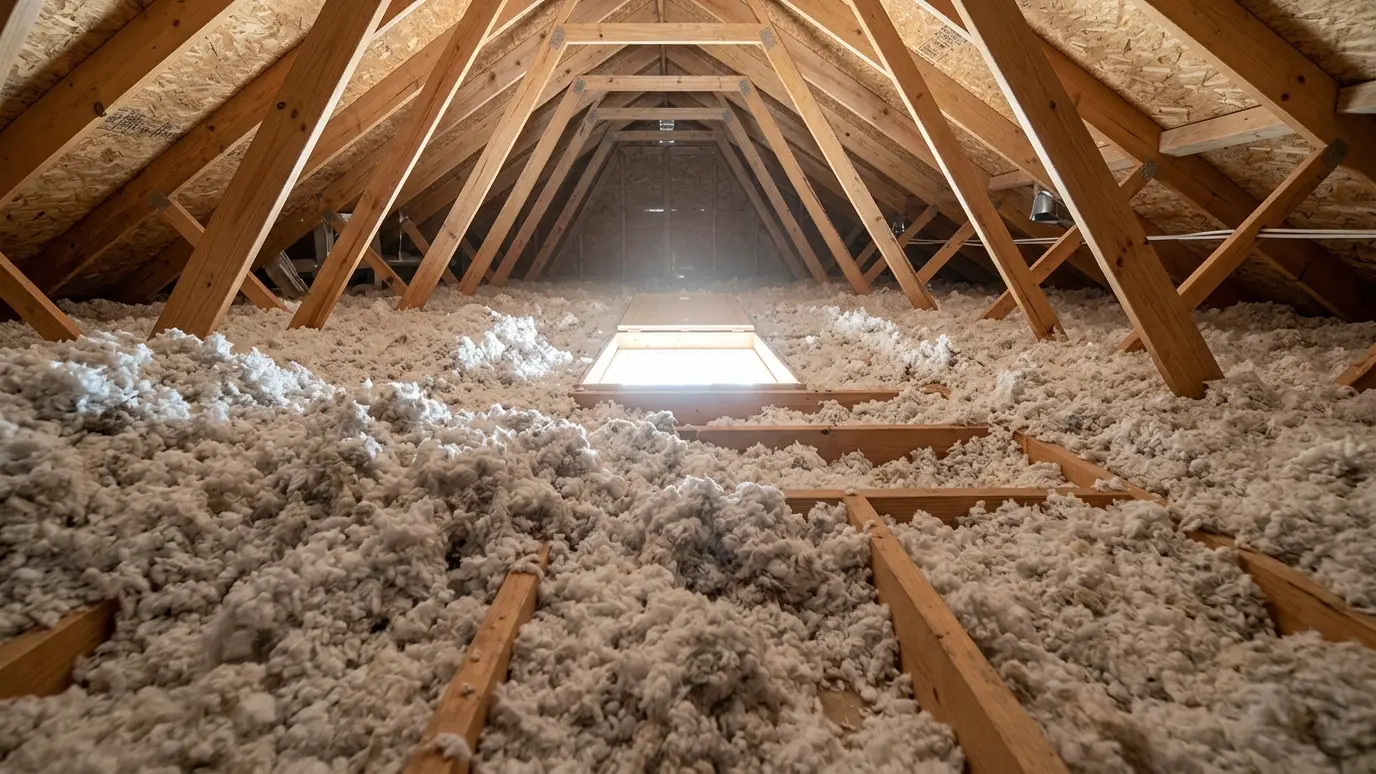
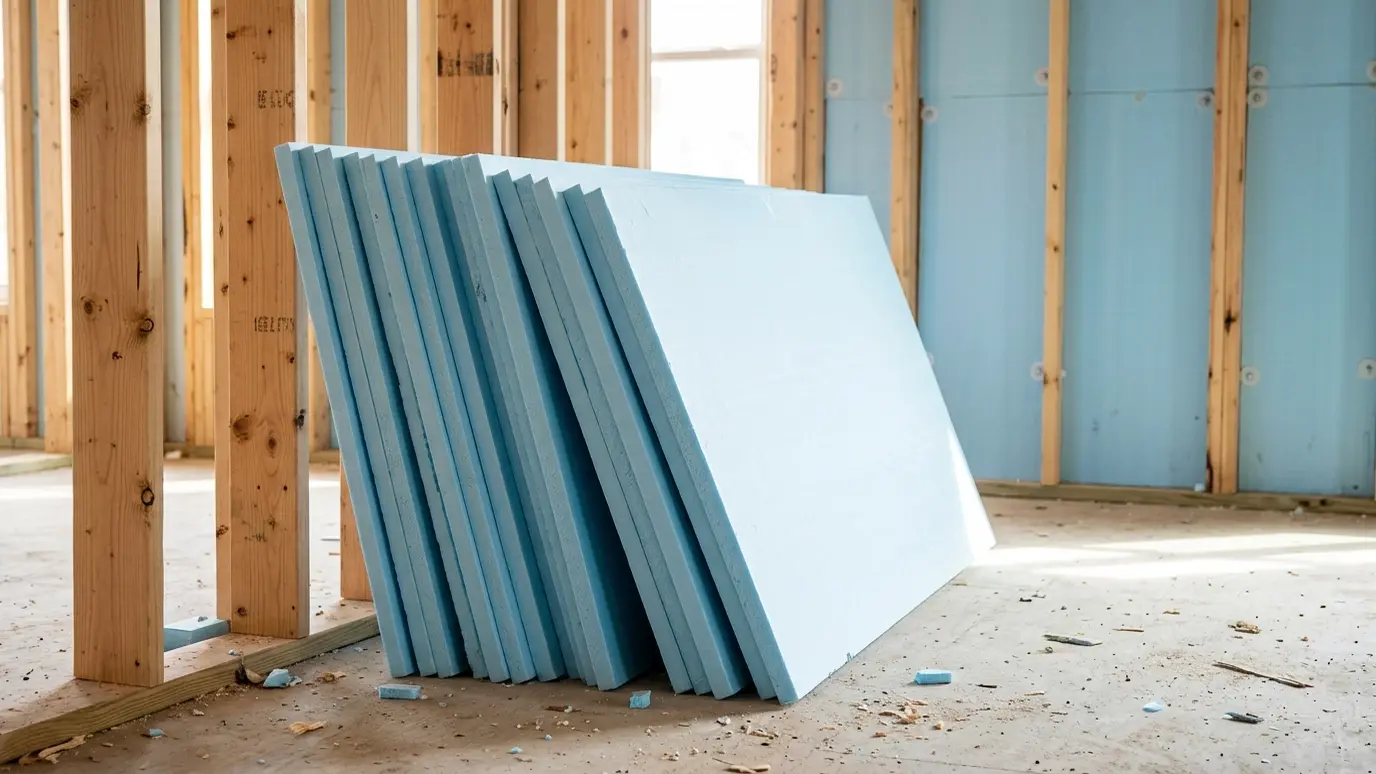
Each material has an R-value per inch. Foam has more per inch than fiberglass, so it fits in thin spaces. Loose-fill attic insulation needs a certain depth to reach a target.
Depth markers let you verify an installation.
Where the target comes from
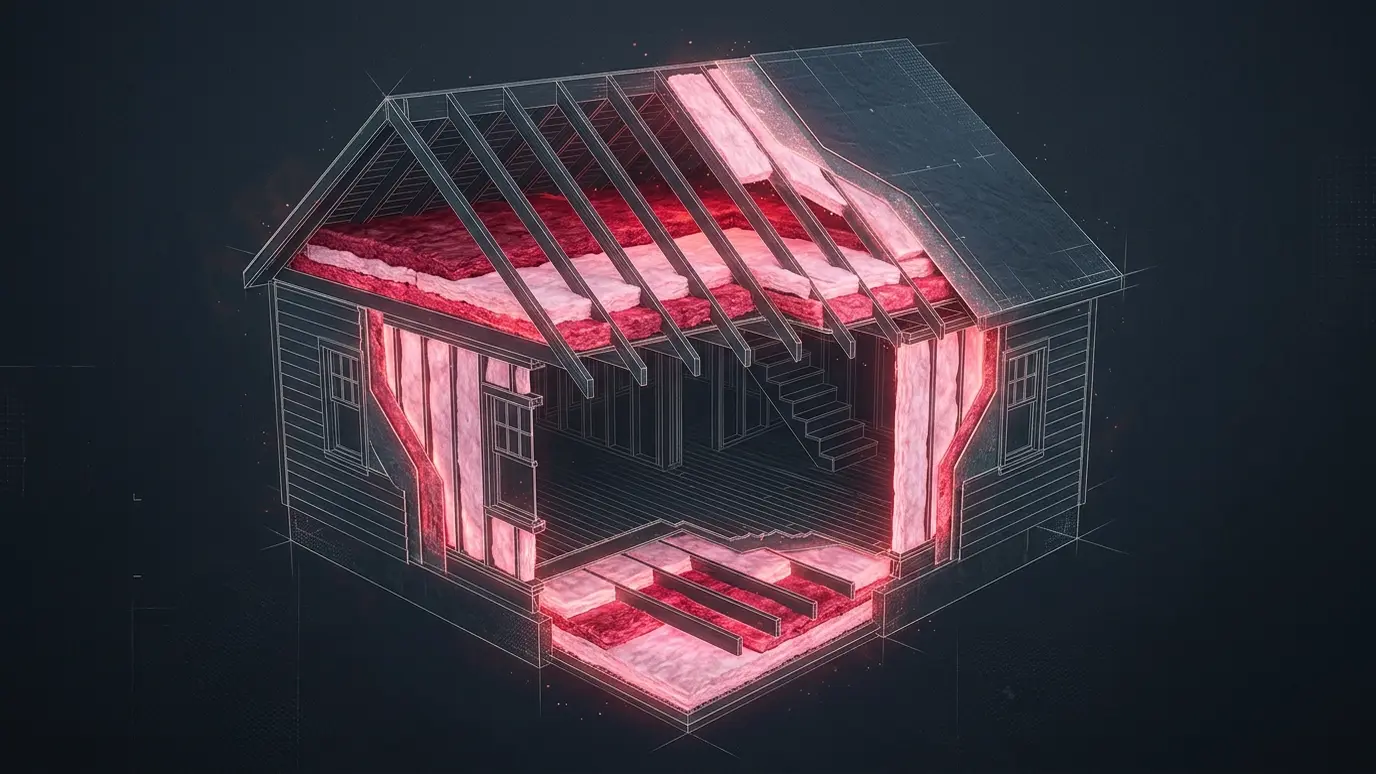
Energy codes and program guidelines suggest R-values by climate zone and by assembly. Middle Tennessee sits in a mixed climate, and attic targets are usually high.
Check current local code for the number that applies to your house.
Why more is not always better
After a certain point, each extra inch adds less. Air sealing, ducts and windows may give a better return than another layer of attic material.
An audit helps you balance the options.
Thermal bridging
Studs and joists conduct heat more than insulation does. Continuous foam over framing raises the effective R-value of a wall.
This is why a nominal number can overstate real performance.
Installation quality
A compressed batt delivers less than its label. Gaps and voids allow convection loops that reduce performance. Careful work is as valuable as thick material.
Ask to see the depth or fit after the work.
Treat R-value as a starting point, and make sure air sealing and installation quality deliver the number on the label.