What an audit is
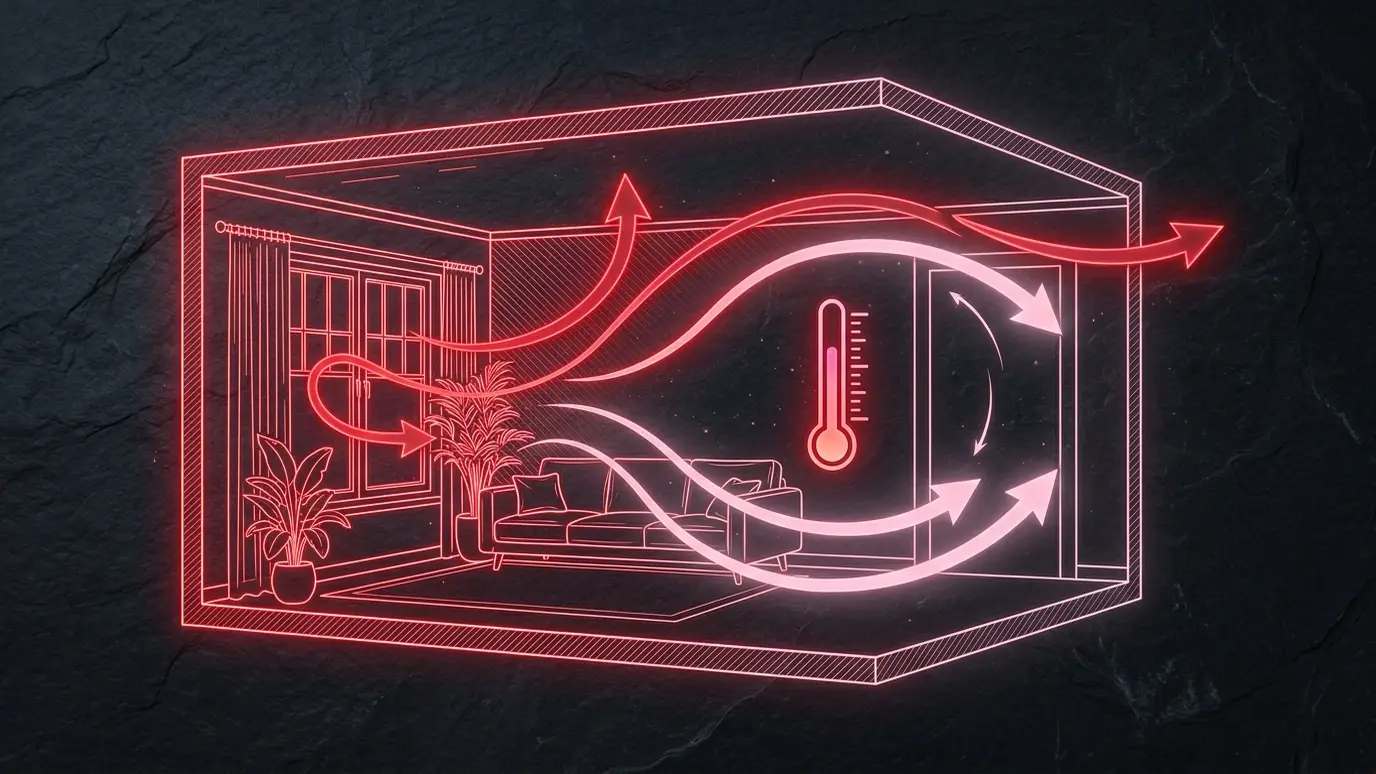
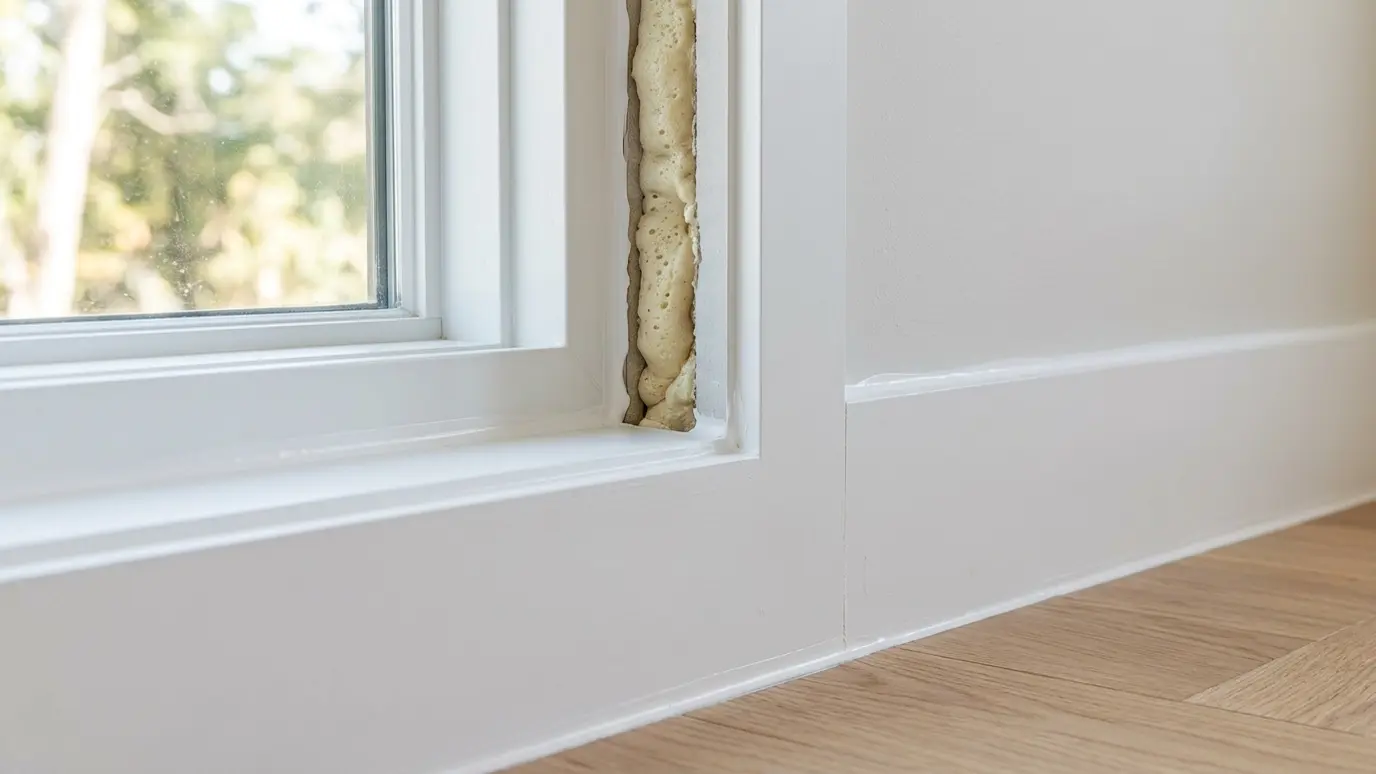
An audit is a structured look at how your house uses and loses energy. It combines a visual inspection, measurements and testing.
It ends with recommendations in a useful order.
The walk-through
We check the attic, walls, floors, crawl space or basement, windows, doors and mechanical equipment. We ask about comfort and bills.
Your experience helps us interpret what we see.
Thermal imaging
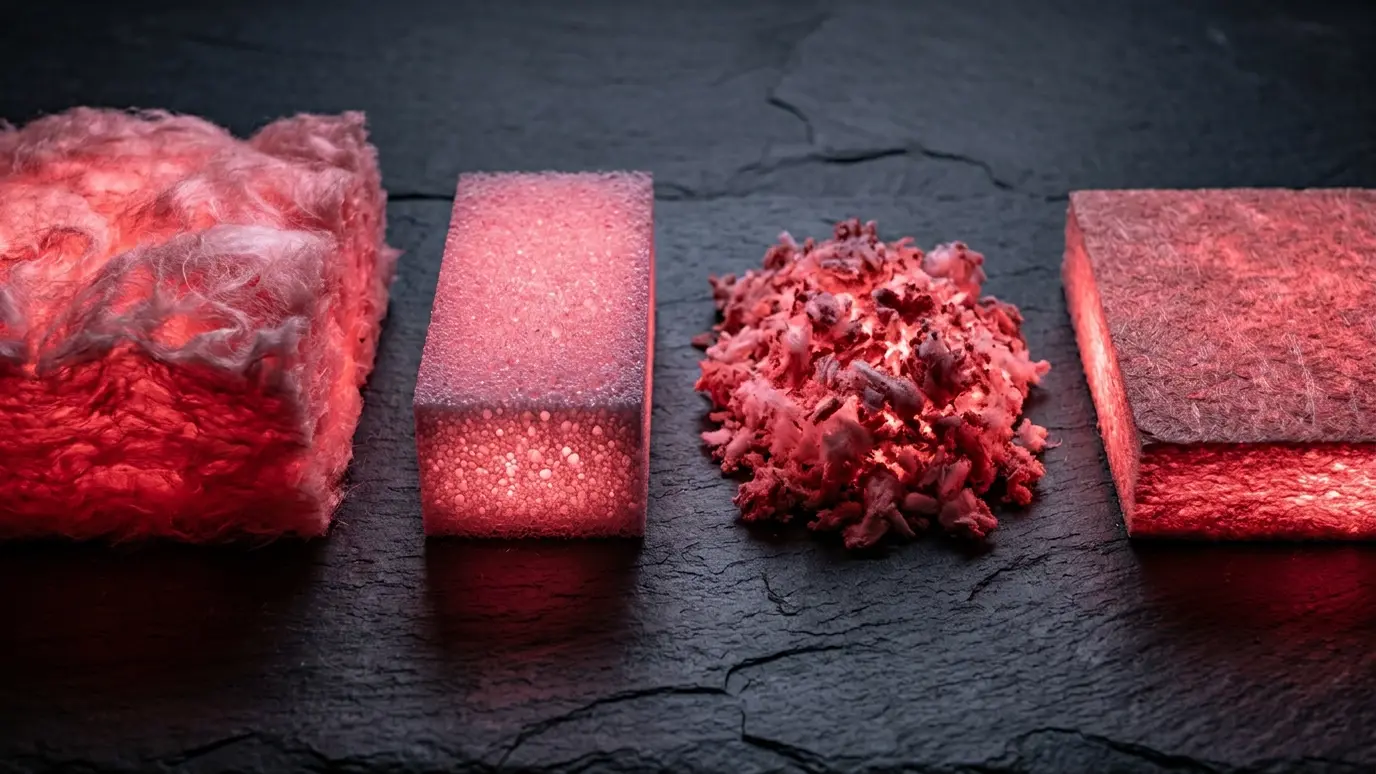
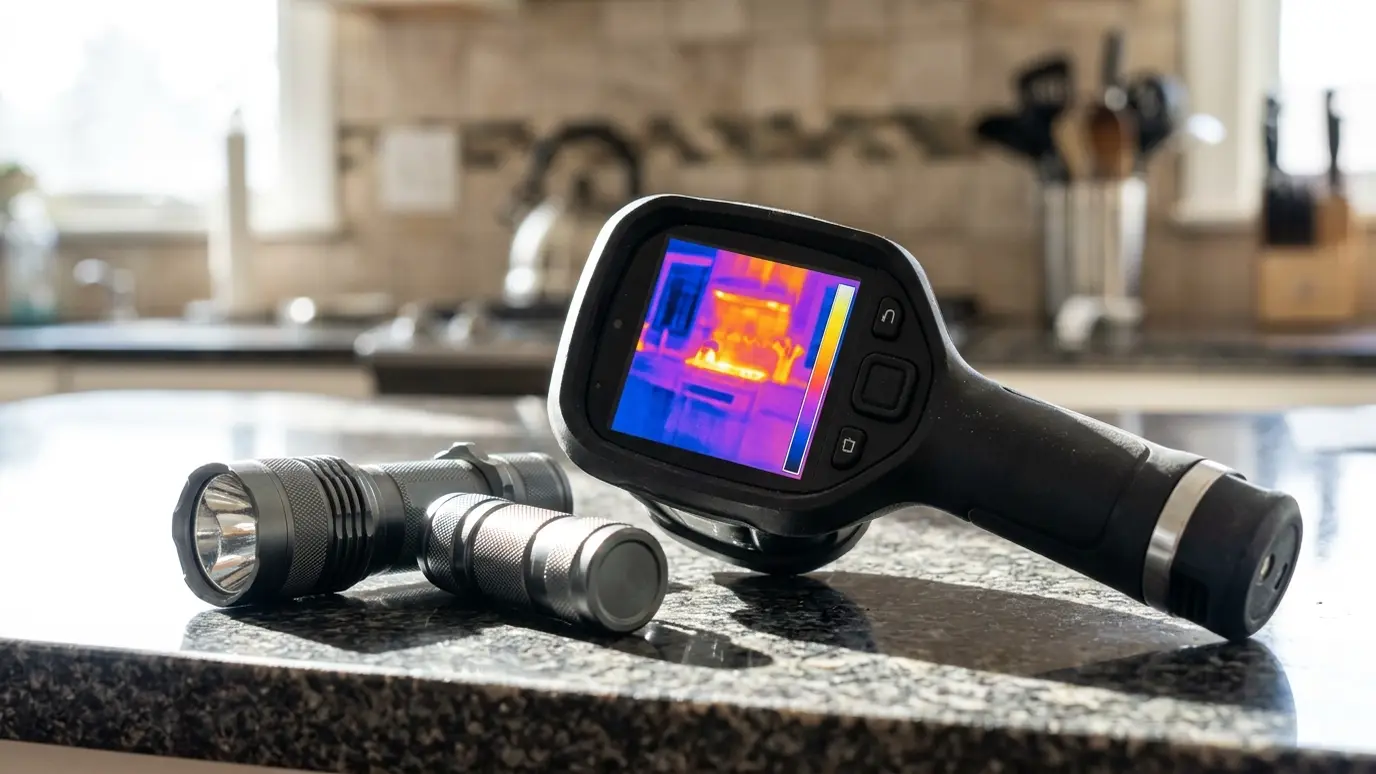
A thermal camera shows temperature differences on surfaces. Missing insulation, air leaks and moisture show up as patterns.
It works best when the inside and outside temperatures differ.
Blower door testing
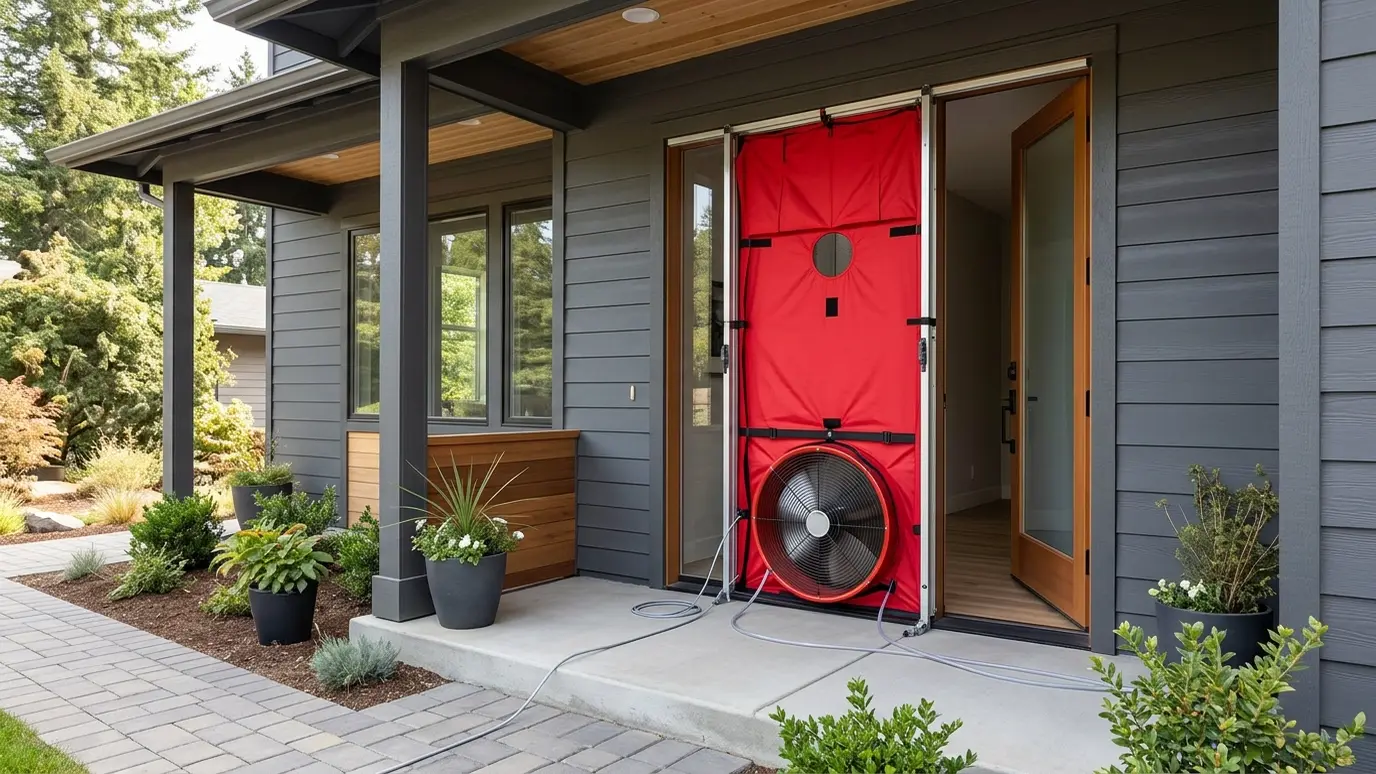
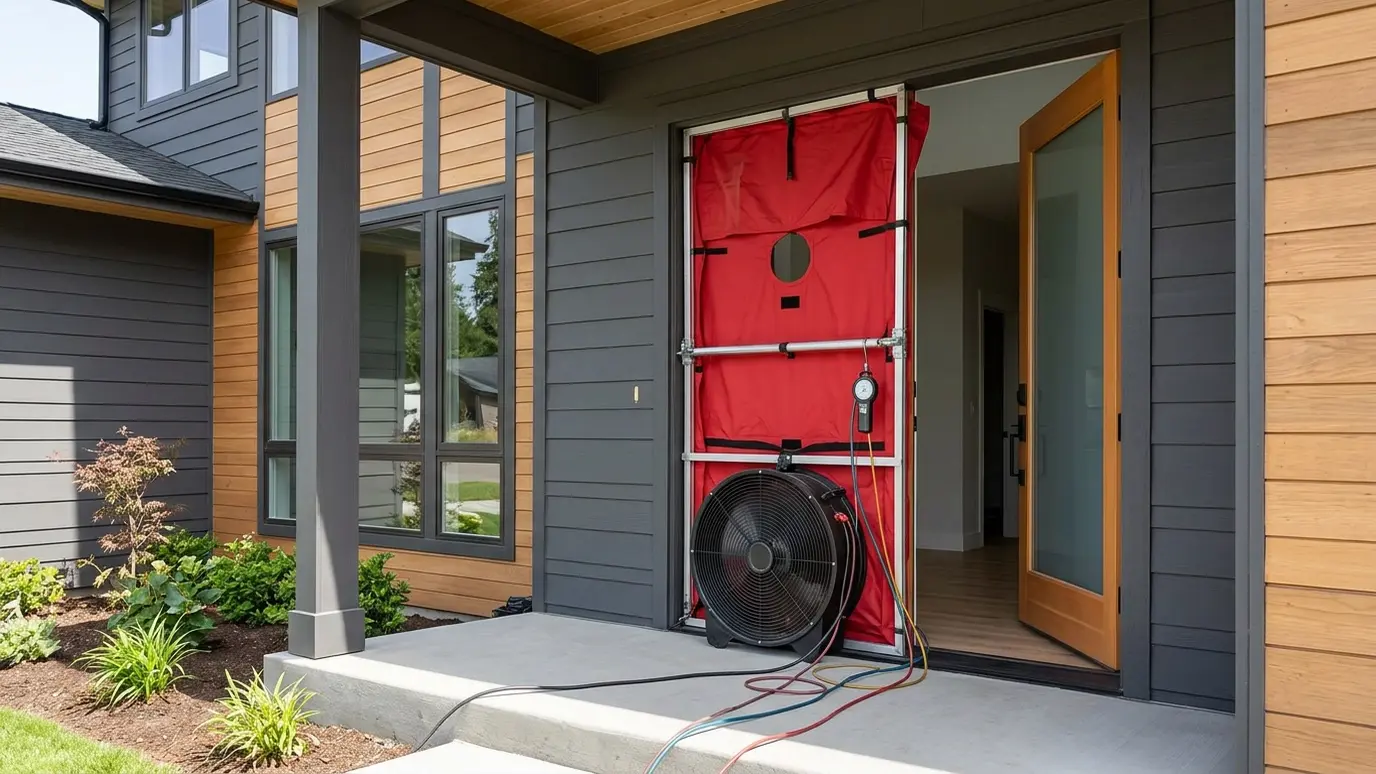
A fan lowers the pressure in the house and measures airflow. The reading shows how leaky the house is, and leaks can be found while the fan runs.
Testing before and after proves the improvement.
Combustion and ventilation safety
Tighter homes need safe venting and fresh air. We check gas appliances and recommend ventilation steps where needed.
Safety is part of every audit.
Turning findings into a plan
We rank fixes by value: air sealing and attic insulation first, then ducts, floors and walls, then equipment and windows.
You can do the work in stages that fit your budget.
Use an audit to rank the fixes, so each dollar goes where it makes the biggest difference.