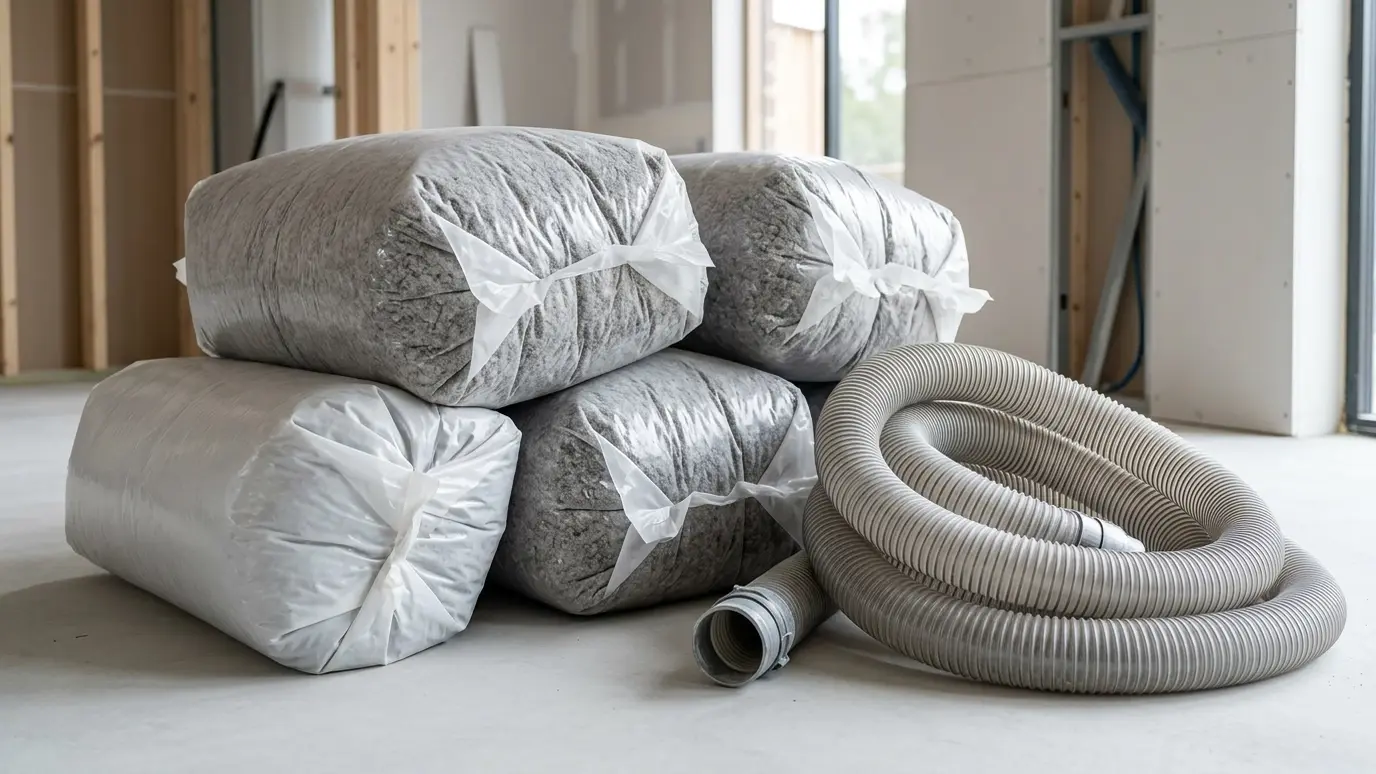
Recycled paper fiber, treated for fire and pests, installed loose or dense-packed. Here is where it shines.
Cellulose is made mostly from recycled paper, shredded and treated with borate to resist fire, mold and pests. It is blown into attics as loose-fill and packed into walls at higher density. It conforms to odd shapes and fills gaps around wiring and framing better than batts.
Its density slows air movement, which helps comfort, and its recycled content appeals to many owners. It does not do well when soaked, so a dry attic or wall is important, and the installation needs careful depth and density control.
For attics and closed walls.
Dense fill resists drafts.
Made mostly from recycled paper.
Fire and pest resistance.
Needs a dry assembly.
Wraps around wires and framing.
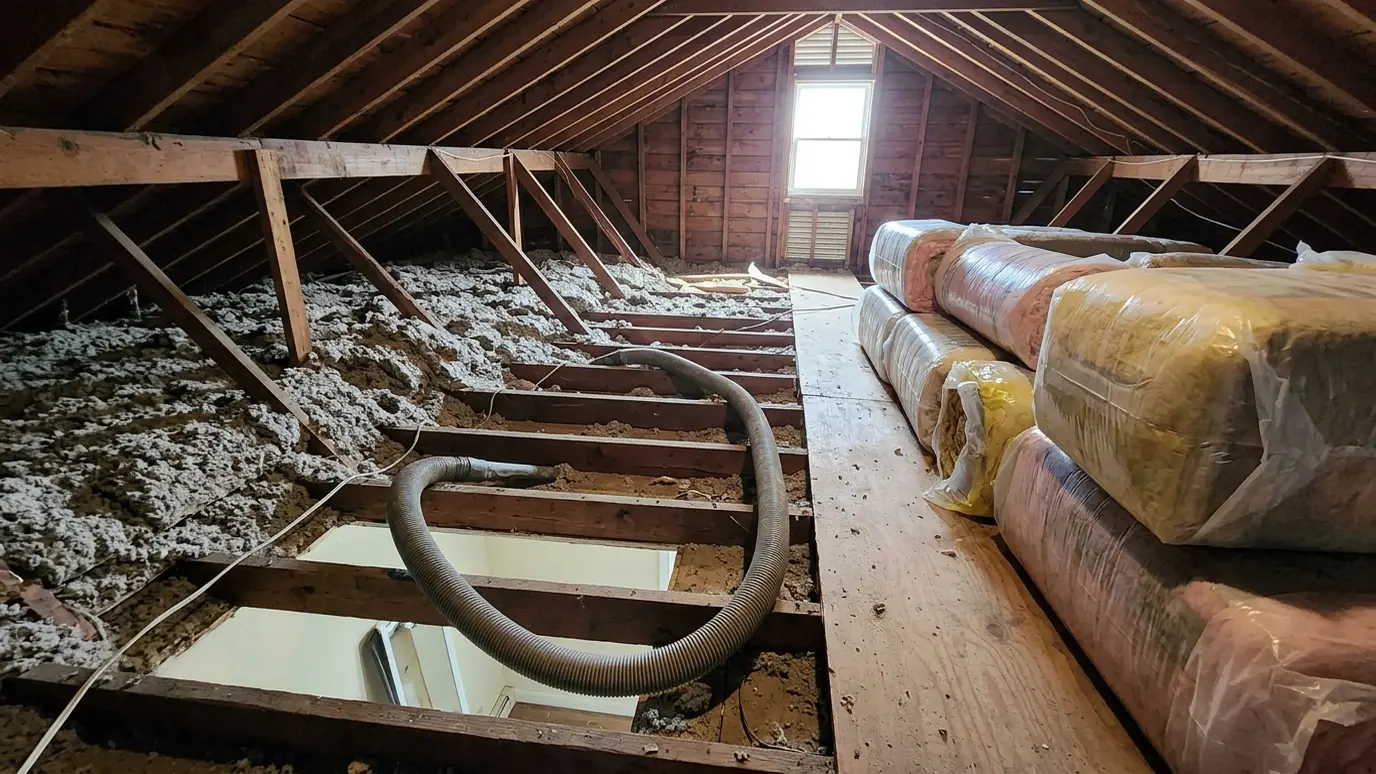 Attic Removal and ReplacementOld, wet, matted or contaminated insulation removed by vacuum and replaced with a clean, correctly sized layer.Explore
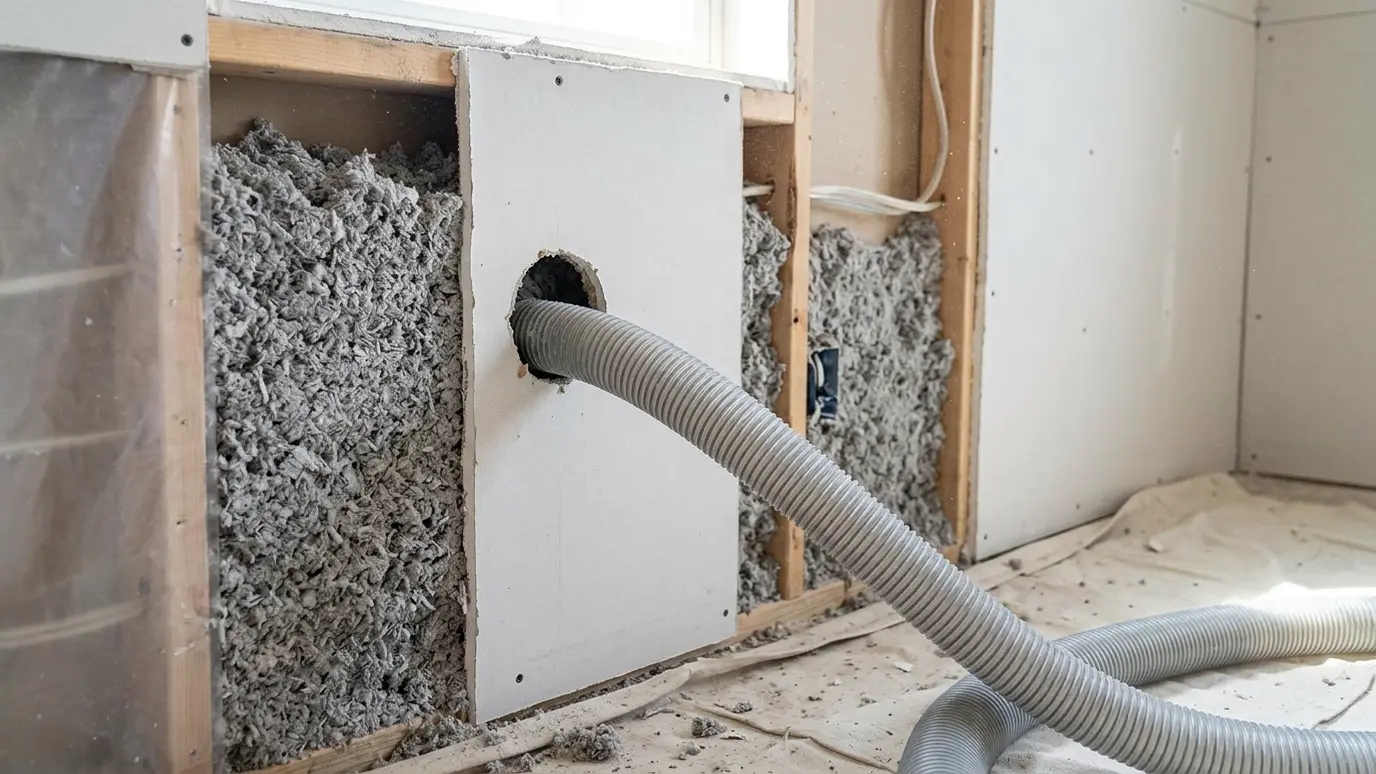 Dense-Pack Cellulose WallsInsulation blown into closed walls through small holes, filling an existing cavity so older homes finally keep their…Explore
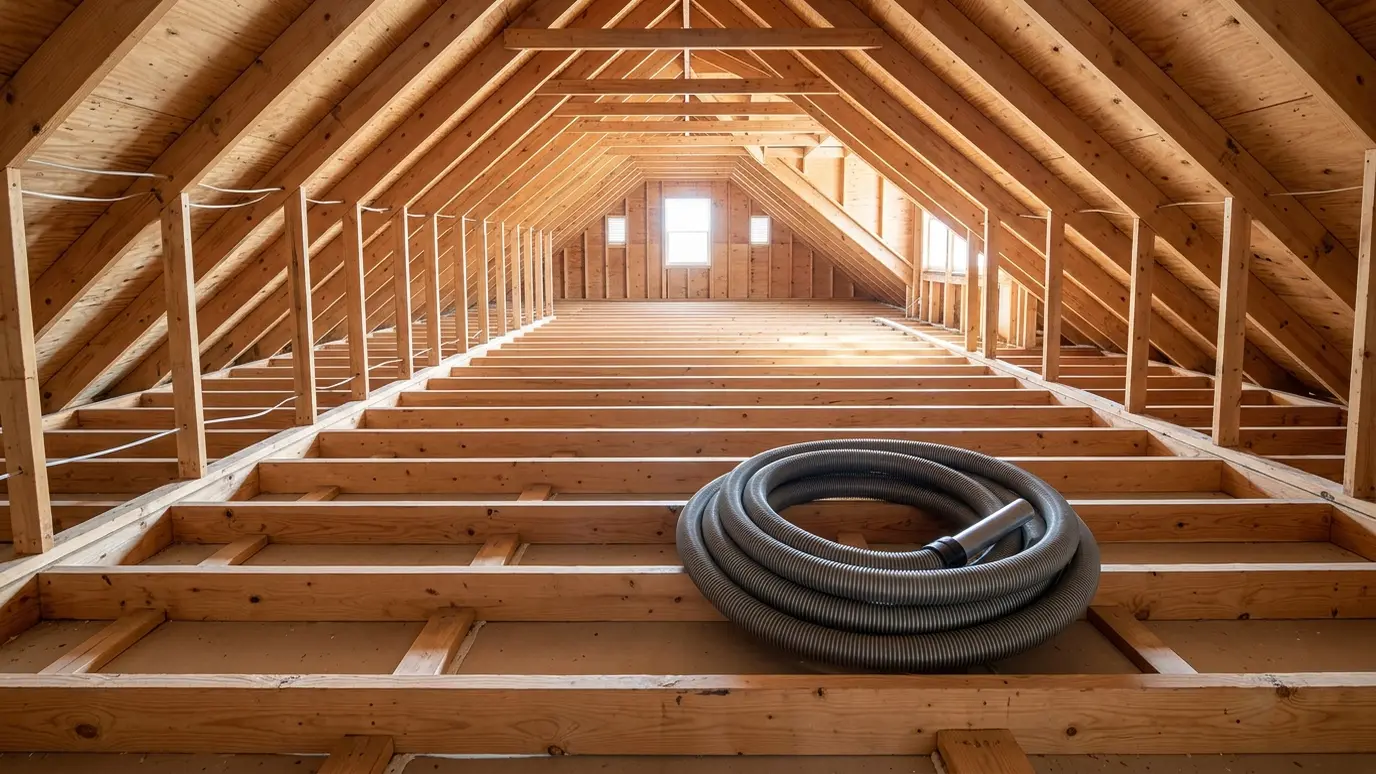 Insulation Removal and Attic CleanupA full attic reset after leaks, pests, smoke or old repairs: debris removed, surfaces cleaned and the space…Explore
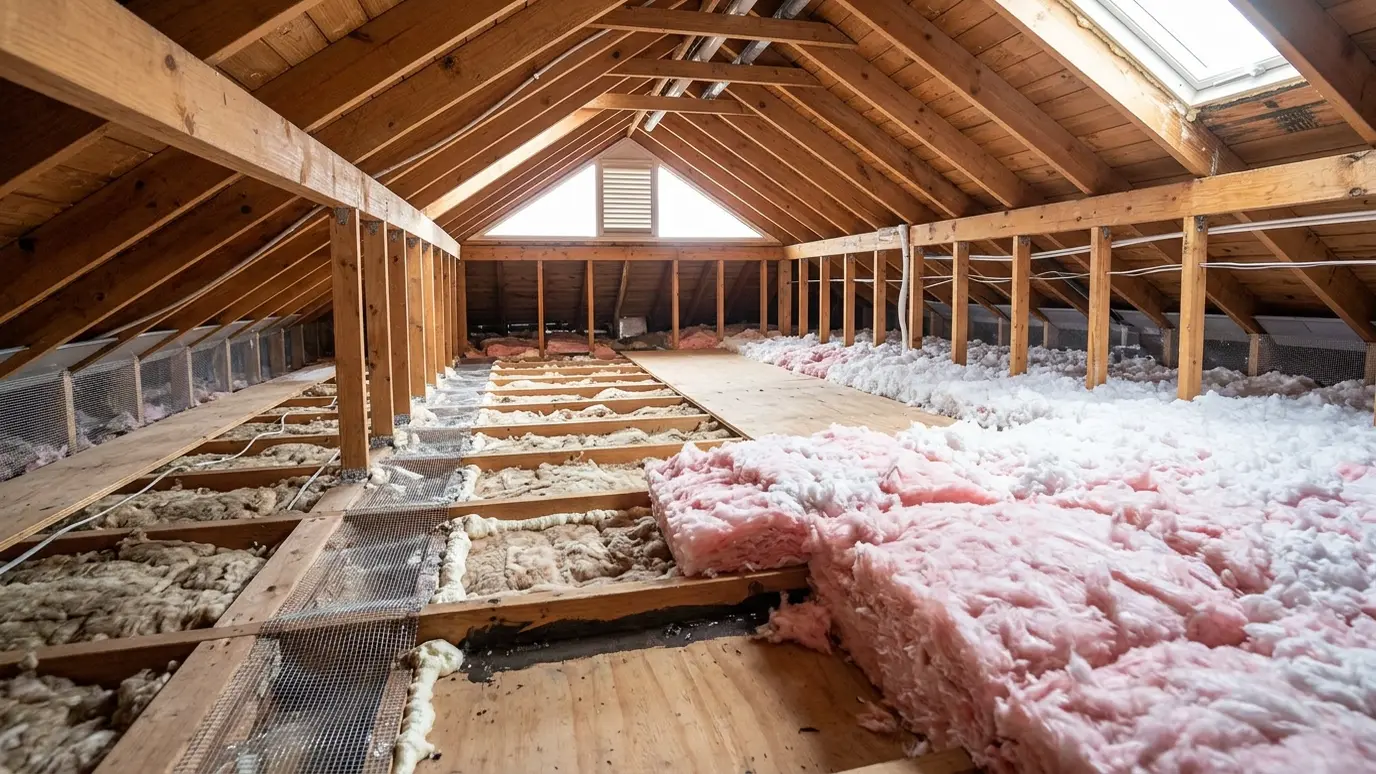 Rodent Cleanup and ReinsulationContaminated insulation removed, nests and droppings cleaned and entry points flagged, then replaced with fresh, protected insulation.Explore
Check an R-value, find your first fixes or ballpark a budget.
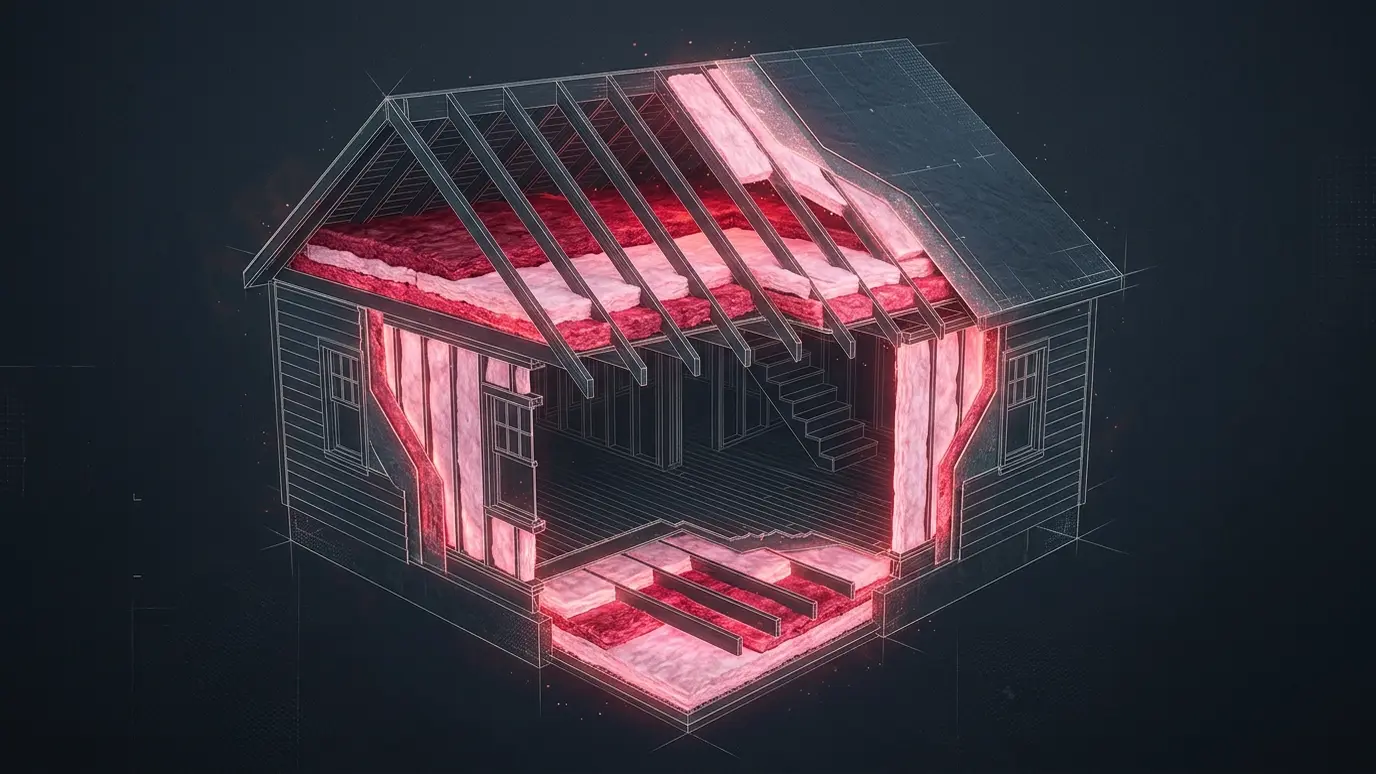 Insulation R-Value CalculatorPick a material and enter the depth to see the approximate R-value, or enter a target to see the depth you need.Try it
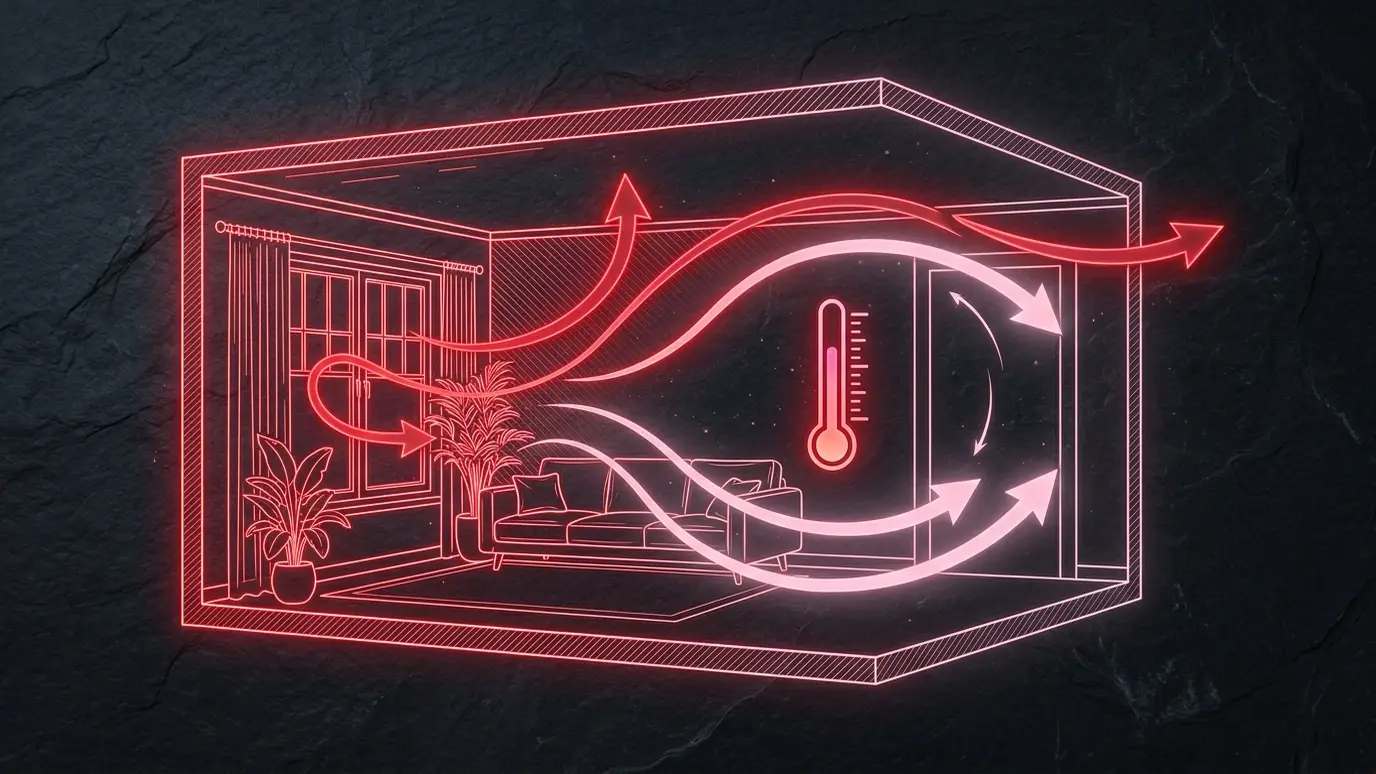 Home Comfort and Heat Loss CheckupAnswer a few questions about your rooms, bills and spaces and see which fixes to look at first.Try it
 Insulation Project Budget PlannerPick a project and a size and get a ballpark planning range.Try it
It resists air movement more and fills better in irregular spaces. Fiberglass resists moisture better.
Loose-fill settles somewhat, and dense-pack resists it. We install to specified densities.
It is treated to slow flame spread. It is not fireproof, and rules for clearance around flues still apply.
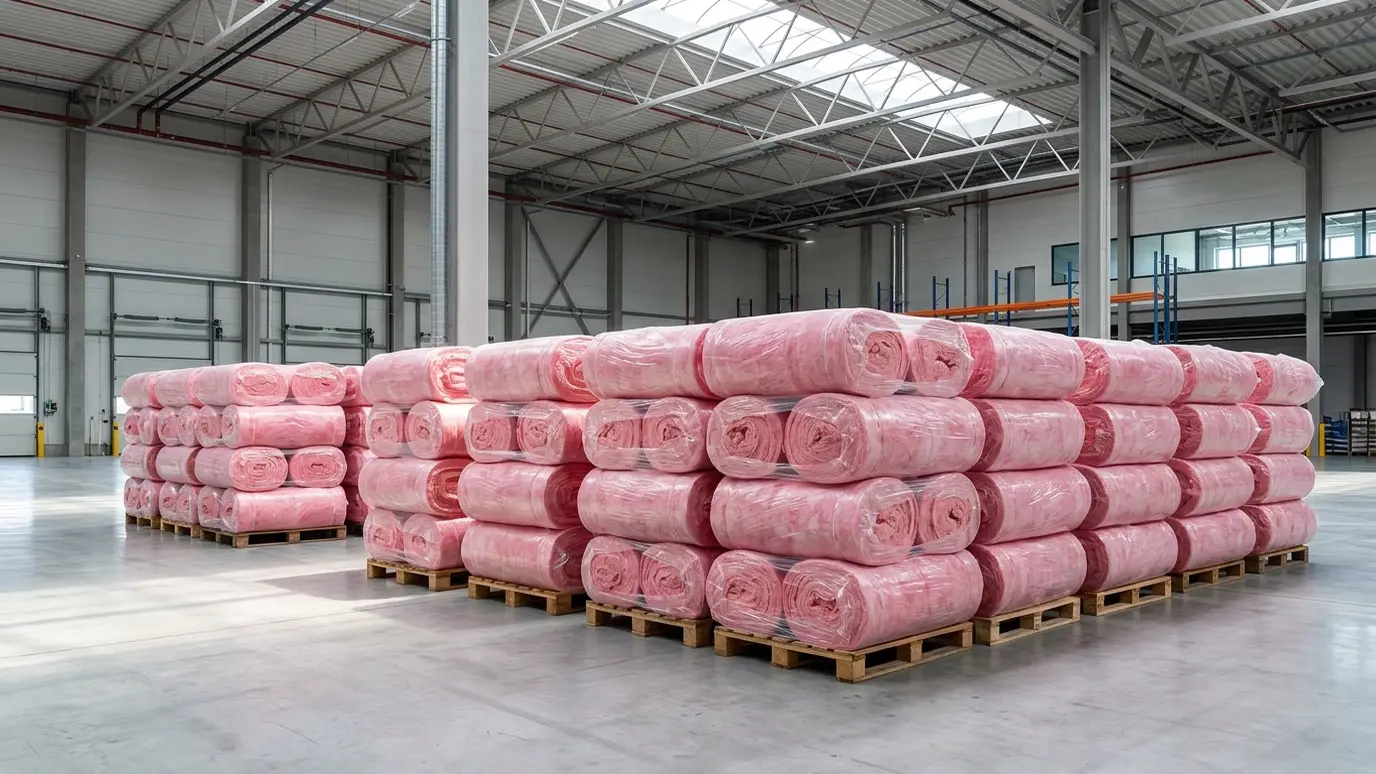 Material guideFiberglassThe most common insulation, in batts and loose-fill. Here is how it performs, where it works well and…Learn more
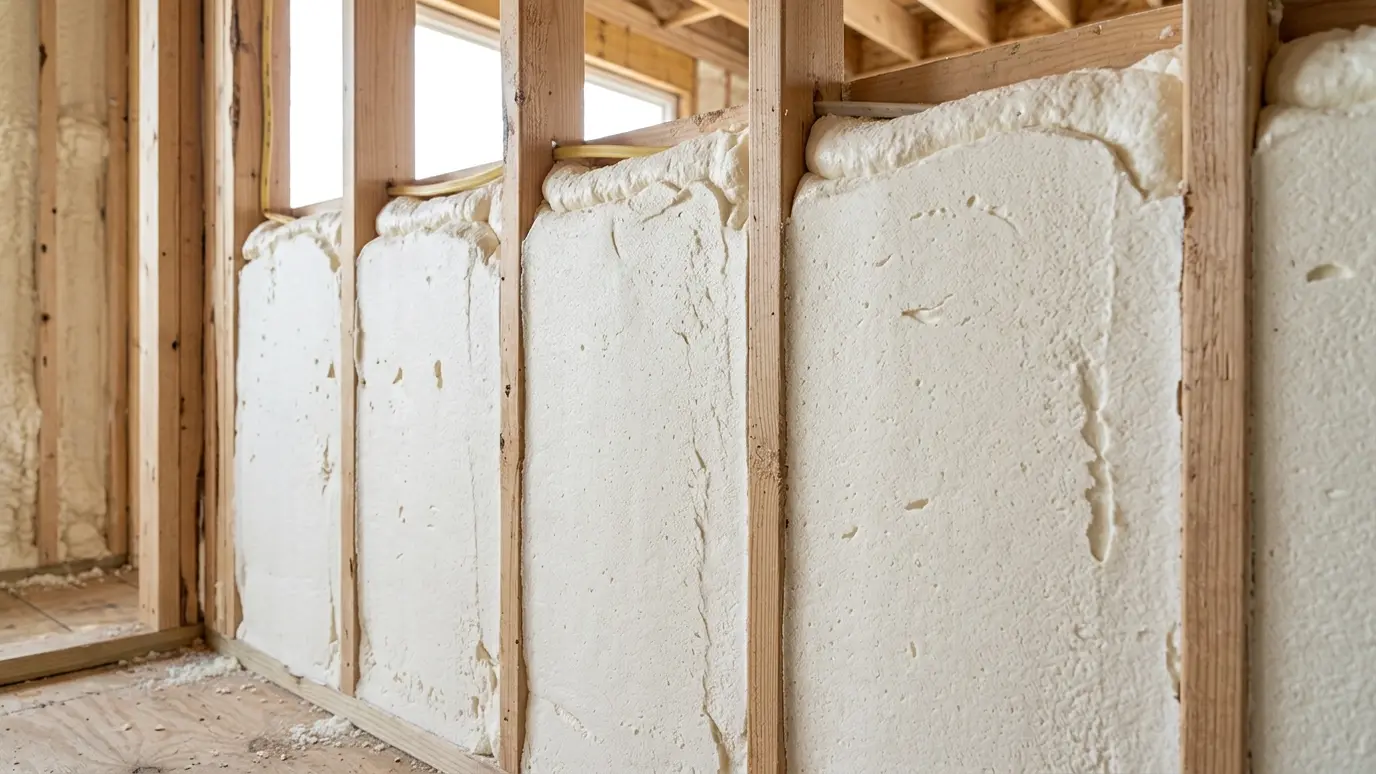 Material guideSpray FoamOpen-cell and closed-cell foam insulate and seal in one step. Here is how to choose and what to…Learn more
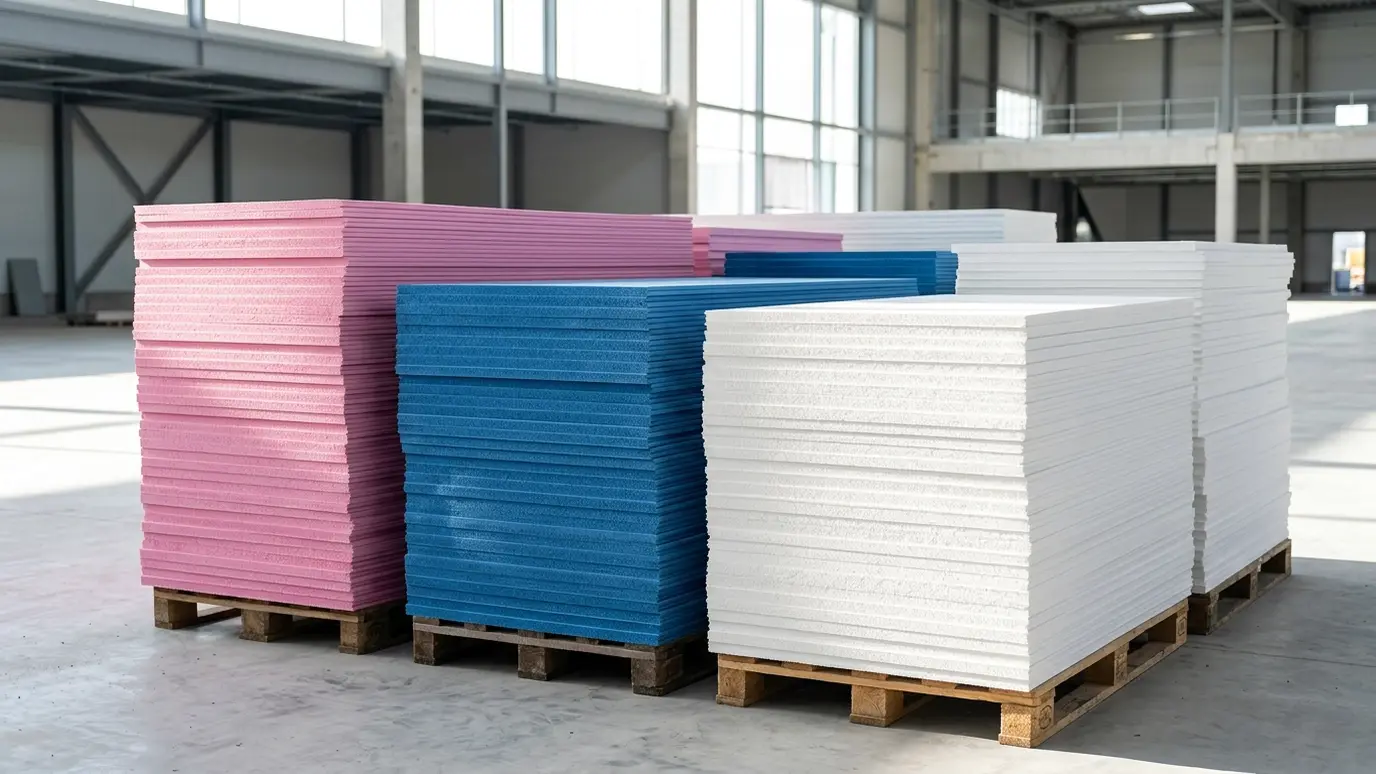 Material guideRigid Foam BoardEPS, XPS and polyiso boards offer continuous insulation for basements, slabs, walls and roofs. Here is how they…Learn more
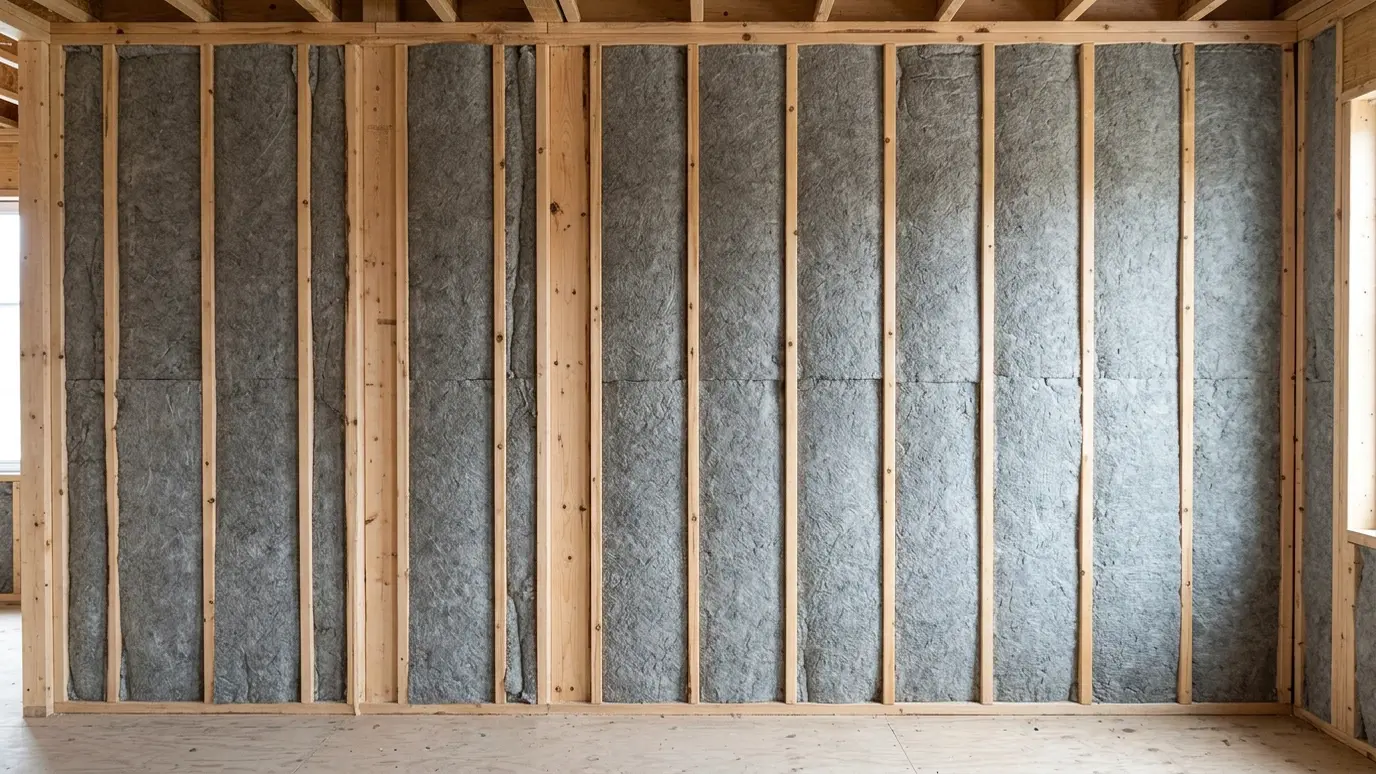 Material guideMineral WoolDense stone and slag fibers that resist fire, water and sound. Here is why it is a favorite…Learn more
Call us and we will inspect the attic, walls and crawl space and give you a clear plan and a written scope.