How a vented attic works
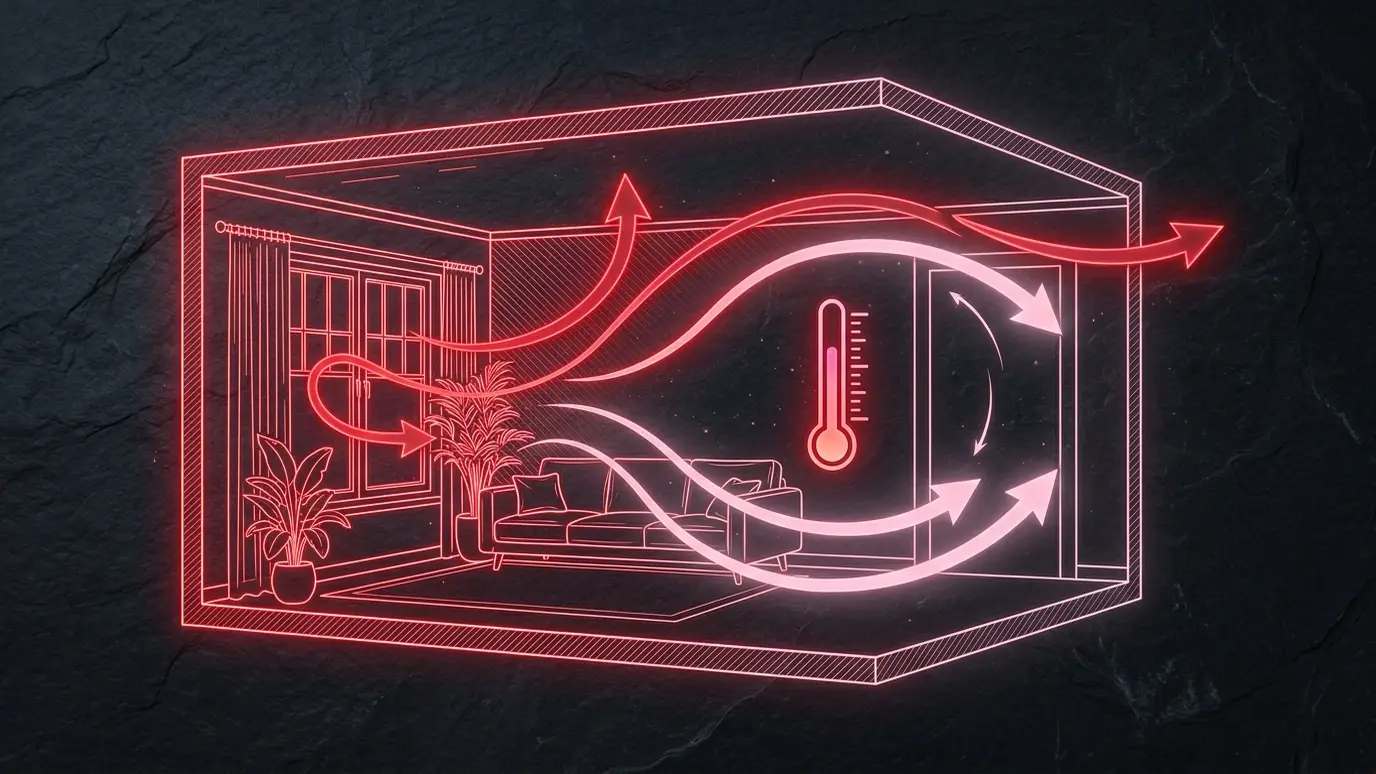
Cool air enters at the soffits, rises along the roof deck and leaves at the ridge or high vents. The flow removes heat in summer and moisture in winter.
It only works if the path is open.
Balance intake and exhaust
Too much exhaust without intake pulls air from the house. We check the size of both and aim for a balance.
Mixing different exhaust types can short-circuit the flow.
Baffles
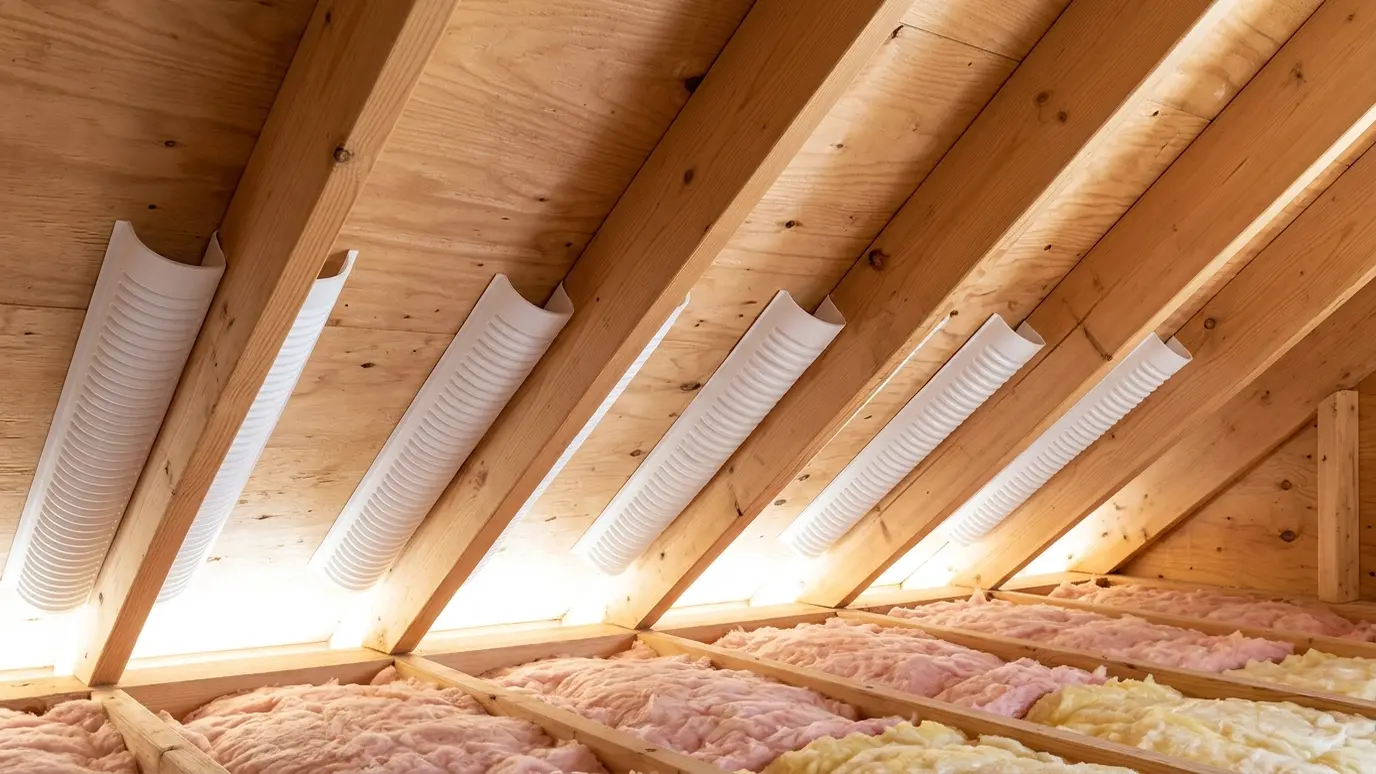
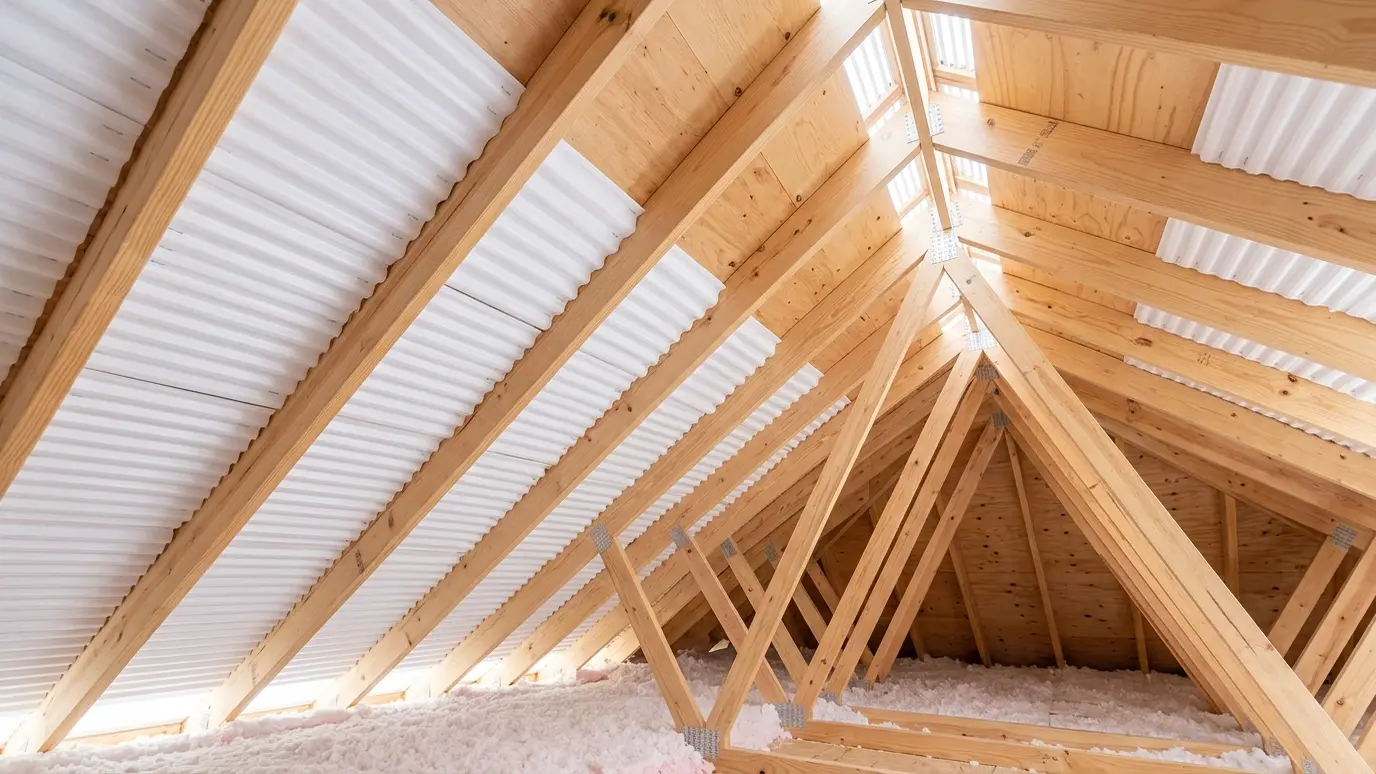
Baffles hold insulation back from the eaves and keep a channel open. They are one of the lowest-cost, most important details in an attic.
Without them, new insulation often blocks the soffits.
Moisture sources
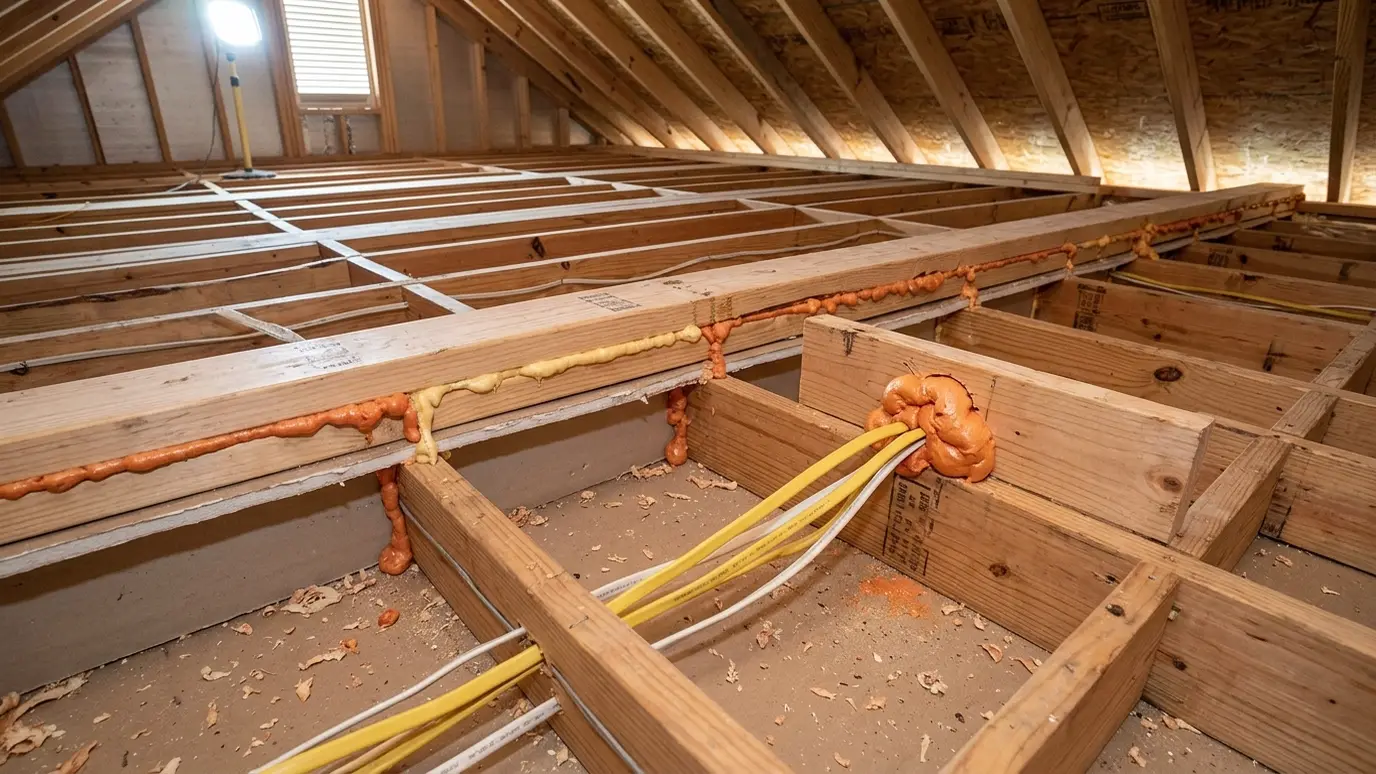
Bath fans, dryer vents and kitchen hoods should vent to the outside, not into the attic. House air leaks add moisture too.
Sealing and ducting reduce attic moisture more than extra vents.
Unvented attics
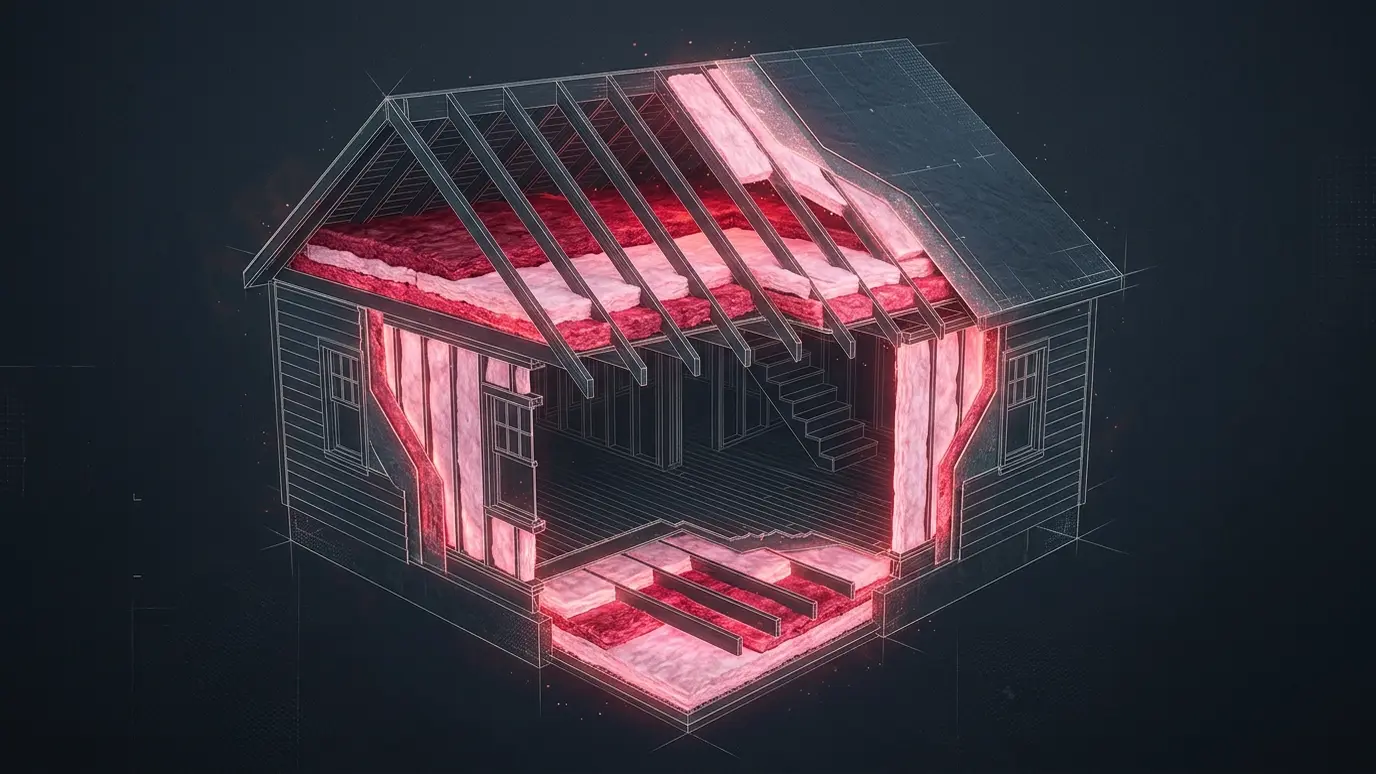
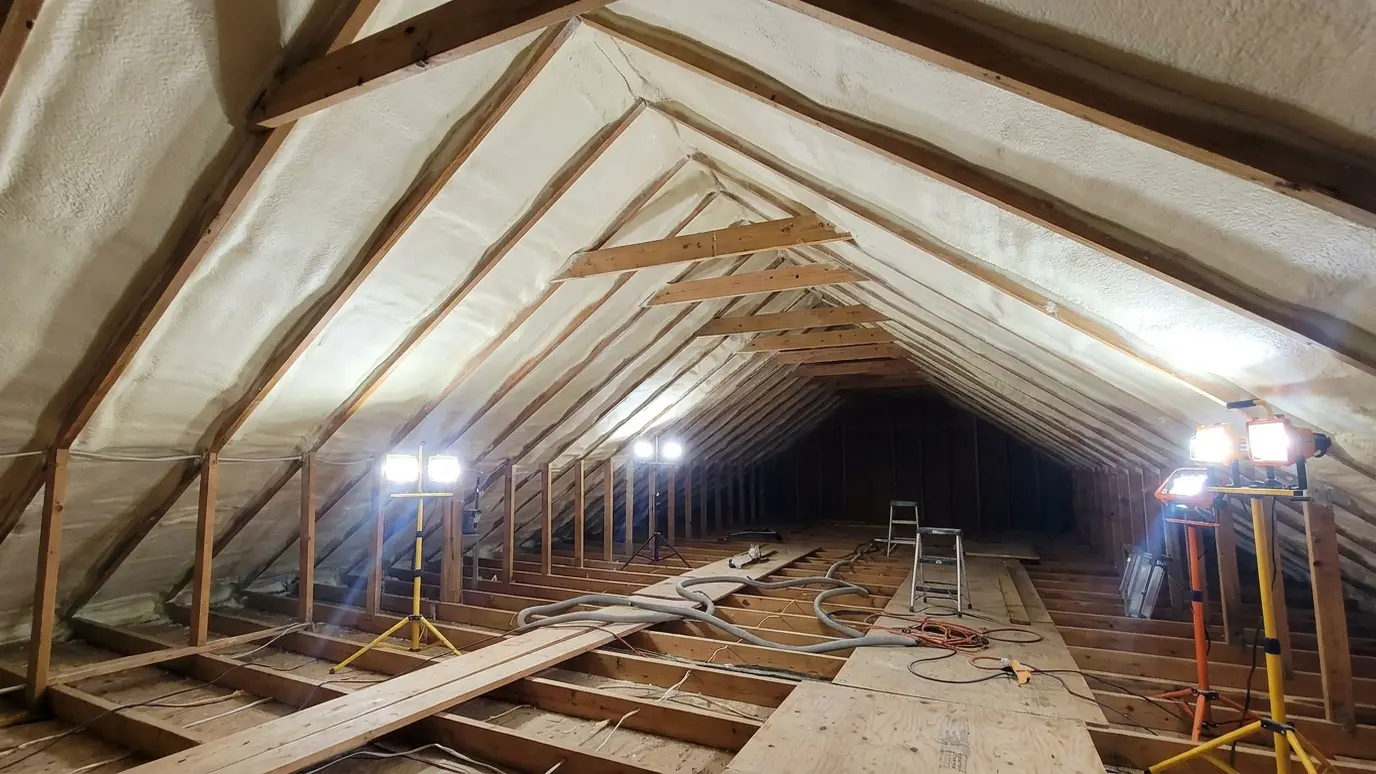
Spray foam at the roof deck can turn an attic into a conditioned space. It requires careful detailing and attention to roof leaks.
It suits attics with equipment and ducts.
Signs of trouble
Frost in winter, damp insulation, rusted nails and stained sheathing suggest ventilation or moisture issues. Ice dams can point to heat loss.
A visit identifies the cause.
Keep soffits open with baffles, balance intake and exhaust and fix moisture sources before adding vents.