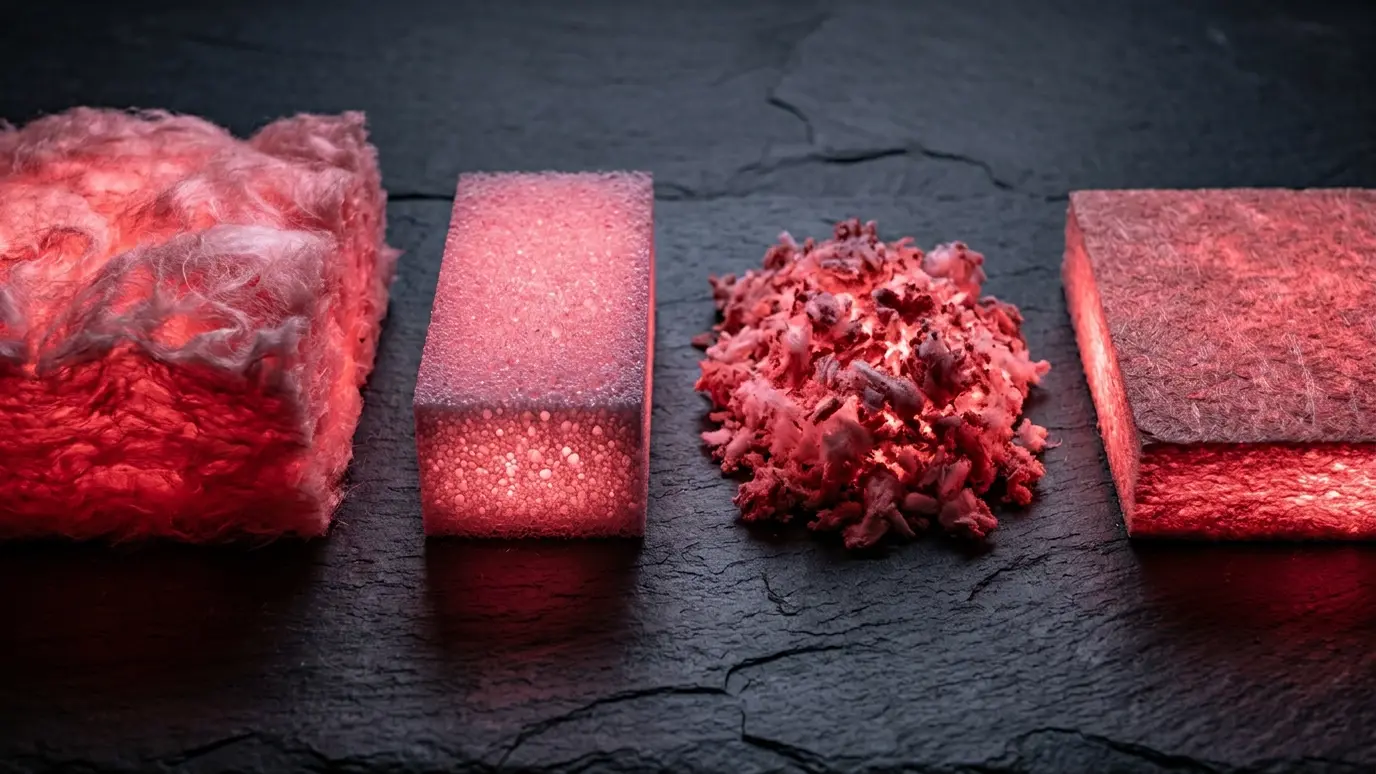
Careful identification of old loose-fill, with testing guidance and safe next steps if your attic has vermiculite or unknown material.
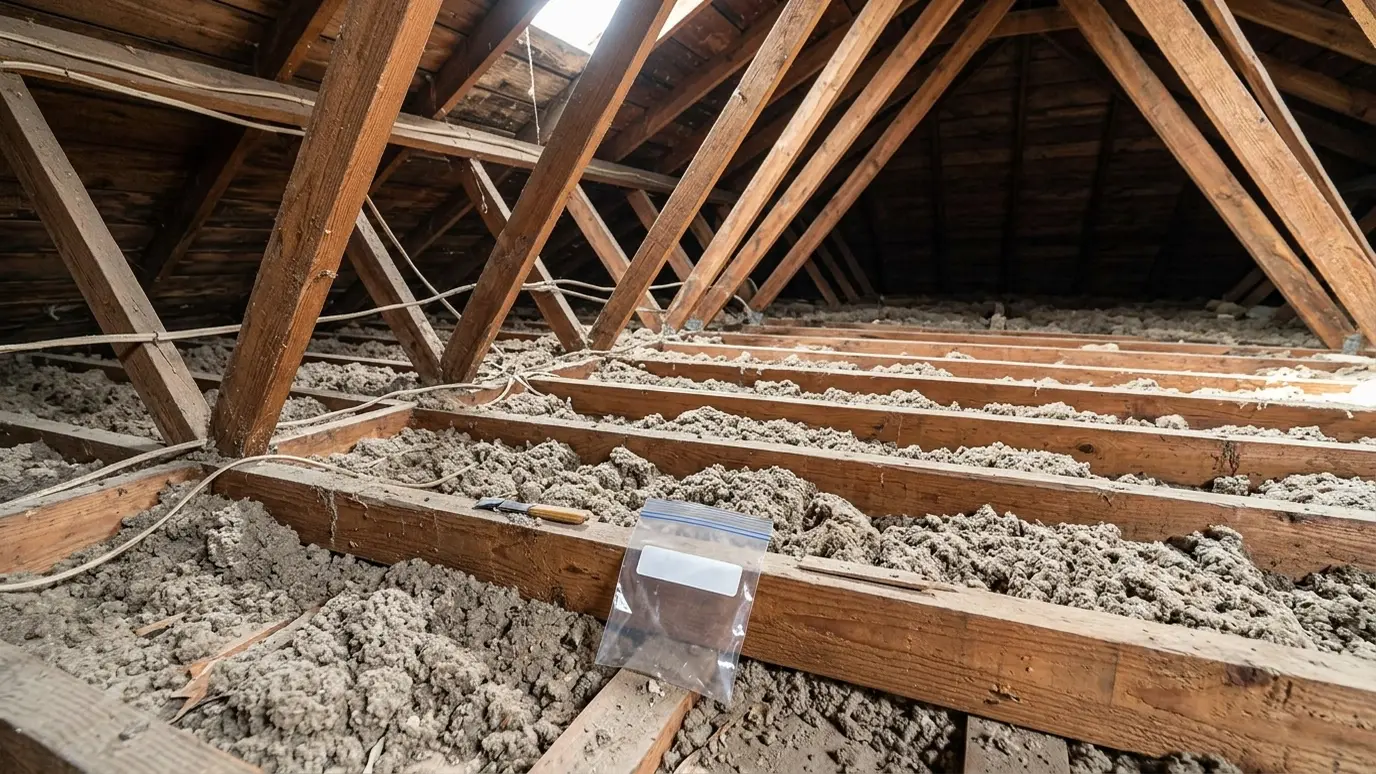
Some older homes have loose, pebble-like insulation in the attic that looks like gray, gold or brown granules. This may be vermiculite, and some vermiculite sold in past decades came from mines contaminated with asbestos. If your attic has it, the safest move is to leave it undisturbed and learn more.
We do not stir it, vacuum it or sample it ourselves. We look from a safe position, photograph the material, explain the concerns and point you to accredited testing and certified abatement professionals. Once it is dealt with properly, we can air seal and install new insulation.
Small, accordion-like pebbles in shades of silver, gold or brown. Not all of it is hazardous, but it cannot be told apart by eye, so it should be treated with caution.
Disturbing the material can release fibers. Avoid storing items in the attic, sweeping or running a household vacuum over it, and keep the hatch closed.
An accredited laboratory can test a sample taken with proper precautions. If testing shows asbestos, a certified abatement professional should handle removal.
Old blown-in rock wool, wrapped pipe insulation and wall materials may also deserve caution. We tell you what we see and recommend the right expert.
Drag the handle to compare.
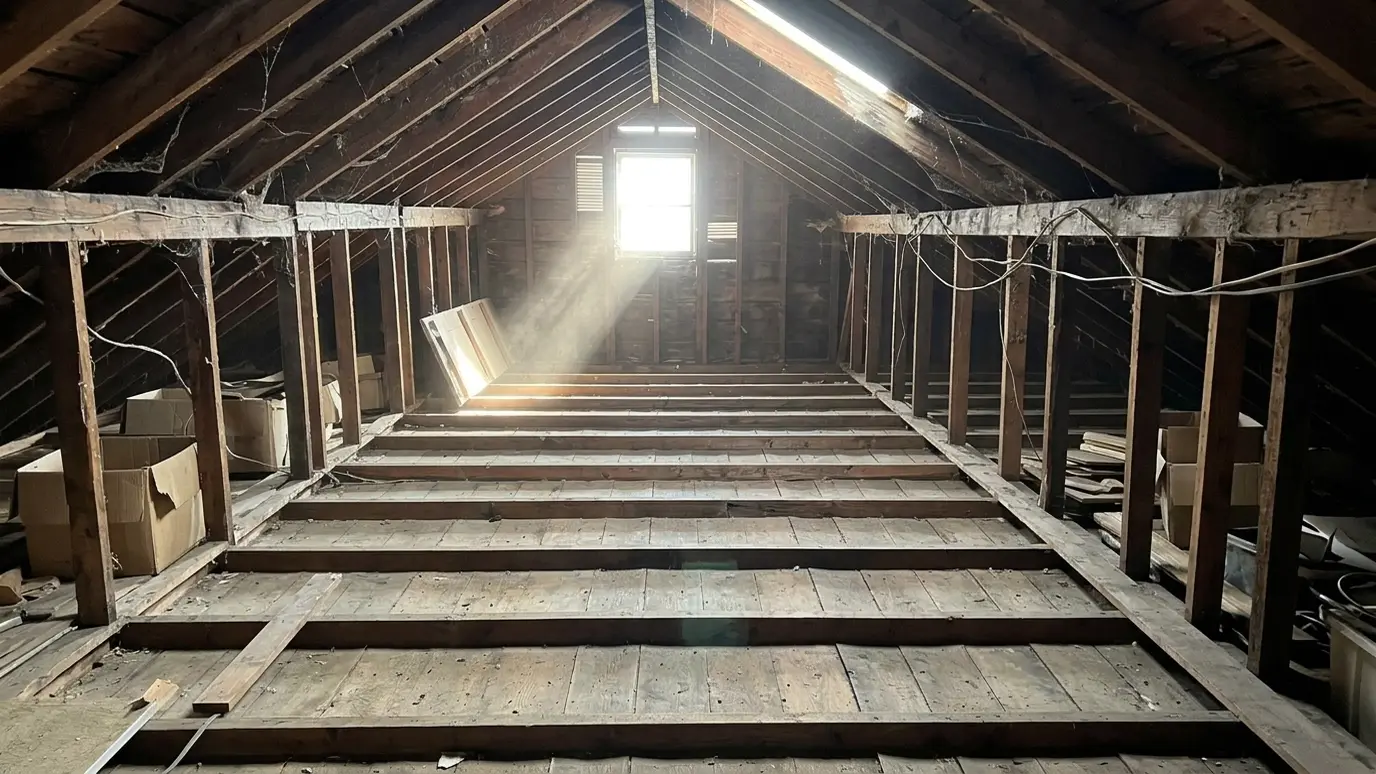
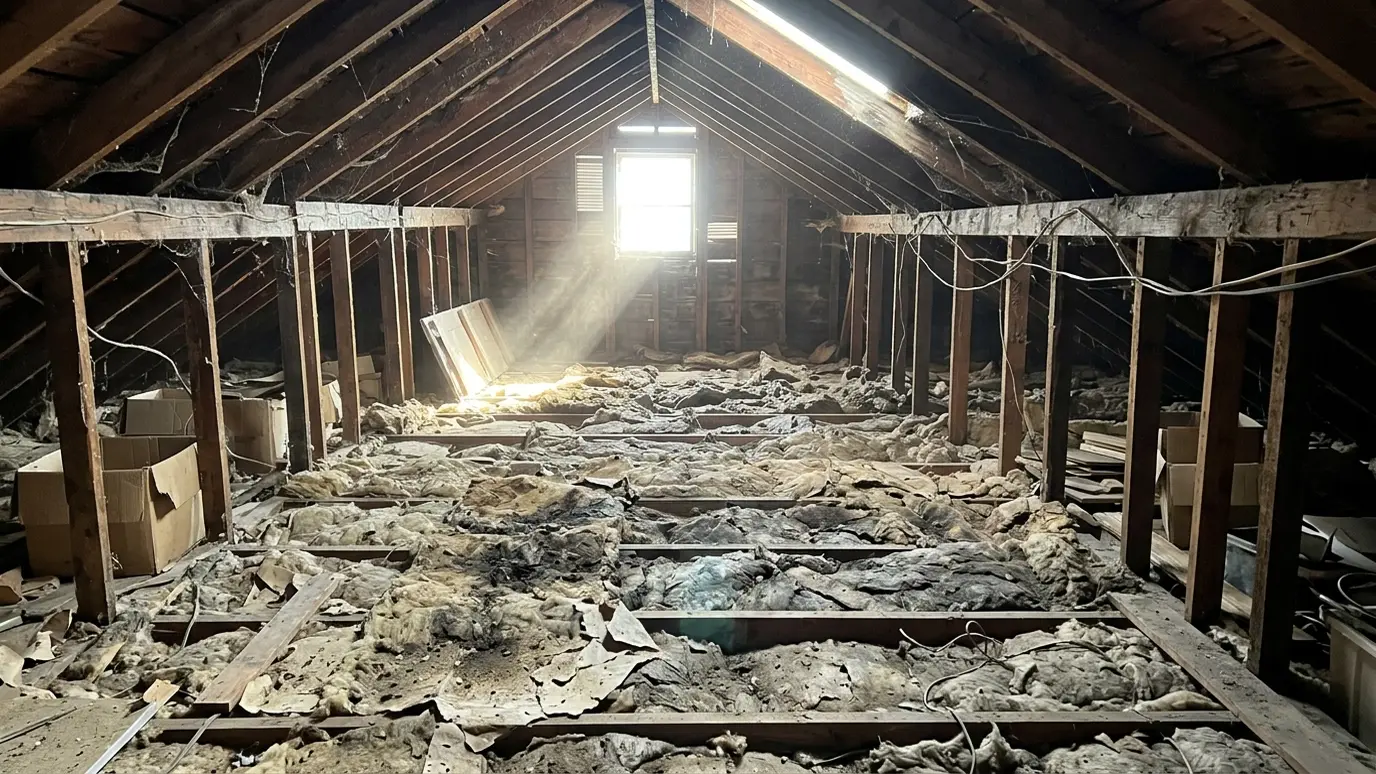 BeforeAfter
Identified from a safe distance.
We do not stir or remove suspect material.
Where to send samples and who does it.
Documentation for your files.
A sequence you can follow.
Once the attic is cleared safely.
Every topic has its own page with what to expect and how we approach it.
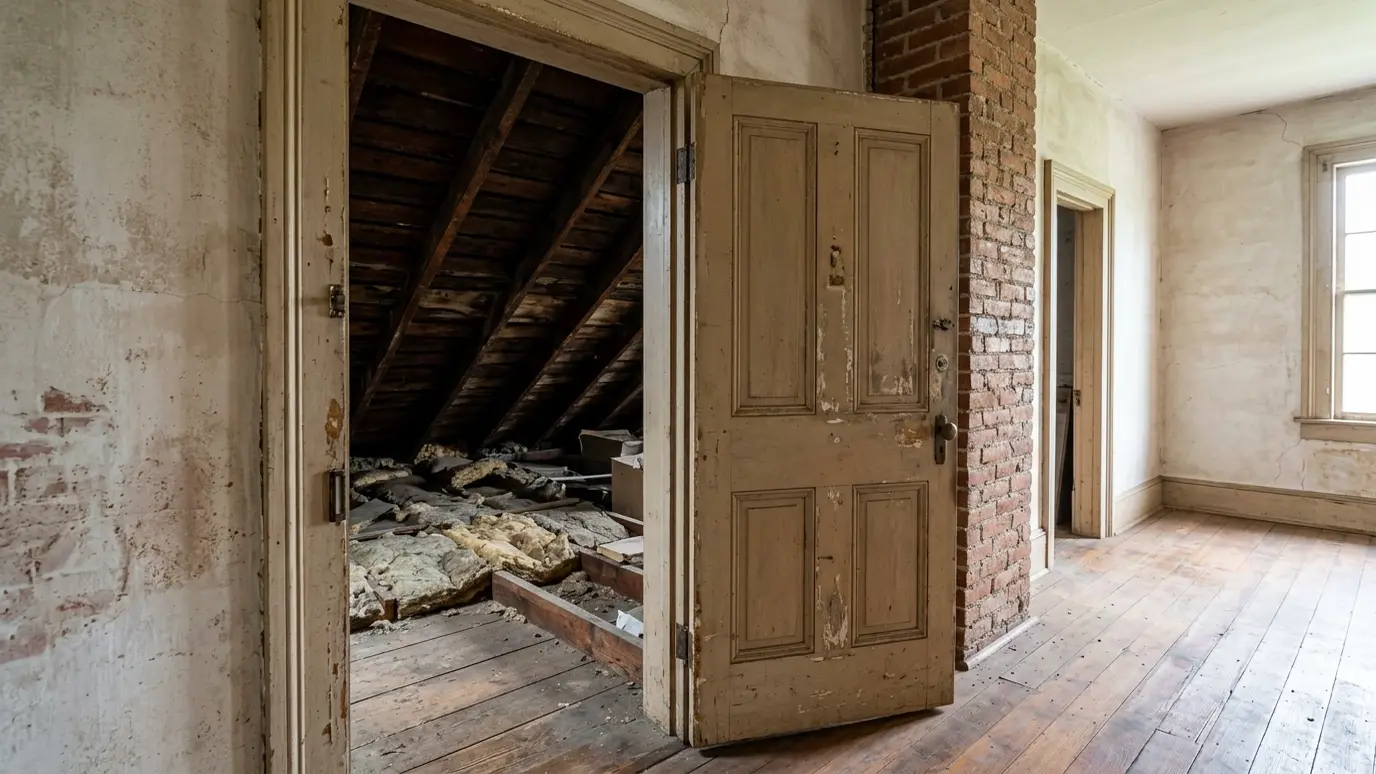 Project situationOlder HomesOlder houses have charm and hidden challenges, from empty walls to unsealed attics. Here is how to improve…Learn more
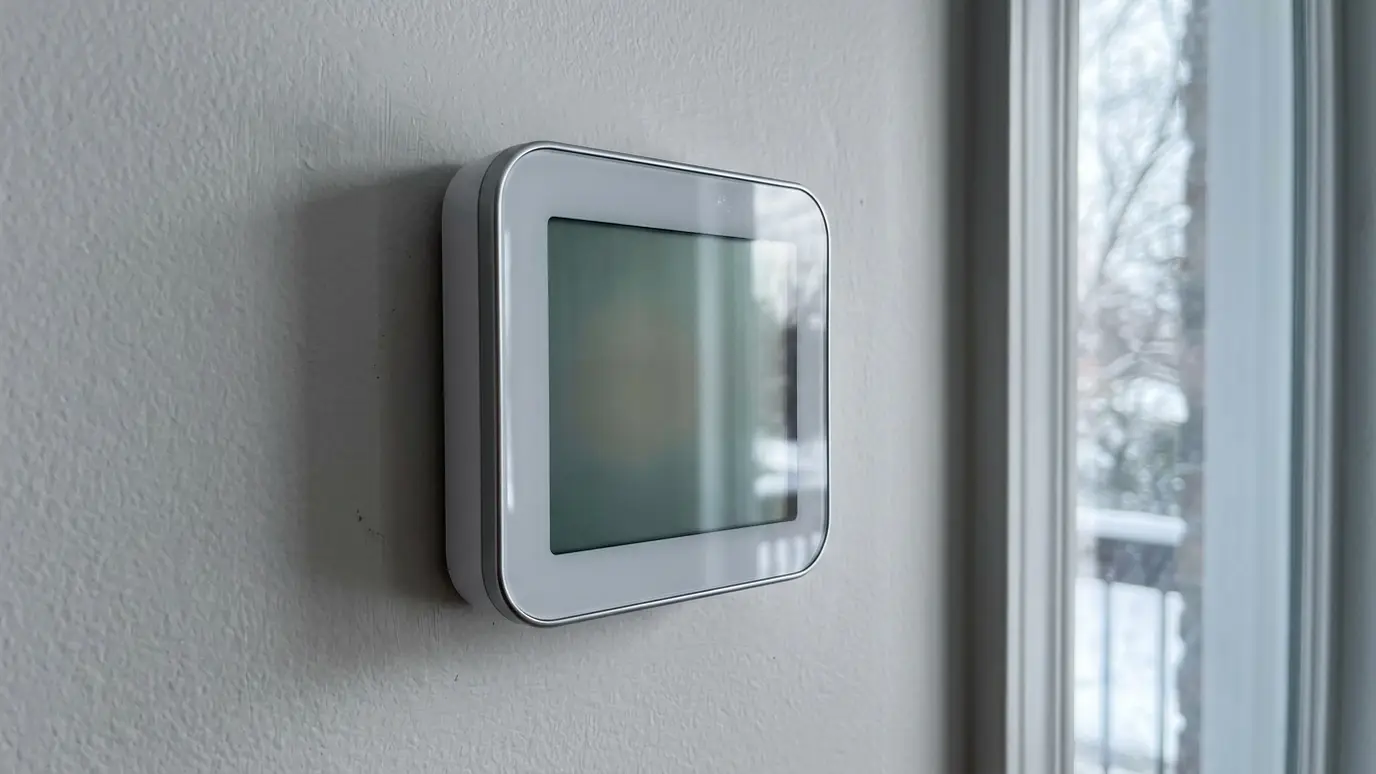 Project situationHigh Energy BillsWhen bills climb and the house still does not feel right, the building is often the reason. Here…Learn more
 Project situationHot and Cold RoomsOne room is always too warm and another is always too cold. Here is why it happens and…Learn more
Enter the attic size, the material and the depth you have now to see how much to add to reach your target.
You tell us what is going on, which rooms bother you and what you hope to change, and we set a time that fits your day.
We walk the attic, walls, crawl space and equipment, measure depths and use thermal imaging when it helps.
We protect the house, seal air leaks, place baffles and fix small problems so the insulation can do its job.
Loose-fill, batts, foam or board goes in to the planned depth, with clean edges and clear markers.
We measure the result, take photos and test air leakage when the scope includes it.
We walk the finished work with you, answer questions and leave the site clean.
No, but it can contain asbestos, and you cannot tell by looking. Treat it with caution until tested.
Often yes, if it is undisturbed and sealed off from living areas. A professional can advise.
We do not remove suspected asbestos materials. Certified abatement professionals handle that.
Some professionals advise against it because it hides the material and complicates later removal. Get expert advice first.
An accredited laboratory can test a properly collected sample. We can point you to resources.
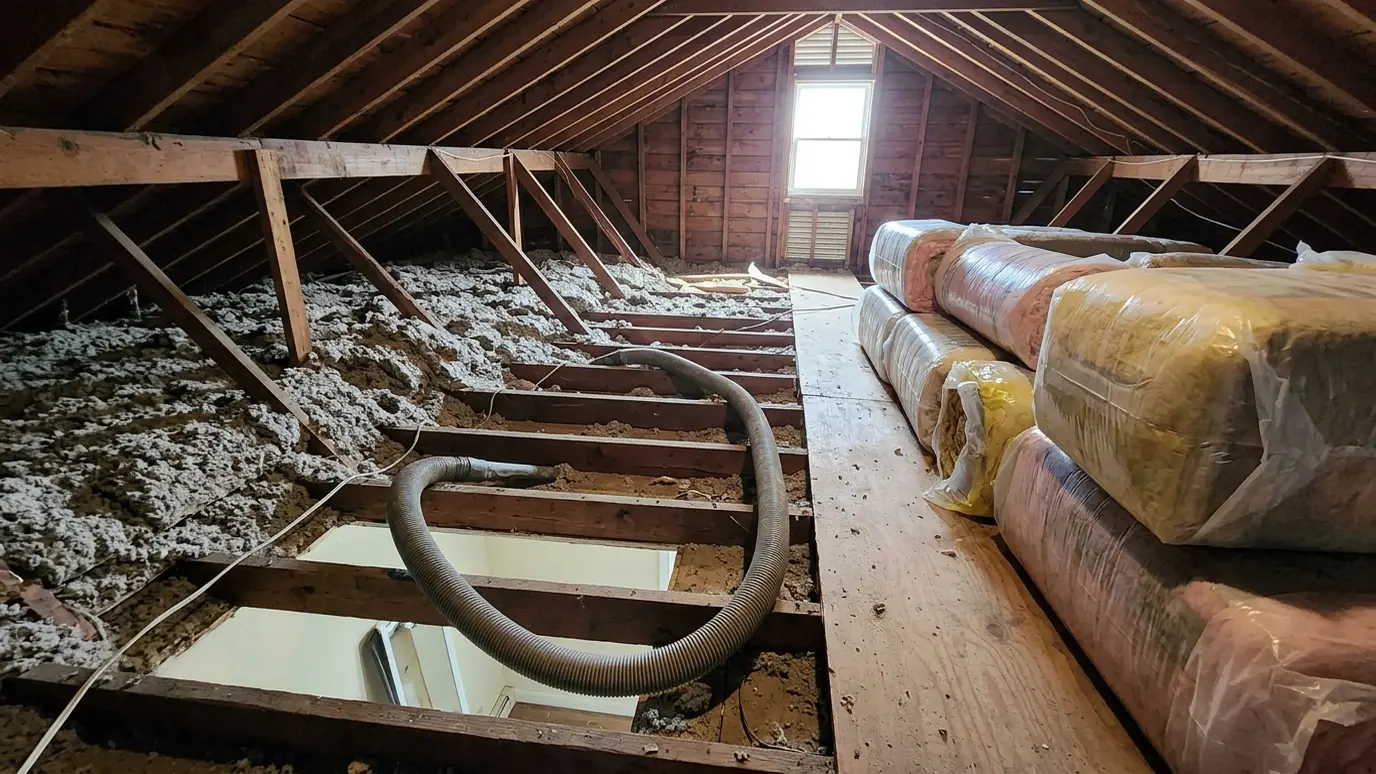 Attic Removal and ReplacementOld, wet, matted or contaminated insulation removed by vacuum and replaced with a clean, correctly sized layer.Explore
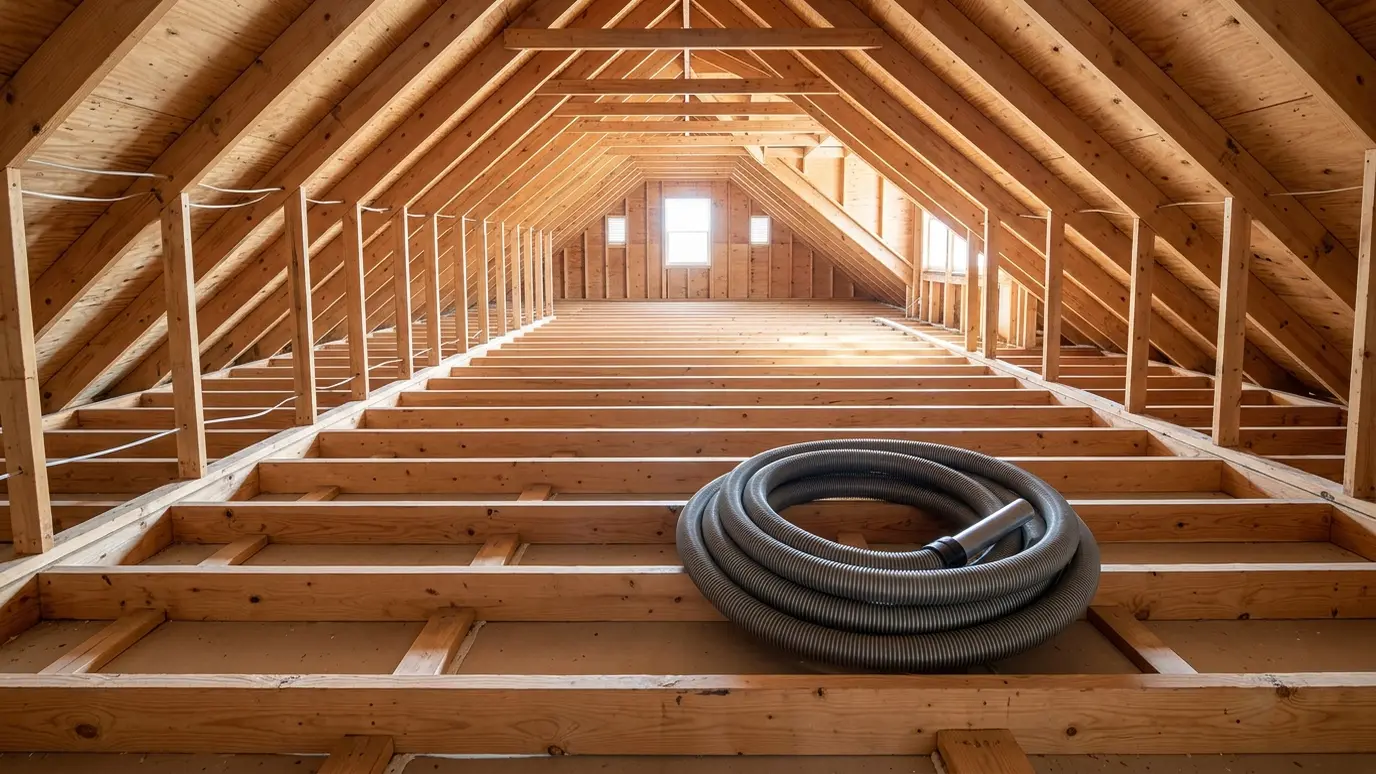 Insulation Removal and Attic CleanupA full attic reset after leaks, pests, smoke or old repairs: debris removed, surfaces cleaned and the space…Explore
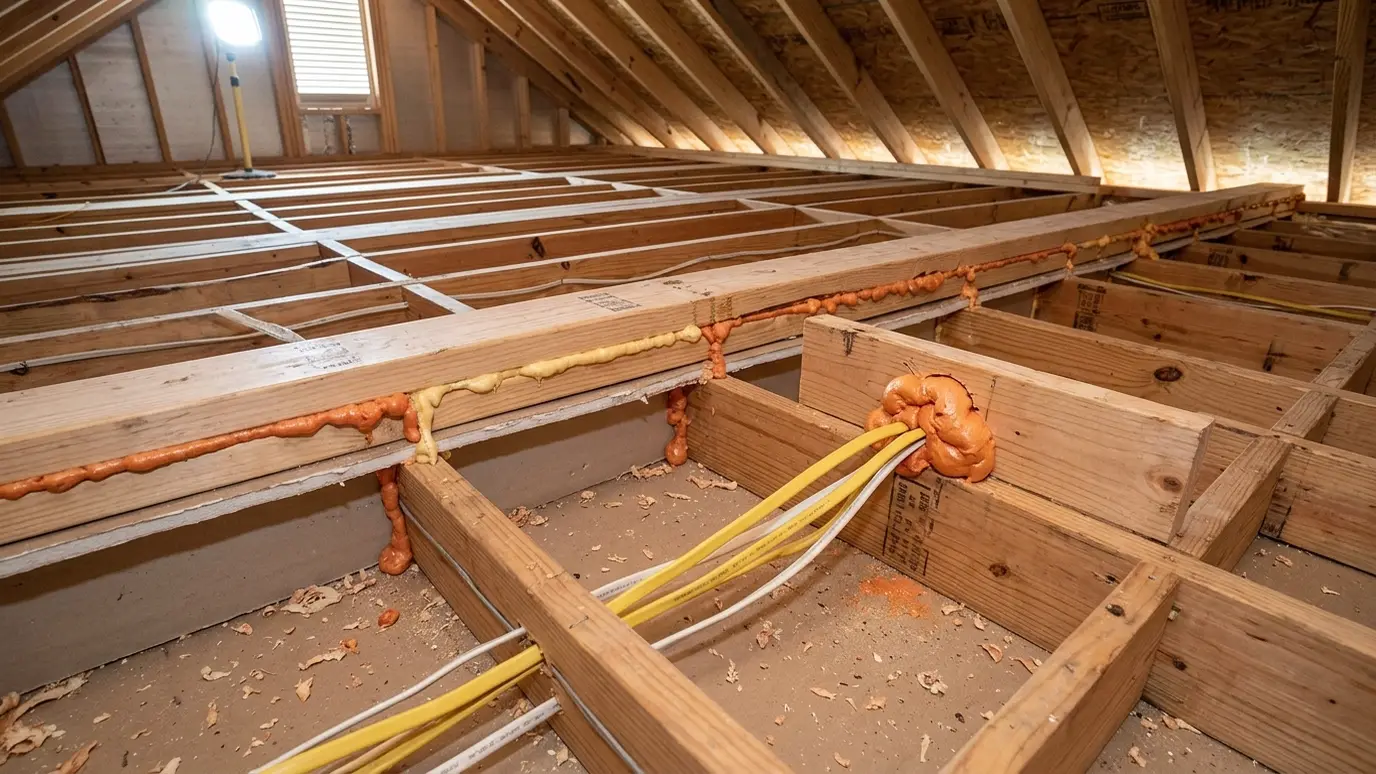 Attic Air SealingThe hidden leaks between your living space and the attic, found and sealed so conditioned air stays inside.Explore
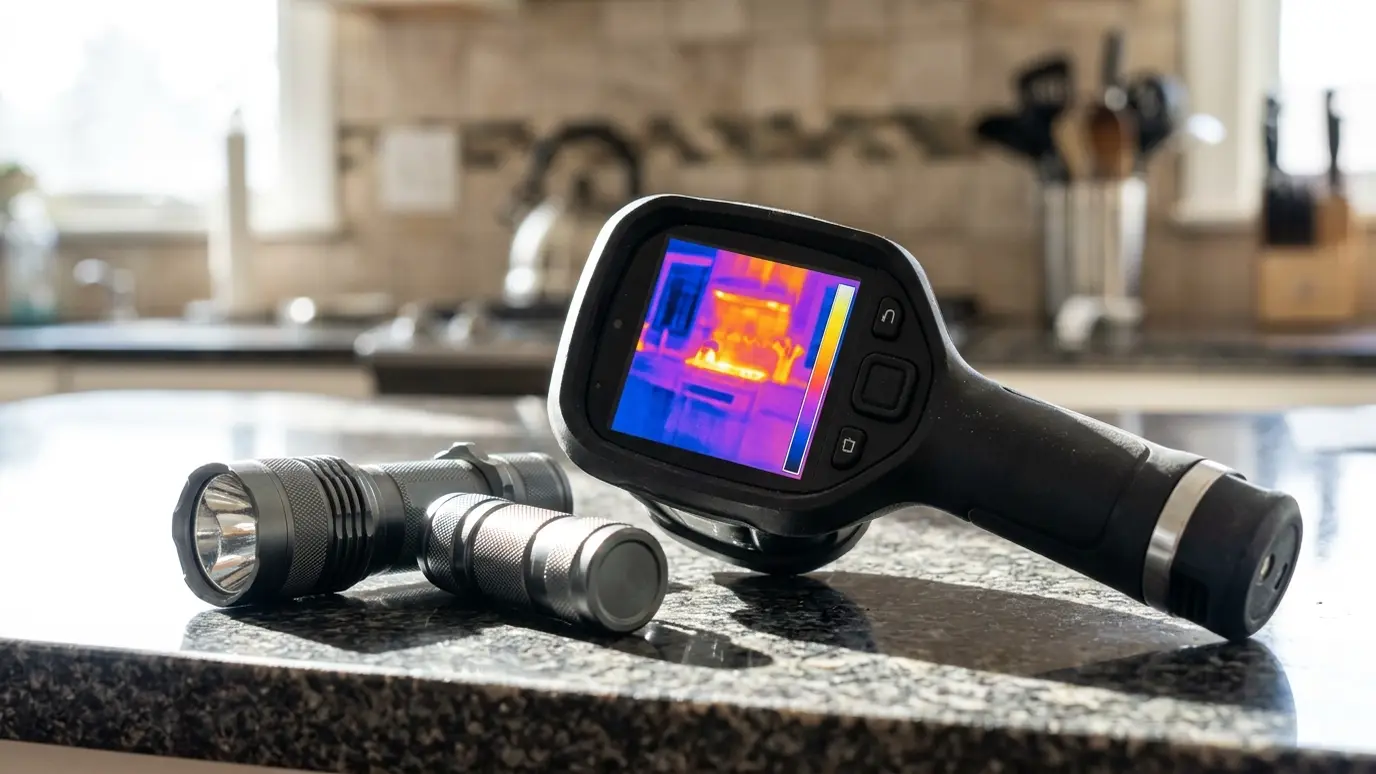 Home Energy AuditsA whole-house assessment that finds where your home loses comfort and energy and ranks the fixes in the…Explore
Tell us about the project and we will call you back to talk it through.
Or call (615) 357-7797 to talk now.