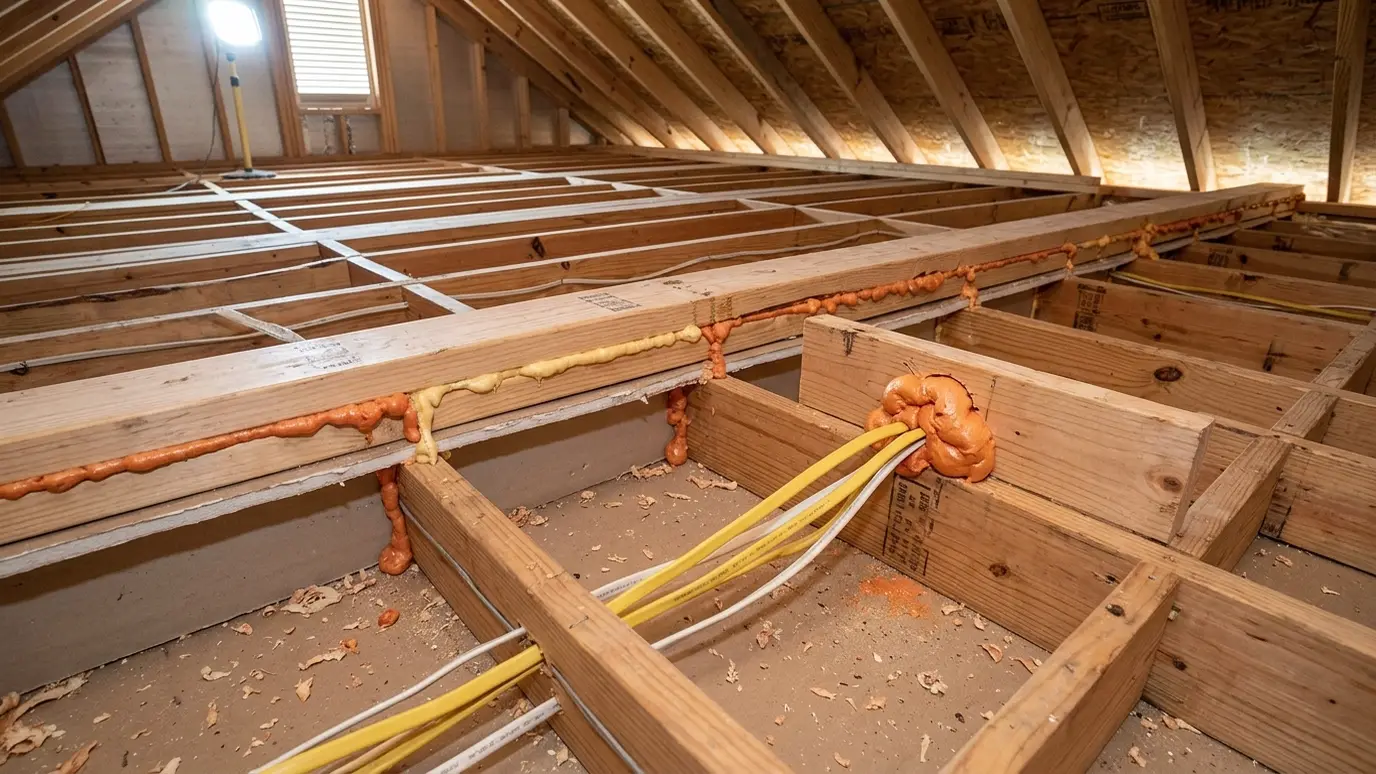
The hidden leaks between your living space and the attic, found and sealed so conditioned air stays inside.
Most homes leak more air through the attic floor than through all the windows combined. Warm air rises through wall cavities, open chases, wiring holes and the tops of interior walls, and the stack effect pulls more in at the bottom. Insulation alone does not stop that flow.
We walk the attic floor with a plan: seal the biggest openings first, then the small gaps. Plumbing and duct chases, dropped soffits, the tops of walls, recessed light housings and the chimney chase all get the right material for the opening, including fire-rated products near flues.
Chases, open soffits above cabinets and the attic side of a fireplace wall usually leak the most. We close them with rigid blocking and foam first, then work down to the small stuff.
Foam, caulk, rigid board and fire-rated sealant each have a place. Heat-producing flues need non-combustible blocking and high-temperature sealant, not just foam.
Older cans leak air into the attic. We either replace them with sealed, insulation-contact-rated fixtures or build covers that seal the opening, according to the fixture type.
Air sealing is the best step to do right before new insulation. It makes the insulation work harder and often changes how a house feels in the first week.
Drag the handle to compare.
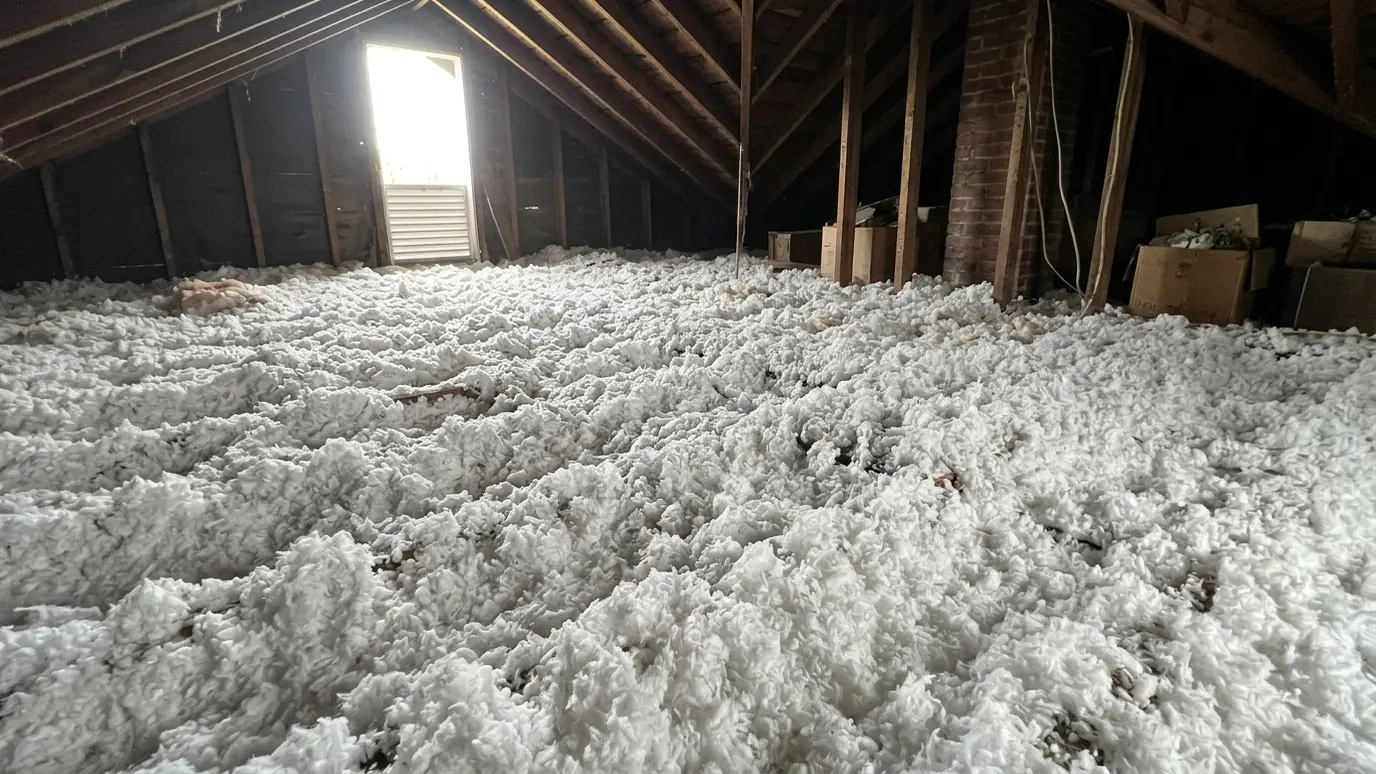
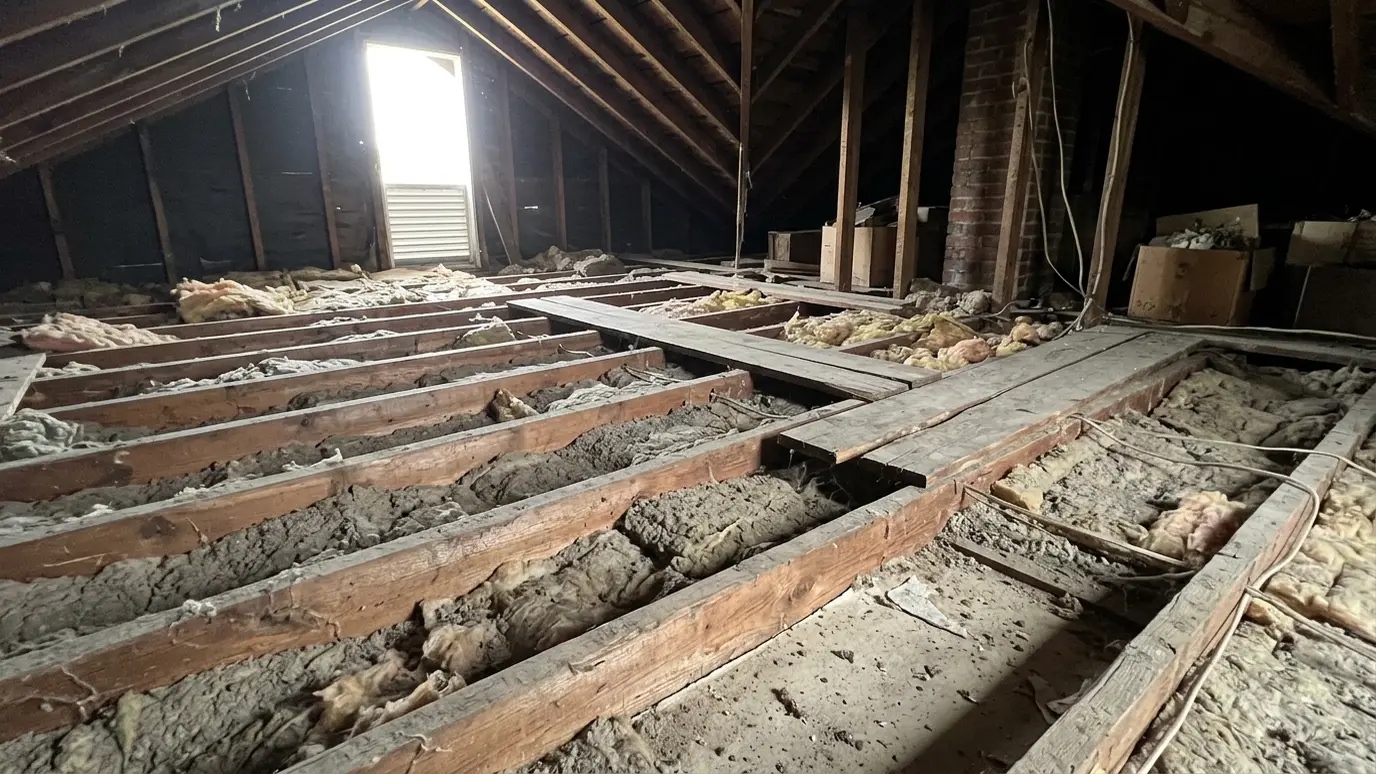 BeforeAfter
The tops of interior walls sealed.
Plumbing and duct openings closed.
Recessed cans sealed or replaced.
Non-combustible blocking at heat sources.
Leaks confirmed with a thermal camera when needed.
A sealed floor to insulate over.
Every topic has its own page with what to expect and how we approach it.
 Project situationHot and Cold RoomsOne room is always too warm and another is always too cold. Here is why it happens and…Learn more
 Project situationHigh Energy BillsWhen bills climb and the house still does not feel right, the building is often the reason. Here…Learn more
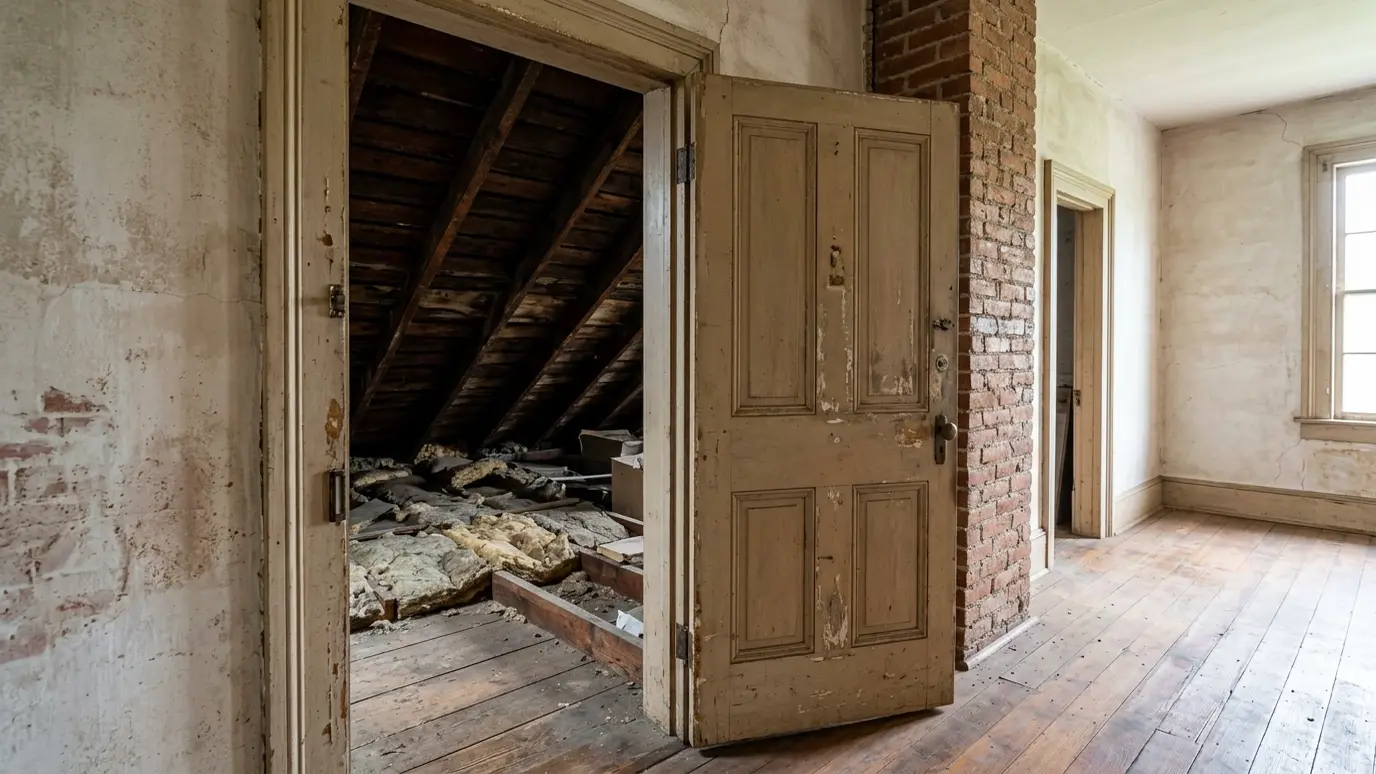 Project situationOlder HomesOlder houses have charm and hidden challenges, from empty walls to unsealed attics. Here is how to improve…Learn more
Enter the attic size, the material and the depth you have now to see how much to add to reach your target.
You tell us what is going on, which rooms bother you and what you hope to change, and we set a time that fits your day.
We walk the attic, walls, crawl space and equipment, measure depths and use thermal imaging when it helps.
We protect the house, seal air leaks, place baffles and fix small problems so the insulation can do its job.
Loose-fill, batts, foam or board goes in to the planned depth, with clean edges and clear markers.
We measure the result, take photos and test air leakage when the scope includes it.
We walk the finished work with you, answer questions and leave the site clean.
Typical sealing reduces drafts without making a house unhealthy. We check combustion appliances and ventilation, and a blower door test can confirm the result.
Yes, with metal flashing and high-temperature sealant rated for the gap. Foam is never used against hot flues.
Often yes. It reduces drafts, dust and uneven rooms even when the existing insulation is adequate.
Most attics take half a day to a full day depending on size and clutter.
You do not need to empty it, but clear a path and tell us about stored items. We work around them or move them with your permission.
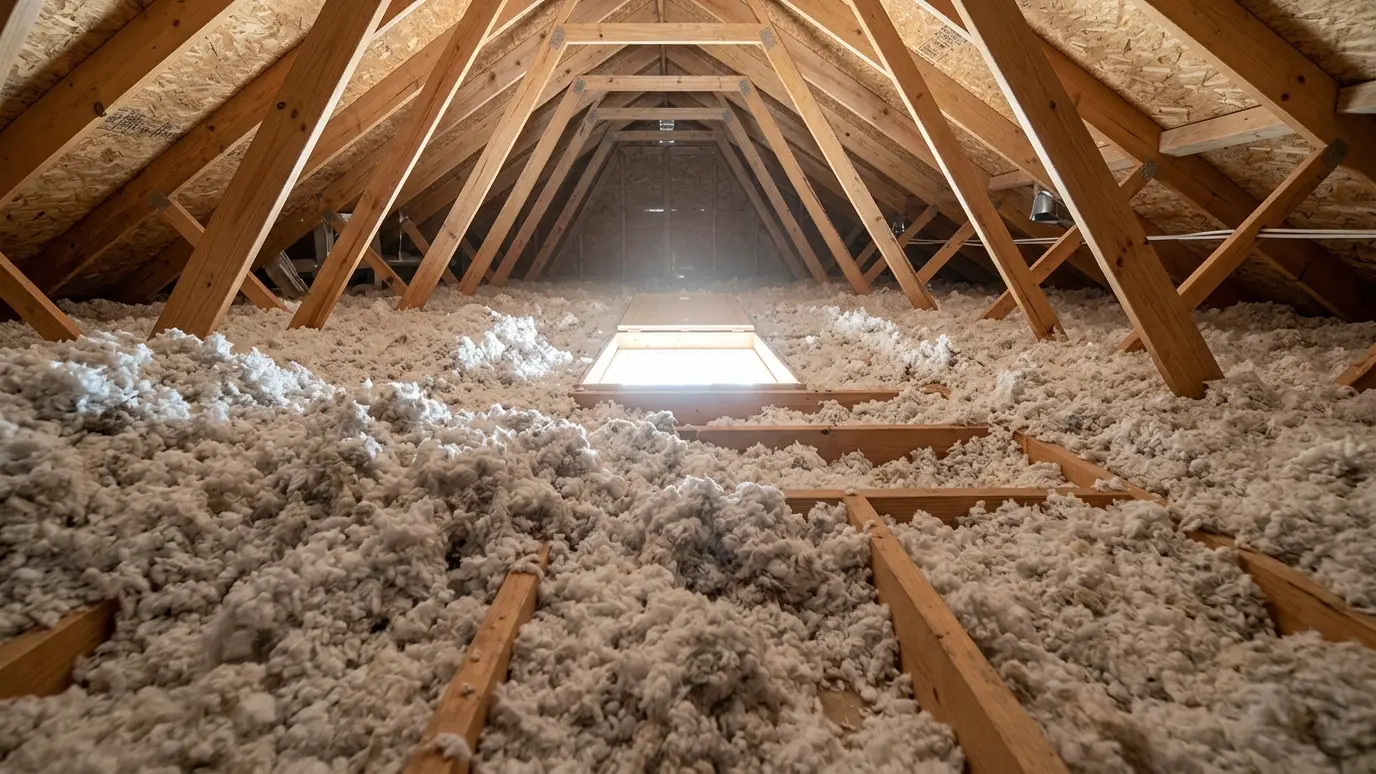 Blown-In Attic InsulationA deep, even blanket of loose-fill insulation over your ceiling, installed to a measured depth so every room…Explore
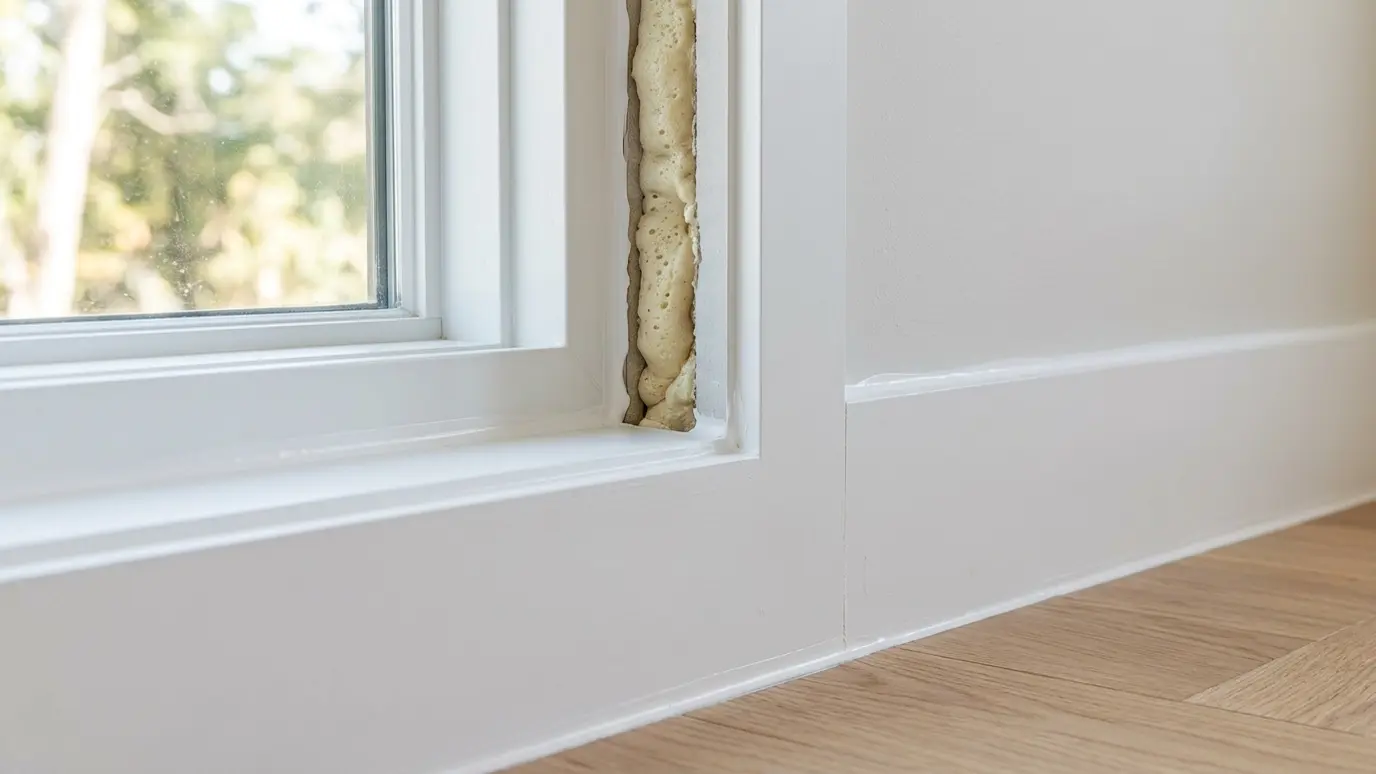 Whole-Home Air SealingEvery major leak in your home found and closed, from attic and basement to the small gaps around…Explore
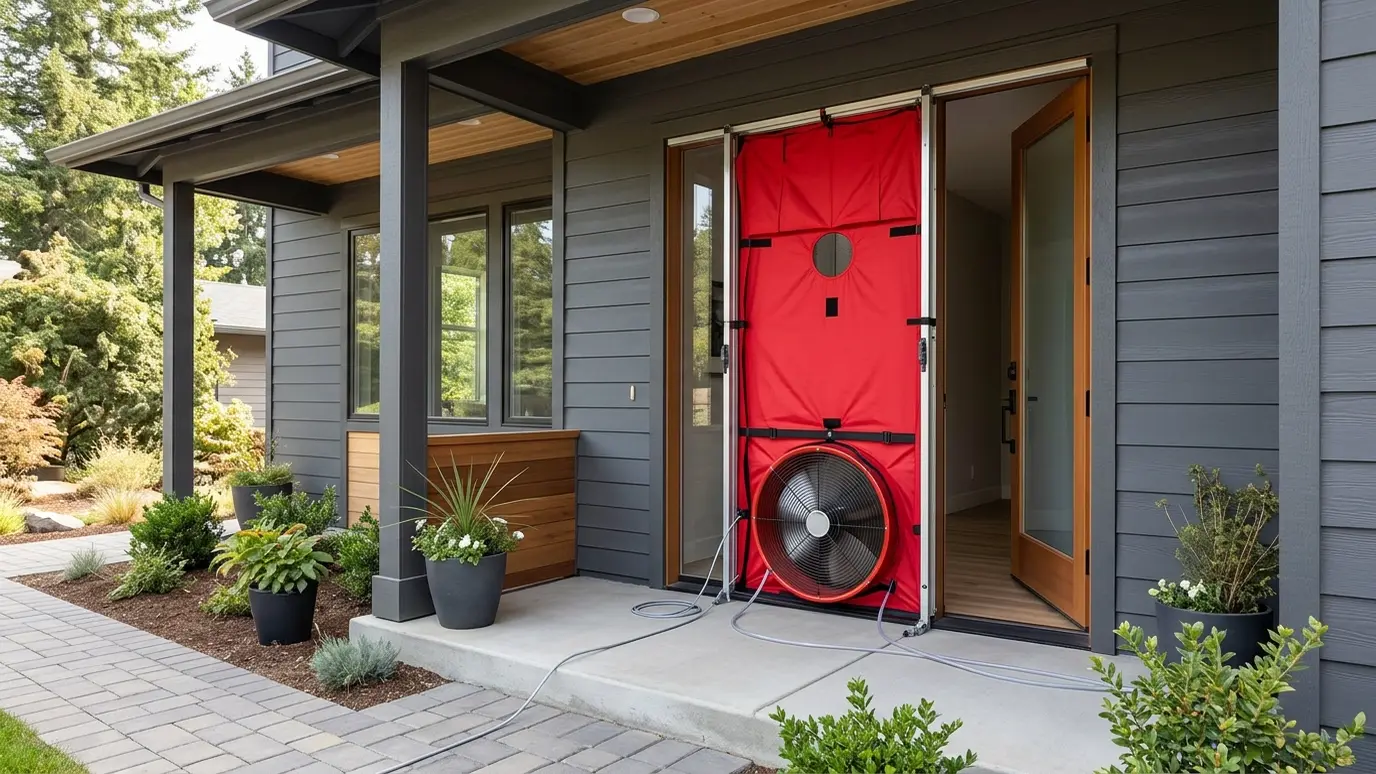 Blower Door and Thermal ImagingA fan test and a thermal camera that show exactly where air and heat escape, so repairs go…Explore
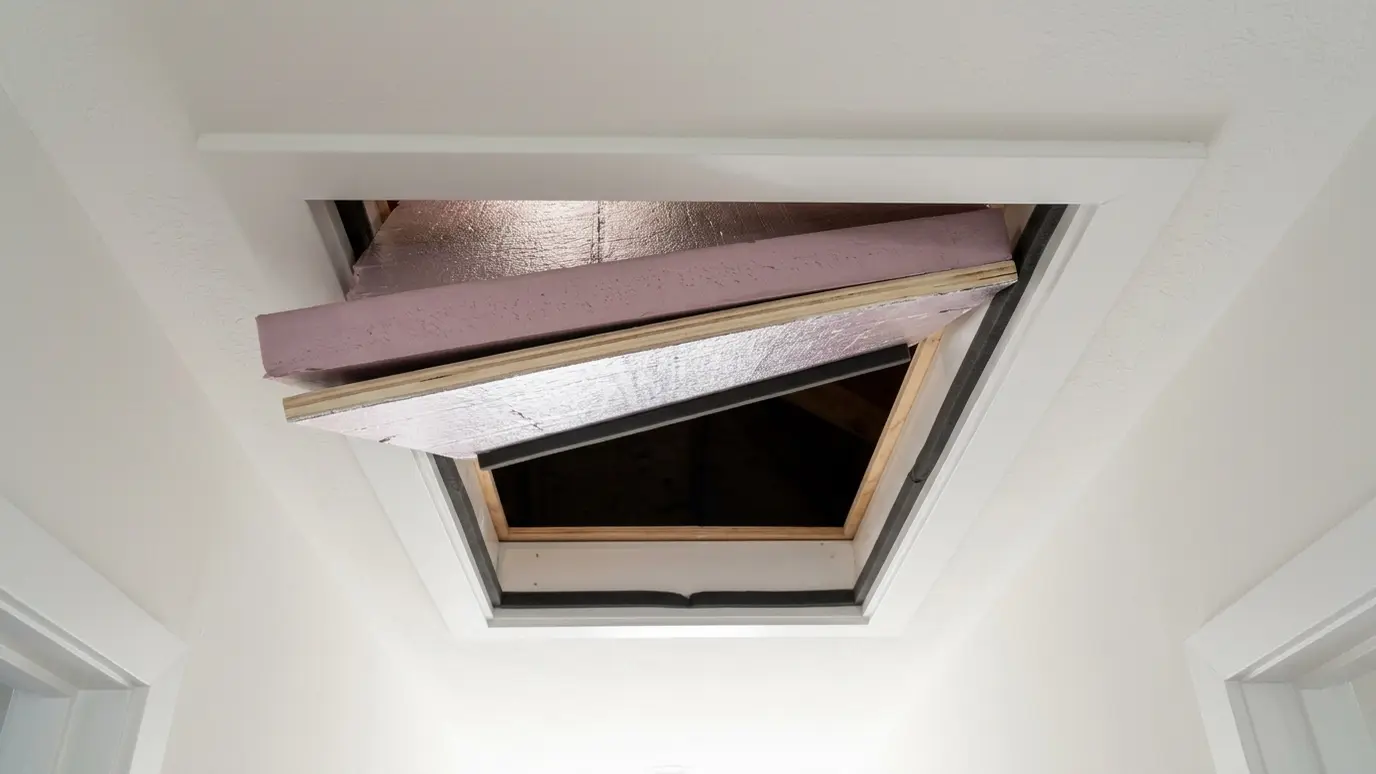 Attic Hatch and StairsThe leaky hole in your ceiling, sealed and insulated with a gasketed cover so your attic work actually…Explore
Tell us about the project and we will call you back to talk it through.
Or call (615) 357-7797 to talk now.